Musical instrument recognition Worksheets for Ages 6-7
3 filtered results
-
From - To
Welcome to our Musical Instrument Recognition Worksheets for Ages 6-7! Designed to spark creativity and enhance musical knowledge, these engaging worksheets help young learners identify and categorize various musical instruments. Featuring colorful illustrations and interactive activities, students will explore instruments like pianos, violins, and drums while developing essential skills in listening, recognition, and vocabulary. Ideal for classrooms or at-home learning, these resources encourage a fun and enriching experience in music education. Dive into the world of sound and rhythm, and let your child’s musical journey begin with our thoughtfully crafted worksheets! Discover creativity through music today!
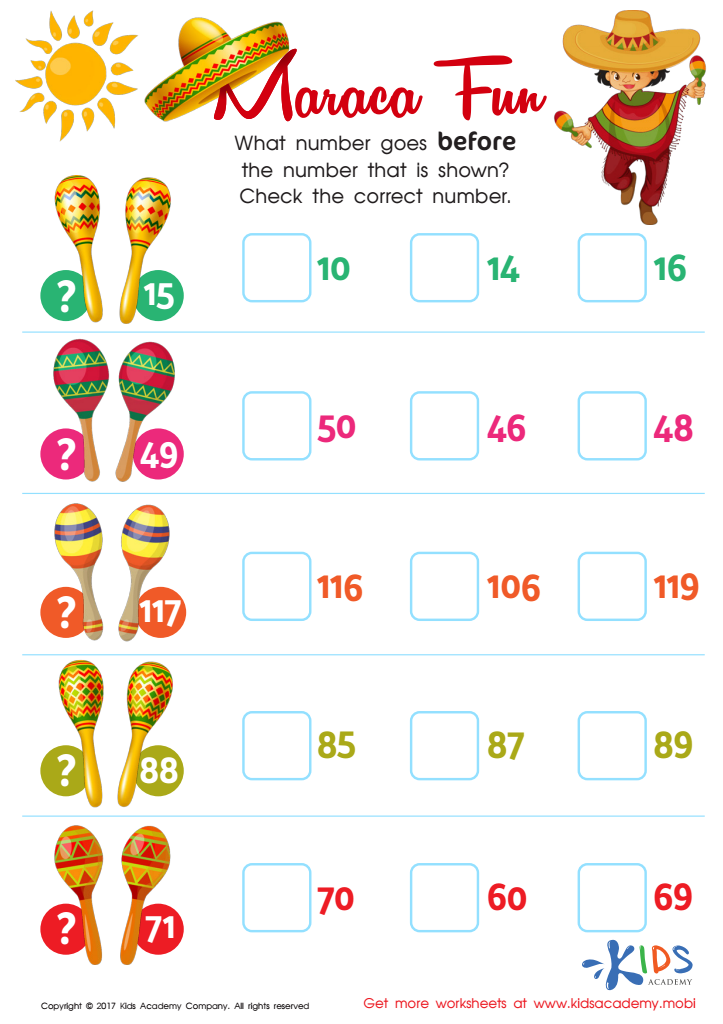
Counting: Maraca Fun Worksheet
 Assign to My Students
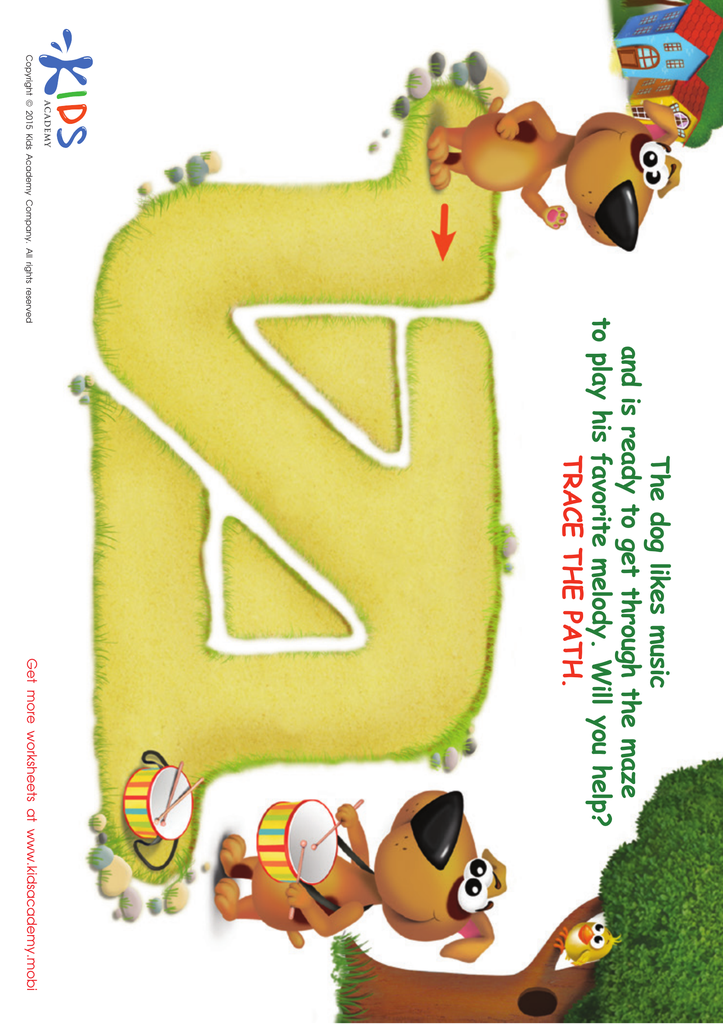
Drummer Maze Worksheet
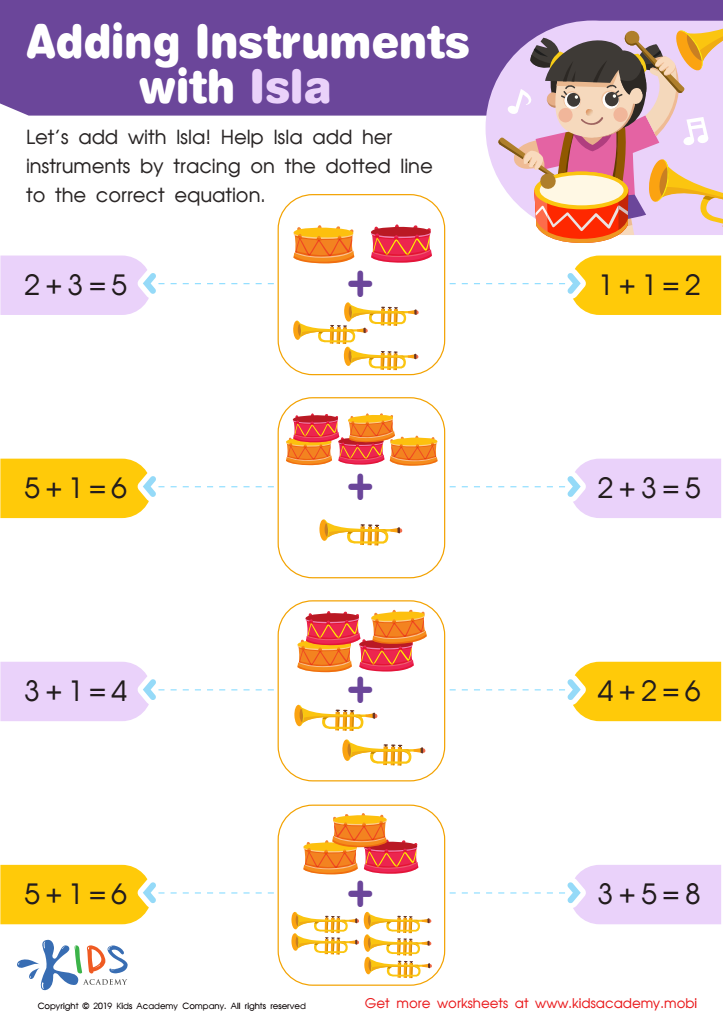
Adding Instruments with Isla Worksheet








Musical instrument recognition is an essential skill for children ages 6-7, as it plays a significant role in their cognitive, social, and emotional development. For parents and teachers, encouraging children to differentiate between instruments fosters auditory discrimination, which aids in language development and enhances listening skills. At this age, children's brains are highly adaptable; introducing them to diverse sounds can stimulate curiosity and learning.
Moreover, recognizing musical instruments can instill a sense of cultural appreciation and understanding. With exposure to various kinds of music from around the world, children can develop an appreciation for different cultures, fostering inclusivity and empathy.
Furthermore, music education has been linked to improved academic performance. Engaging with instruments and learning to appreciate music can strengthen math skills through rhythm and counting, as well as enhance memory and concentration.
From a social perspective, discussing and sharing preferences for instruments encourages communication, teamwork, and collaborative experiences. Parents and teachers can create a rich musical environment that not only supports emotional expression but also lays the groundwork for lifelong musical engagement, ultimately enriching the child's overall educational experience. Thus, prioritizing musical instrument recognition cultivates a well-rounded development pathway during these formative years.








