Observational skills Worksheets for Ages 6-7 - Page 2
26 filtered results
-
From - To
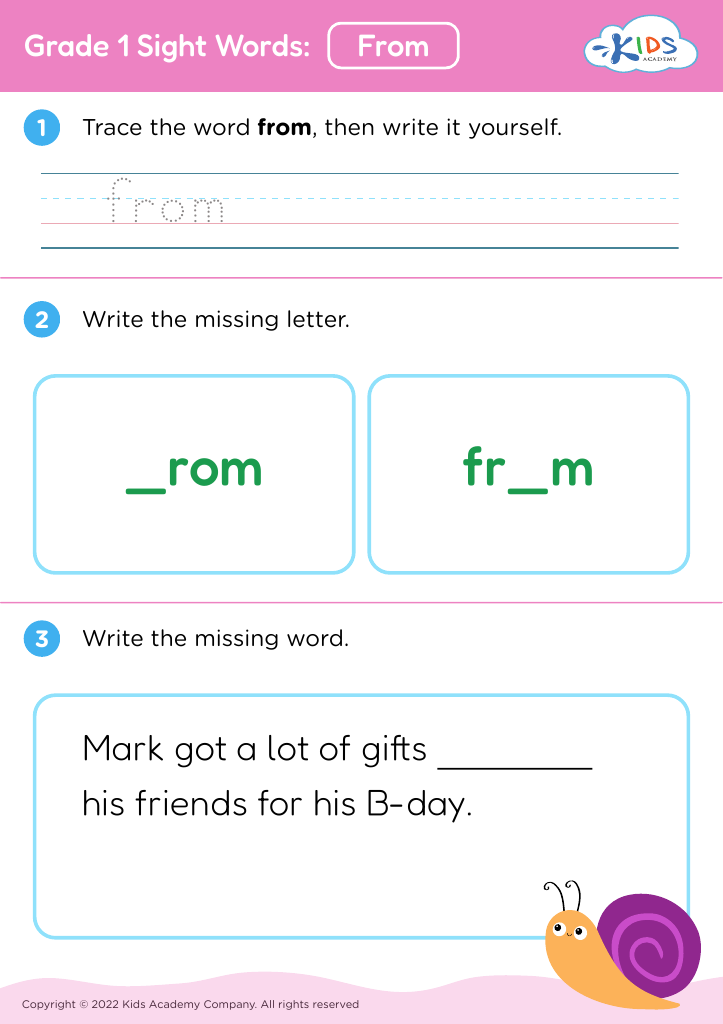
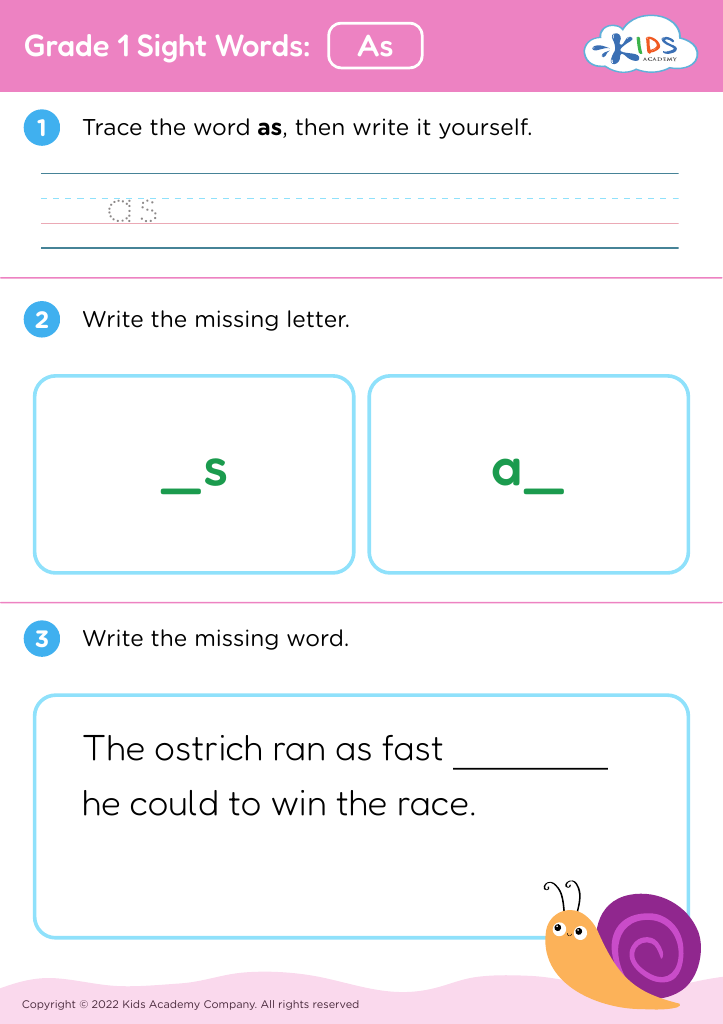








Observational skills are crucial for children aged 6-7 as they serve as the foundation for learning and personal development. At this age, children become more aware of their surroundings and begin to process information more analytically. Parents and teachers should prioritize these skills because they enhance critical thinking, problem-solving, and creativity.
Firstly, strong observational skills enable children to notice details, patterns, and changes in their environment, which is essential for subjects like science and mathematics. For instance, observing plants or weather patterns can foster a deeper understanding of natural sciences. Secondly, these skills enhance social awareness; by observing their peers, children learn empathy, communication, and valuable social cues. Teaching kids to pay attention to non-verbal signals helps in nurturing their emotional intelligence.
Moreover, encouraging observational practice through play and structured activities promotes cognitive development. When parents and teachers guide children in observation—be it in nature walks or classroom projects—it engages and motivates them to learn actively. In essence, fostering observational skills equips children with tools necessary for lifelong learning, effective communication, and social interaction, making it an essential focus for both parents and educators.








