Practical application Worksheets for Ages 6-7
6 filtered results
-
From - To
Discover our engaging and educational "Practical Application Worksheets for Ages 6-7" designed to enhance early learning skills through fun, hands-on activities. These worksheets blend crucial math and reading concepts with real-life situations, helping young learners understand the practical use of their knowledge. From counting money and measuring objects to reading timetables and simple recipes, each activity aims to boost problem-solving skills and foster a love for learning. Ideal for classroom or home use, our worksheets are the perfect resource to support your child's academic journey while offering enjoyable and meaningful practice. Unlock their potential today!
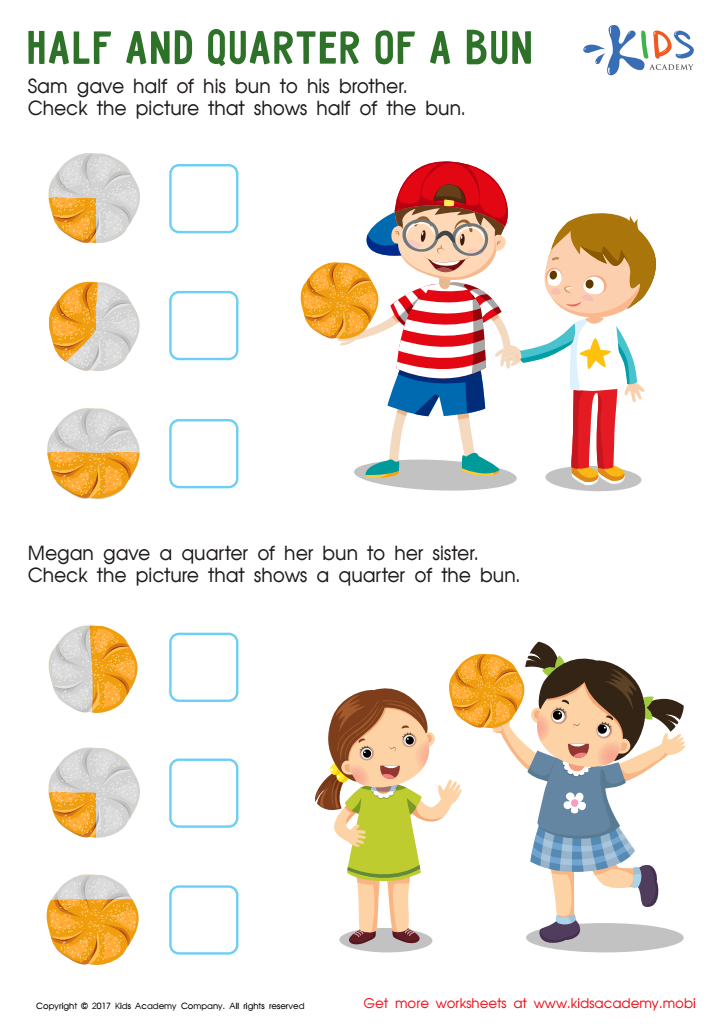
Half and Quarter of a Bun Worksheet
 Assign to My Students
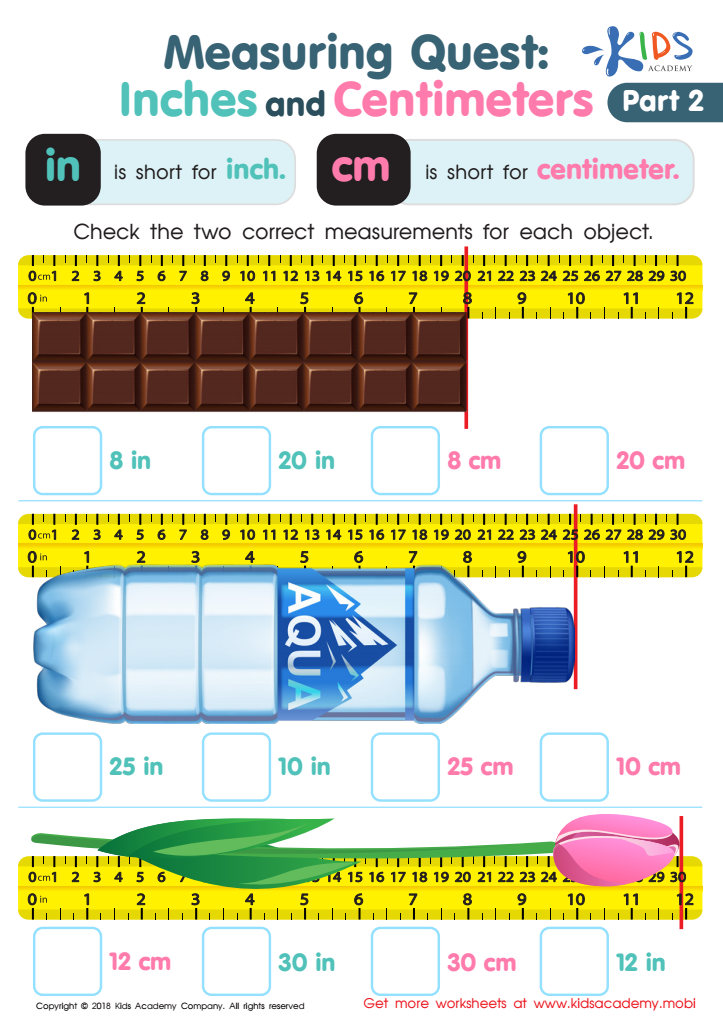
Measuring Quest: Inches and Centimeters - Part 2 Worksheet
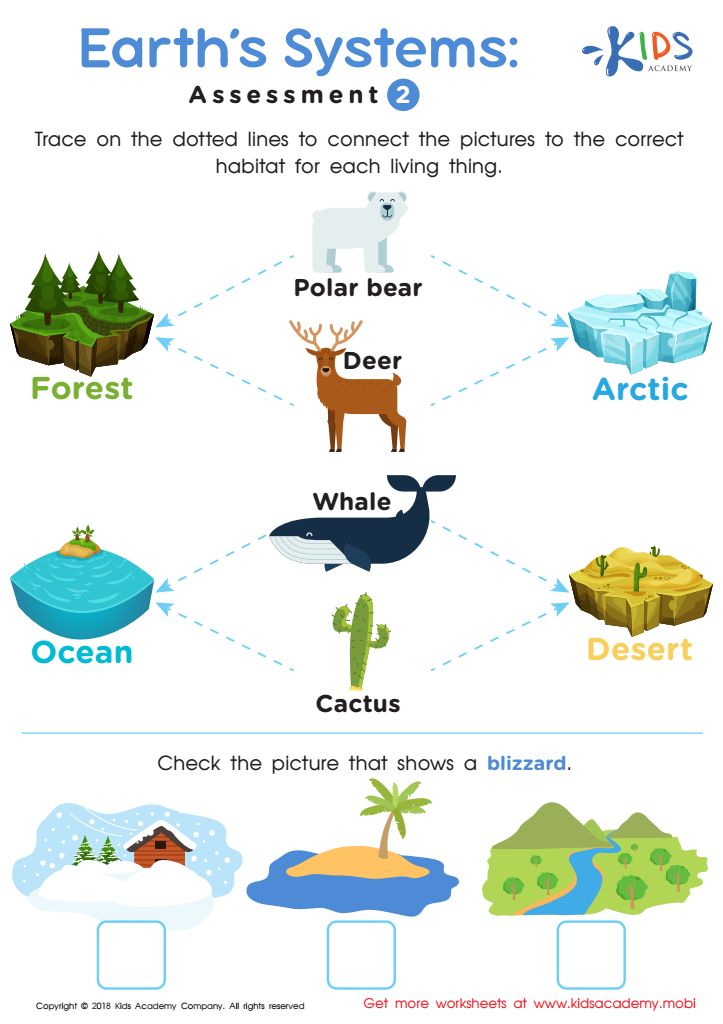
Earth's Systems: Assessment 2
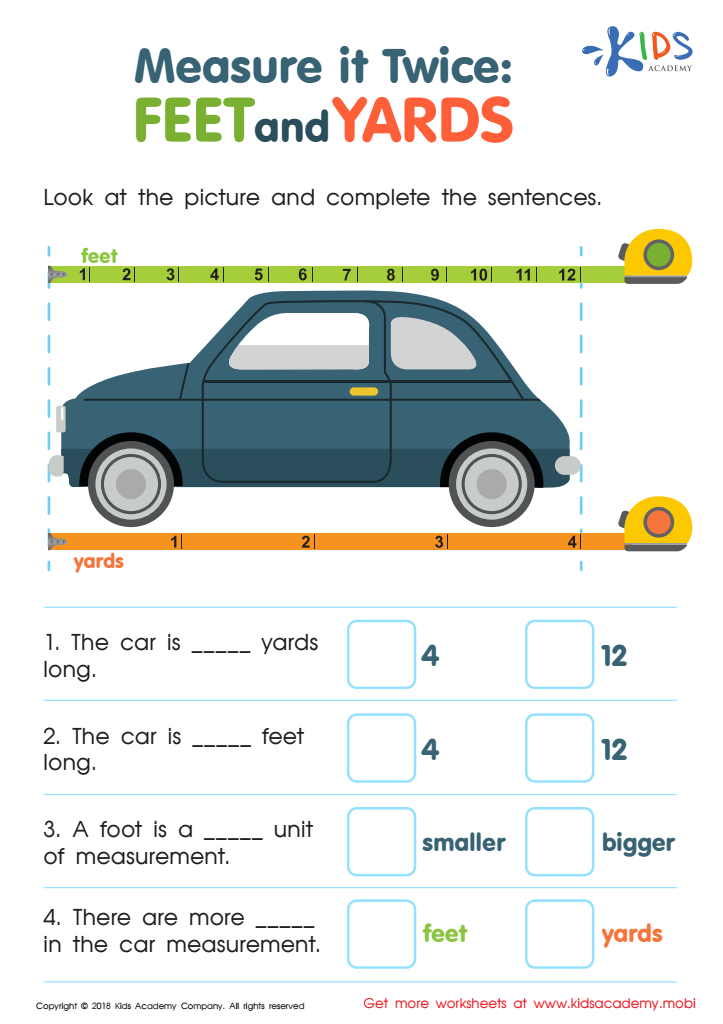
Measure It Twice: Feet and Yards Worksheet
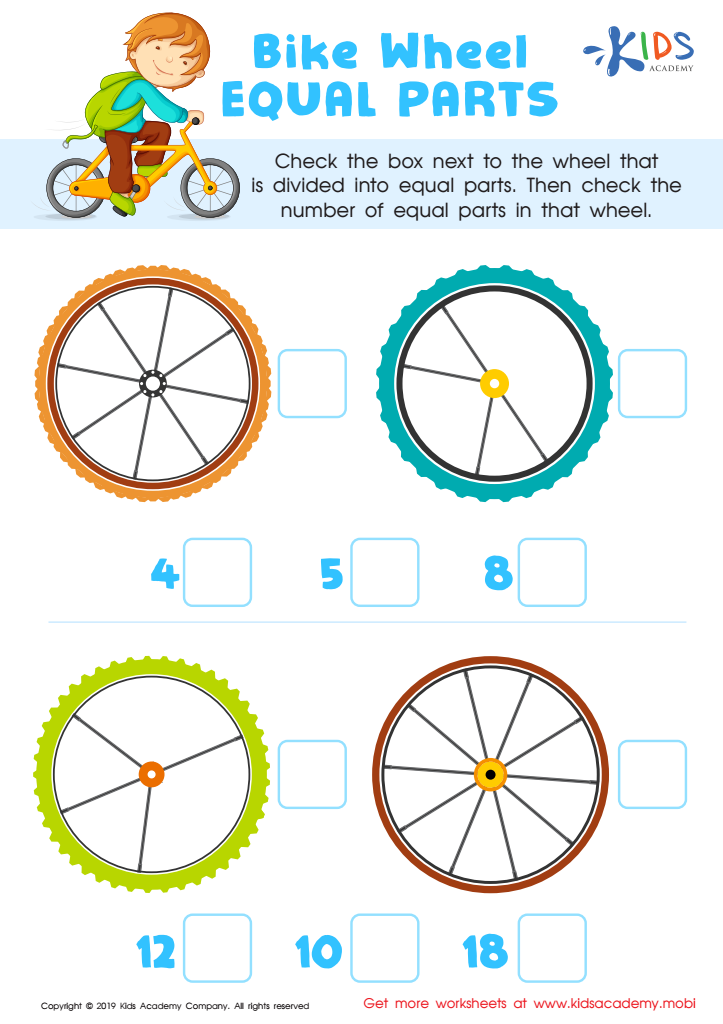
Bike Wheel Equal Parts Worksheet



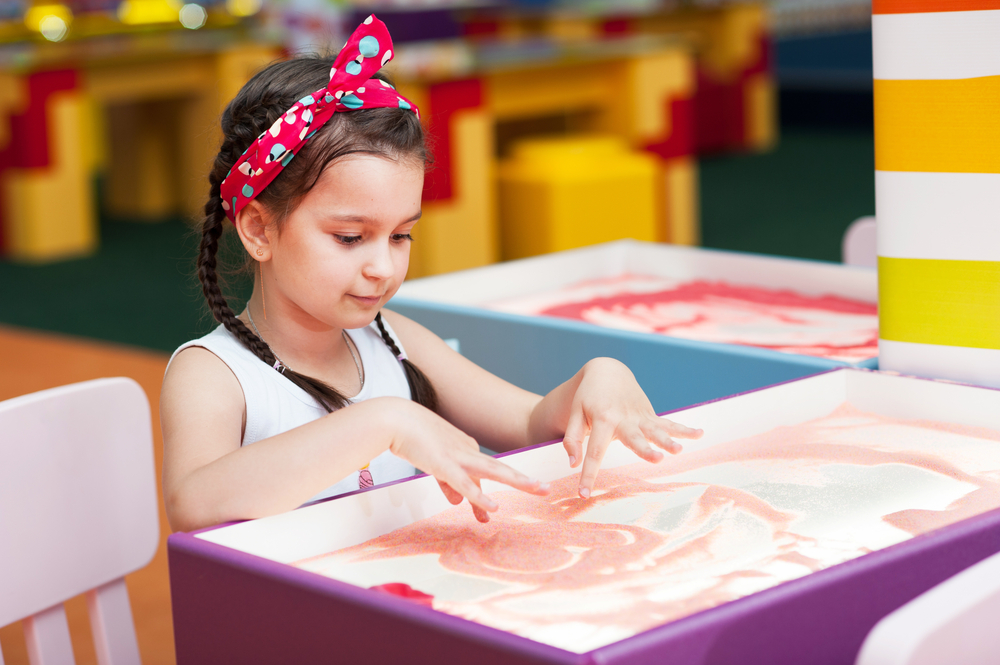


Practical application for children aged 6-7 is crucial for their holistic development, and parents or teachers should prioritize it because it bridges the gap between theoretical knowledge and real-world experience. At this tender age, children are naturally curious and learn best through hands-on activities that make learning tangible and relatable.
Firstly, engaging in practical tasks enhances cognitive development. When children see, touch, and manipulate objects, they better understand abstract concepts. For example, counting real apples makes numbers meaningful, helping them grasp basic math concepts more effectively than simply picturing them in their minds.
Secondly, practical activities foster problem-solving skills and creativity. By experimenting with materials and scenarios, children learn to think critically and explore multiple solutions. This not only builds resilience but also sparks innovation and original thought.
Moreover, hands-on learning nurtures fine motor skills and overall physical development. Activities like cutting with scissors, drawing, or building with blocks enhance hand-eye coordination and dexterity, which are foundational skills for many future tasks.
Lastly, these activities boost social and emotional growth by encouraging teamwork and communication. Working together on projects reinforces cooperation, empathy, and shared ownership, which are essential for interpersonal relationships.
In essence, practical application activities provide a multi-faceted learning experience, making education dynamic, enjoyable, and ultimately more effective for young learners.








