Time conversion skills Worksheets for Ages 6-7
3 filtered results
-
From - To
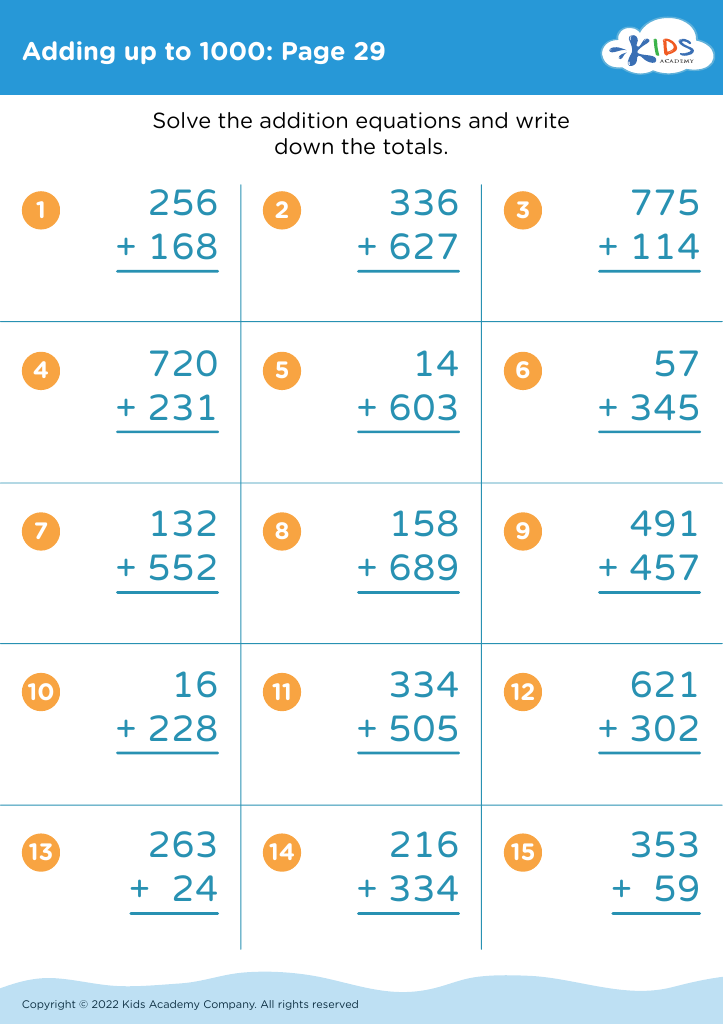
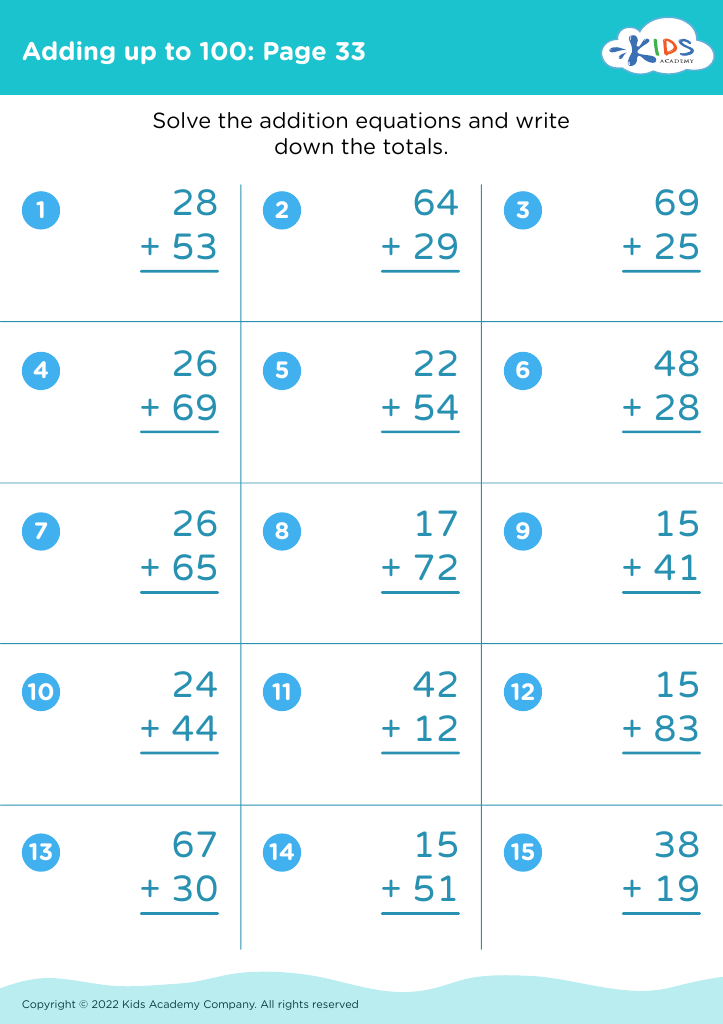
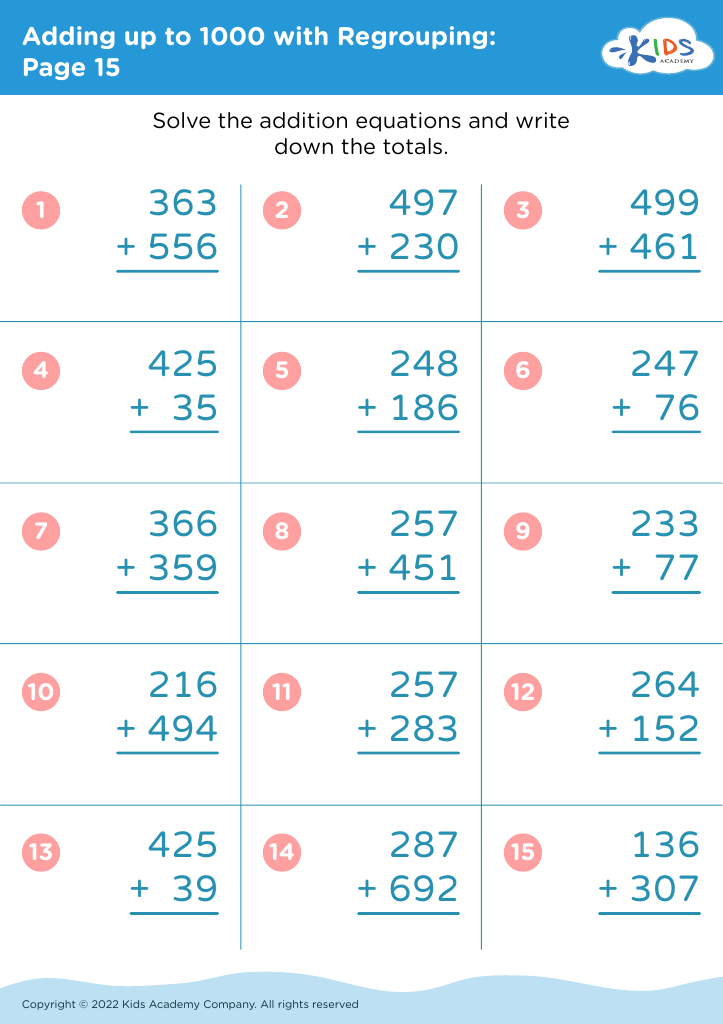
Introducing our comprehensive Time Conversion Skills Worksheets for Ages 6-7! These meticulously designed worksheets are perfect for young learners to master the essential skill of converting time between hours, minutes, and seconds. With engaging activities and colorful illustrations, children will enjoy learning to tell time, while enhancing their problem-solving abilities and boosting their confidence. Our printable resources include step-by-step instructions, making it easy for parents and teachers to guide kids through each exercise. Develop your child's time-related cognitive skills effortlessly with our fun and educational worksheets, available now on Kids Academy.






Time conversion skills are crucial for children aged 6-7 as they lay a foundational understanding for future mathematical learning and daily life functioning. At this young age, children are naturally curious about routines and patterns, and understanding time helps them make sense of the world around them.
First, mastering time conversion fosters cognitive development. It enhances critical thinking and problem-solving skills, as children learn how to break down and reassemble time in various units — minutes to hours, and so on. This early skill-building is important for grasping more complex concepts in mathematics and science later on.
Second, time conversion is practical. Children need to comprehend time to follow daily schedules, adhere to classroom tasks, and participate in activities effectively. Understanding when lunchtime is in half an hour or that there’s 15 minutes left of playtime helps them navigate their day smoother and fosters independence.
Moreover, it allows children to internalize the concept of time management. As they recognize the passing of minutes and hours, they develop a sense of timing that can lead to better organization and planning skills.
Therefore, both parents and teachers should prioritize teaching time conversion, as it supports academic development, instills practical life skills, and nurtures independence in young learners.








