Understand patterns Worksheets for Ages 6-7
7 filtered results
-
From - To
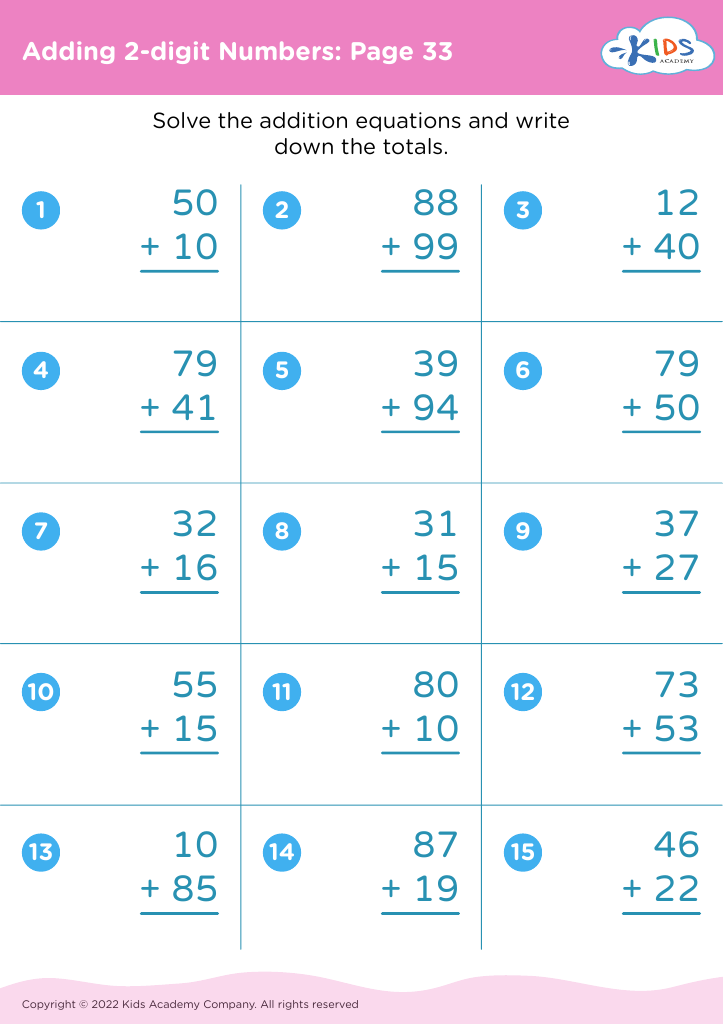
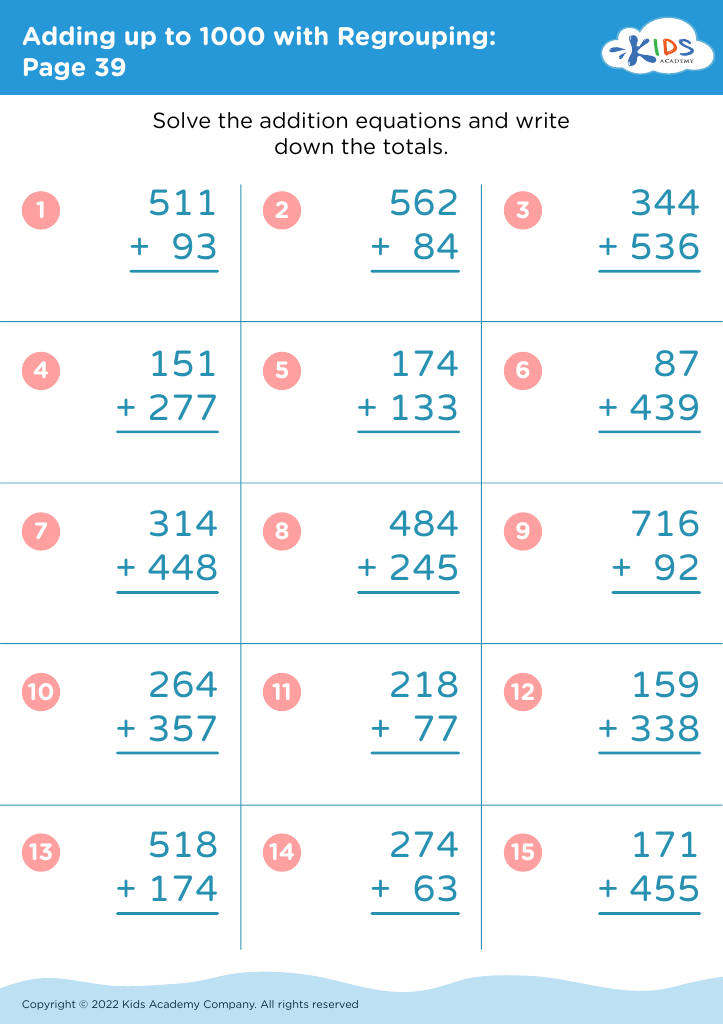
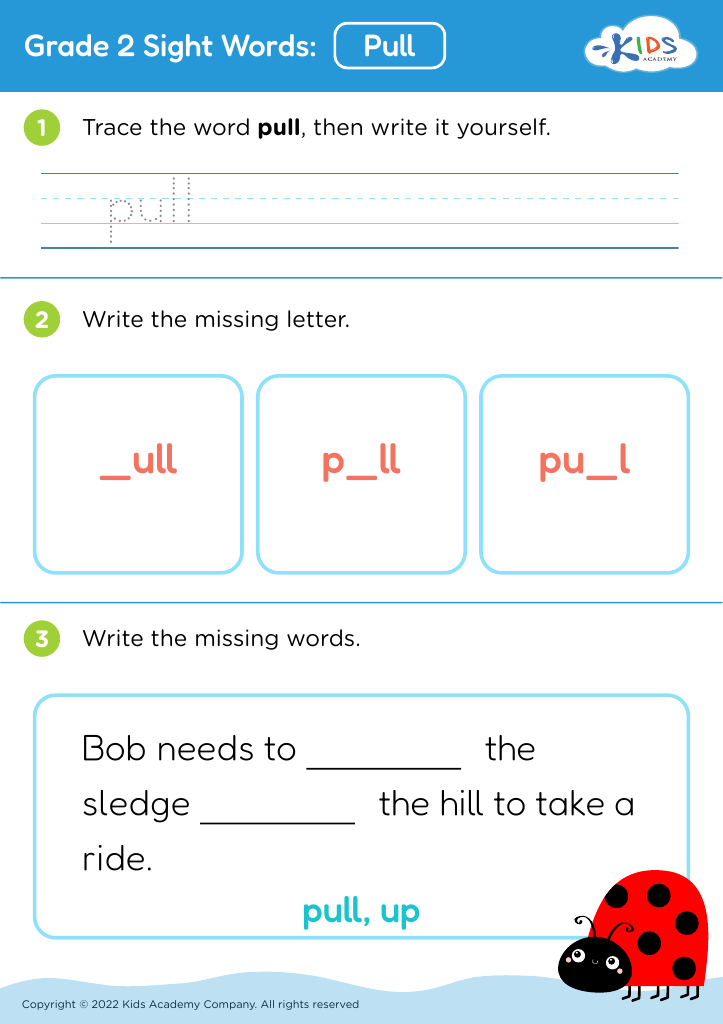
Boost your child's pattern recognition skills with our "Understand Patterns Worksheets" for ages 6-7! Perfectly designed for first graders, these engaging and colorful printable worksheets help children identify, replicate, and extend a variety of patterns. Through fun activities involving shapes, colors, and numbers, kids will develop critical thinking and problem-solving skills. A must-have resource for both classroom and home learning, our worksheets are crafted to support the foundational math concepts needed for future success. Encourage your child to discover the joy of learning and enhance their cognitive abilities with these easy-to-download and print worksheets.
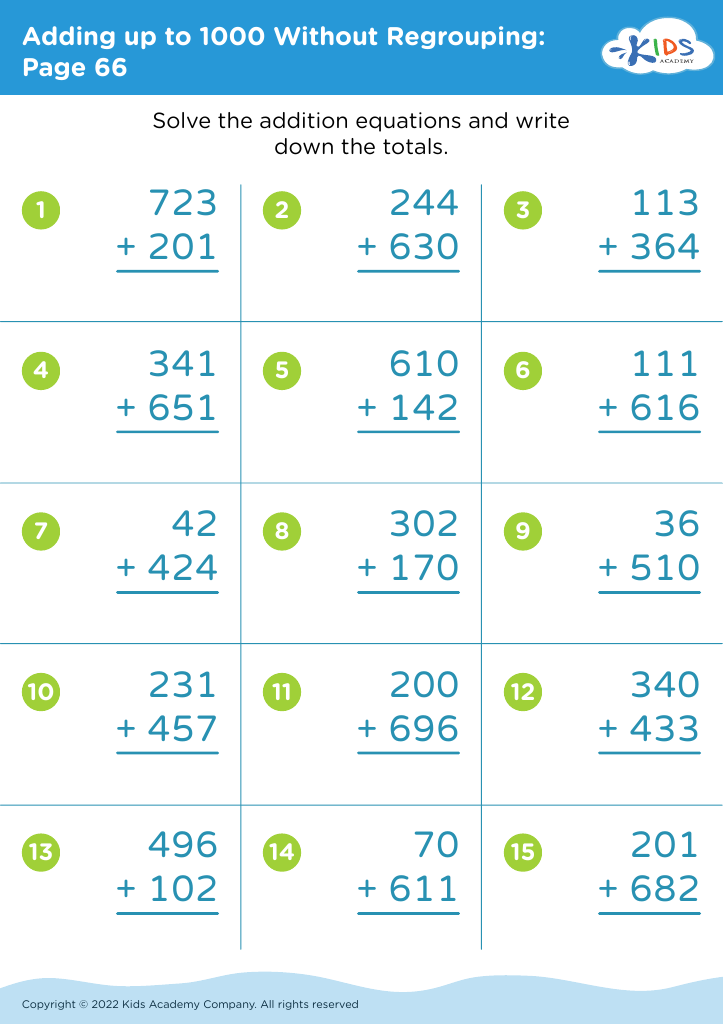
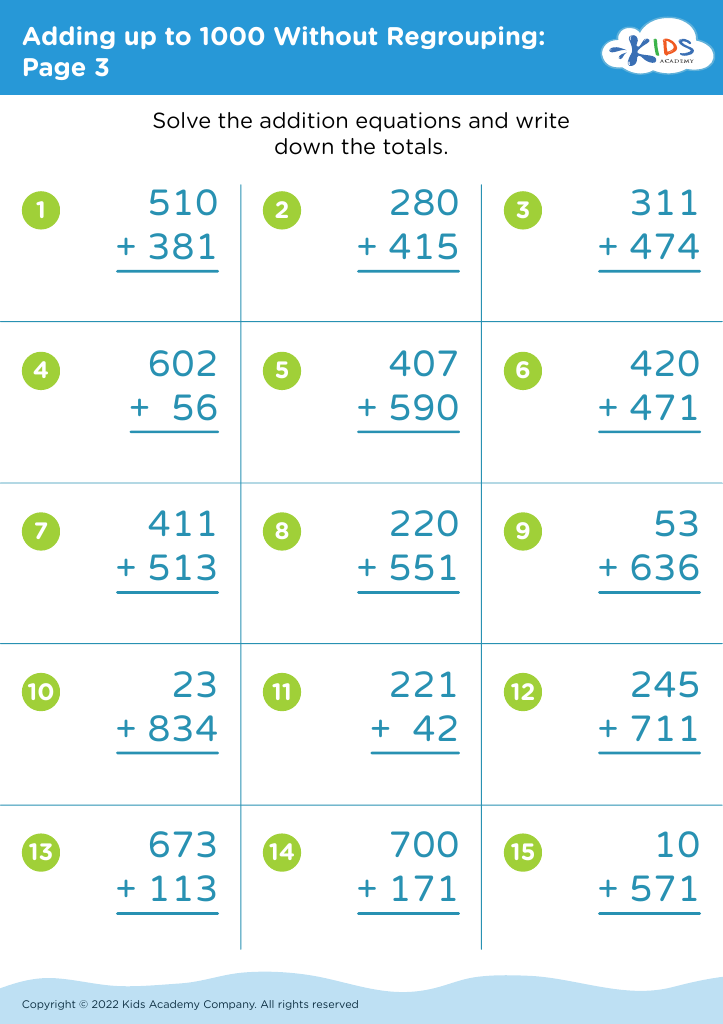
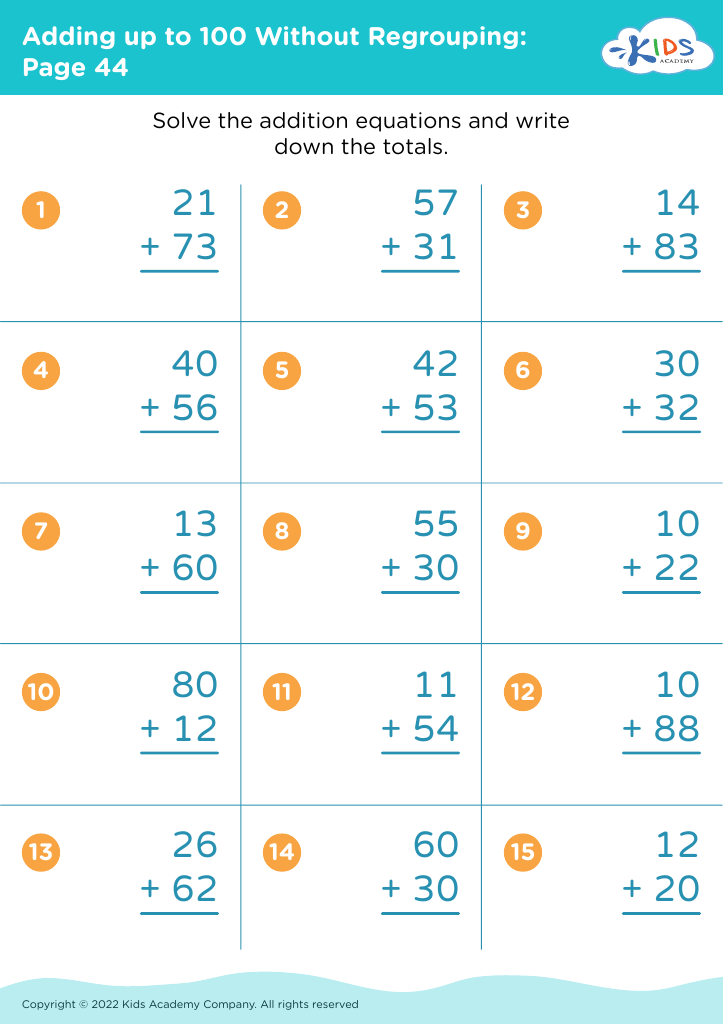
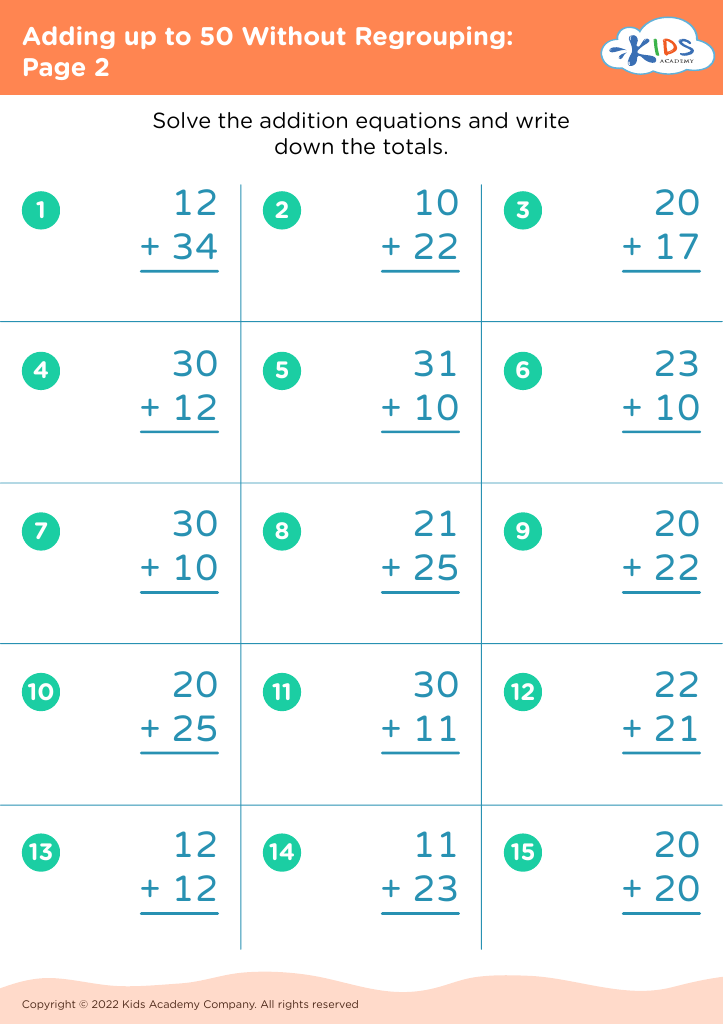








Understanding patterns is crucial for children aged 6-7 as it lays the foundation for essential cognitive and academic skills. At this age, recognizing and creating patterns helps to develop critical thinking and problem-solving skills. When children learn to identify sequences and relationships between objects, numbers, or actions, they are better equipped to understand math concepts such as addition, subtraction, multiplication, and division in later grades.
For example, when children recognize a pattern like alternating colors or shapes, they practice logical thinking and begin to grasp the concept of order and predictability. Engaging with patterns also enhances their ability to make connections, both in mathematics and in understanding natural phenomena, which is fundamental for scientific reasoning.
From a practical perspective, pattern recognition is a stepping stone to mastering more complex tasks. In literacy, recognizing letter patterns aids in phonetic understanding and spelling. In everyday life, patterns help children learn routines and organize their thoughts.
Furthermore, exploring patterns can be a fun and engaging way for children to learn. Activities such as sorting games, rhythmic clapping, or shape sequencing can make learning enjoyable while reinforcing these critical concepts. Therefore, parents and teachers should focus on nurturing this skill to support the overall intellectual development and academic success of children.








