Understanding communities Worksheets for Ages 6-7
5 filtered results
-
From - To
Explore our "Understanding Communities Worksheets" designed for children ages 6-7! These engaging resources help young learners grasp the concept of communities, their roles, and interconnections. Through fun activities, children will discover different community helpers, understand social responsibilities, and recognize the importance of cooperation. Each worksheet is aimed at enhancing critical thinking and fostering social awareness. Perfect for home or classroom use, our worksheets promote hands-on learning and stimulate curiosity about the world around them. Support your child's development in understanding their community with our well-structured, age-appropriate materials that make learning enjoyable and impactful!
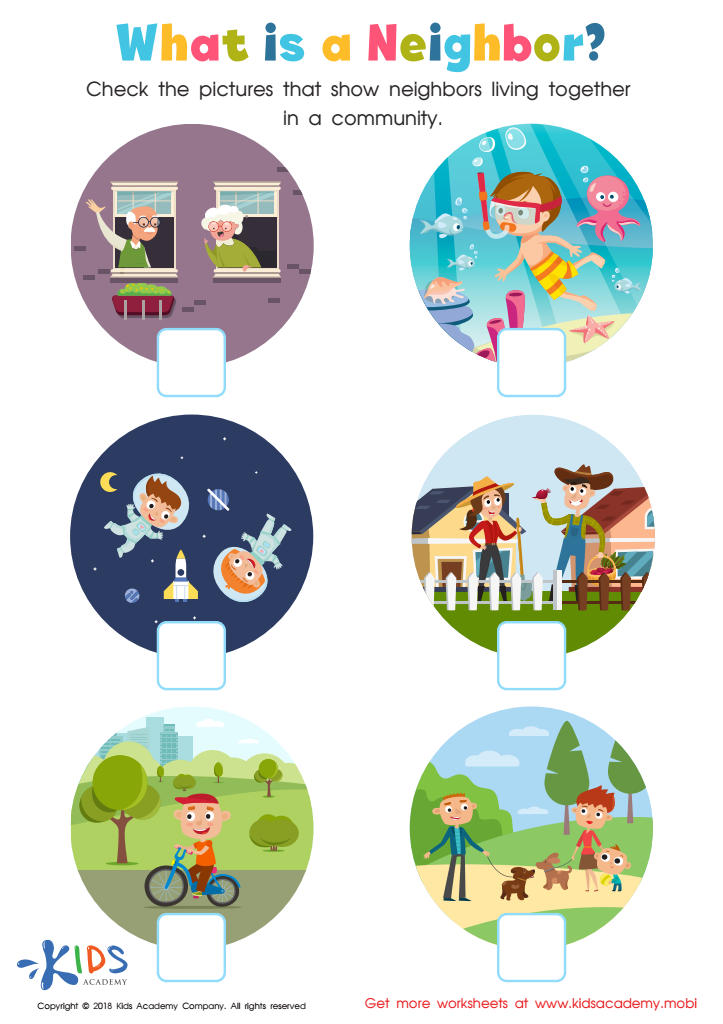
What is a neighbor Worksheet
 Assign to My Students
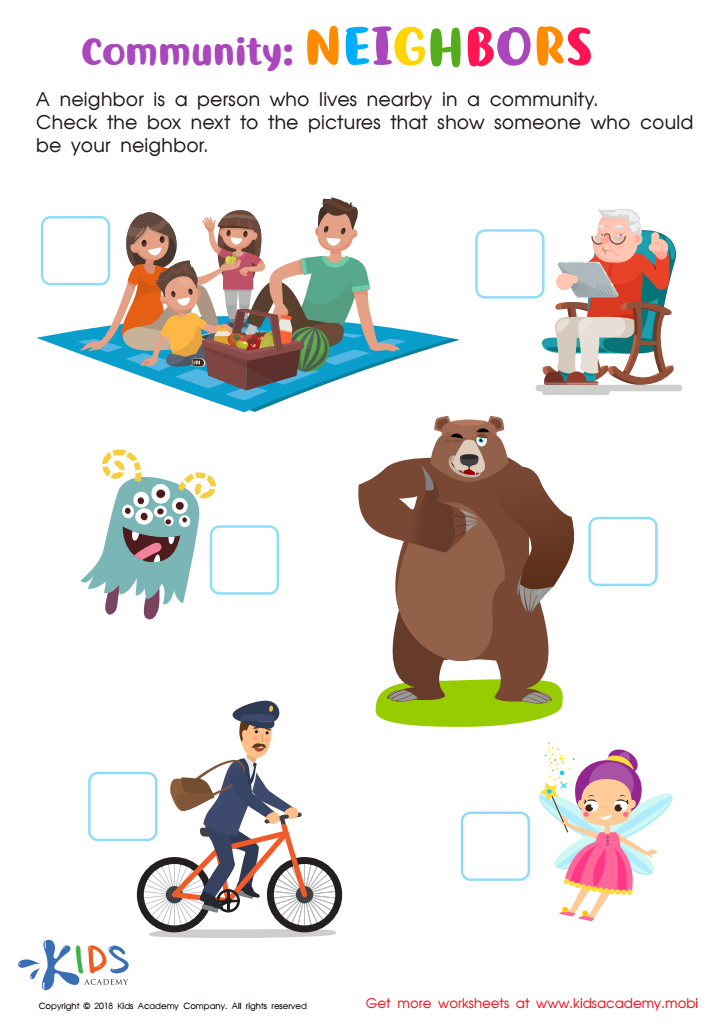
Community: Neighbors Worksheet
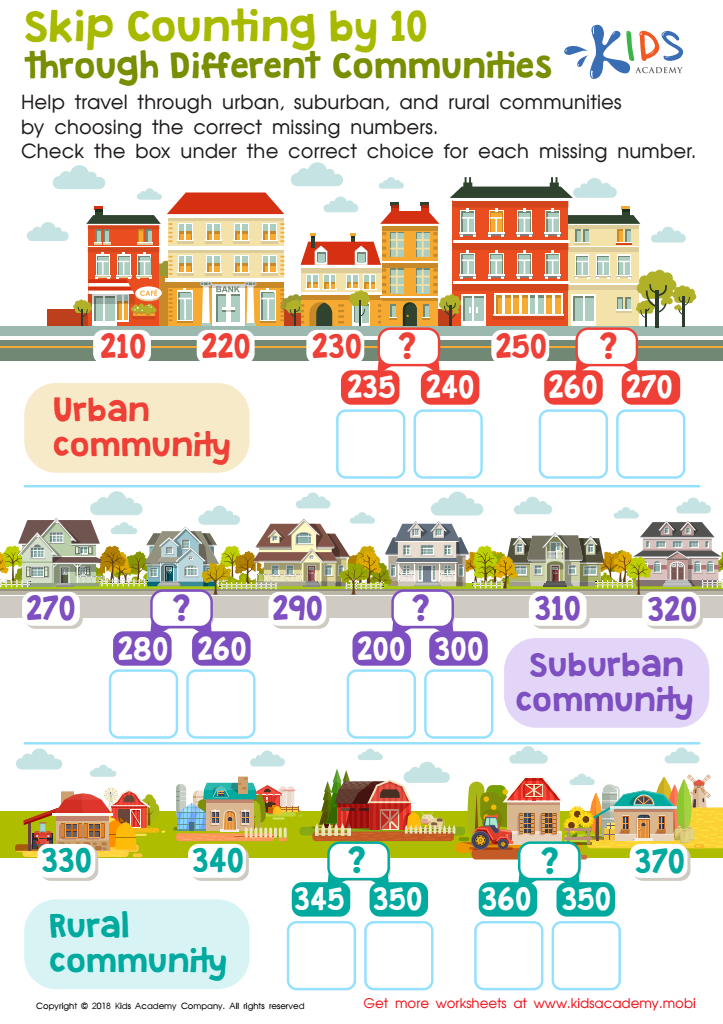
Skip Counting by 10 through Different Communities Worksheet
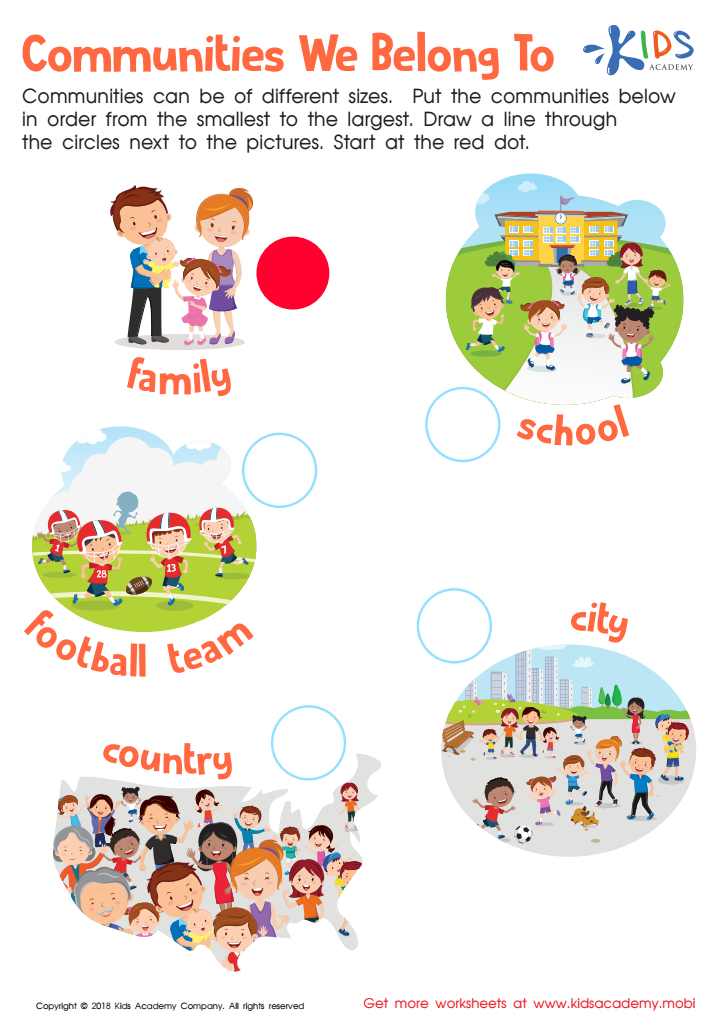
Communities We Belong to Worksheet
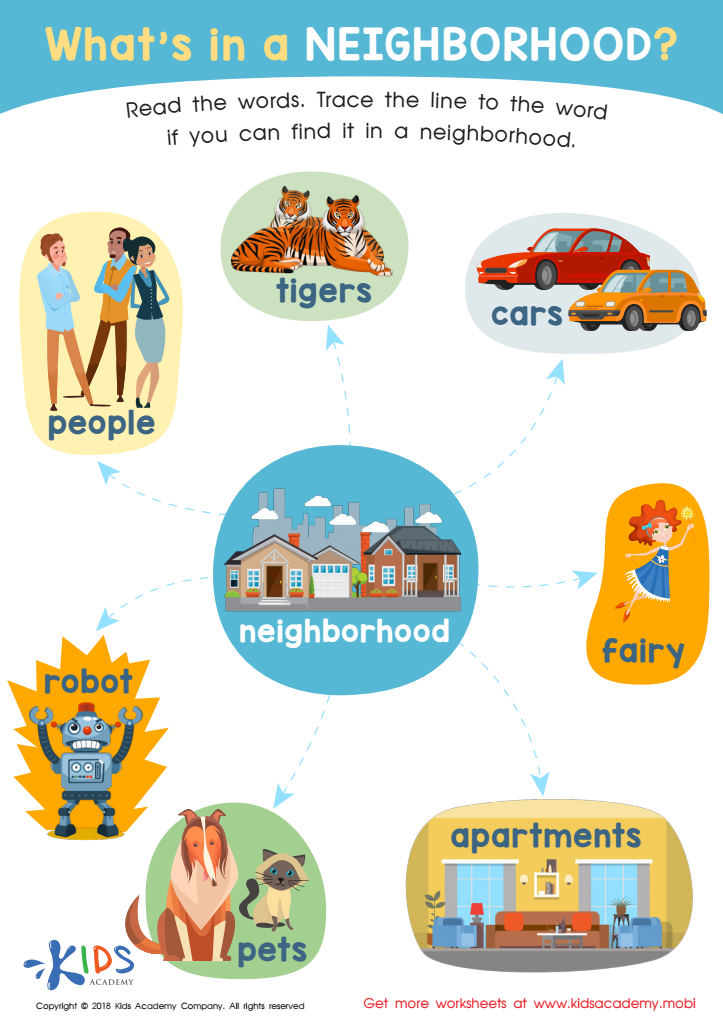
What's in a Neighborhood? Worksheet






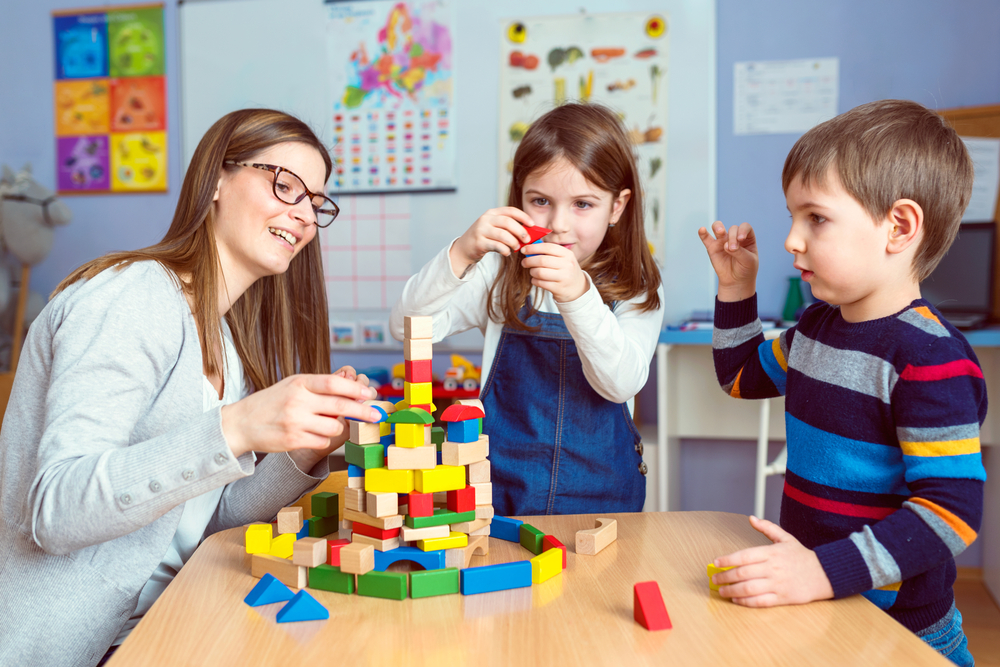

Understanding communities is crucial for children aged 6-7 because it helps them develop a sense of belonging and identity. At this age, children are starting to explore the world beyond their immediate family, and a foundation in community awareness fosters their social development. Parents and teachers play essential roles in this learning process.
Firstly, understanding communities encourages empathy and respect for diversity. Children learn about different cultures, traditions, and perspectives, promoting inclusivity and reducing biases. This is vital as it prepares them to navigate a multicultural world.
Secondly, community knowledge helps children feel secure and connected. When children recognize their place within a larger group, it enhances their emotional well-being. It provides a sense of support, making them more resilient and confident.
Moreover, learning about communities can stimulate curiosity and engagement with their environment. Hands-on experiences, like visiting local landmarks or participating in community events, can make learning dynamic and relevant.
Lastly, understanding community roles – such as teachers, doctors, and volunteers – can inspire future aspirations and instill a sense of responsibility. When parents and teachers prioritize this learning, they contribute to shaping compassionate, engaged citizens for tomorrow.








