Understanding number sequence Worksheets for Ages 6-7
8 filtered results
-
From - To
Explore our "Understanding Number Sequence Worksheets" designed specifically for children aged 6-7. These engaging resources help young learners develop essential math skills by focusing on recognizing and creating number patterns. Through interactive activities, kids will enhance their ability to count, identify sequences, and understand numbers in a fun and captivating way. Perfect for both classroom and home learning, these worksheets cater to various learning styles, ensuring every child grasp the concept of number sequences with confidence. Help your child build a strong mathematical foundation with our user-friendly and enjoyable worksheets today!
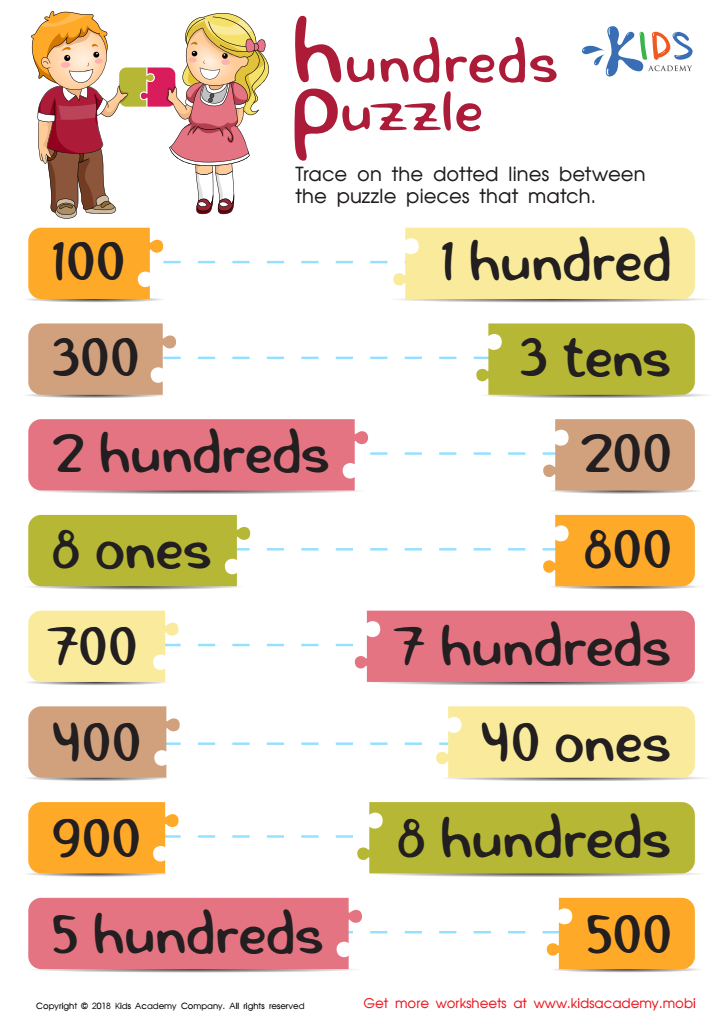
Hundreds Puzzle Worksheet
 Assign to My Students
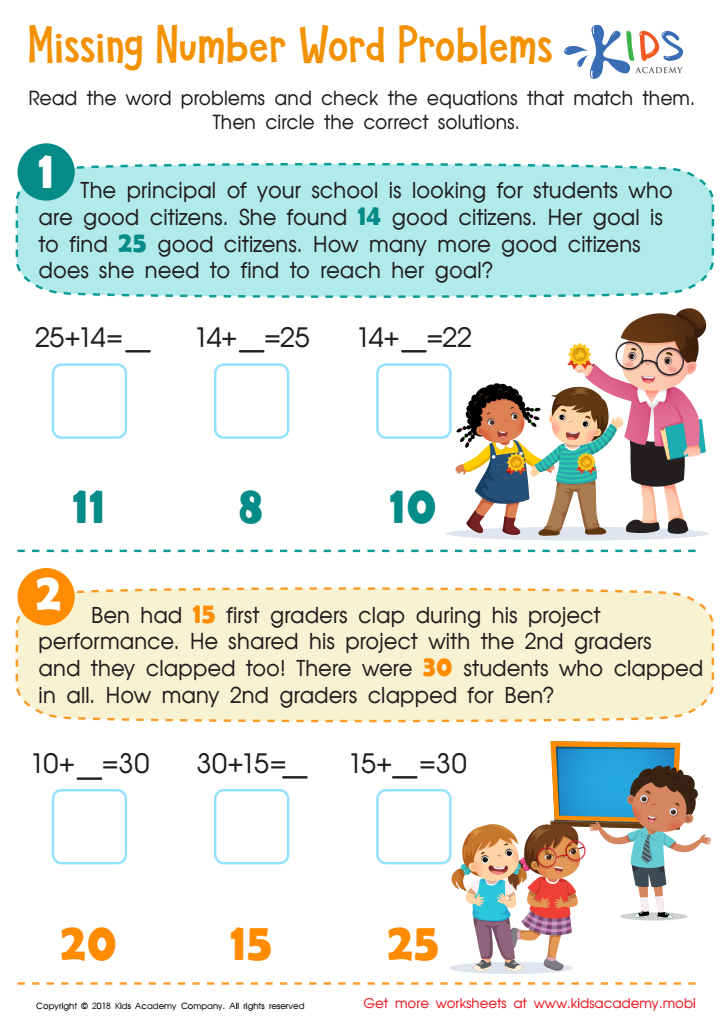
Missing Number Word Problems Worksheet
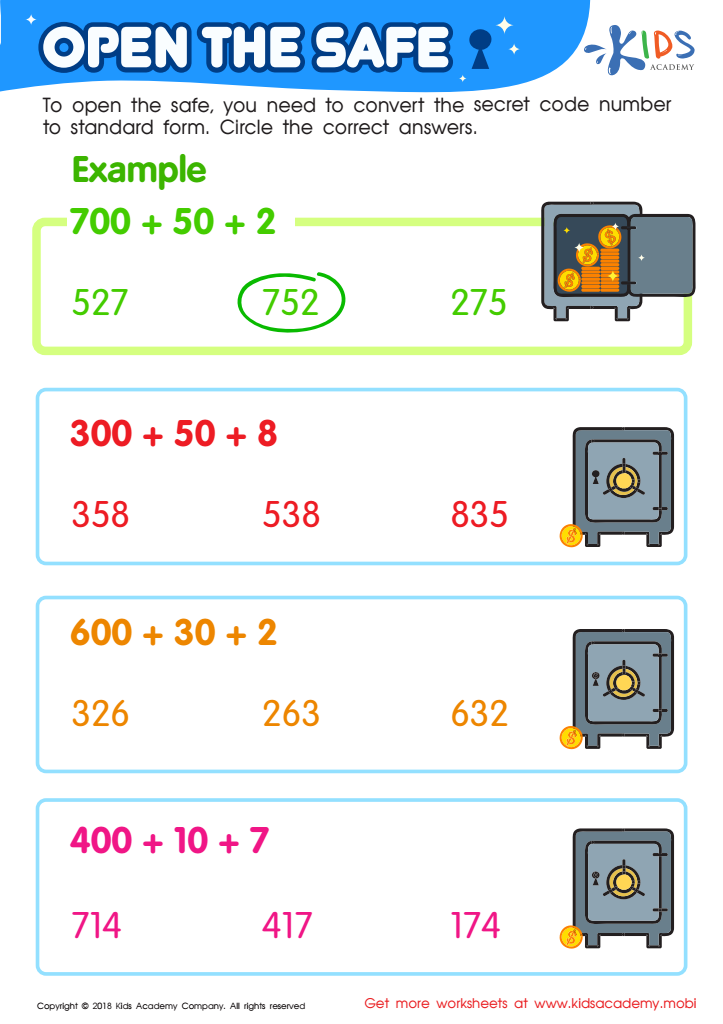
Open the Safe Worksheet
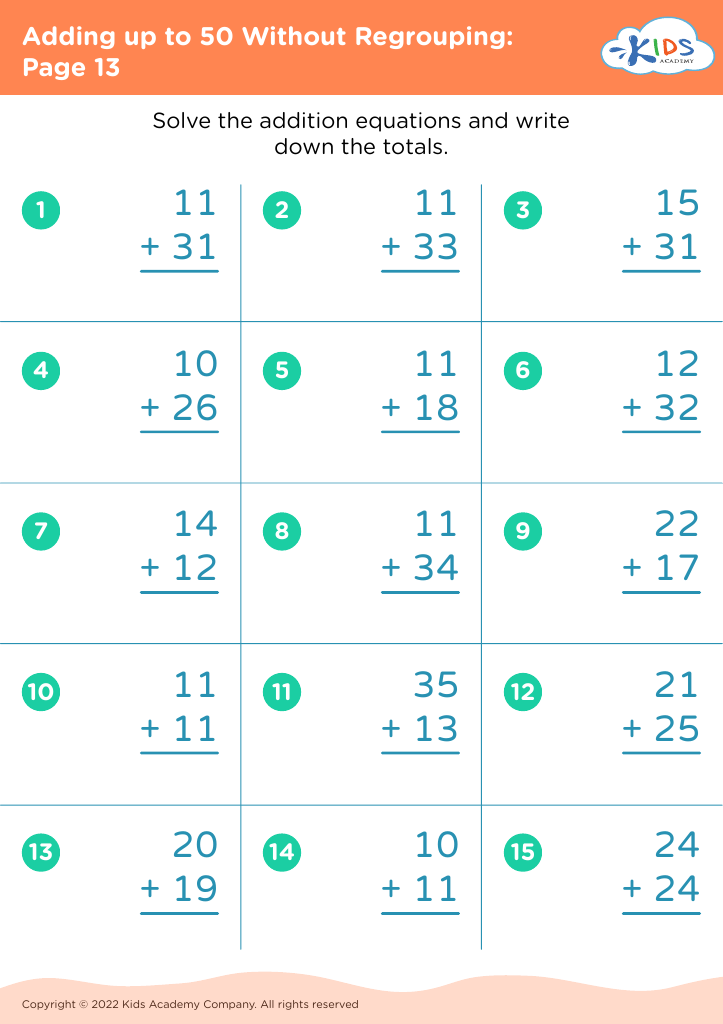
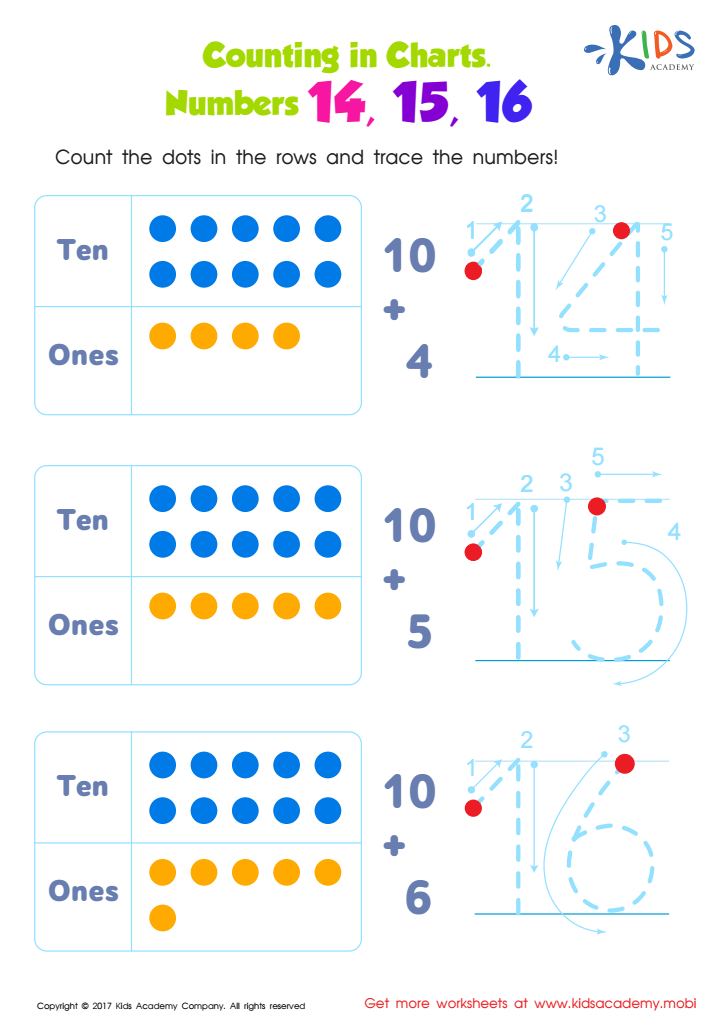
Number Tracing Worksheet





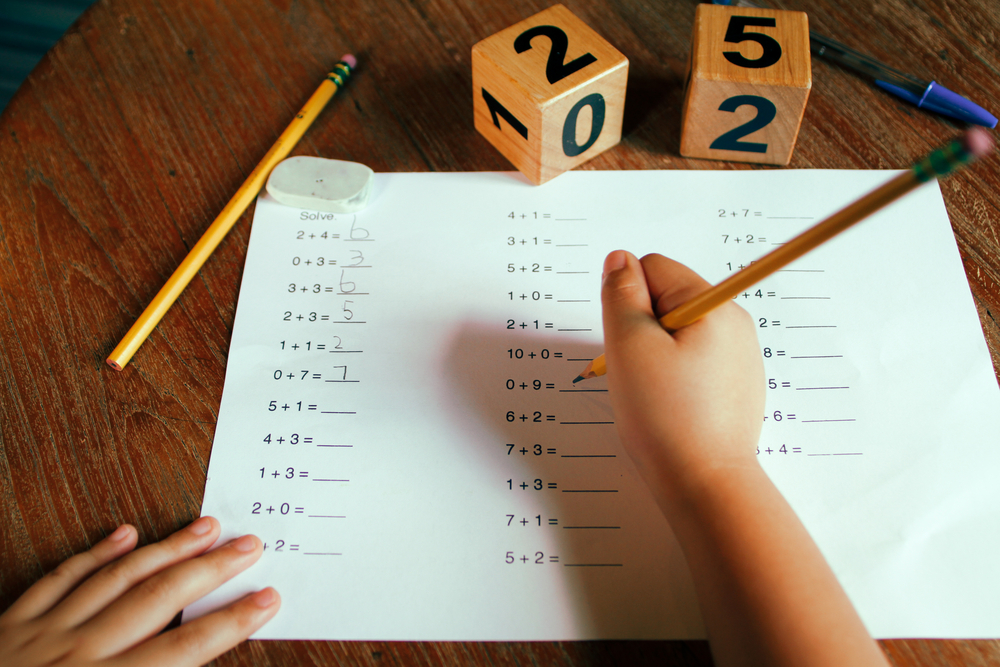


Understanding number sequences is crucial for children aged 6-7 as it lays the foundation for their mathematical reasoning and problem-solving skills. At this developmental stage, children are transitioning from understanding single numbers to recognizing relationships between them. Grasping number sequences, including skip counting and identifying patterns, helps them develop a strong number sense, which is essential for more complex mathematical concepts in later years.
When children understand sequences, they improve their ability to predict outcomes and solve problems, fostering critical thinking. Additionally, number sequences enhance their skills in addition and subtraction, as they become adept at recognizing patterns and relationships between numbers. This foundational knowledge is not just important in mathematics but also in daily life, supporting skills like telling time and understanding basic financial concepts.
For parents and teachers, encouraging proficiency in number sequences can build confidence in children's abilities and enhance engagement in learning. It prepares them for the challenges they will face in higher grades. By investing time in teaching number sequences, caregivers can support their child's overall cognitive development and promote a positive attitude towards mathematics, setting them up for success in school and beyond.








