Visual-motor skills Worksheets for Ages 6-7
3 filtered results
-
From - To
Enhance your child's visual-motor skills with our engaging worksheets designed specifically for ages 6-7. These activities focus on improving hand-eye coordination, fine motor skills, and overall visual perception, essential for academic success and everyday tasks. Our worksheets offer a variety of fun exercises, from tracing and drawing to connecting dots and completing patterns, aimed at boosting your child's confidence while promoting creativity. Perfect for homeschooling, classroom use, or extra practice at home, these resources will provide your young learners with the foundation they need for writing, art, and sports. Keep learning enjoyable and interactive with our visual-motor skills worksheets!
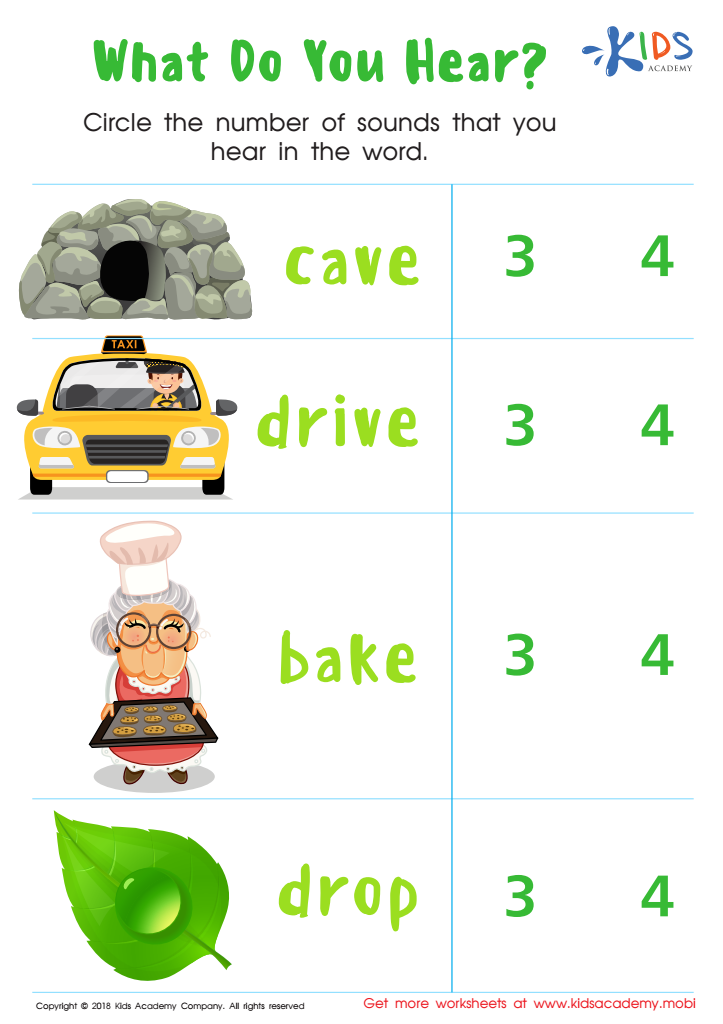
What Do You Hear? Worksheet
 Assign to My Students
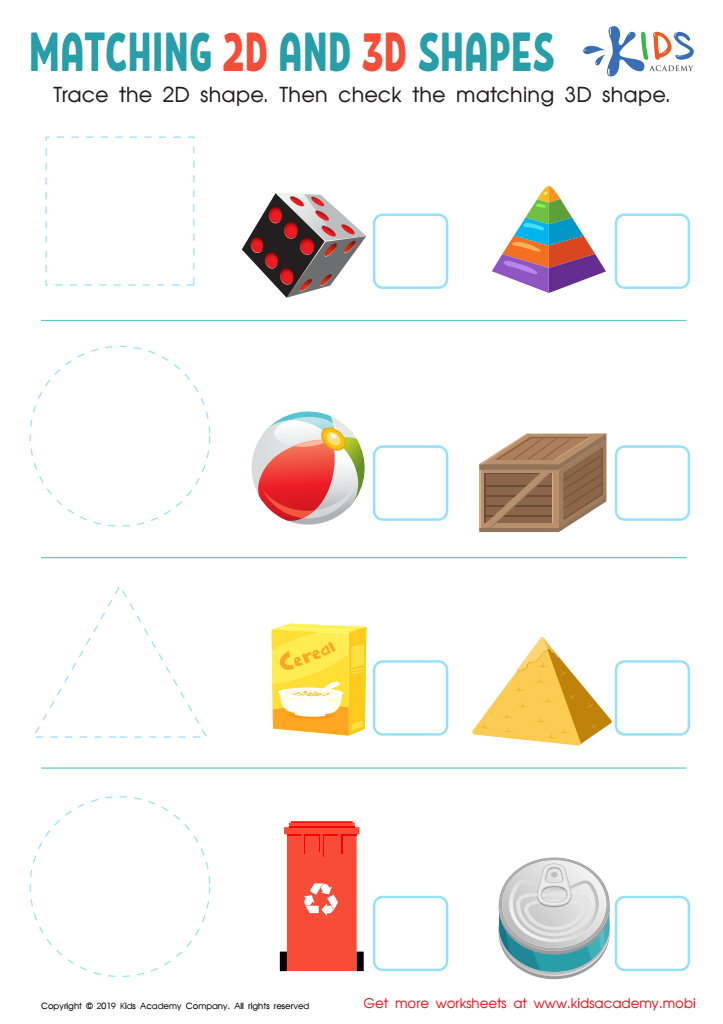
Matching 2D and 3D Shapes Worksheet
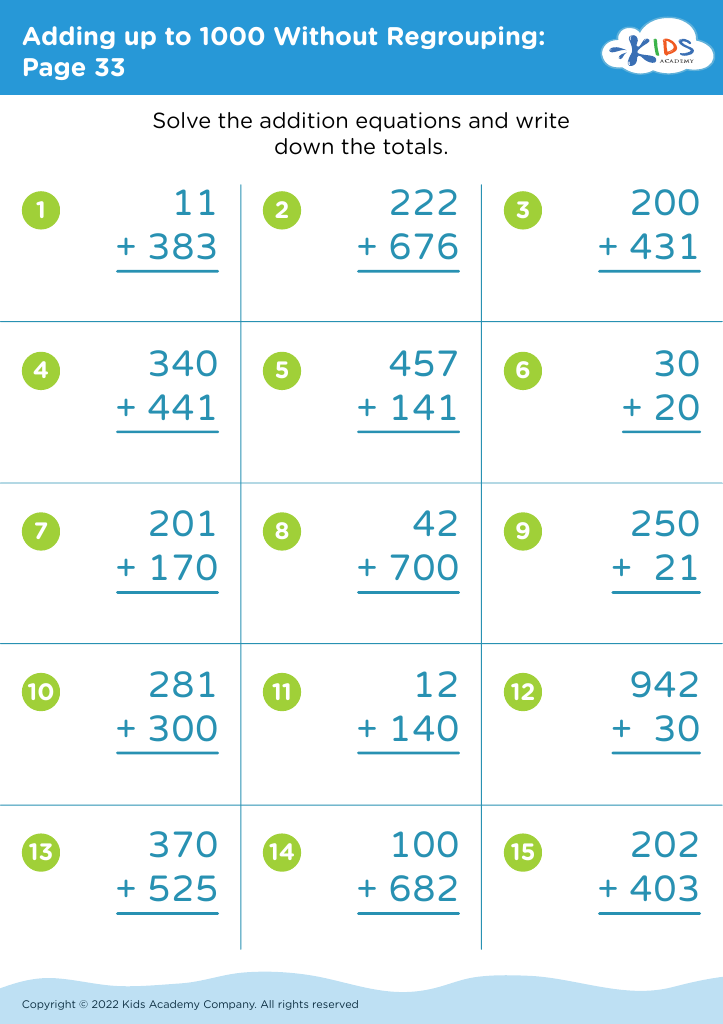




.jpg)
Visual-motor skills are vital for children aged 6-7 as they underpin many essential activities and learning processes. These skills involve the coordination of visual perception and motor actions, enabling children to translate what they see into purposeful movements. For example, visual-motor skills are crucial when children are learning to write, as they need to see the paper and accurately control their hand movements to form letters.
Developing strong visual-motor skills also supports other academic tasks, such as cutting with scissors, drawing, and participating in sports, all of which require precise coordination and timing. Furthermore, children with well-developed visual-motor skills may find it easier to complete puzzles, recognize patterns, and participate in various classroom interactions, enhancing their overall learning experiences.
When parents and teachers prioritize the growth of visual-motor skills, they contribute to a child’s confidence and competence in their abilities. This focus helps create a foundation for future learning challenges and personal development, ultimately fostering a positive attitude toward education. Helping children to enhance these skills can boost their academic performance, social interactions, and skill acquisition in extracurricular activities, providing lifelong benefits beyond the classroom.








