Writing practice Worksheets for Ages 6-7 - Page 2
28 filtered results
-
From - To
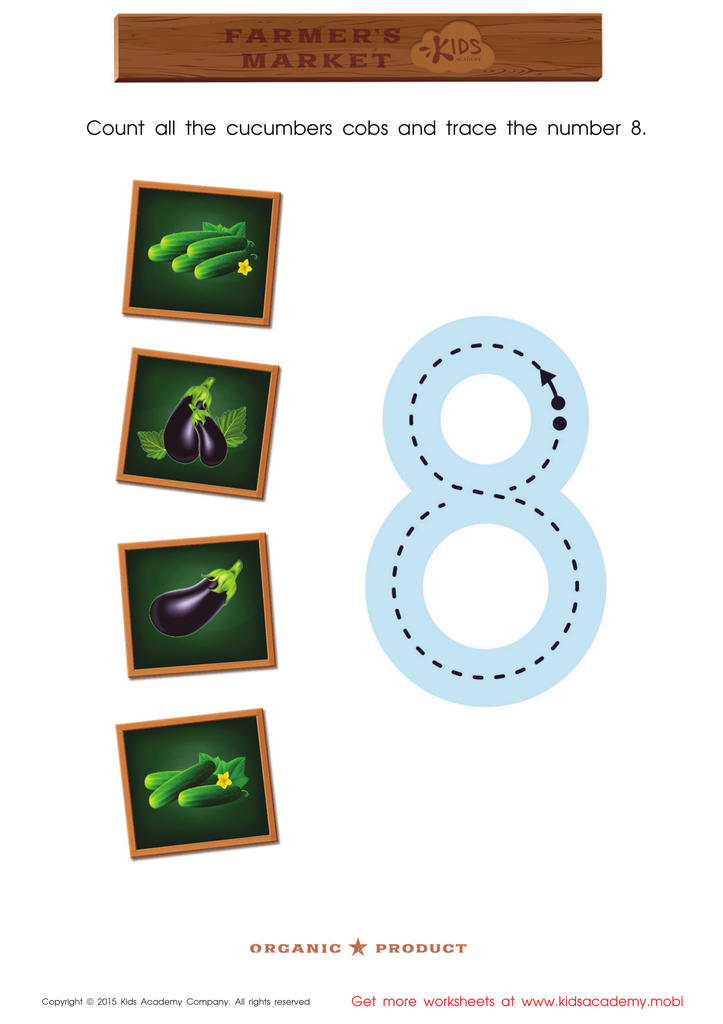
Count the Cucumbers and Trace the Number 8 Printable
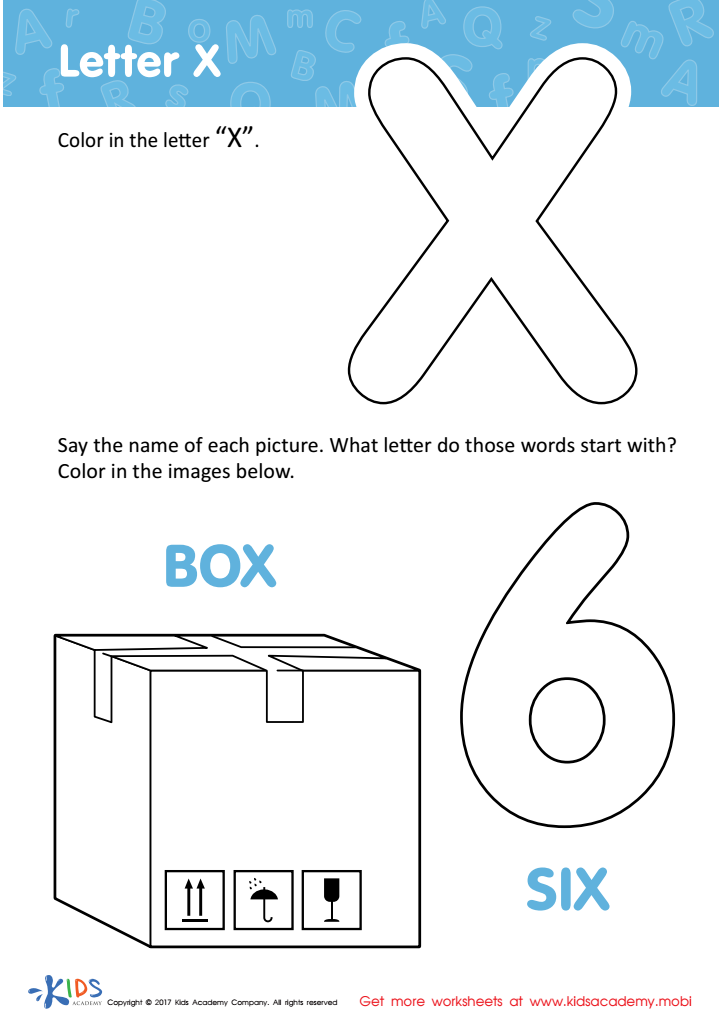
Letter X Coloring Sheet
 Assign to My Students
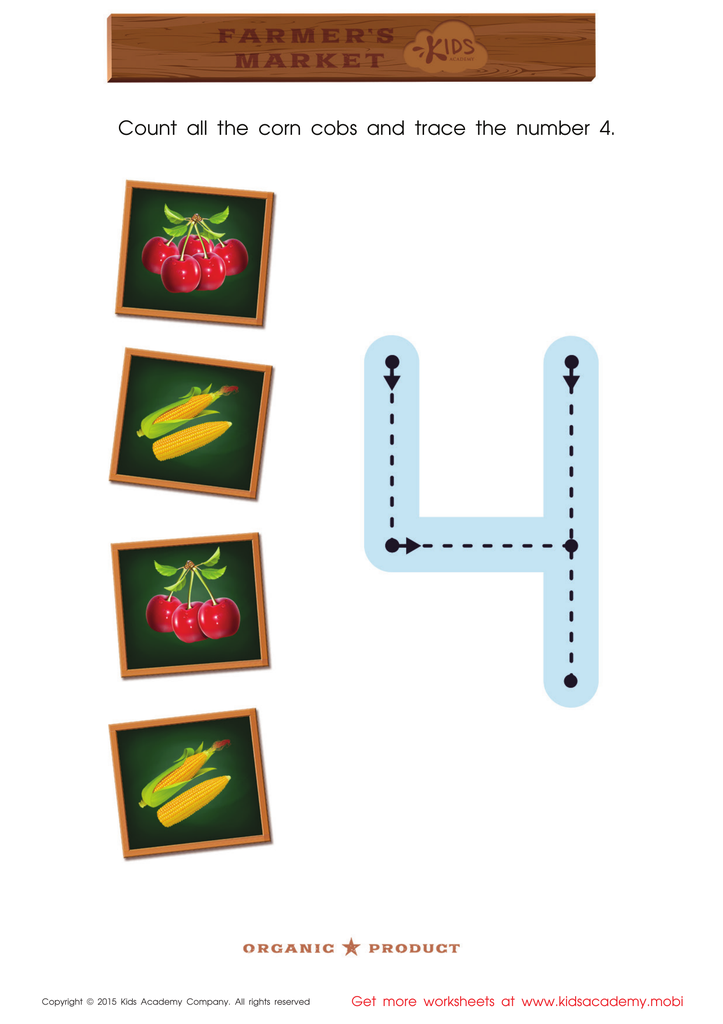
Count the Corncobs and Trace the Number 4 Worksheet








Writing practice for children aged 6-7 is crucial for their overall development and learning. At this age, children are transitioning from learning to read to reading to learn, making writing a fundamental skill for their future academic success. Engaging in writing helps enhance cognitive abilities, as children organize their thoughts and express ideas clearly.
Furthermore, writing practice boosts fine motor skills and hand-eye coordination, essential for tasks beyond school, such as typing or even everyday activities. It fosters creativity and imagination, enabling children to explore their feelings, thoughts, and experiences in a structured way. This creative expression is vital for emotional development and building confidence.
From a social perspective, sharing written work encourages communication skills and promotes interaction among peers, which contributes to friendship-building and teamwork. Writing often grounds children in their communities, helping them learn to express their identity and understand their emotions.
Teachers and parents play a pivotal role in nurturing a positive attitude towards writing by providing supportive environments, encouragement, and opportunities for practice. Investing time in writing practice not only enhances literacy but also imbues children with essential life skills that prepare them for diverse experiences in and beyond school.








