Addition of fractions Addition & Subtraction Worksheets for Ages 6-7
3 filtered results
-
From - To
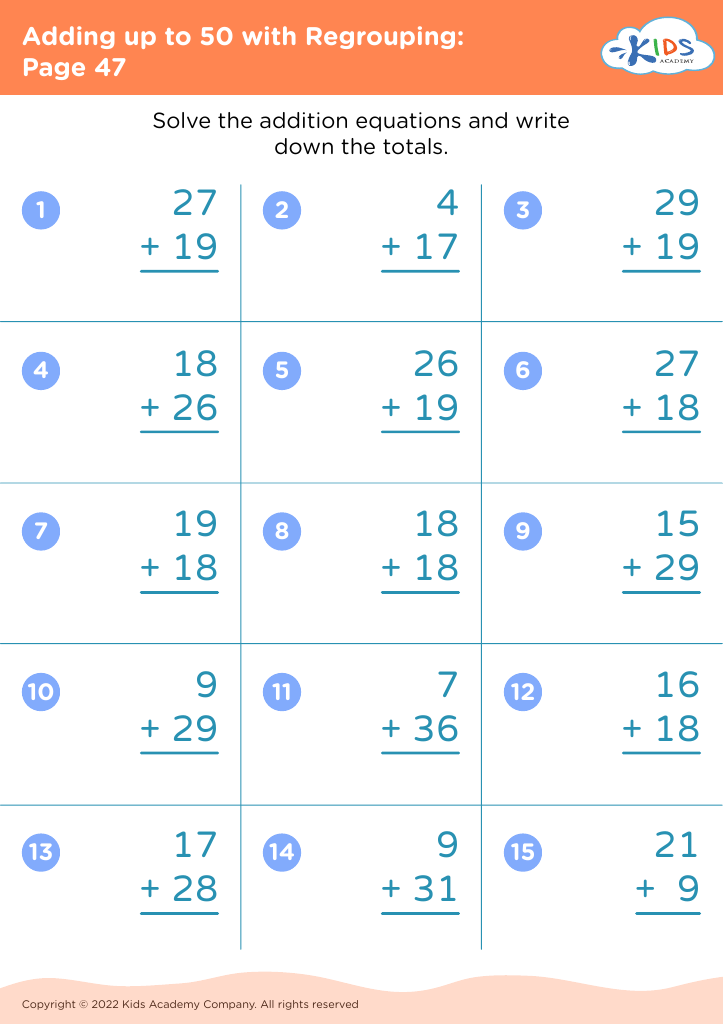
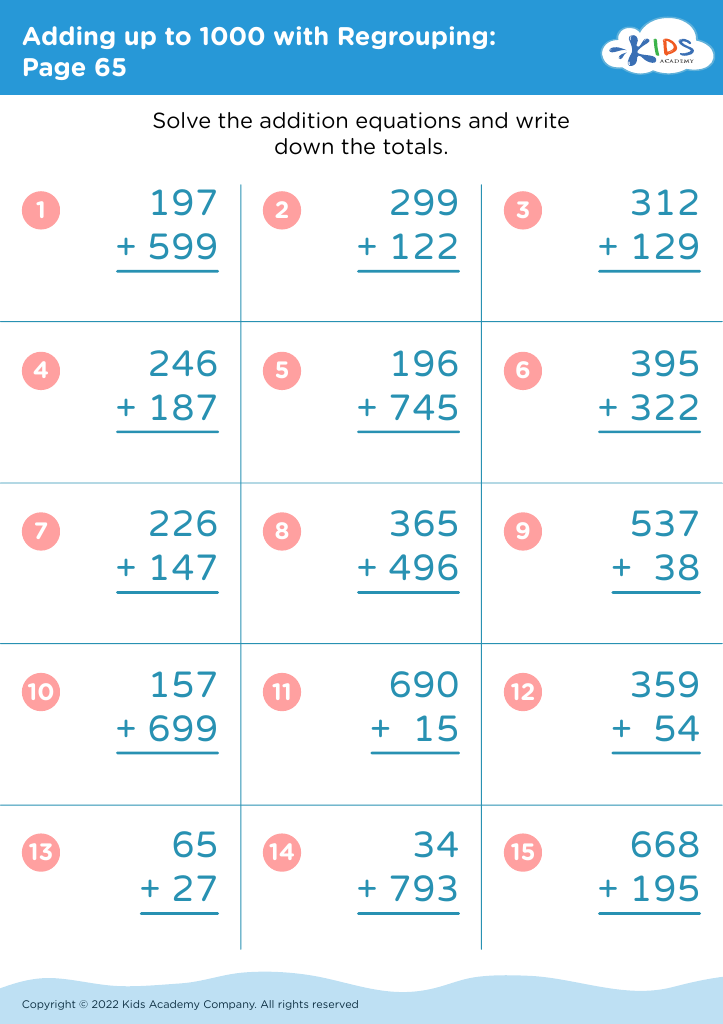
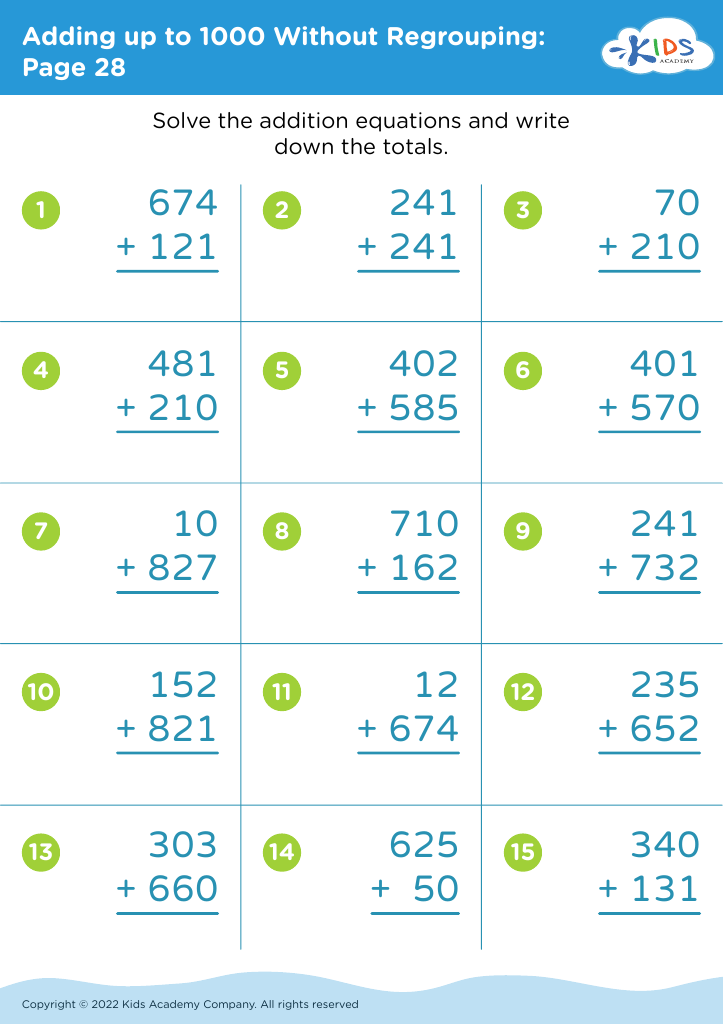
Discover our engaging Addition of Fractions worksheets designed for children aged 6-7. These resources help young learners grasp the concept of adding fractions through vibrant illustrations and interactive exercises. Each worksheet introduces simple fraction addition in a fun way, making it easier for children to enhance their math skills. With step-by-step guidance, kids will gain confidence in handling fractions, ultimately building a strong foundation for future math concepts. Ideal for parents and teachers seeking to make learning enjoyable, our worksheets ensure kids develop a solid understanding of this crucial mathematical skill while having fun!








Understanding addition and subtraction of fractions is essential for children aged 6 to 7, as it forms a critical building block for their future mathematical learning. At this stage, kids are developing their number sense and problem-solving skills, and introducing them to fractions fosters a deeper understanding of parts of a whole, which is fundamental in everyday life.
Parents and teachers should care about this topic because mastering these concepts enhances children's critical thinking, enabling them to solve problems that involve real-life scenarios, such as cooking or sharing activities. Learning to add and subtract fractions lays the foundation for more advanced math skills, including decimal and percentage understanding, which they will encounter in later grades.
Additionally, mastering fractions helps build confidence in children, making them more enthusiastic and resilient as they face more complex mathematical challenges. As they grasp these foundational concepts, children strengthen their ability to think logically and work collaboratively with peers, thereby promoting social skills.
Ultimately, investing time and effort in teaching children about the addition and subtraction of fractions at this young age will benefit their academic growth and foster a lifelong love for learning mathematics.








