Enhances number recognition Addition & Subtraction Worksheets for Ages 6-7
4 filtered results
-
From - To
Discover our engaging "Enhances Number Recognition Addition & Subtraction Worksheets" designed specifically for children aged 6-7. These fun and interactive worksheets boost essential math skills while reinforcing number recognition. With a variety of colorful exercises, students will practice identifying numbers and mastering addition and subtraction concepts. Whether in the classroom or at home, these worksheets provide a fantastic opportunity for young learners to build confidence in math. Perfect for supplementing lessons or used for independent practice, each worksheet is crafted to keep students motivated and eager to learn! Start your child's mathematical journey today with our expertly designed resources.
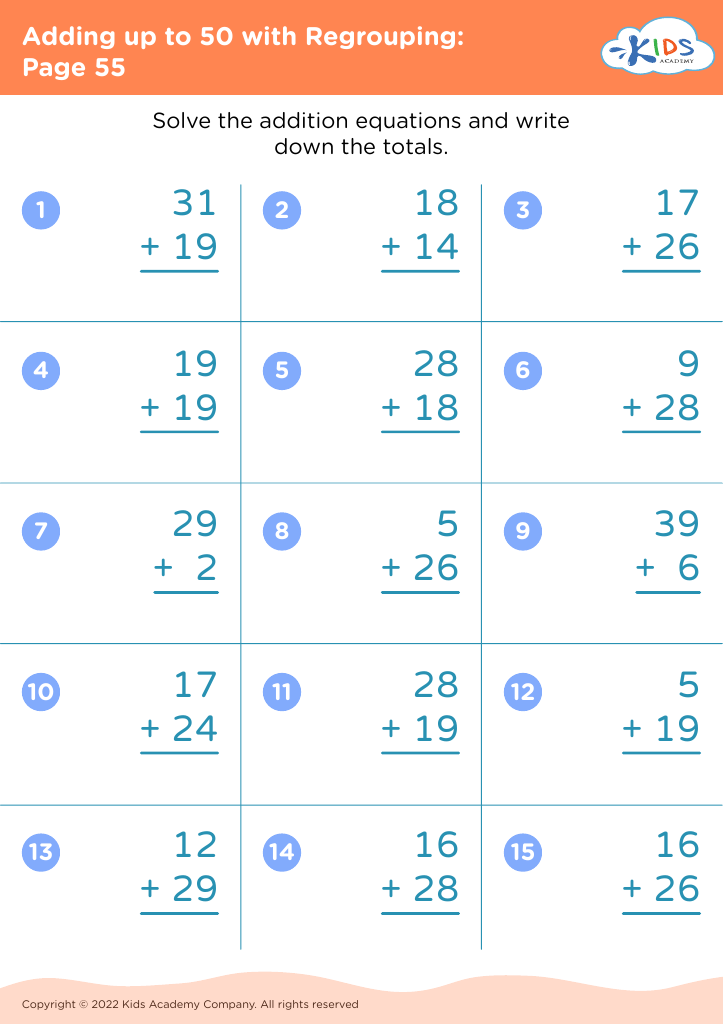
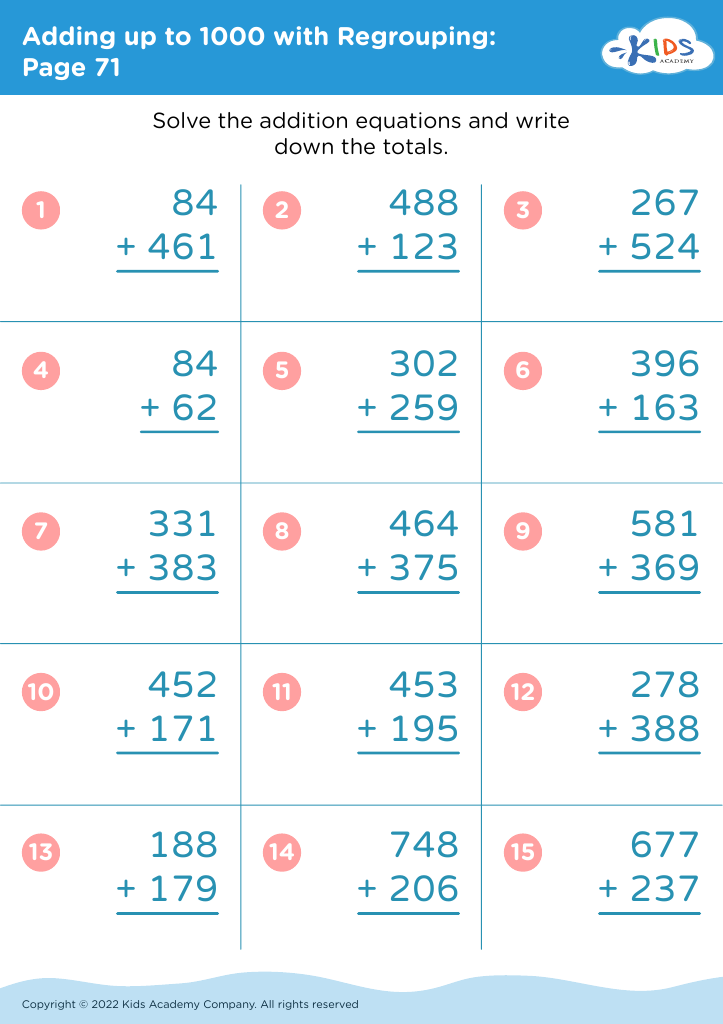
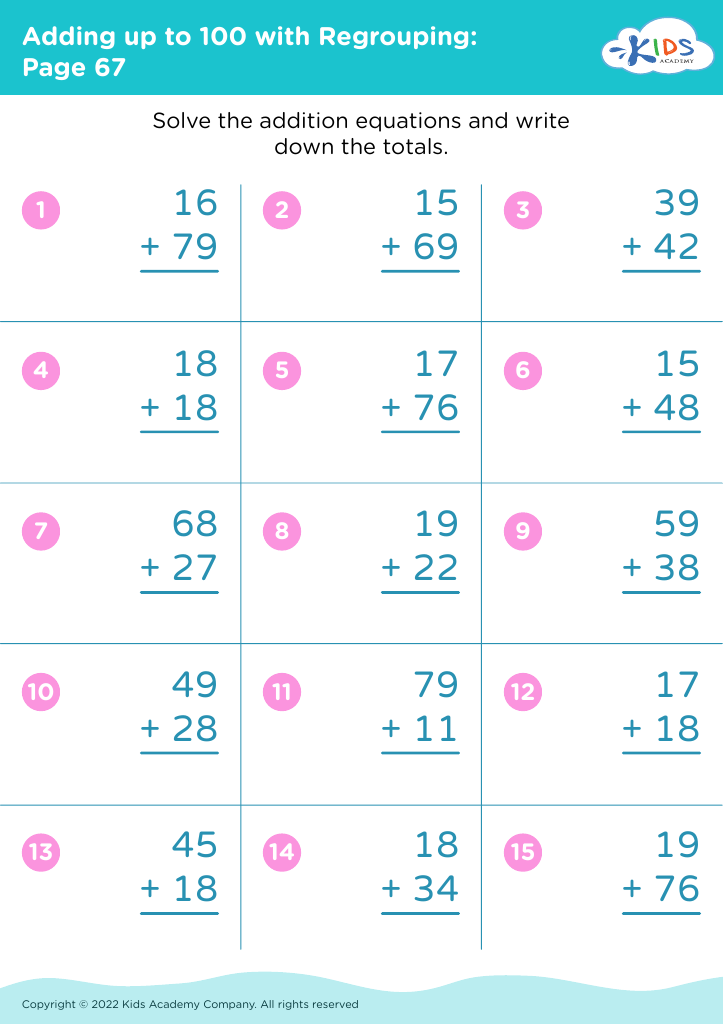
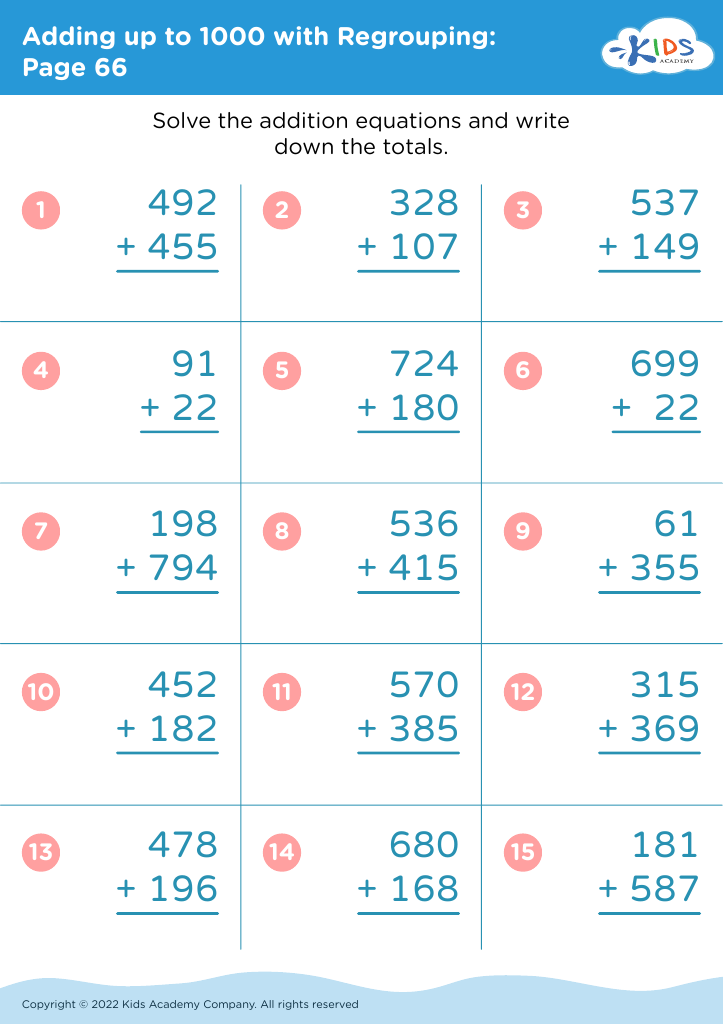








Enhancing number recognition, addition, and subtraction skills for children aged 6-7 is crucial for their overall mathematical development. During this formative stage, children are transitioning from basic understanding to higher-level thinking in mathematics. Mastery of these fundamental concepts builds a solid foundation, aiding in future learning.
Strong number recognition is essential as it allows children to easily identify and work with numbers, fostering confidence in their mathematical abilities. Additionally, reliable skills in addition and subtraction are vital as they underpin more complex operations, such as multiplication and division, that children will encounter later on.
Moreover, proficiency in these areas supports other subjects, including science and finance, where mathematical concepts are often applied. It also plays a significant role in developing problem-solving skills and logical reasoning, which are important for everyday life.
As such, parents and teachers should create engaging, interactive learning experiences that promote these skills, encourage daily practice, and celebrate progress. By prioritizing number recognition and basic arithmetic, they are not only enhancing children's academic performance but also nurturing their ability to think critically and prepare them for a successful educational journey ahead.








