Fine Motor Skills Addition & Subtraction Worksheets for Ages 6-7 - Page 2
48 filtered results
-
From - To
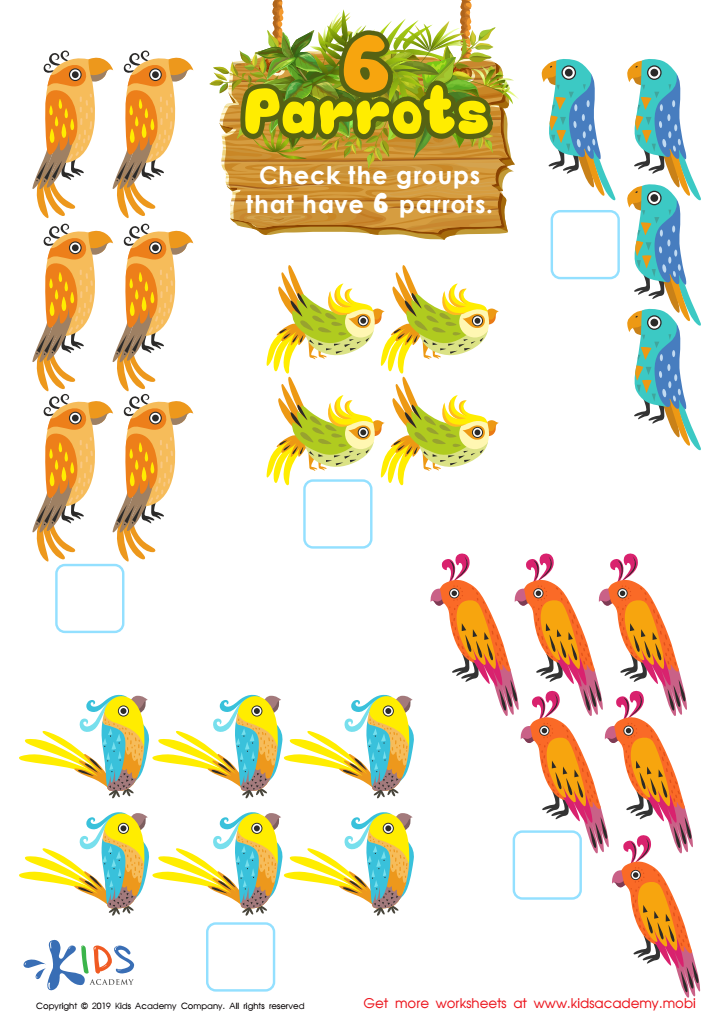
6 Parrots Worksheet
 Assign to My Students
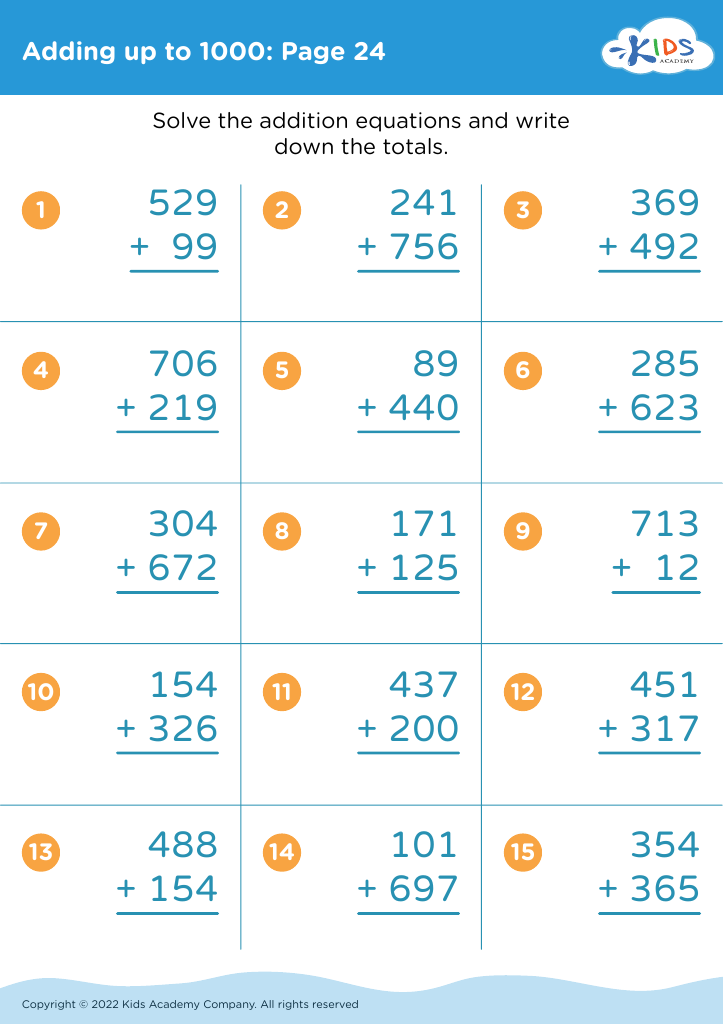
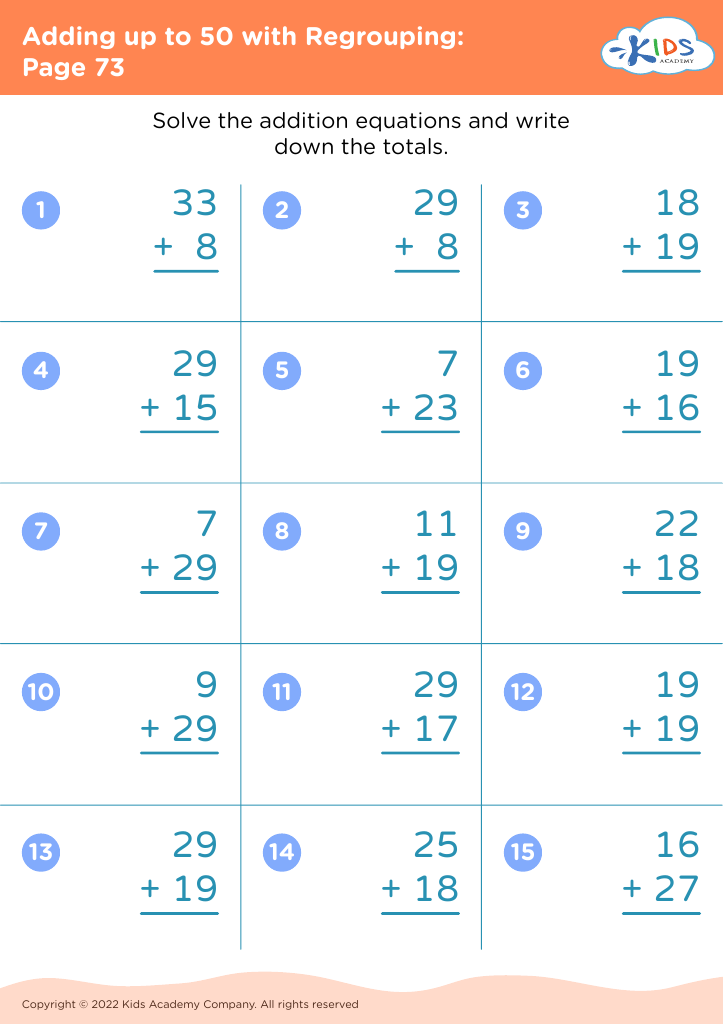
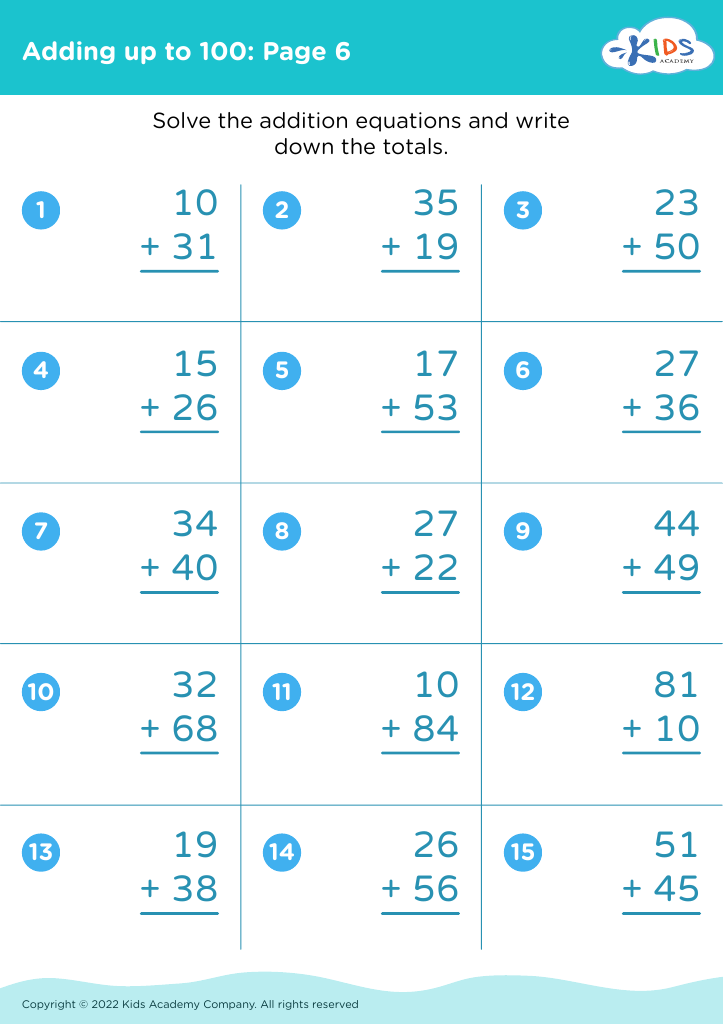
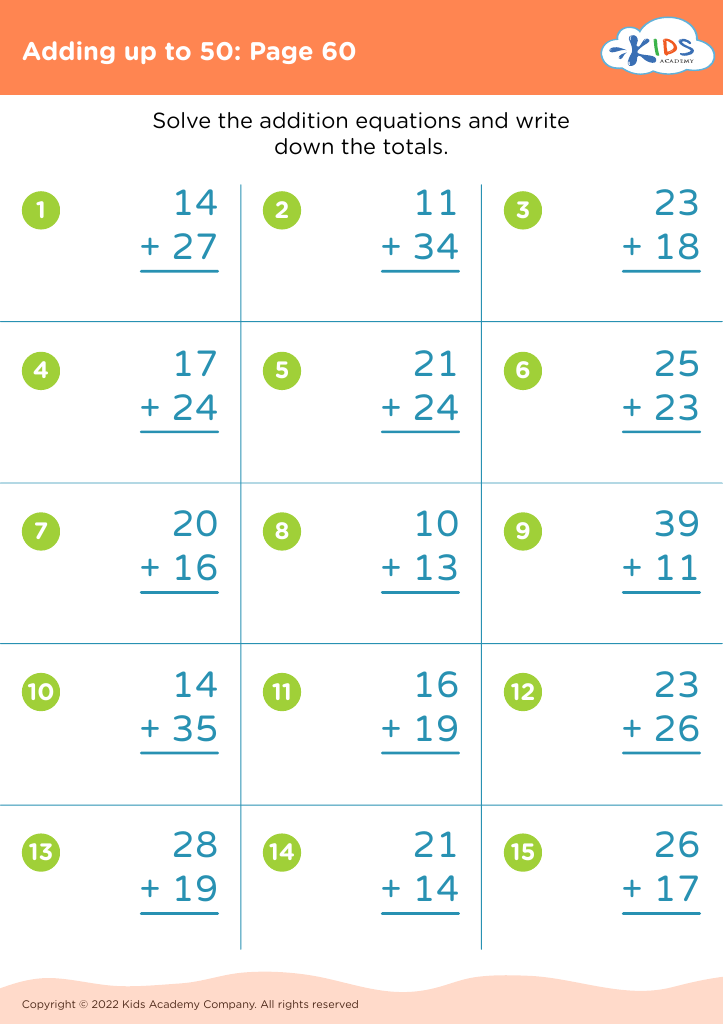
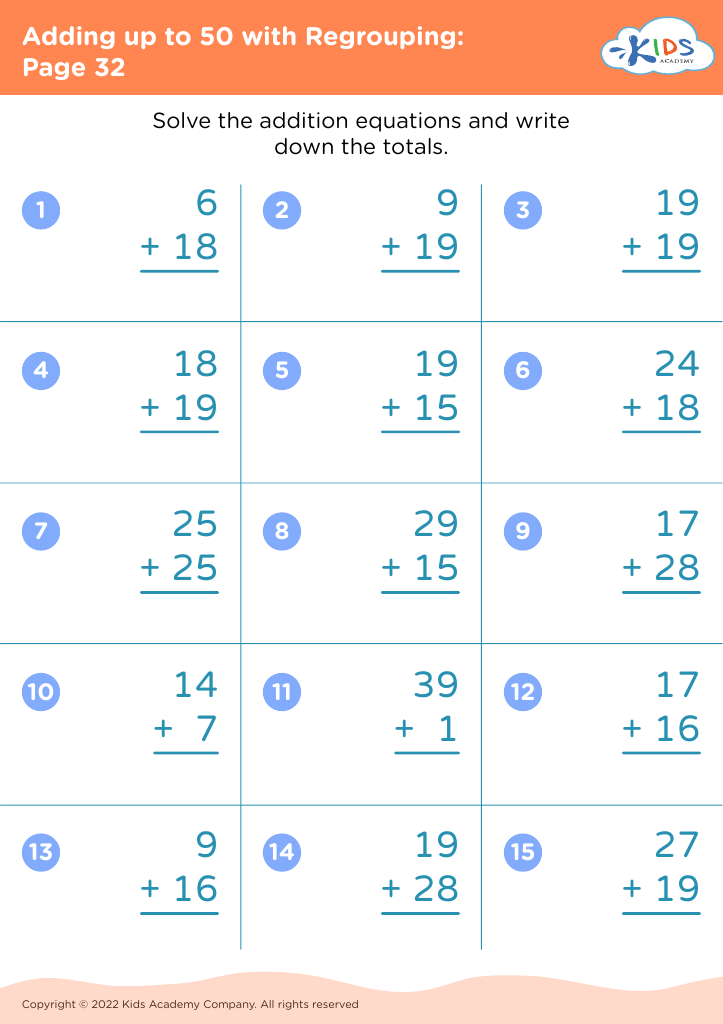
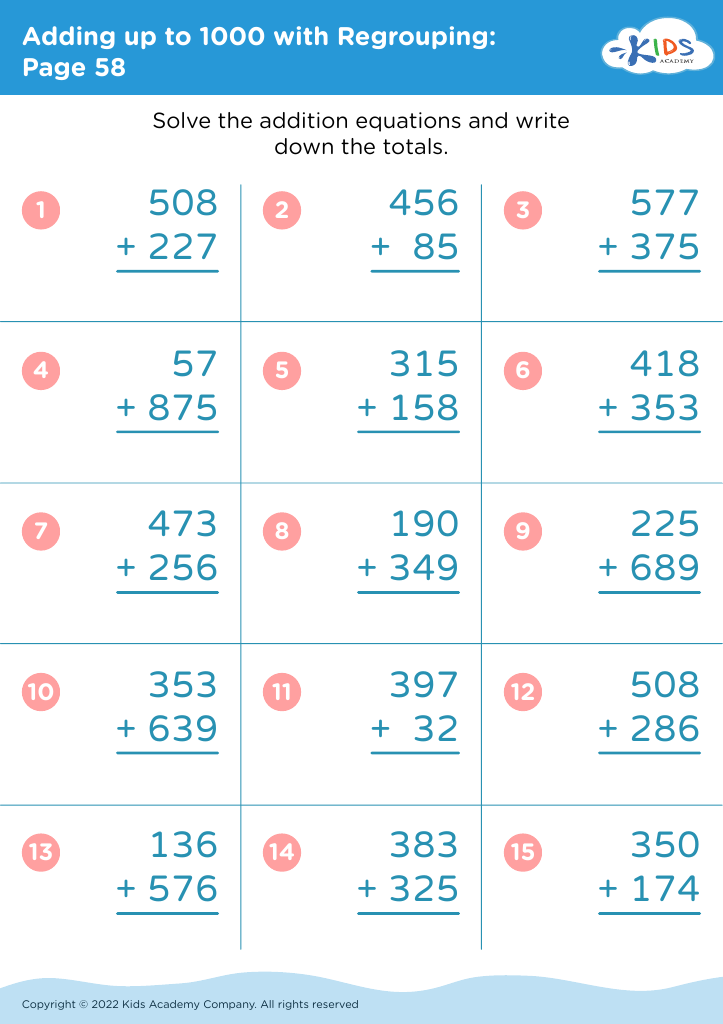
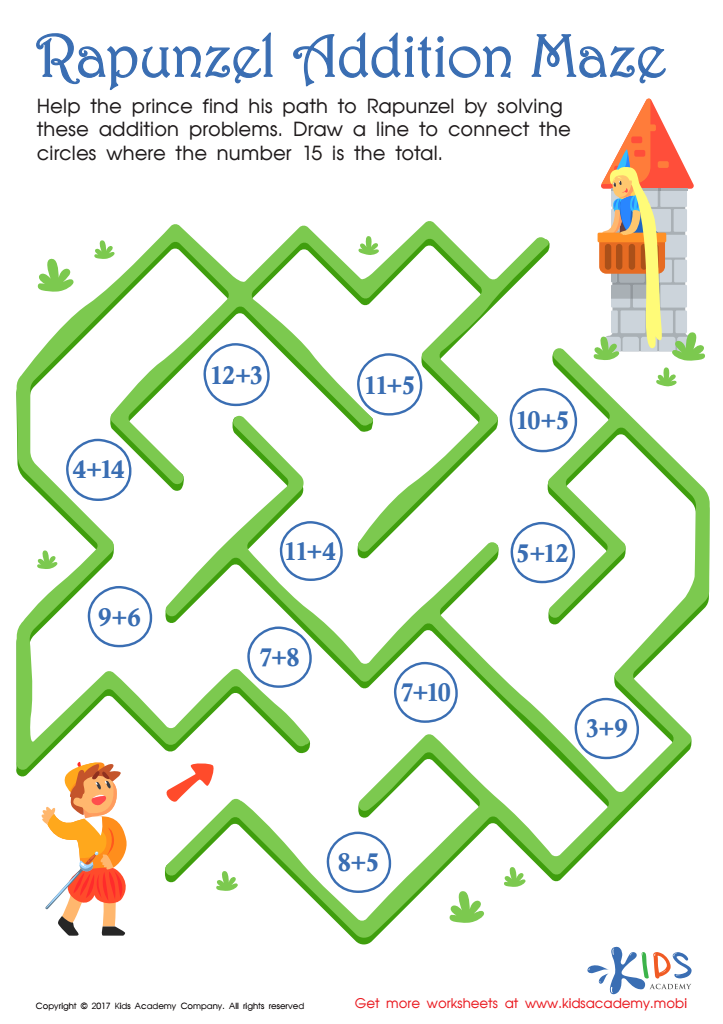
Rapunzel Addition Maze Worksheet
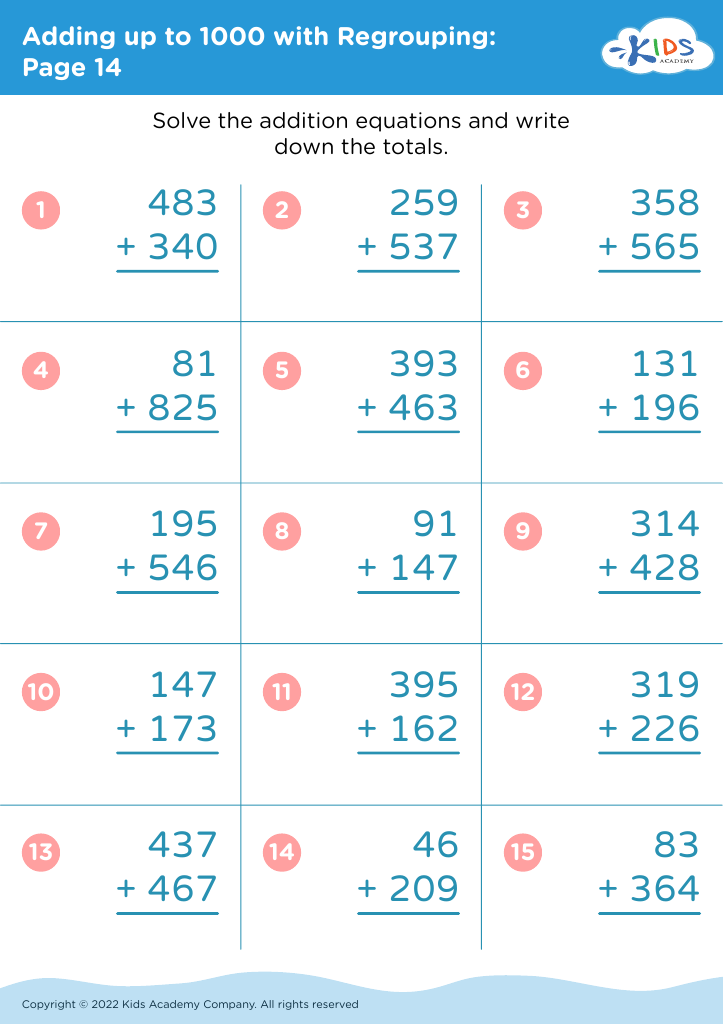
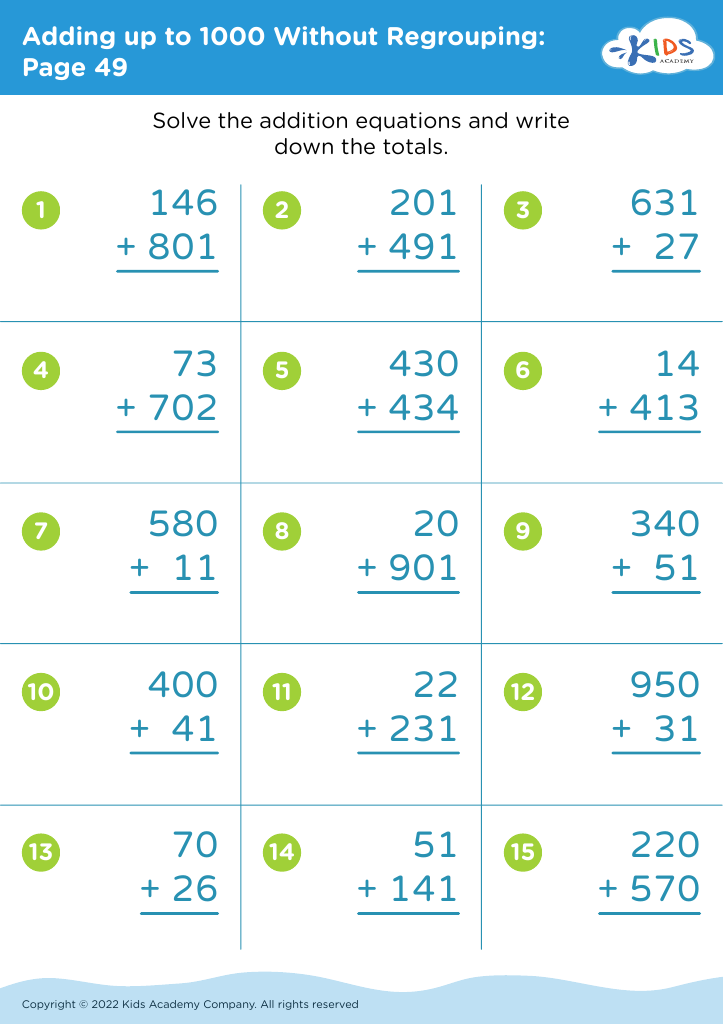
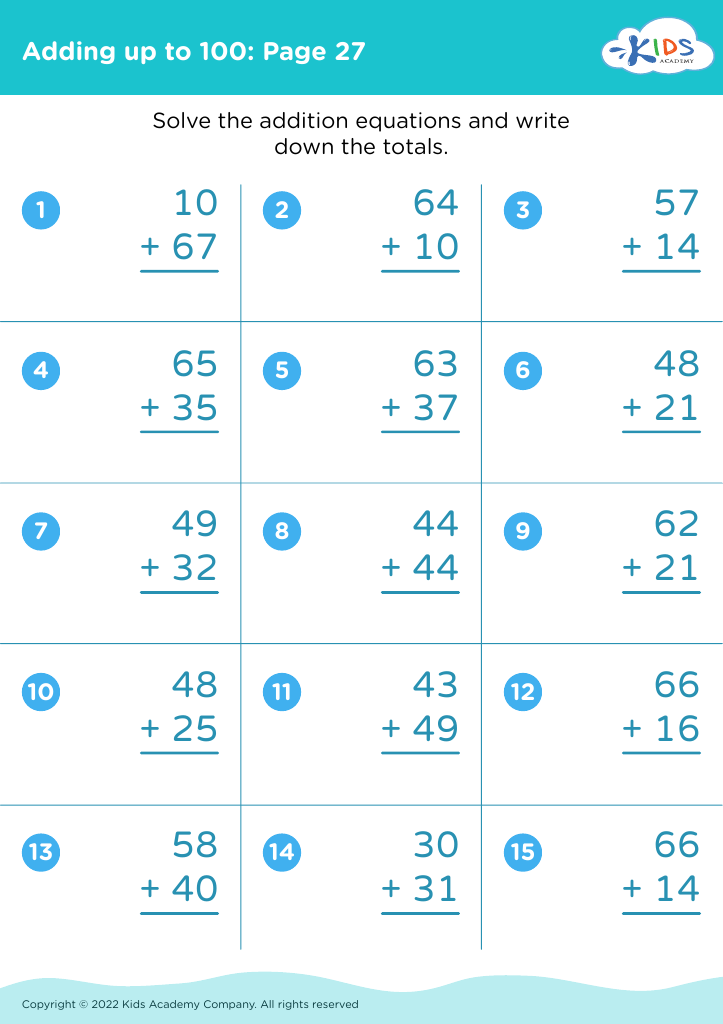
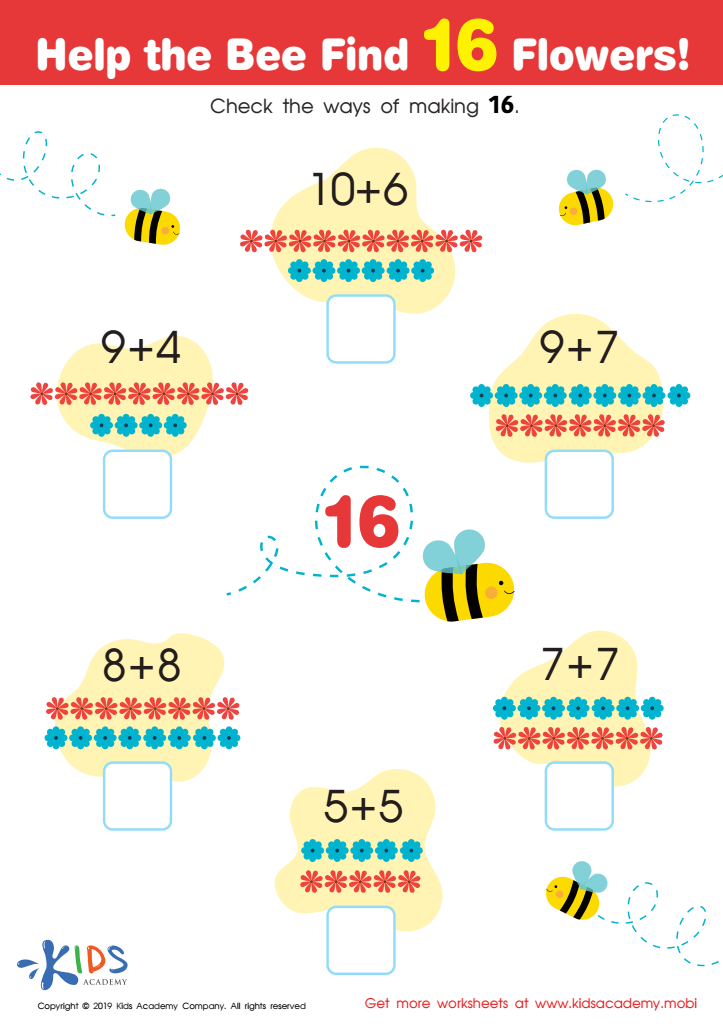
Help the Bee Find 16 Flowers Worksheet
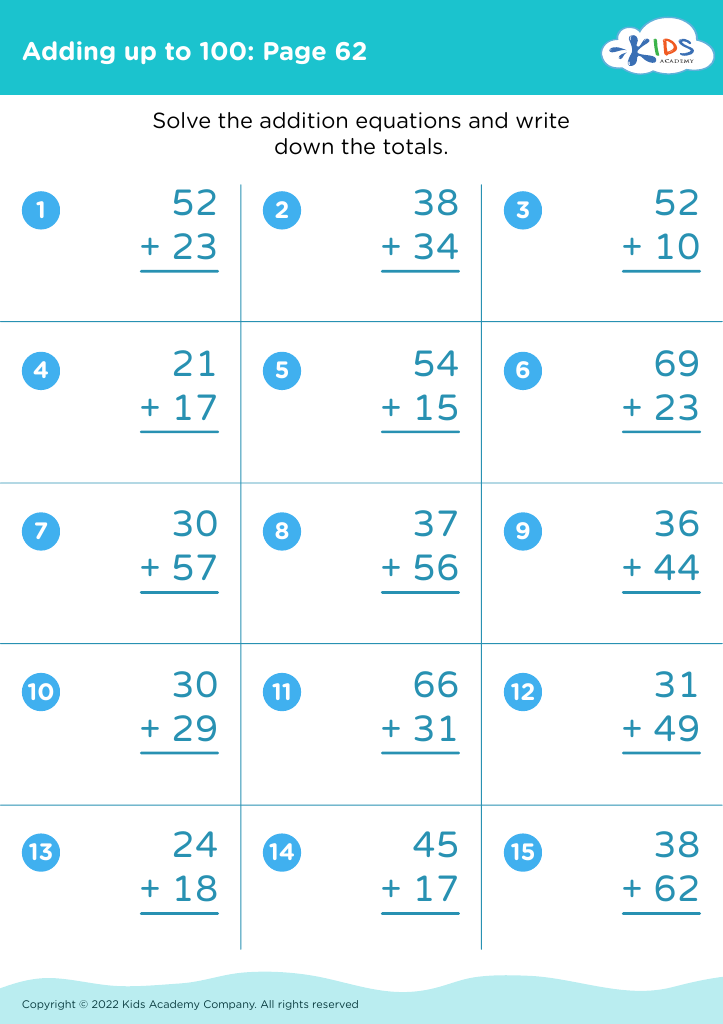
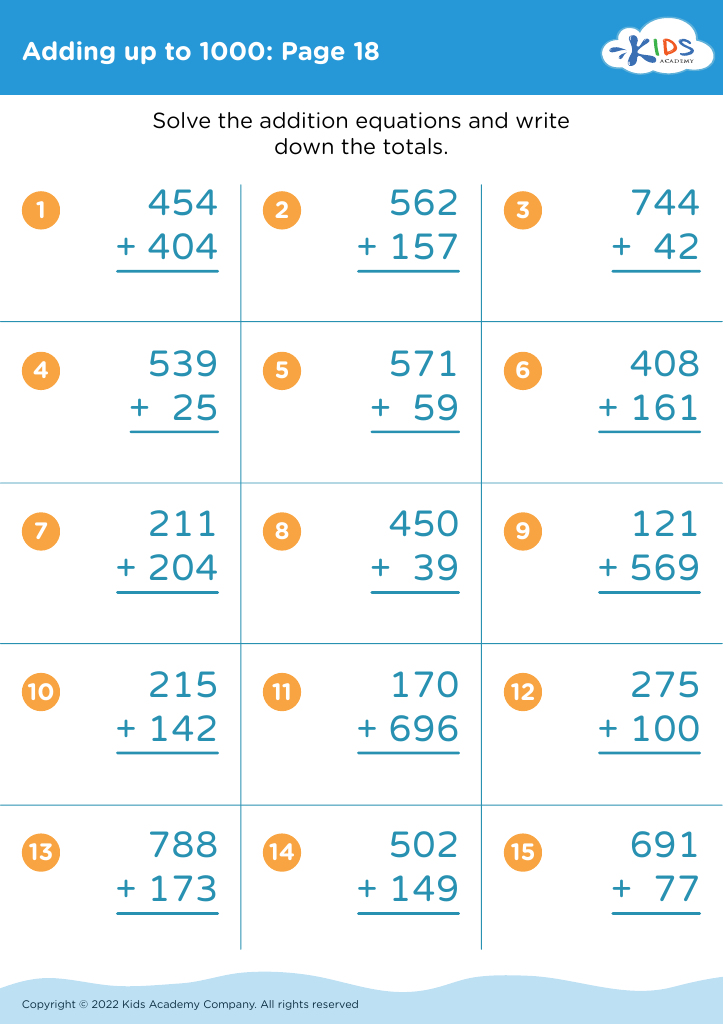
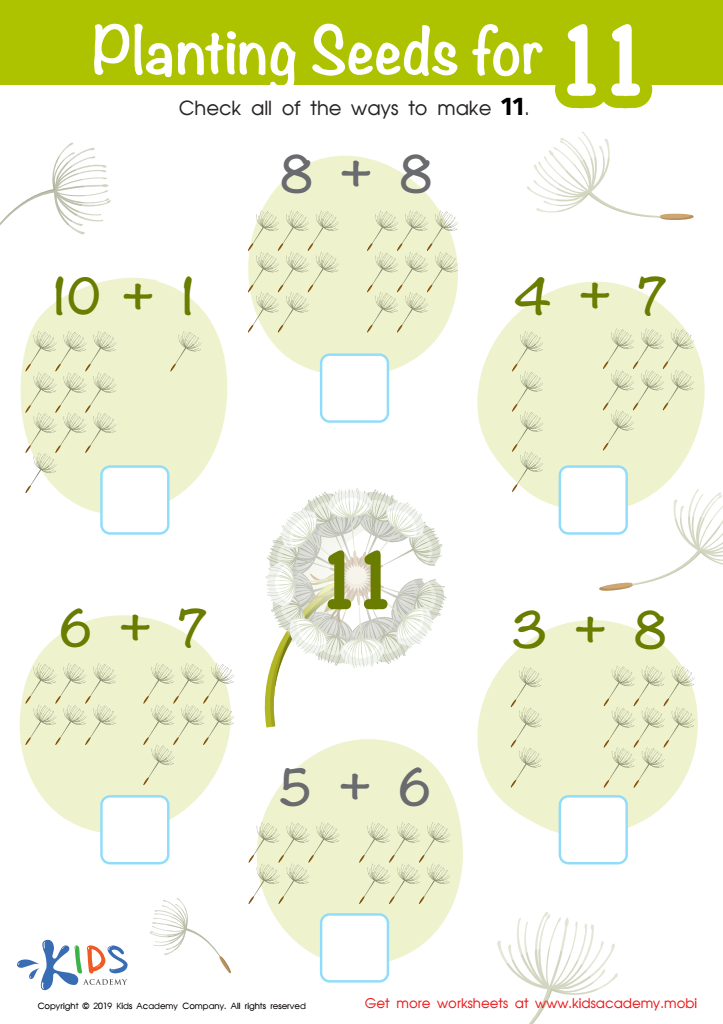
Planting Seeds for 11 Worksheet
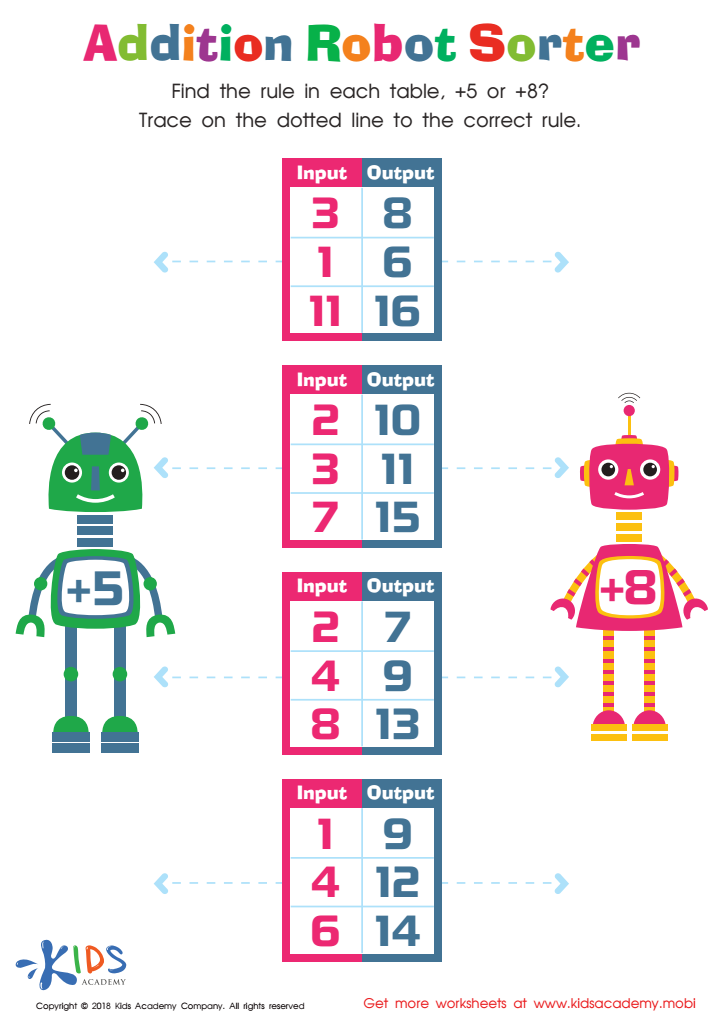
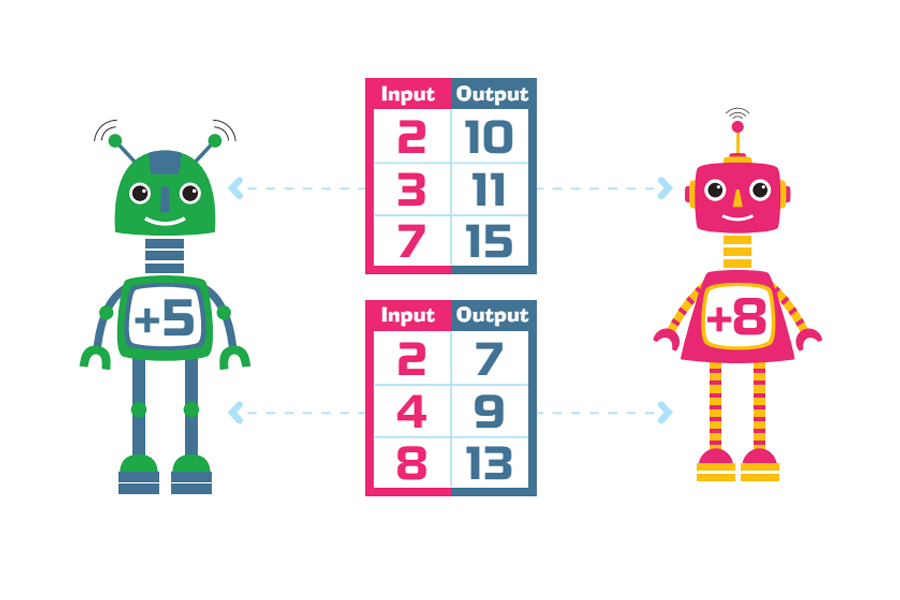
Addition Robot Sorter Worksheet
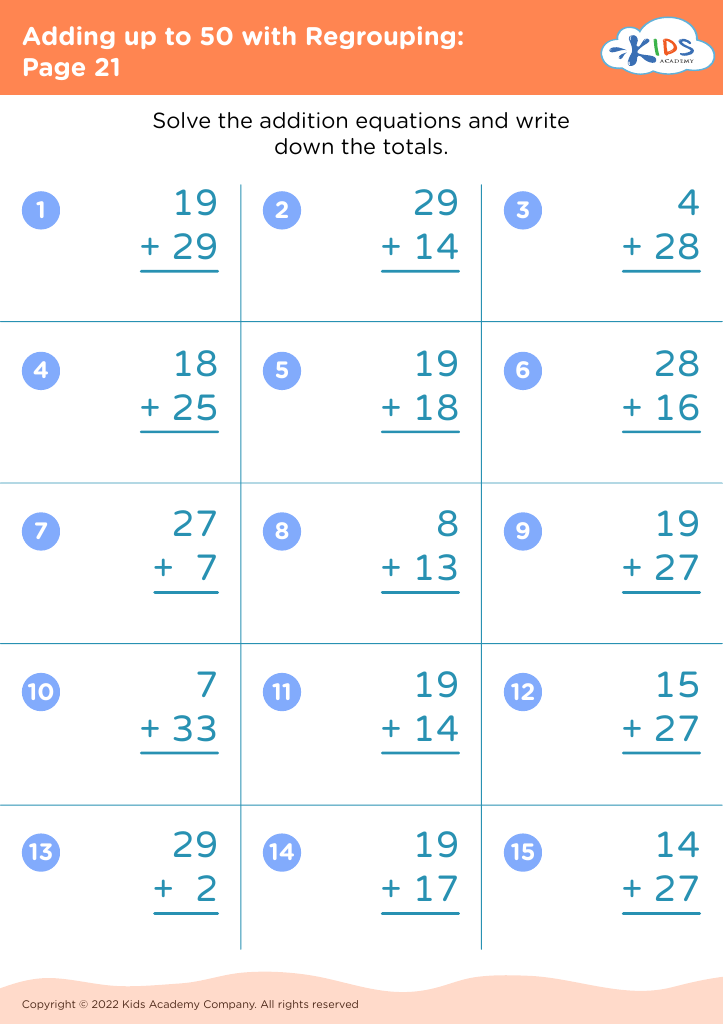
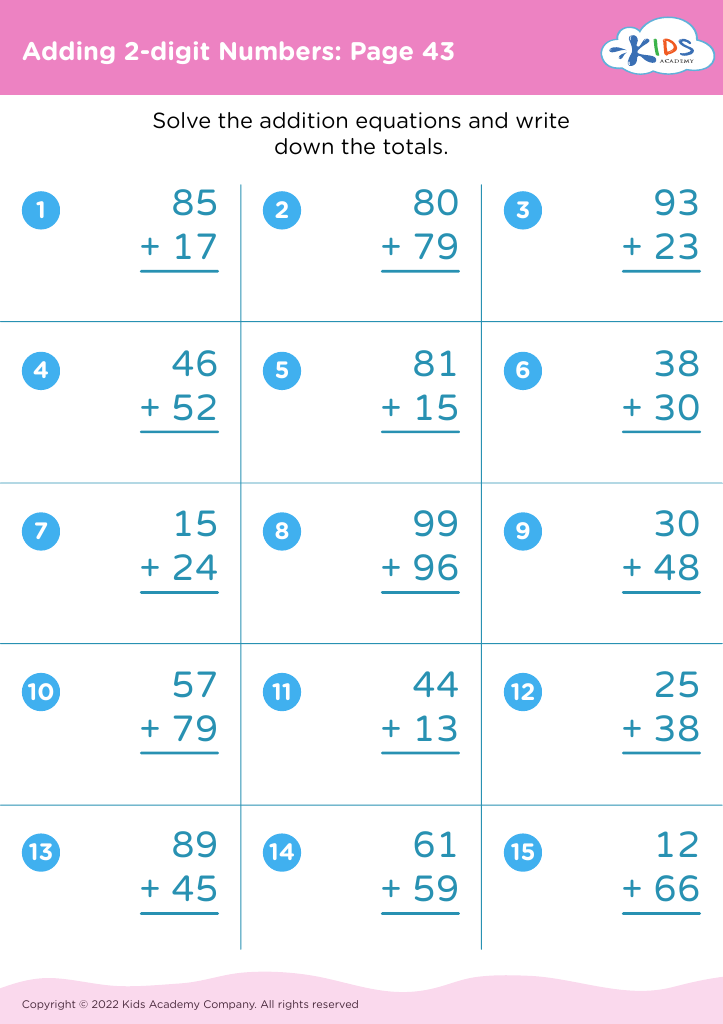
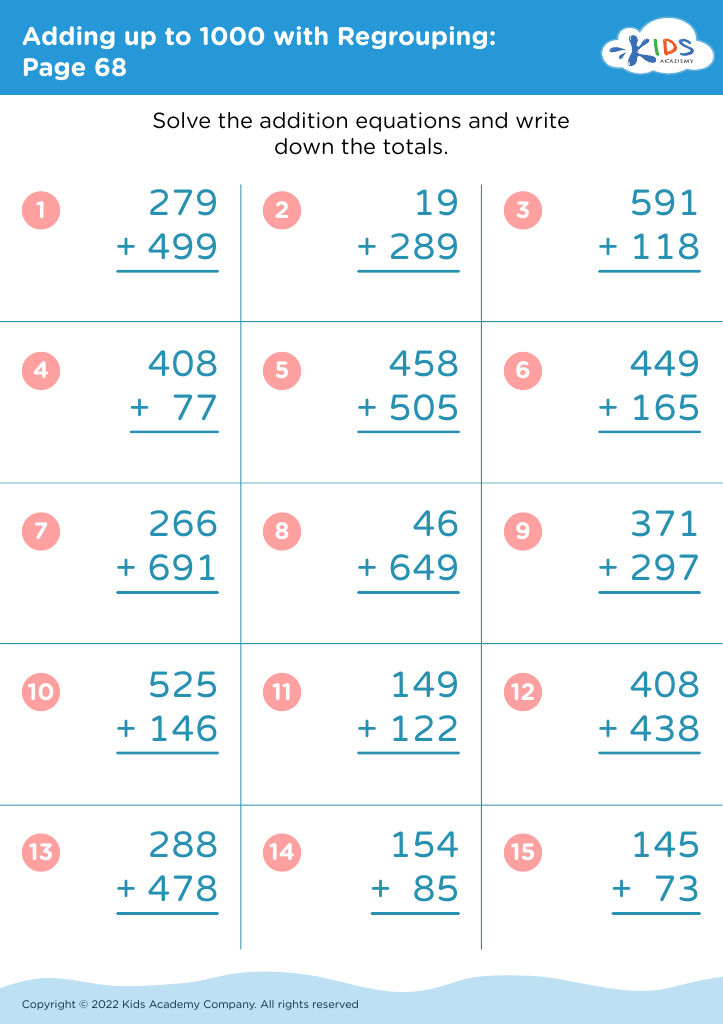
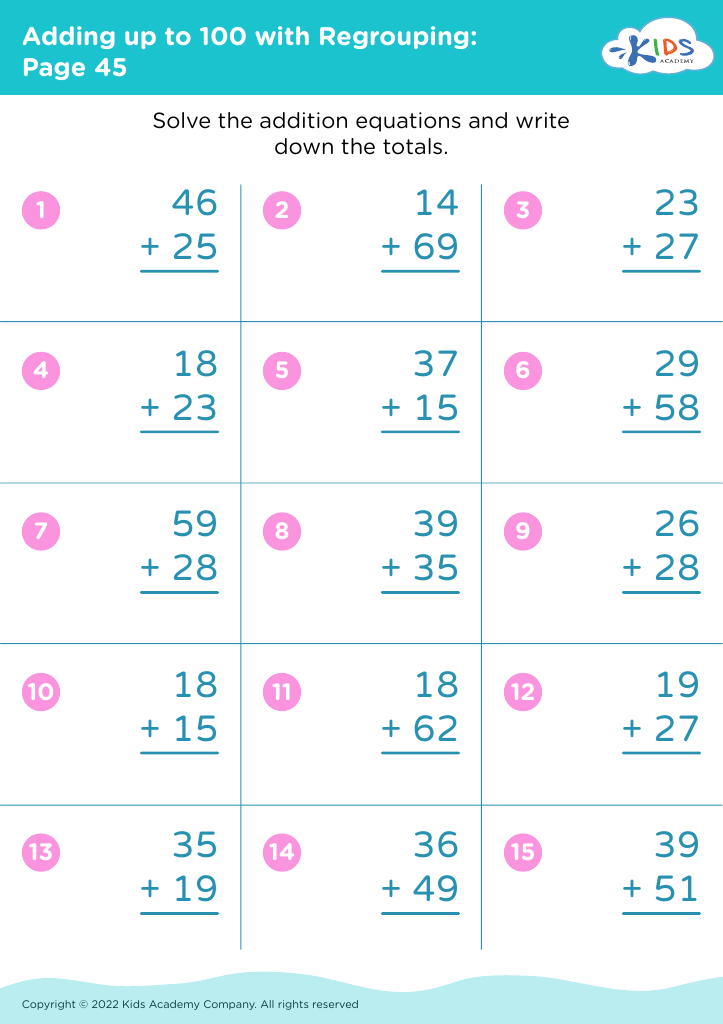






Fine motor skills are crucial for children's overall development, especially in early education, as they are foundational for everyday tasks and academic success. For children aged 6-7, developing these skills while learning addition and subtraction can greatly enhance their mathematical understanding and abilities. When children use their hands to manipulate objects, such as blocks or counters, they are not only engaging in tactile learning but also improving their coordination, dexterity, and precision.
These skills are essential when performing mathematical operations, as tasks like writing numbers, aligning them correctly for calculations, or using manipulatives for counting rely on good fine motor control. Additionally, as children gain confidence in their ability to physically manage mathematical tools, they build a sense of competence in their math skills.
Parents and teachers should focus on integrating fine motor practice with math learning to create a holistic educational environment. Engaging activities like using beads for counting or drawing shapes and numbers significantly strengthen fine motor skills while also maintaining children's interest in learning math. In turn, this creates a strong foundation for future academic endeavors and daily activities. Hence, fostering fine motor skills alongside addition and subtraction can lead to more successful and well-rounded learners.








