
Fraction conversion Addition & Subtraction Worksheets for Ages 6-7
3 filtered results
Difficulty Level
Grade
Age
-
From - To
Subject
Activity
Standards
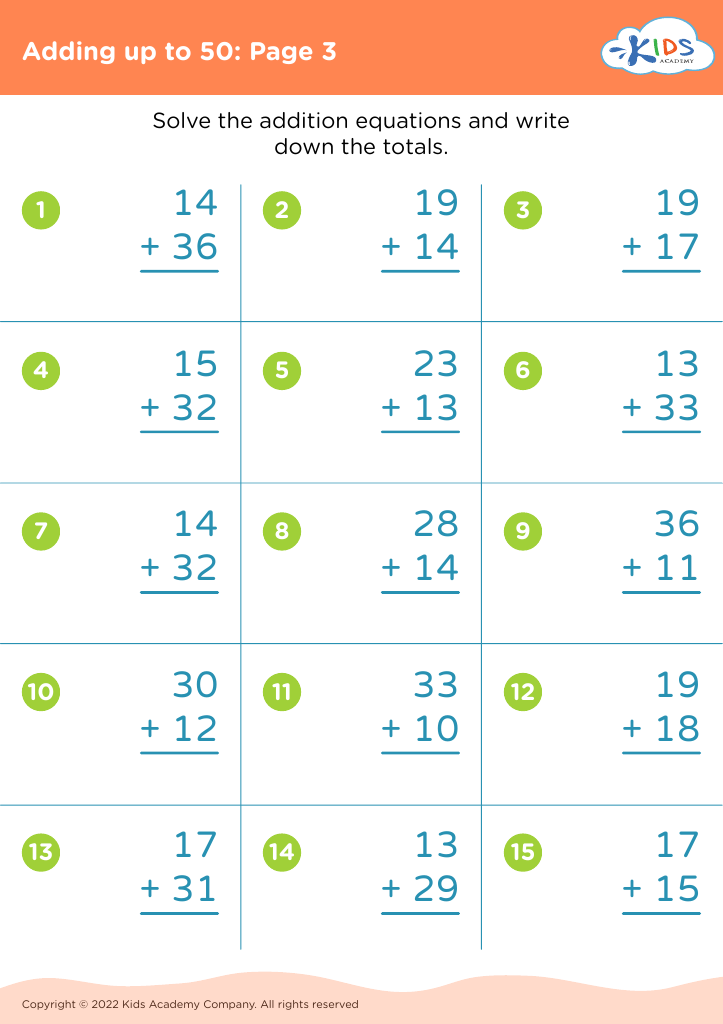
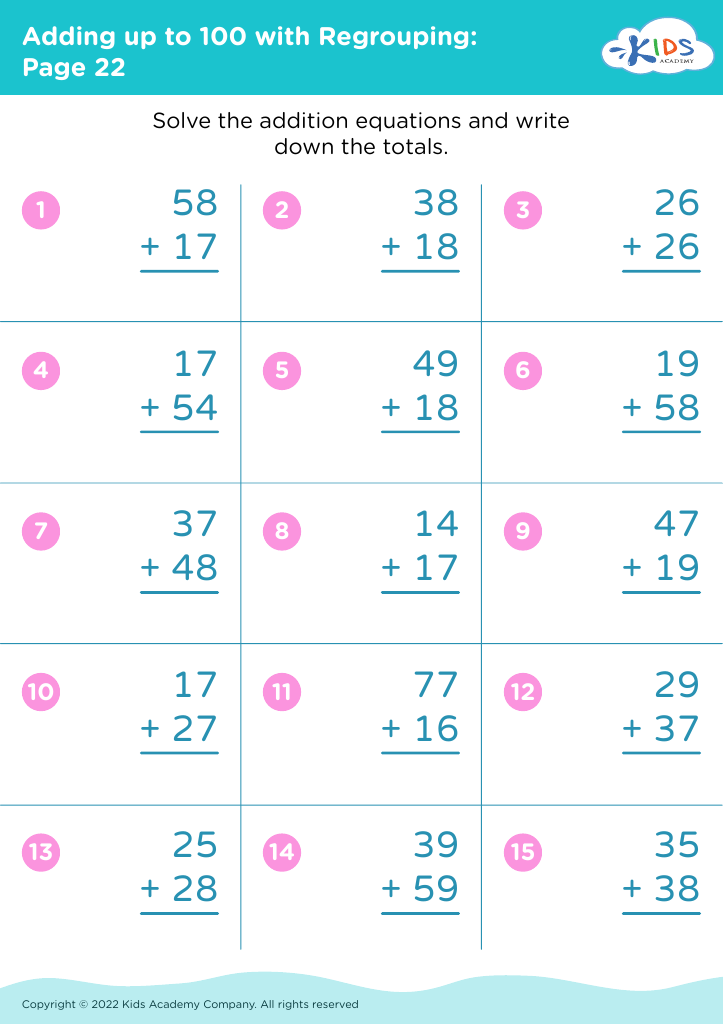
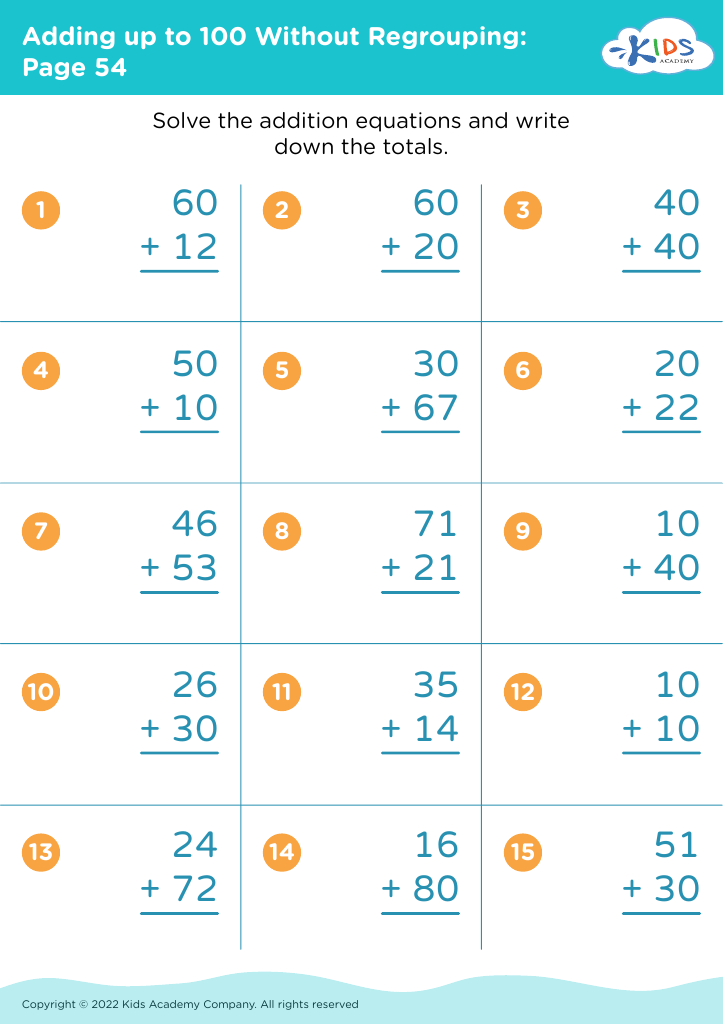
Enhance your child's math skills with our Fraction Conversion Addition & Subtraction Worksheets, designed specifically for ages 6-7! These engaging worksheets help young learners master the essential concepts of converting fractions, along with addition and subtraction techniques. Featuring colorful illustrations and age-appropriate exercises, these printable resources make learning enjoyable and interactive. By practicing with our worksheets, children will build confidence in their mathematical abilities and develop a strong foundation in fractions early on. Perfect for use at home or in the classroom, our worksheets will support your child's growth in math and foster a love for learning. Get started today!
Favorites
With answer key
Interactive
Join Kids Academy for Free
Who is primarily going to use this learning content?








Parents and teachers should prioritize teaching fraction conversion, addition, and subtraction for students ages 6-7 because these foundational skills are crucial for a child's mathematical development. At this age, children are beginning to grasp the concept of fractions, which enhances their understanding of more complex math concepts in the future. By introducing fraction conversion, parents and teachers lay the groundwork for operations with fractions, helping students learn to recognize equivalent fractions and how to compare them.
Understanding how to add and subtract fractions introduces children to vital concepts of part-whole relationships and reinforces their number sense. These skills promote critical thinking as students learn to solve problems with rational numbers, which are increasingly important as they progress in their education. Furthermore, mastering fractions can help alleviate future anxiety related to math, as children solidify foundational concepts early on.
Engaging in fraction activities also promotes collaborative problem-solving and communication skills. Overall, awareness and investment in teaching these concepts equip young learners with essential tools for academic success and foster a positive mathematical mindset, setting them on the path toward becoming confident, capable mathematicians.








