Improve number recognition Addition & Subtraction Worksheets for Ages 6-7
15 filtered results
-
From - To
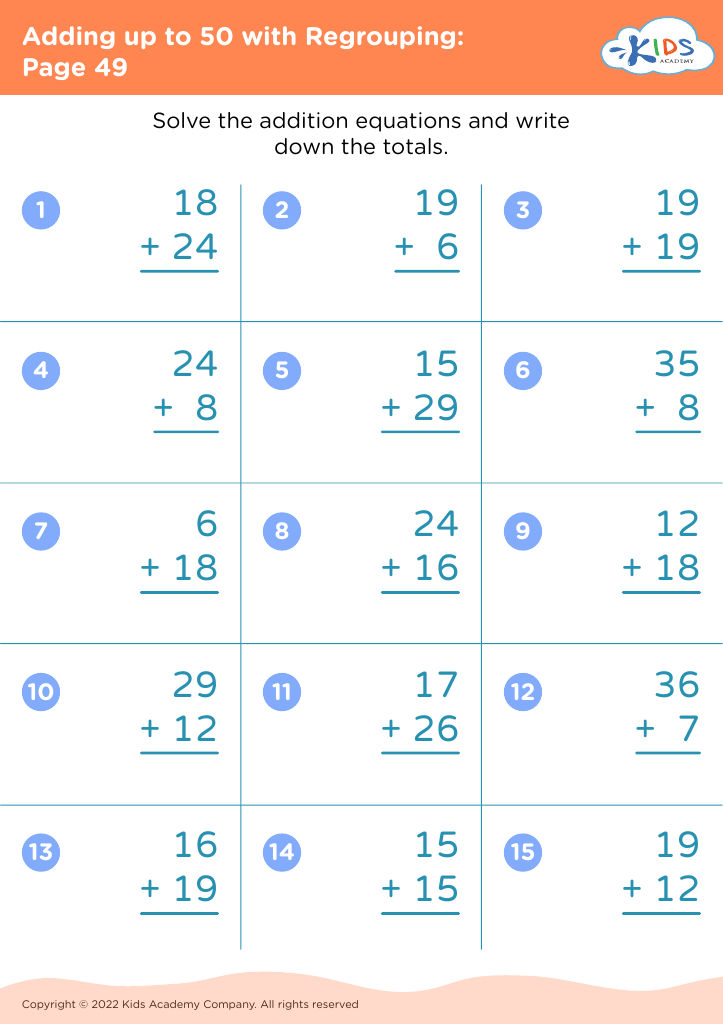
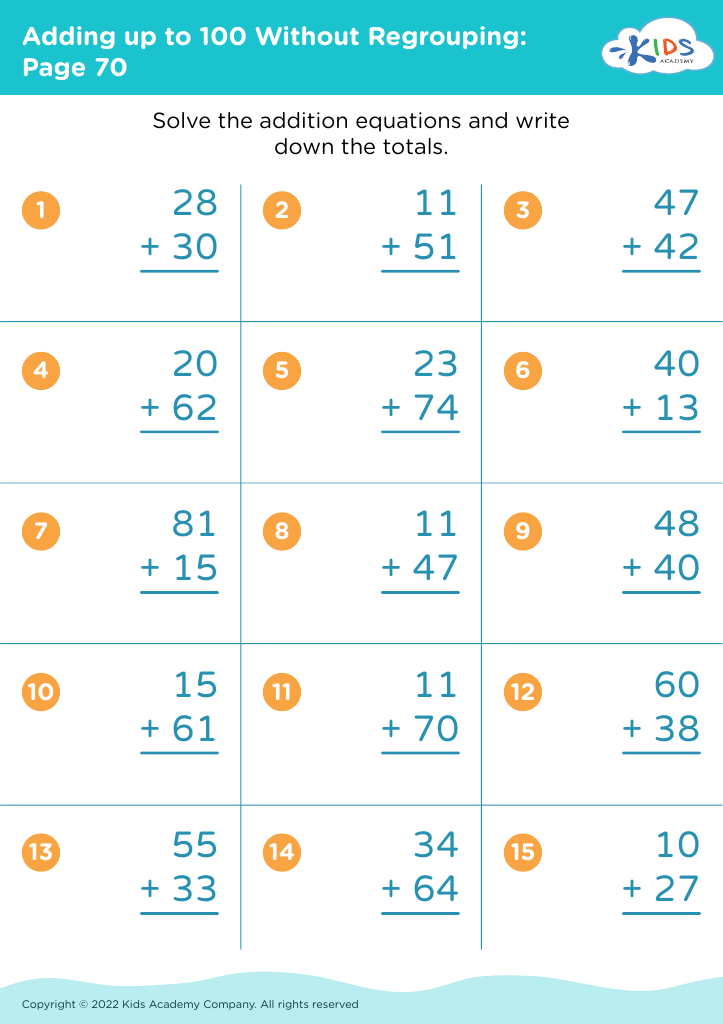
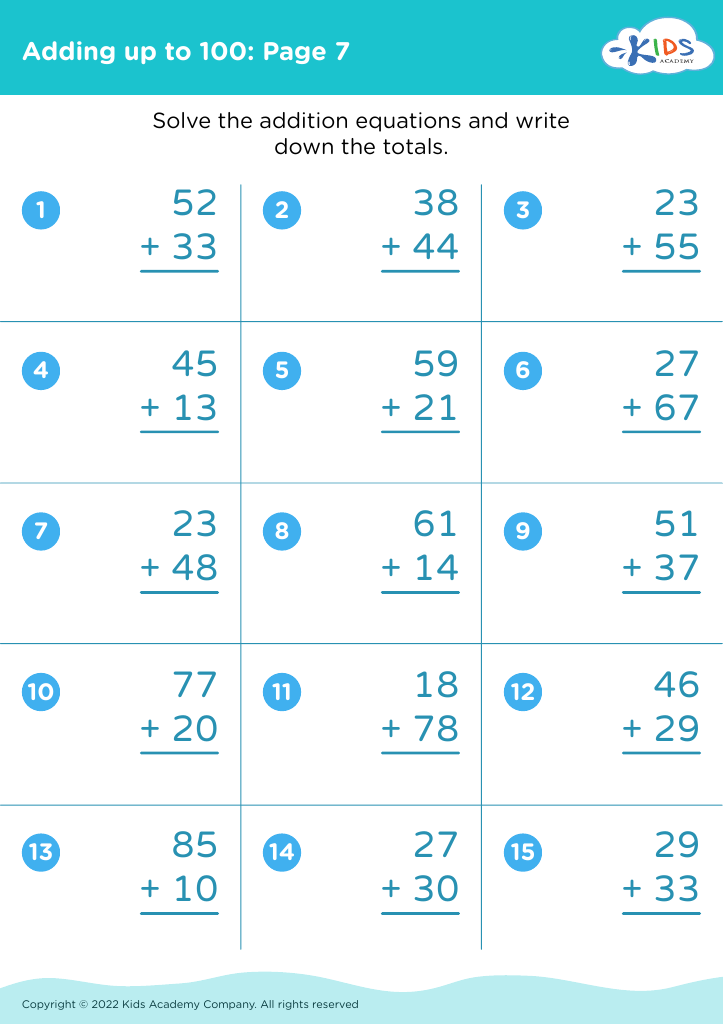
Boost your child's number recognition skills with our engaging Addition and Subtraction Worksheets designed for ages 6-7! These printable resources offer a fun and interactive way for young learners to master essential math concepts while improving their ability to identify and understand numbers. Each worksheet is tailored to reinforce number recognition alongside addition and subtraction practices, making learning seamless and enjoyable. Perfect for classroom and home use, these worksheets cater to various learning styles, ensuring all kids receive the support they need. Give your child a jumpstart in math confidence and proficiency with our expertly crafted worksheets today!
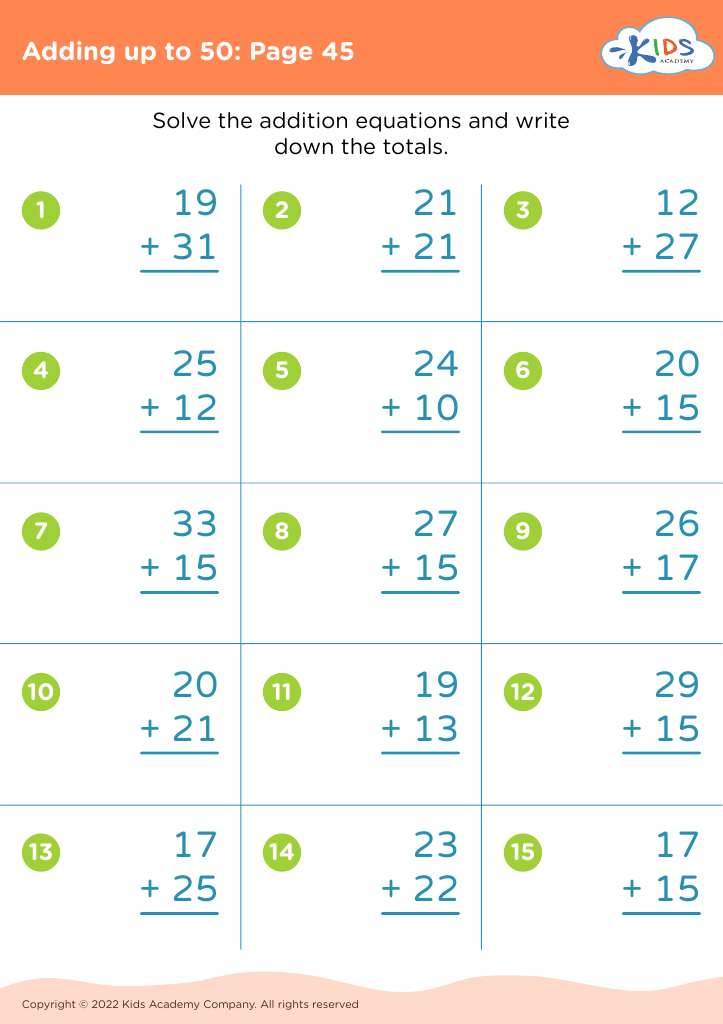
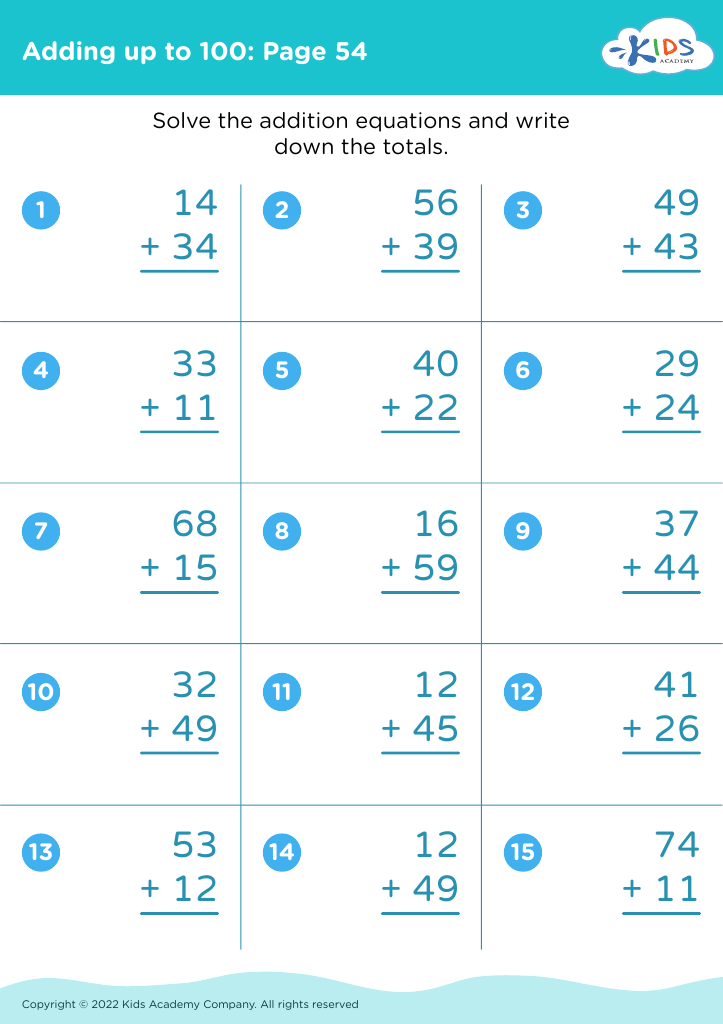
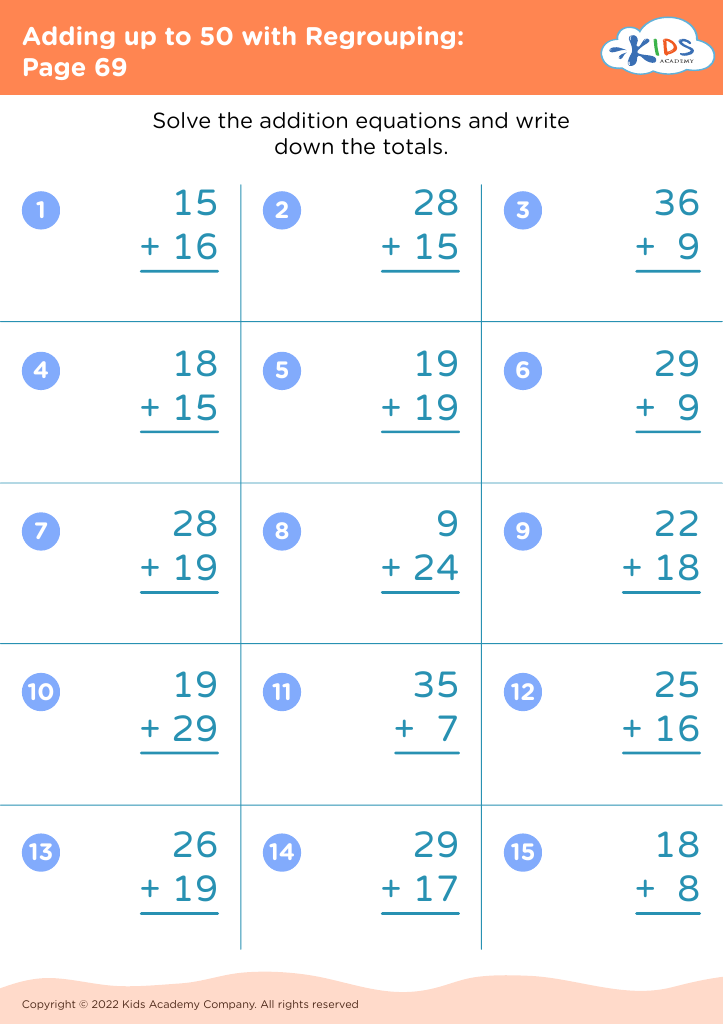
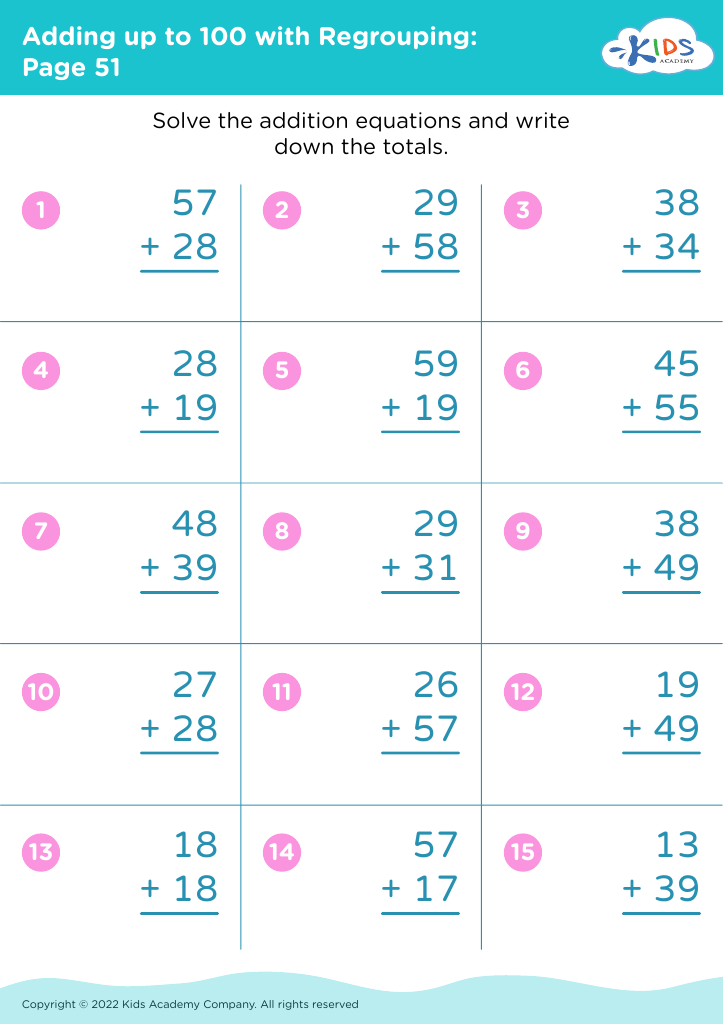
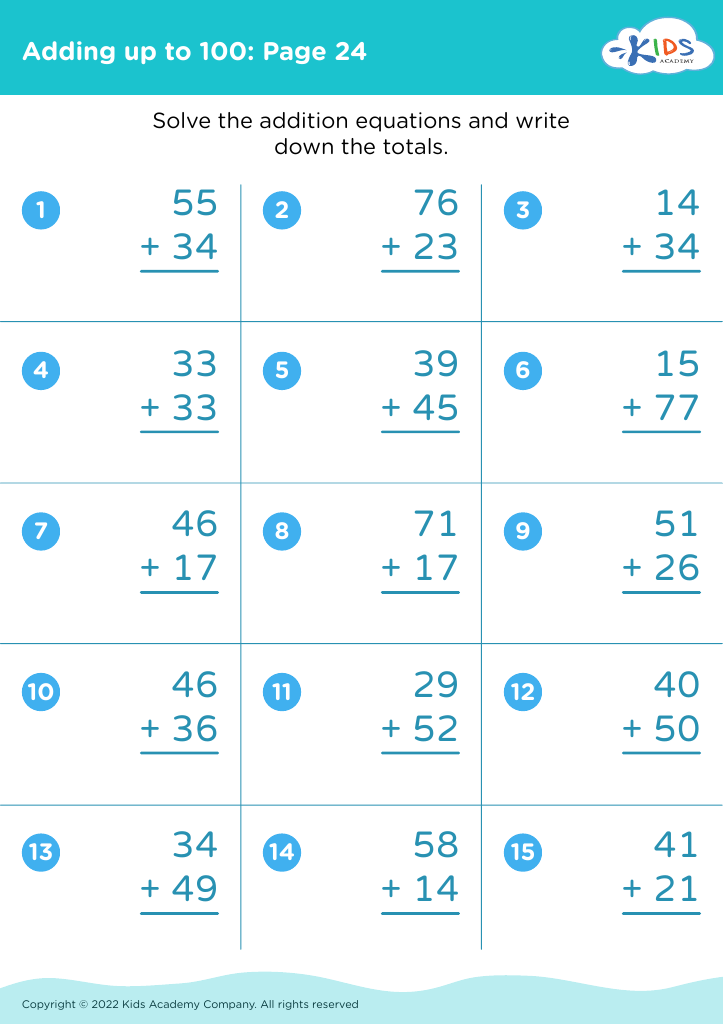
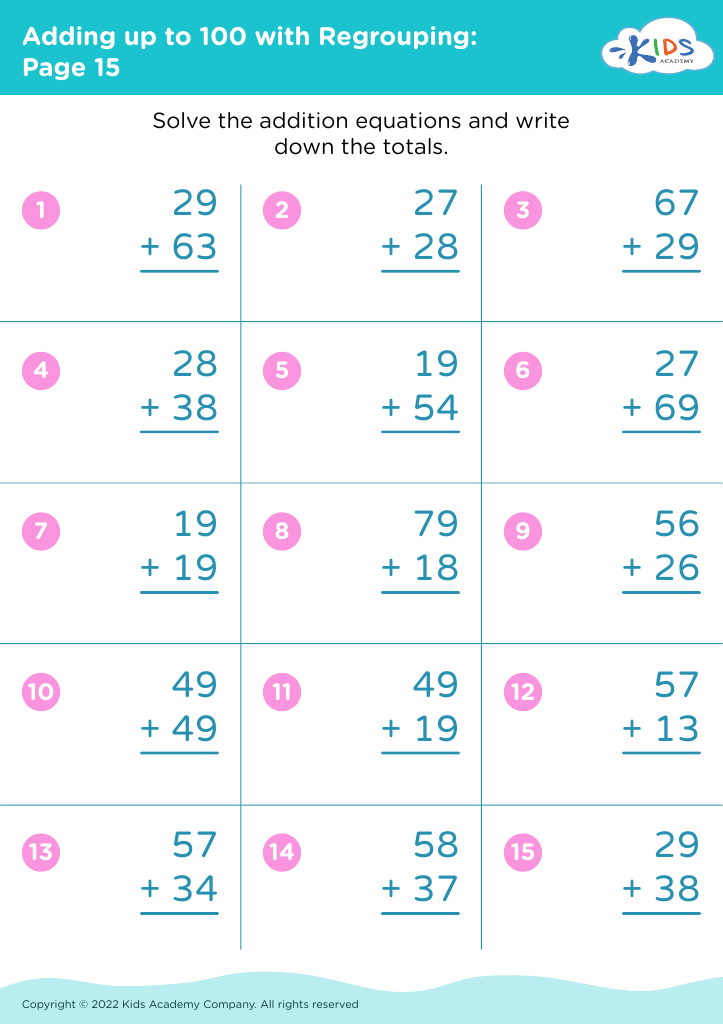
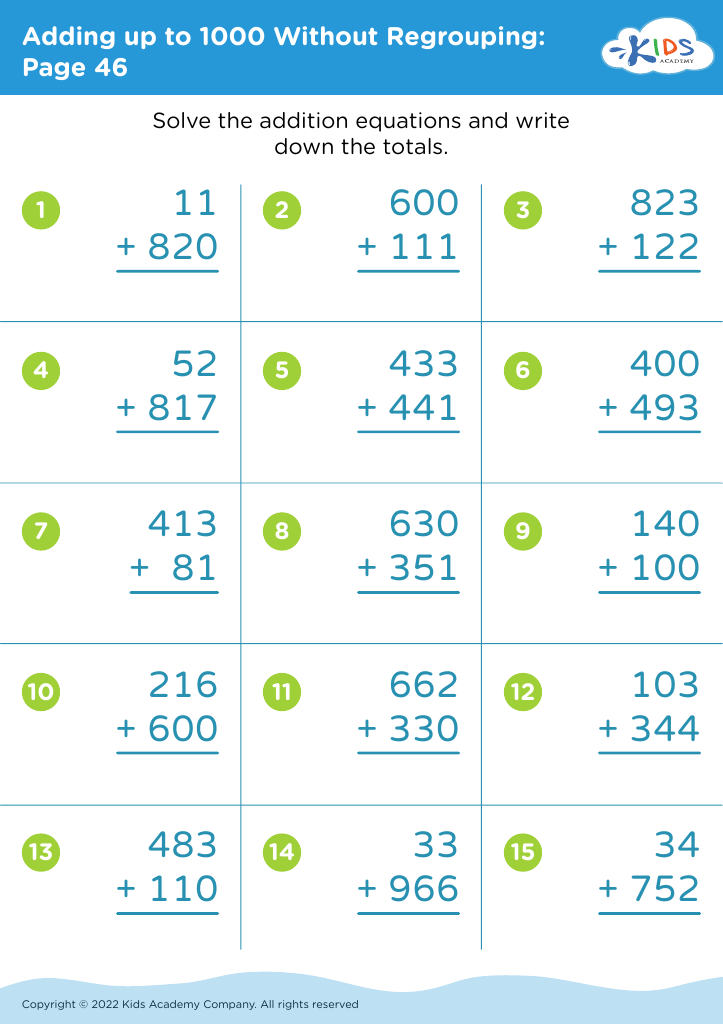
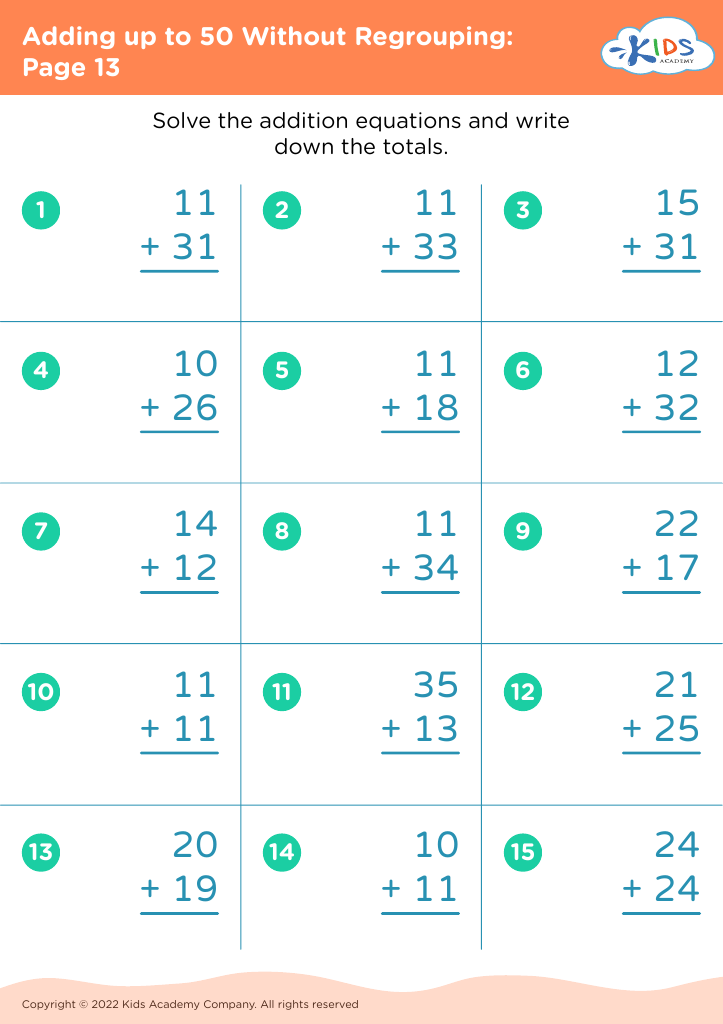
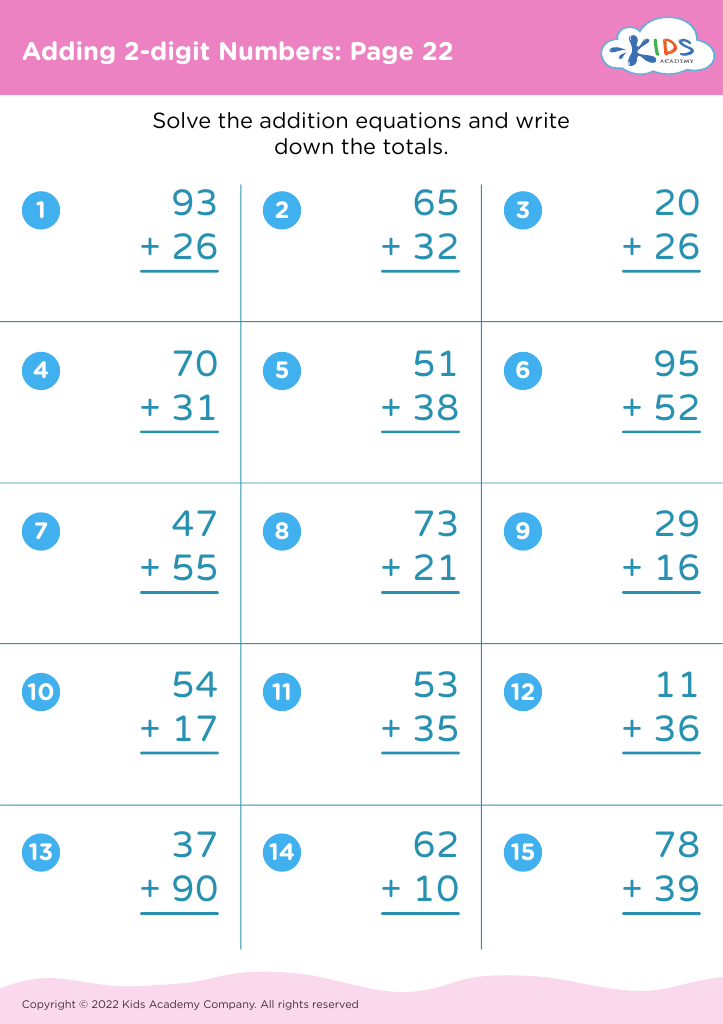
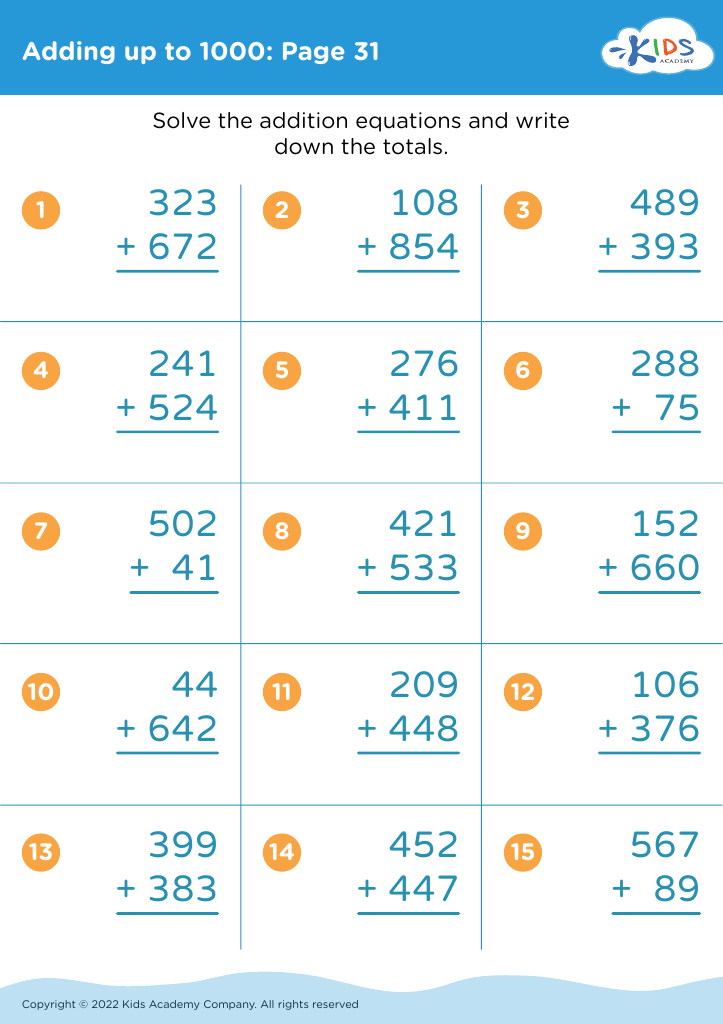
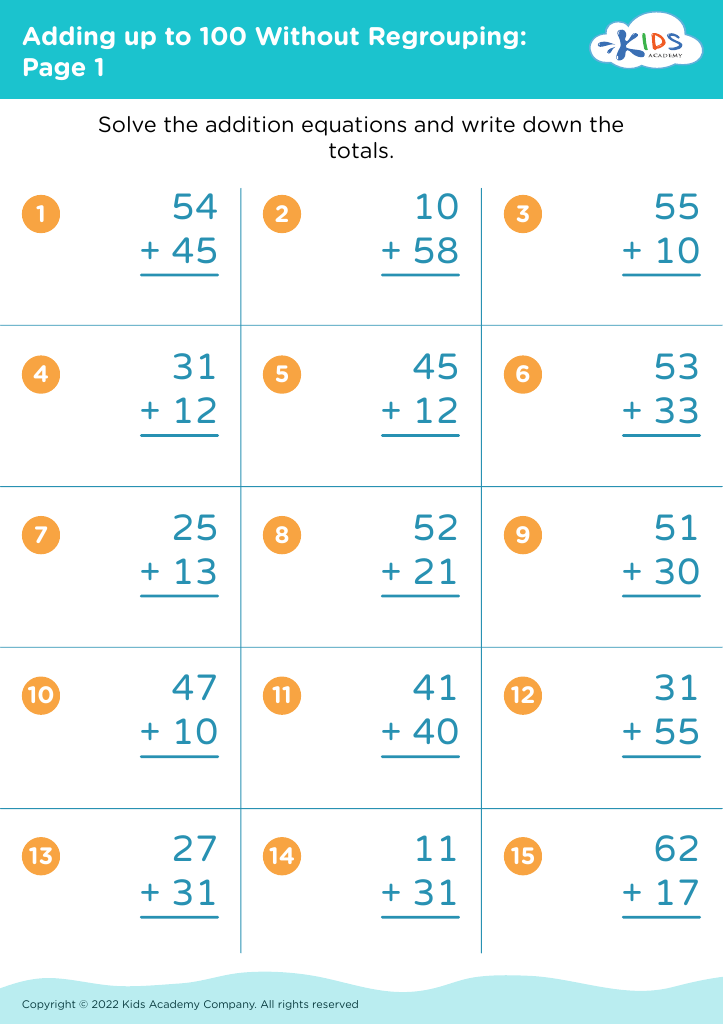
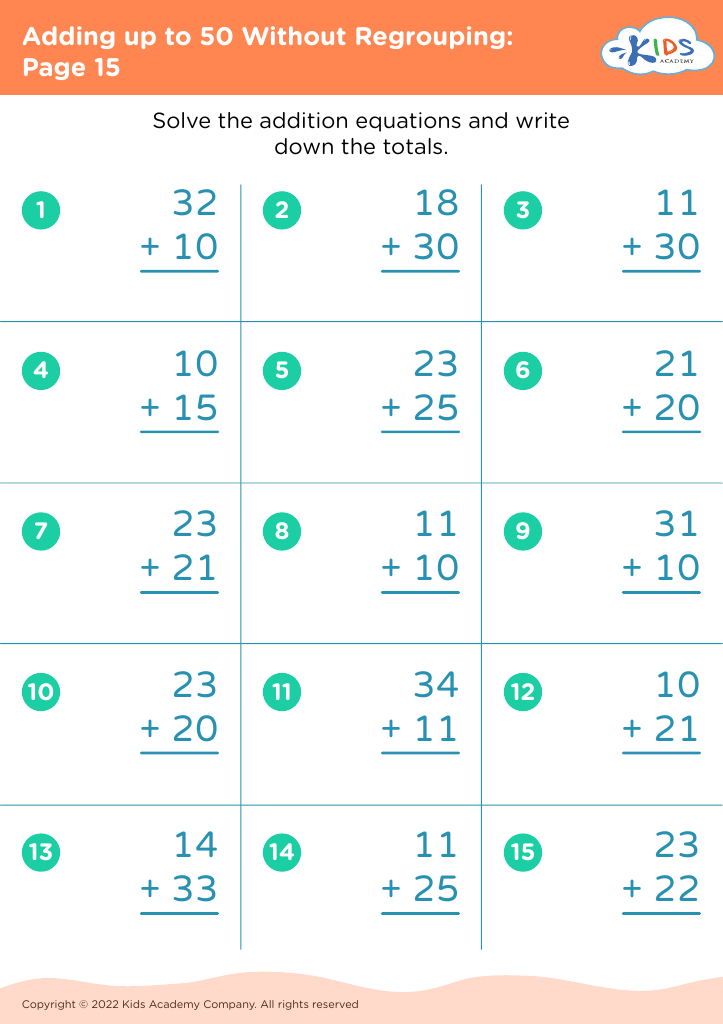








Improving number recognition and addition and subtraction skills for ages 6-7 is crucial as it lays the foundation for a child's mathematical understanding. During these formative years, children develop essential cognitive and problem-solving abilities that will benefit them not only in math but also across various disciplines.
Parents and teachers should prioritize these skills as they directly correlate with a child's ability to find success in later mathematical concepts, such as multiplication and division. Strong number recognition enables children to understand quantity and value, fostering confidence when navigating mathematical challenges. Moreover, proficient addition and subtraction skills enhance children's ability to approach everyday situations, such as counting change or managing time.
Additionally, a solid grasp of these fundamental skills supports critical thinking and supports academic achievement. It enables children to embark on project-based learning experiences, engage in collaborative problem-solving, and develop logical reasoning. By fostering a positive attitude towards mathematics early on, parents and teachers also help eliminate math anxiety, encouraging a lifelong love for learning. In essence, investing time and energy in reinforcing these skills today sets children up for a brighter academic future and helps them become confident learners.








