Logical thinking development Addition & Subtraction Worksheets for Ages 6-7
9 filtered results
-
From - To
Our "Logical Thinking Development: Addition & Subtraction Worksheets for Ages 6-7" are crafted to enhance your child's critical thinking and arithmetic skills. Ideal for first graders, these engaging worksheets focus on mastering basic addition and subtraction, while promoting logical reasoning and problem-solving abilities. Through various fun and educational exercises, children learn to recognize patterns, understand number relationships, and build a solid mathematical foundation. Perfect for both classroom use and at-home practice, these printables support effective learning and boost your child's confidence in math. Equip your young learners with the tools they need for future academic success!
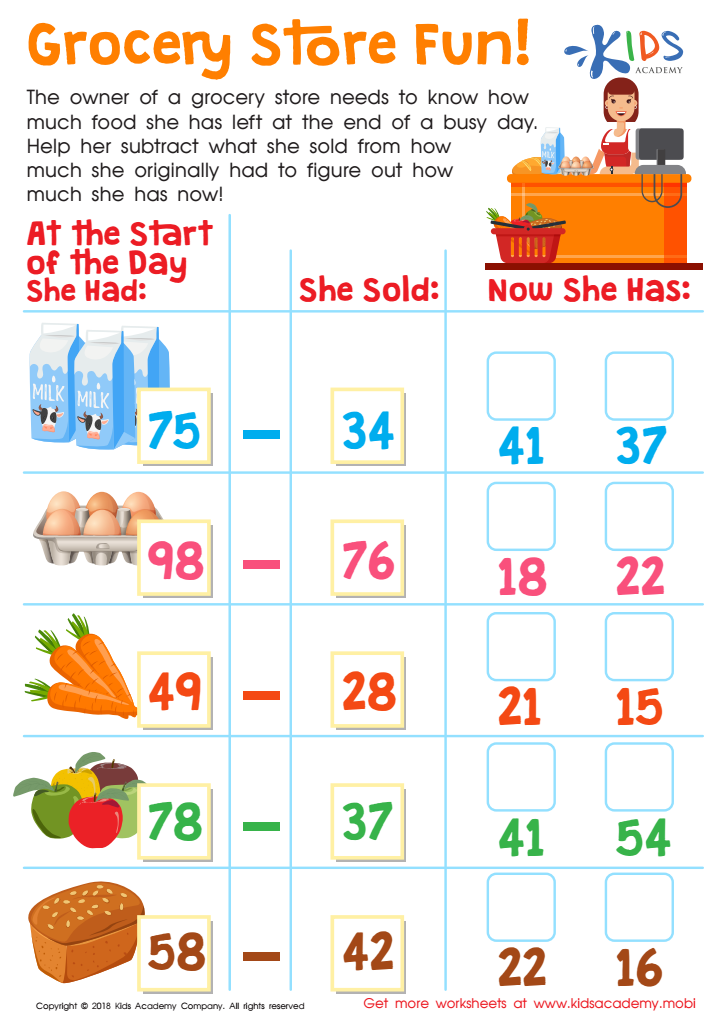
Grocery Store Fun! Worksheet
 Assign to My Students
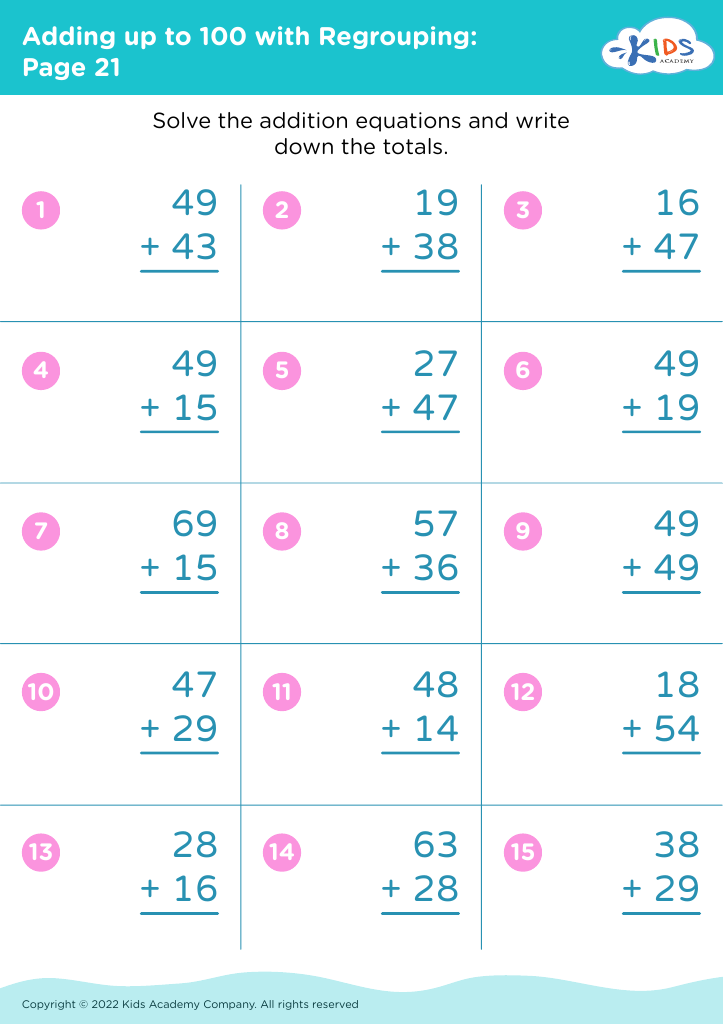
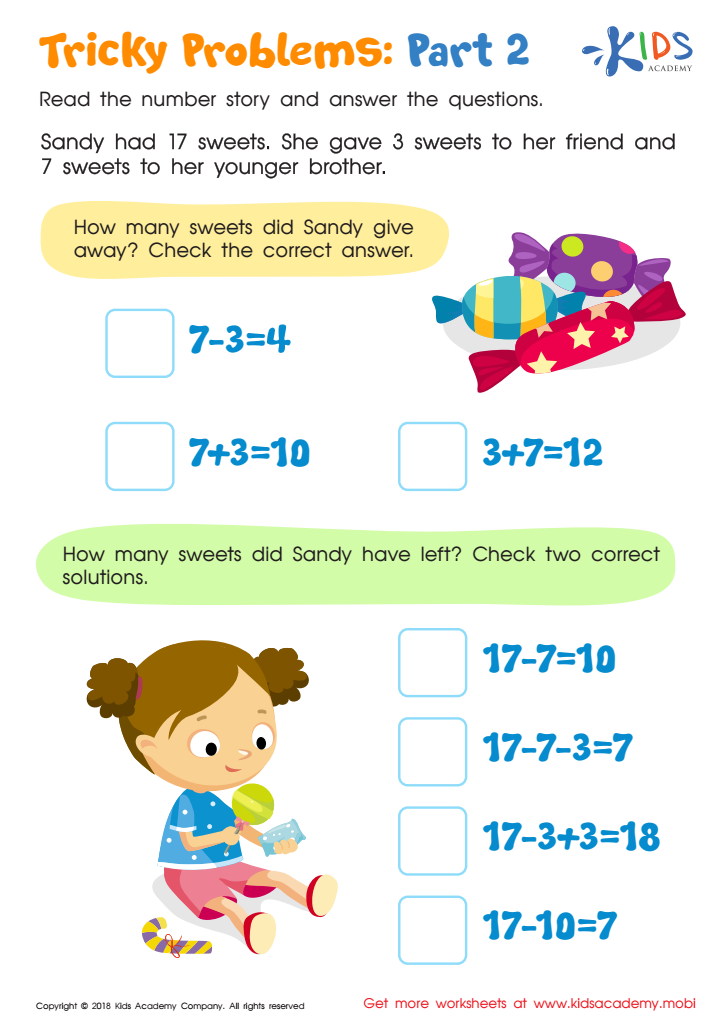
Tricky Problems Worksheet: Part 2
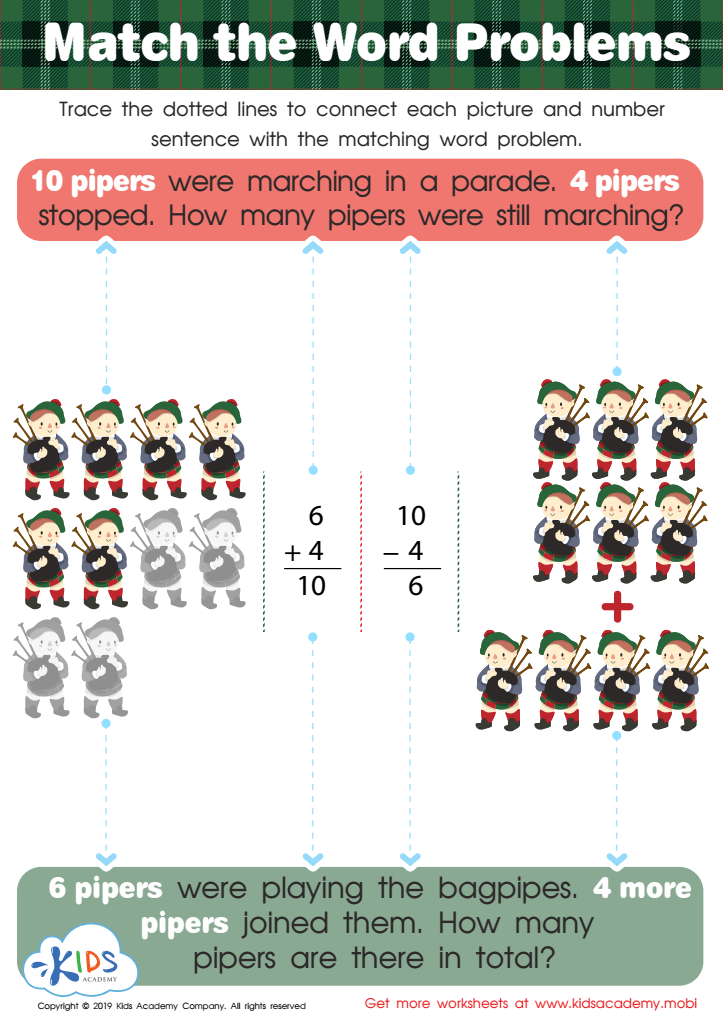
Match the Word Problems Worksheet
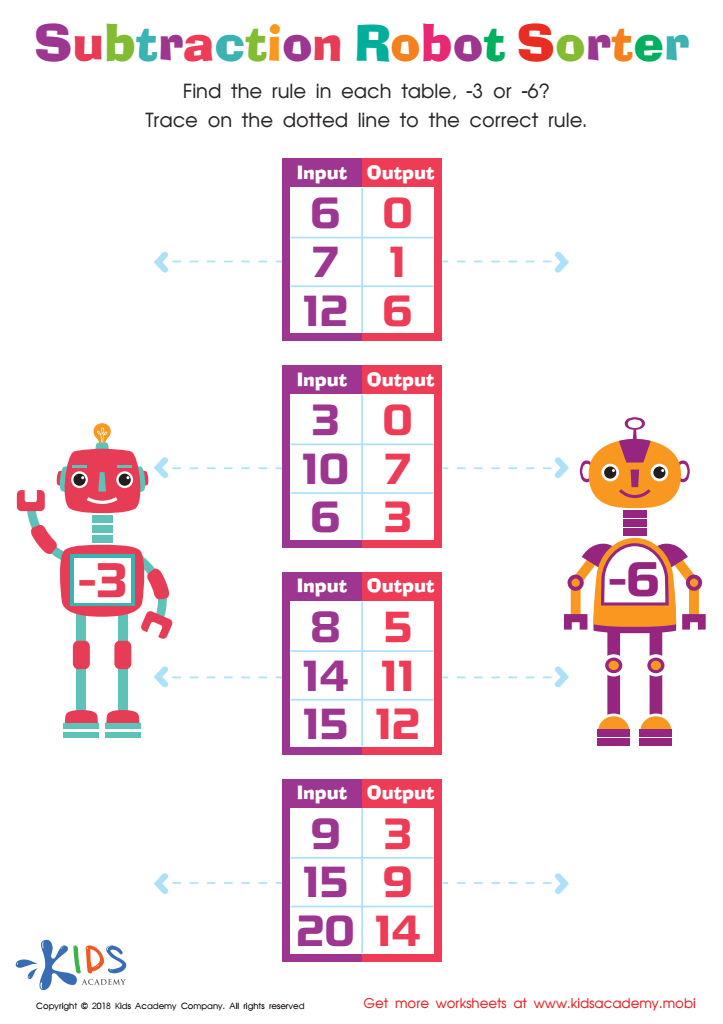
Subtraction Robot Sorter Worksheet
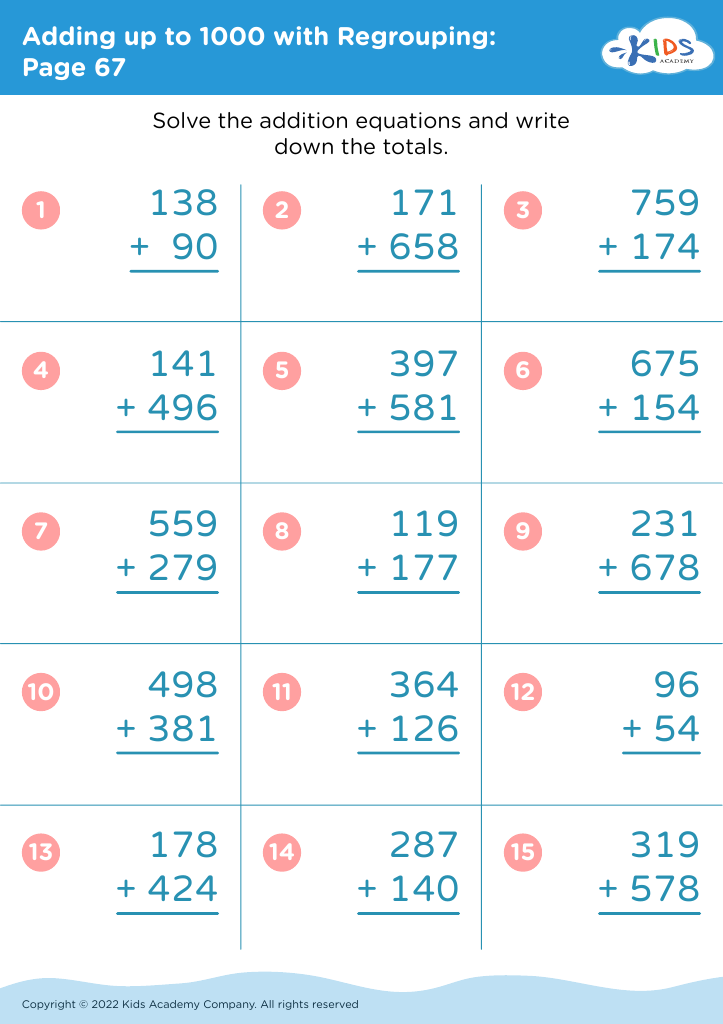
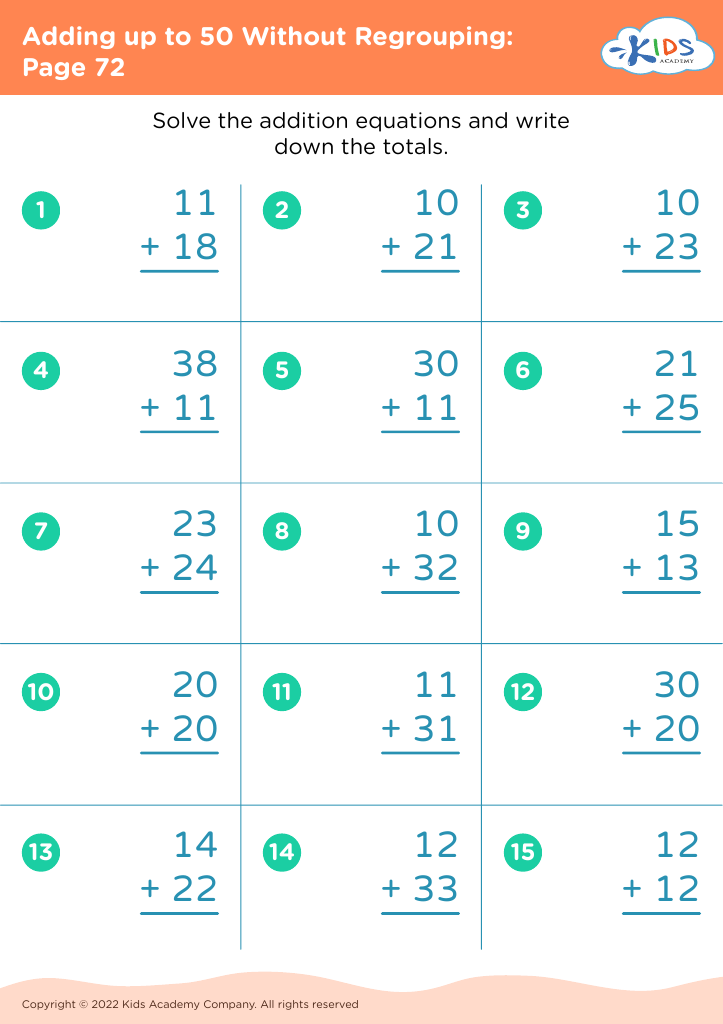
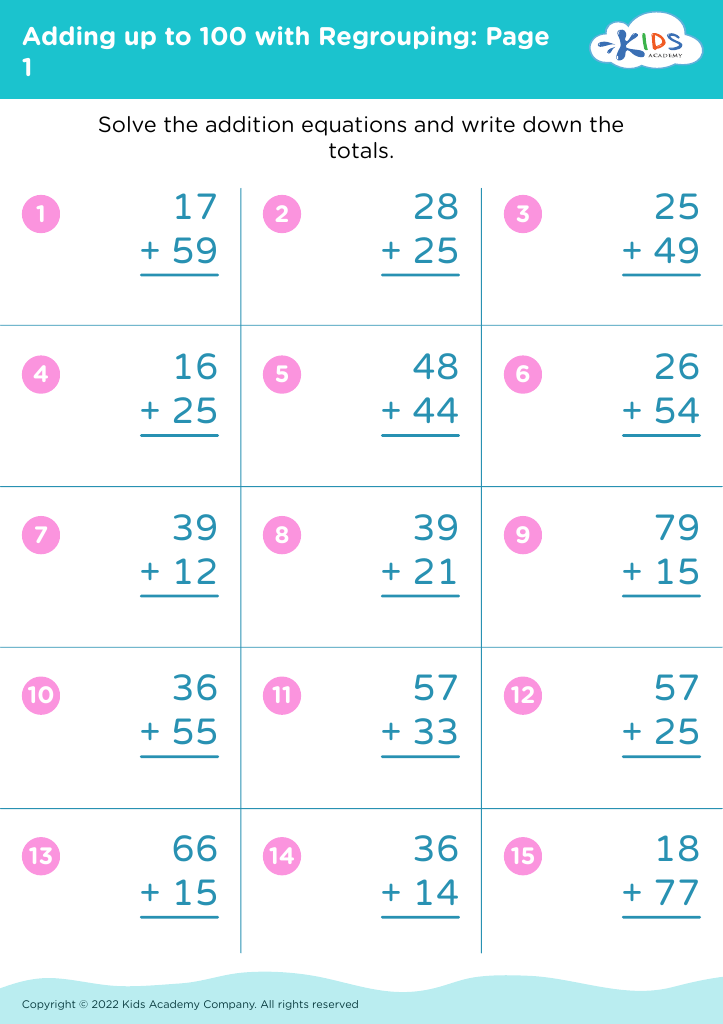








Logical thinking and basic arithmetic skills, such as addition and subtraction, are foundational for young learners aged 6-7. Nurturing these abilities early on is critical for several key reasons.
Firstly, logical thinking enables children to approach problems methodically, fostering critical thinking and decision-making skills. These cognitive abilities are essential not just in mathematics but across all subjects and daily life tasks, helping children to analyze situations, identify patterns, and develop solutions.
Secondly, proficiency in addition and subtraction is crucial for academic success. Mastery of these basic operations sets the stage for more advanced mathematical concepts like multiplication, division, fractions, and problem-solving skills required in later grades. Early math skills are also linked to future achievements in STEM (Science, Technology, Engineering, and Mathematics) fields, which are increasingly important in our technology-driven world.
Moreover, developing these skills at an early age can boost a child’s confidence and foster a positive attitude toward learning. Celebrating small successes in math can encourage a love for the subject, reducing math anxiety later on.
Parents and teachers, by focusing on logical thinking and arithmetic, equip children with essential tools that serve as building blocks for lifelong learning and adaptation. Investing time and resources in early math education ultimately lays a strong foundation for a child’s future academic and personal growth.








