
Practice counting Addition & Subtraction Worksheets for Ages 6-7
6 filtered results
Difficulty Level
Grade
Age
-
From - To
Subject
Activity
Standards
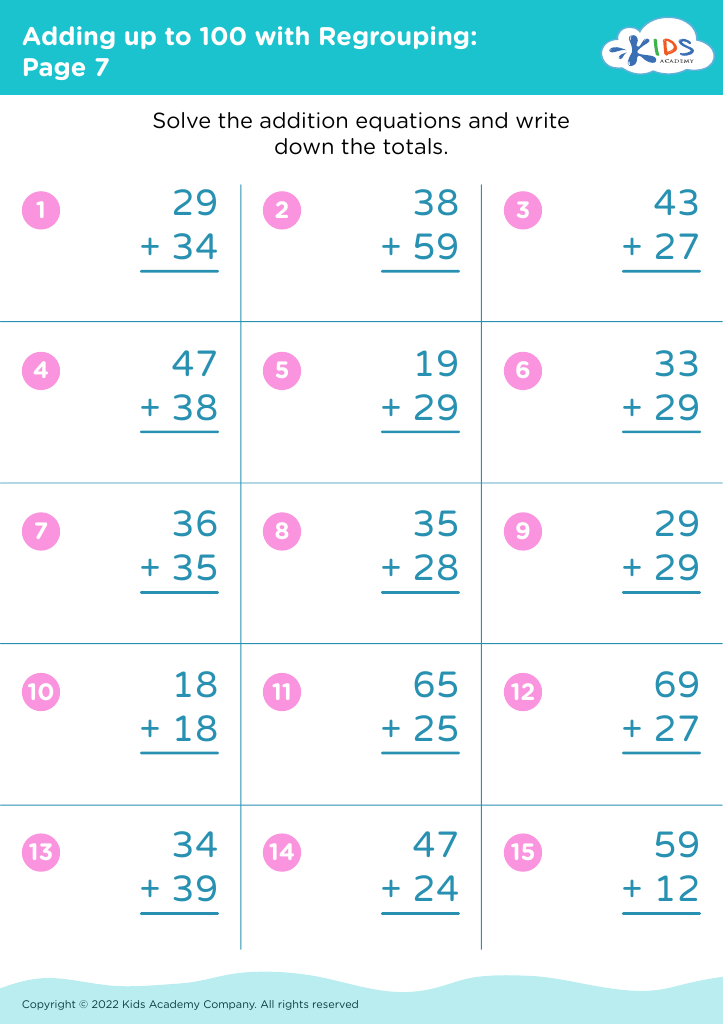
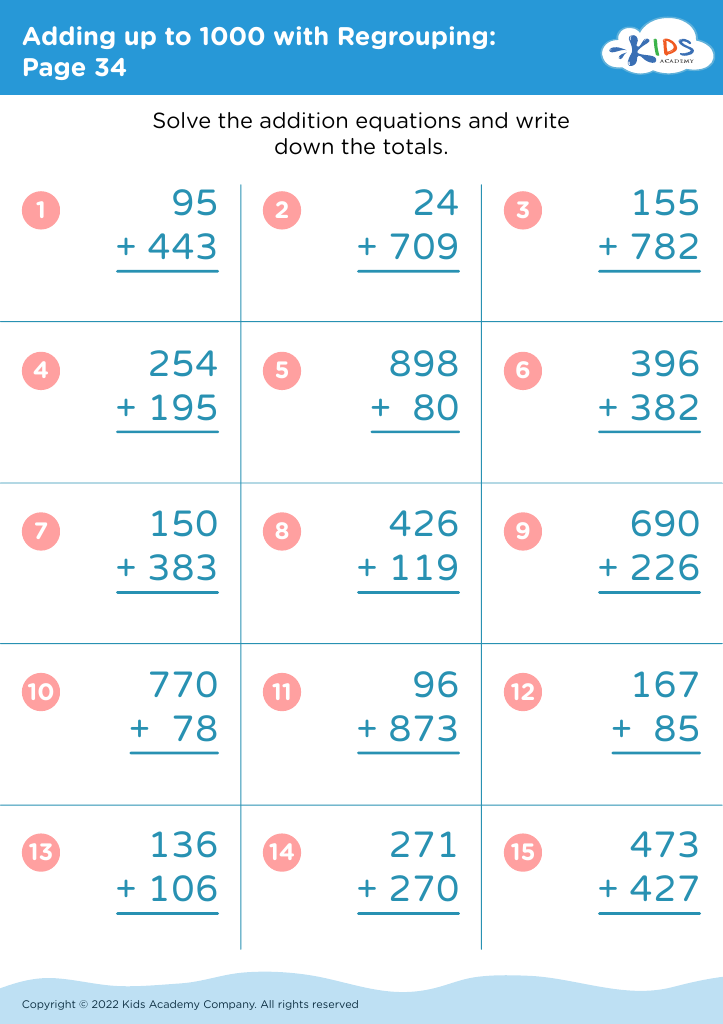
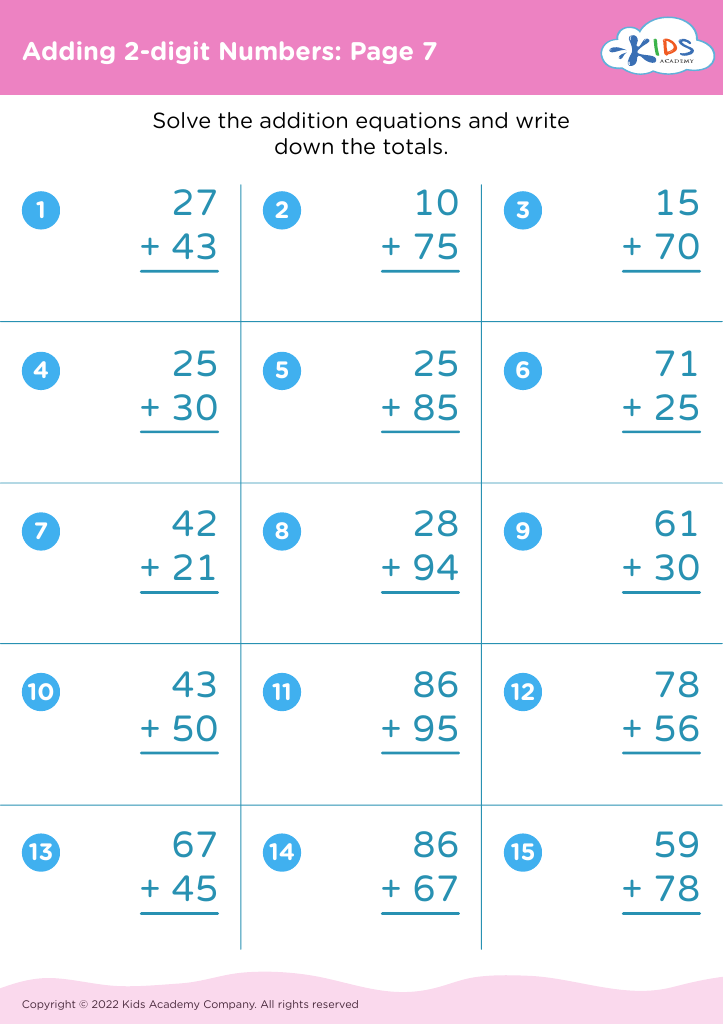
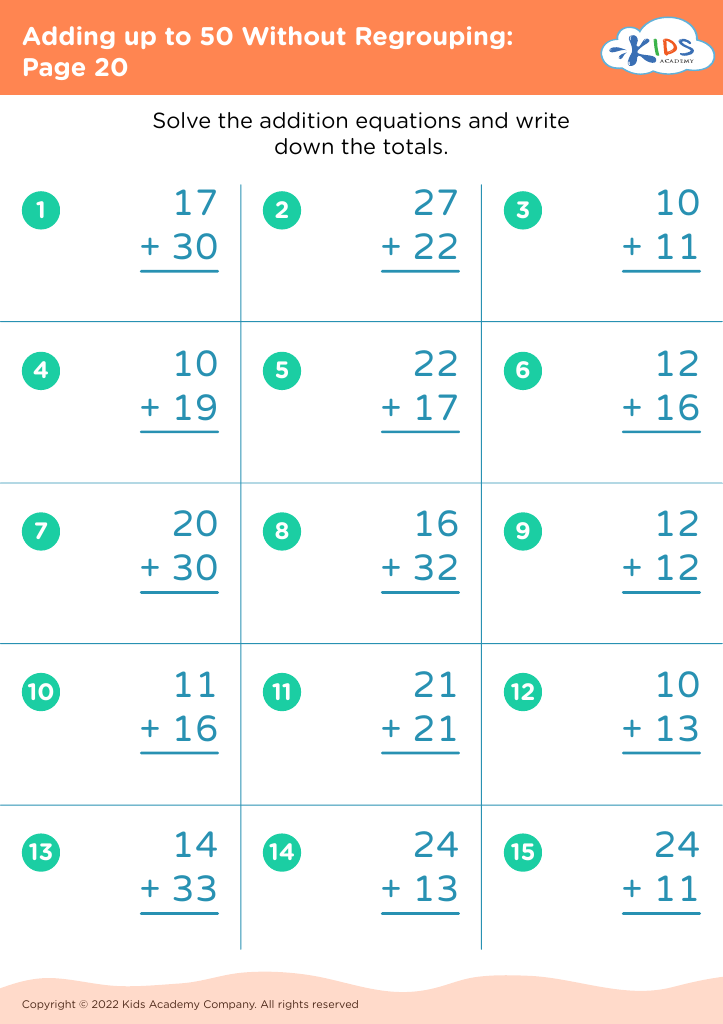
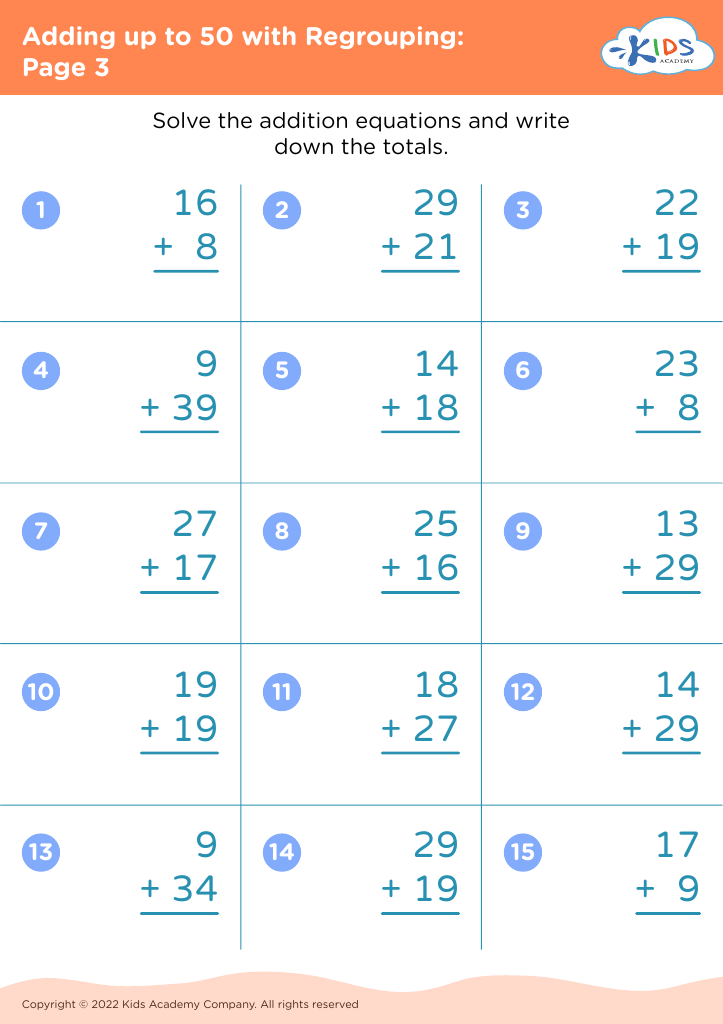
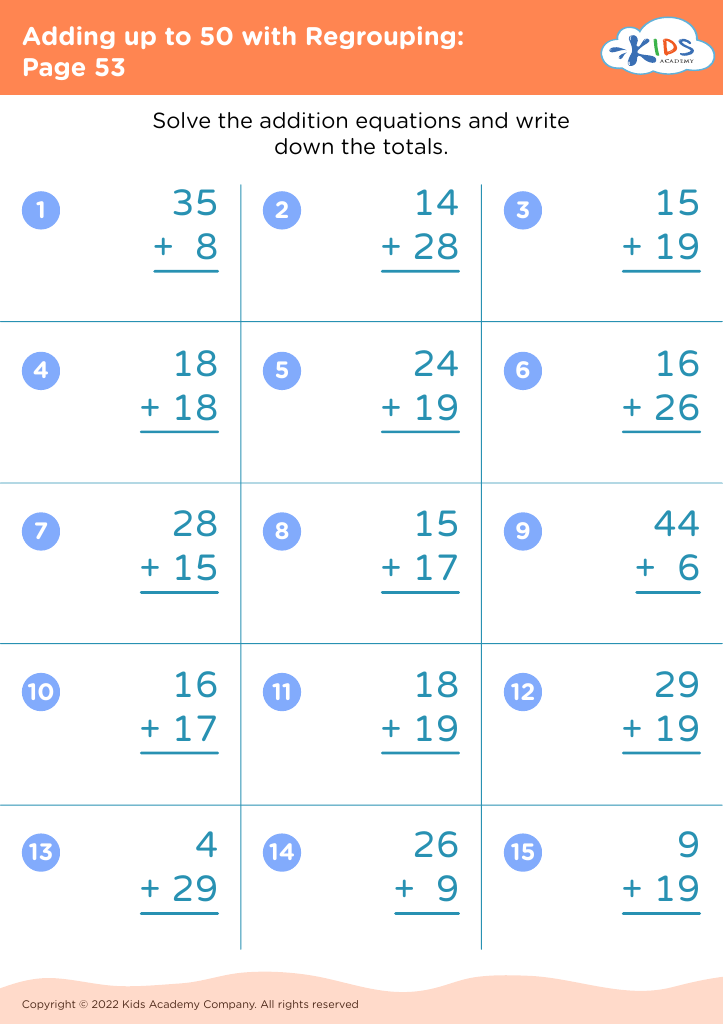
Welcome to our “Practice Counting: Addition & Subtraction Worksheets for Ages 6-7” page! Designed for young learners, these engaging worksheets help children practice essential counting skills while building a strong foundation in addition and subtraction. Tailored for kids aged 6 to 7, each worksheet promotes critical thinking and enhances mathematical fluency in a fun, interactive way. With colorful illustrations and kid-friendly exercises, your child will enjoy hours of learning and practice. Whether at home or in the classroom, these resources are perfect for reinforcing skills, boosting confidence, and preparing your little ones for future math challenges. Start counting and calculating today!
Favorites
With answer key
Interactive
Join Kids Academy for Free
Who is primarily going to use this learning content?








Parents and teachers should prioritize practice in counting, addition, and subtraction for children ages 6-7 because these skills form the foundation for all future mathematics. At this developmental stage, children are not only enhancing their numeracy skills but also fostering critical thinking and problem-solving abilities. Mastery of basic arithmetic provides a sense of accomplishment and builds confidence, encouraging positive attitudes toward learning.
Numerical fluency enables children to efficiently tackle word problems and more complex math concepts as they progress in their education. Furthermore, early practice in addition and subtraction helps to identify individual learning gaps, allowing parents and teachers to provide tailored support. Additionally, these skills are crucial in everyday life, from managing money to understanding time, empowering children to navigate real-world situations.
Engagement in fun counting games, interactive activities, and visual aids helps make learning enjoyable, transforming it into a dynamic process rather than a rote activity. Moreover, practice at this age cultivates perseverance and resilience as children encounter and overcome challenges. By focusing on these fundamental skills, parents and teachers set the stage for lifelong mathematical understanding and success in various academic and personal endeavors.








