Recognizing shapes Addition & Subtraction Worksheets for Ages 6-7 - Page 2
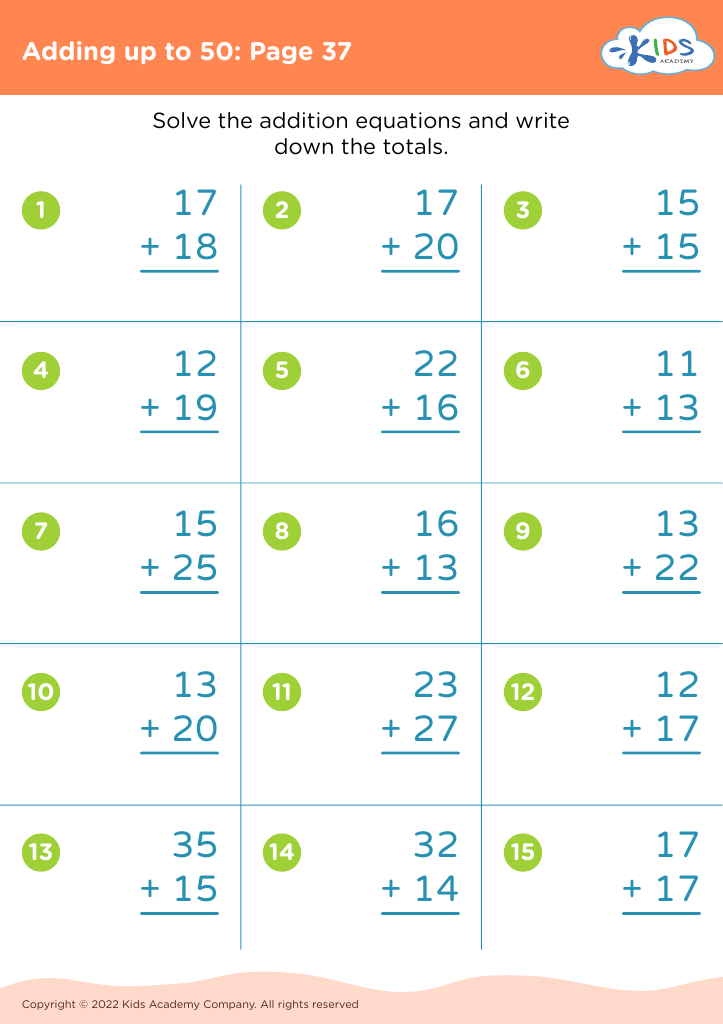
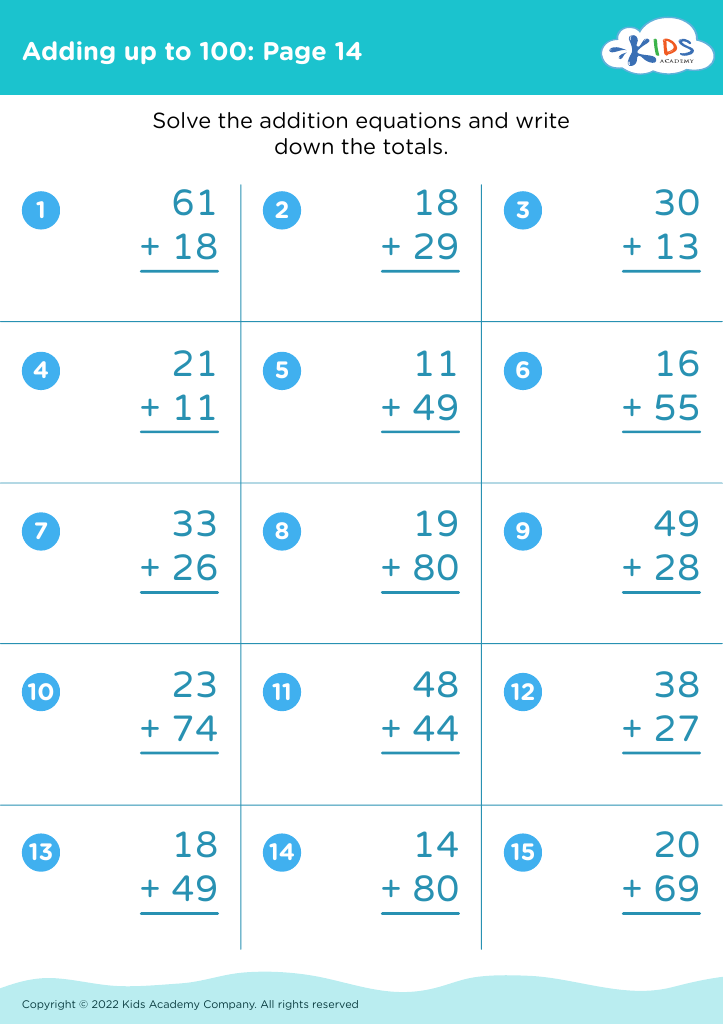
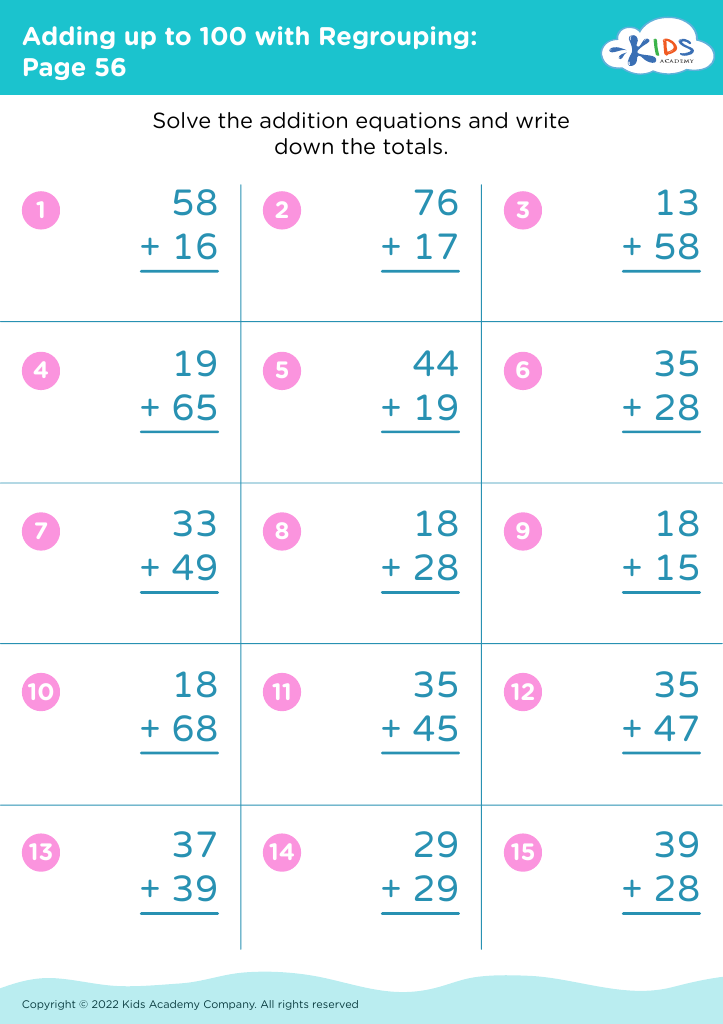
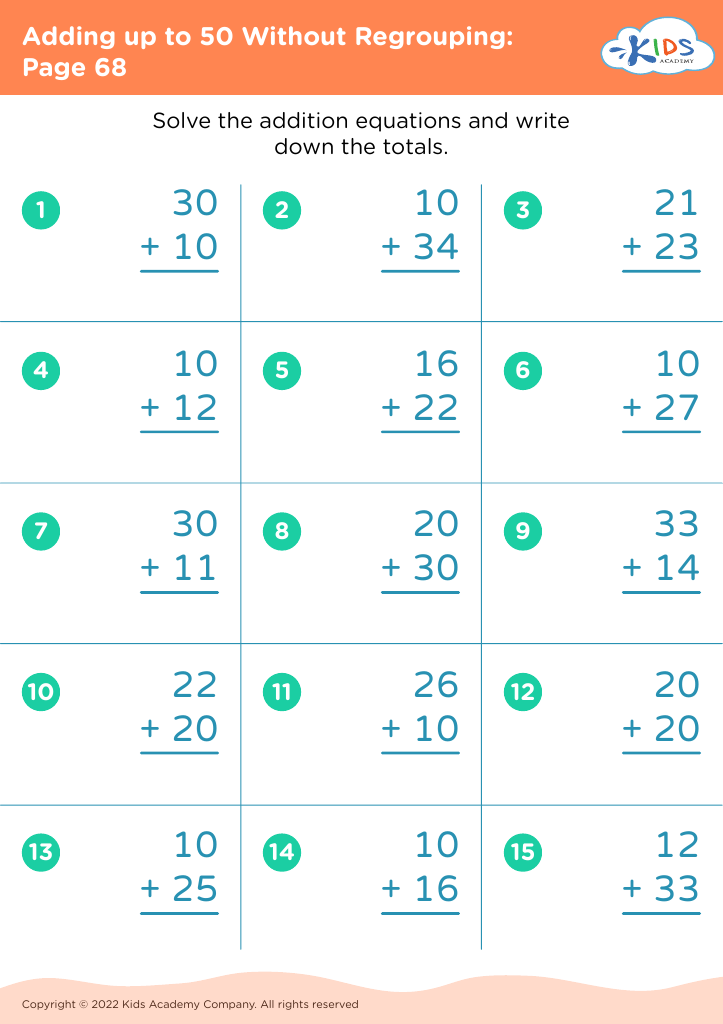








Recognizing shapes, as well as mastering addition and subtraction, are essential building blocks in early childhood development and education, especially for children aged 6-7. Understanding shapes not only develops spatial awareness and cognitive skills but also lays the groundwork for geometry, critical thinking, and problem-solving. When children can identify and describe shapes, they’re also better equipped to understand more complex mathematical concepts later on.
Addition and subtraction, on the other hand, are the foundational operations of arithmetic. Grasping these concepts early is crucial because they form the basis of more advanced math skills like multiplication, division, and fractions. Learning how to add and subtract helps children develop logical thinking and analytical skills.
For parents and teachers, focusing on these areas is vital because early success in math builds confidence and fosters a positive attitude toward learning. During these formative years, children’s brains are exceptionally receptive, making it easier to instill these fundamental skills. Consequently, this early competence can spark a lifelong interest and proficiency in mathematics and related fields.
Overall, ensuring children aged 6-7 properly understand shapes, addition, and subtraction sets the stage for their continued academic success and nurtures intellectual curiosity.








