
Understand multiplication Addition & Subtraction Worksheets for Ages 6-7
6 filtered results
Difficulty Level
Grade
Age
-
From - To
Subject
Activity
Standards
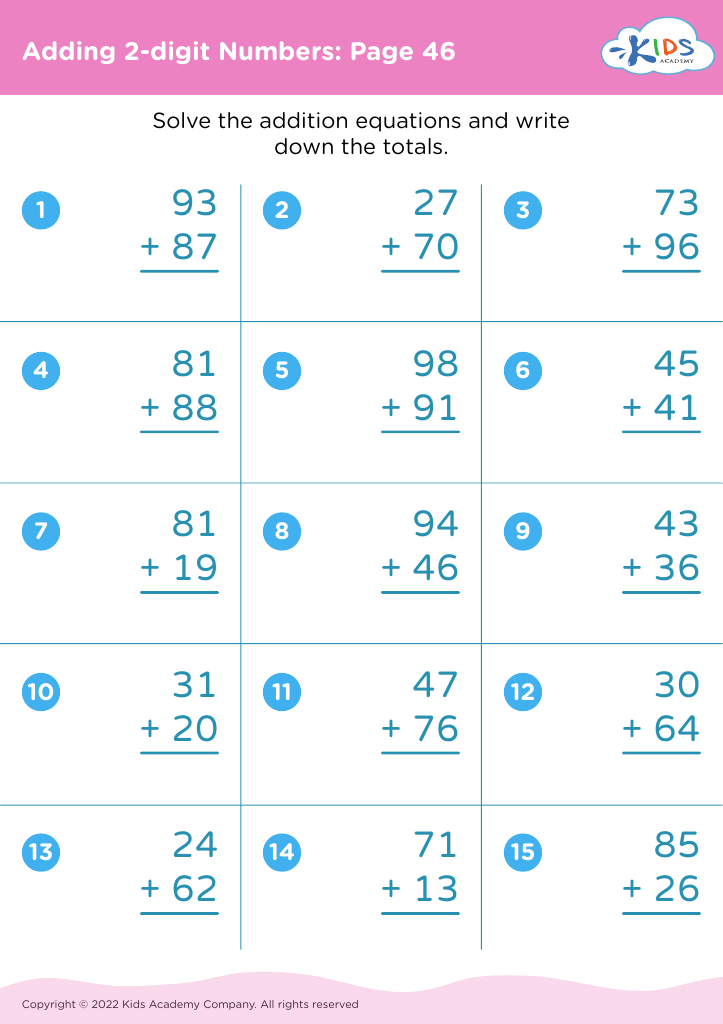
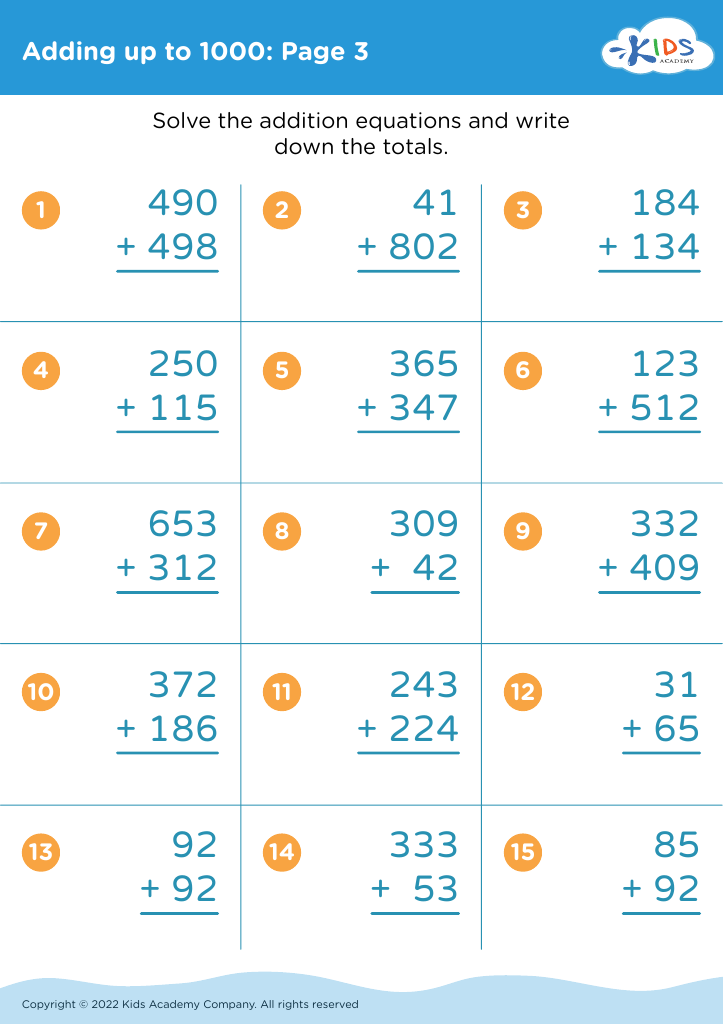
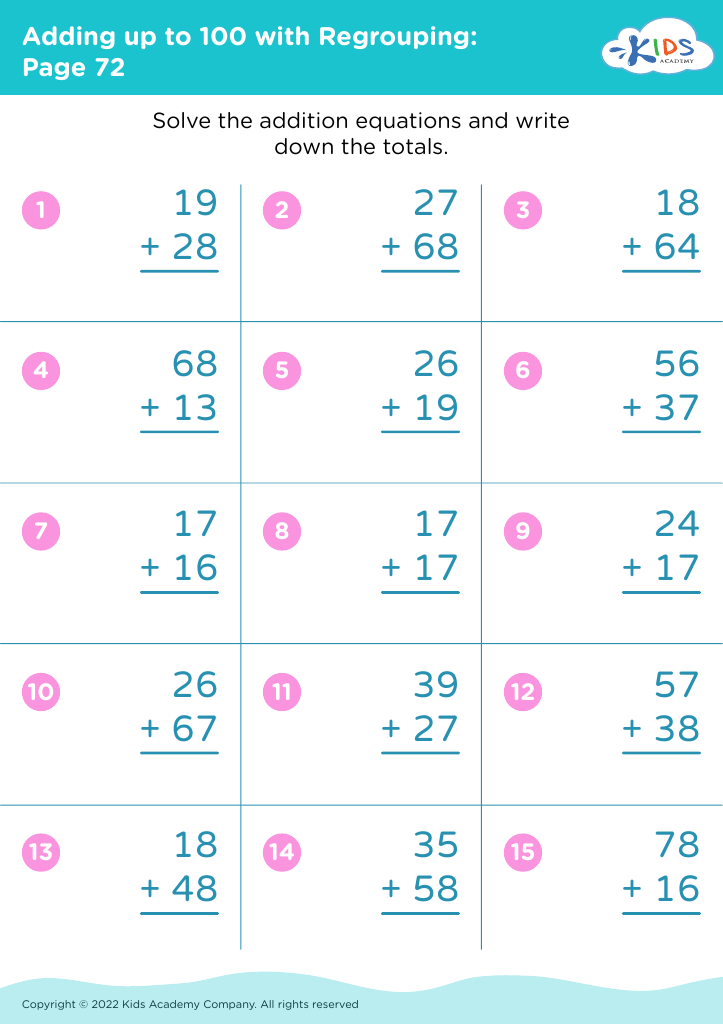
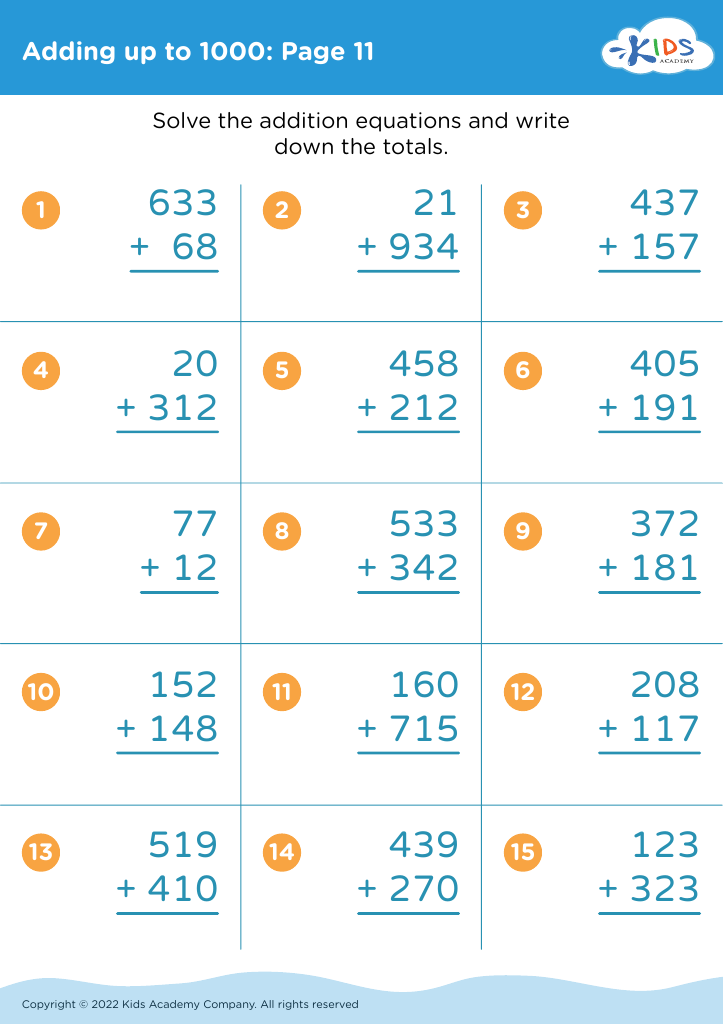
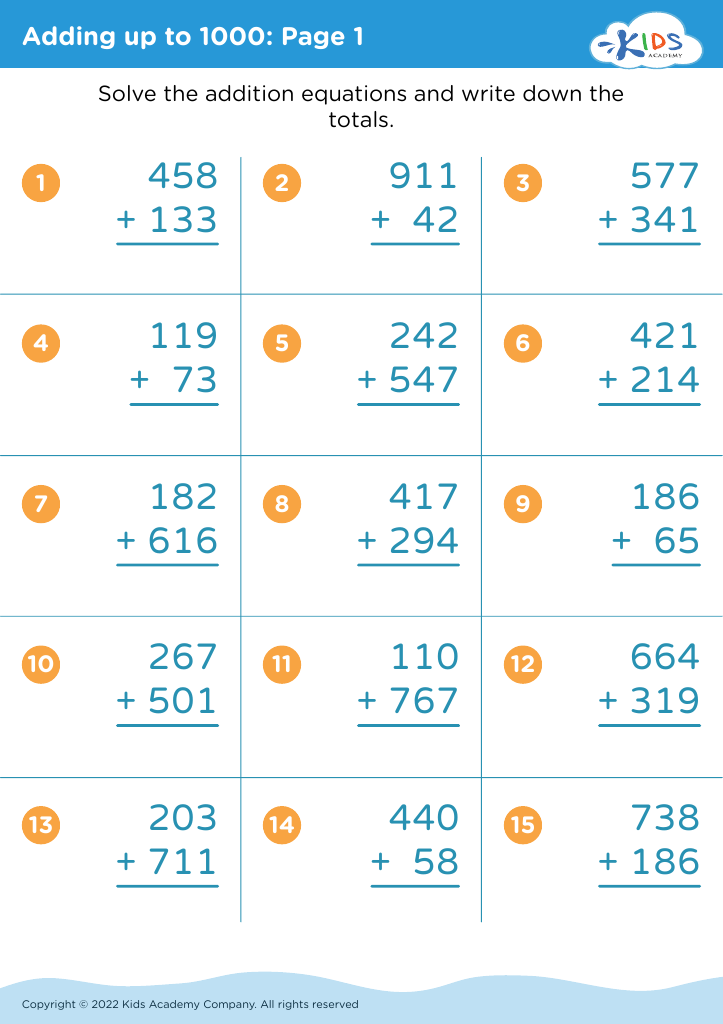
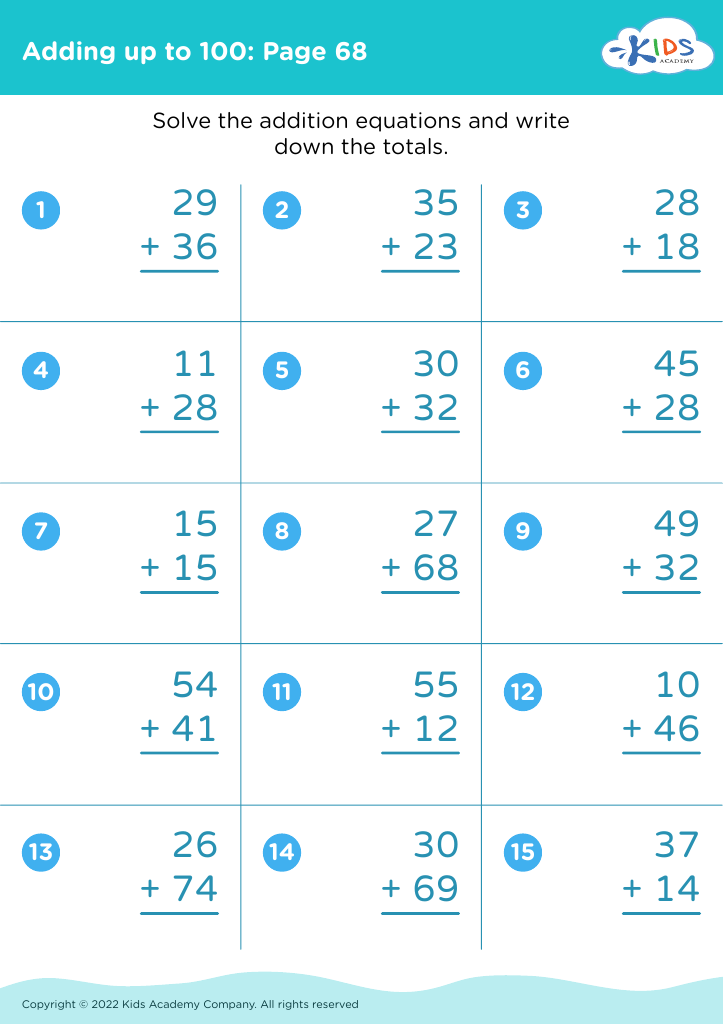
Introducing our engaging "Understand Multiplication, Addition & Subtraction Worksheets" designed specifically for children aged 6-7! These worksheets provide a fun and interactive way for young learners to grasp essential math concepts. Through colorful illustrations and relatable examples, kids will confidently explore the relationship between addition, subtraction, and the foundations of multiplication. Our carefully crafted activities promote critical thinking skills while ensuring a strong understanding of arithmetic operations. Ideal for classroom use or home learning, these resources help children build a solid math foundation, paving the way for future success in their academic journey. Start your child’s math adventure today!
Favorites
With answer key
Interactive
Join Kids Academy for Free
Who is primarily going to use this learning content?








Understanding multiplication, addition, and subtraction is crucial for children aged 6-7 because these foundational skills serve as the building blocks for future math concepts. At this age, children are beginning to grasp more complex mathematical ideas, and a solid comprehension of these operations enhances their problem-solving abilities and critical thinking skills.
Parents and teachers play a vital role in this developmental stage by providing support and encouragement. Mastery of addition and subtraction helps children develop mental math skills, fostering confidence and independence in handling numbers. Multiplication introduces them to more advanced patterns and concepts, encouraging logical reasoning.
Furthermore, early proficiency in these areas can greatly influence a child's attitude toward math. When children feel successful, they are more likely to maintain interest and pursue higher-level math later on.
Moreover, everyday scenarios provide practical contexts in which to practice these concepts, making learning relatable and enjoyable. For instance, shopping, cooking, and playing games can offer engaging ways to explore math. Therefore, prioritizing understanding in these operations not only enriches academic growth but also nurtures essential life skills in young learners.








