
Visual discrimination Addition & Subtraction Worksheets for Ages 6-7
4 filtered results
Difficulty Level
Grade
Age
-
From - To
Subject
Activity
Standards
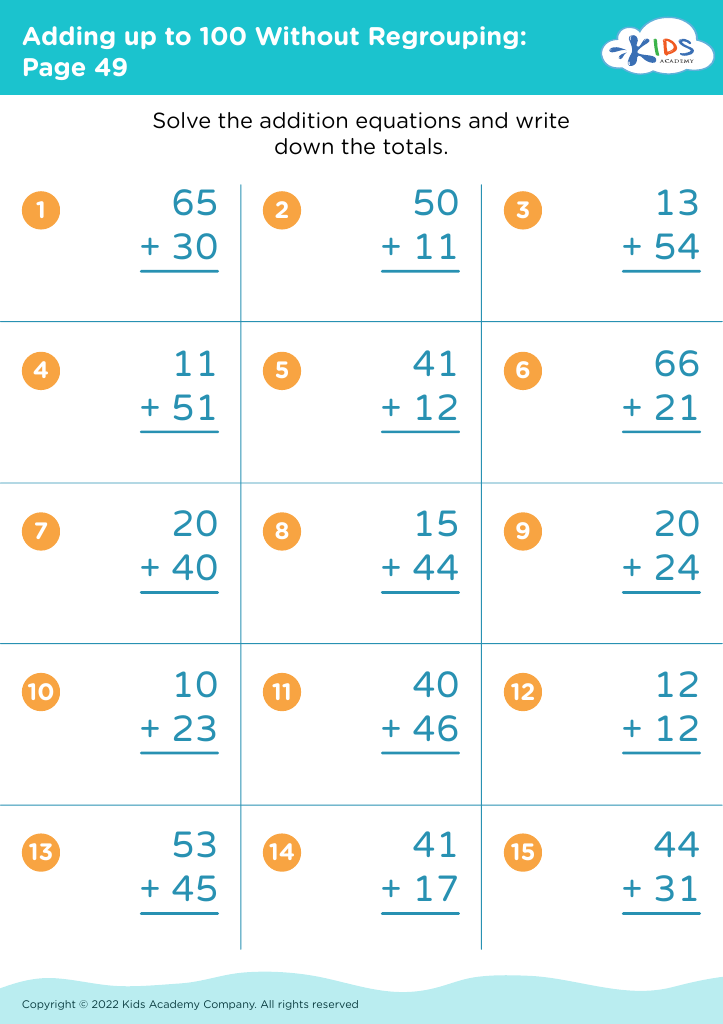
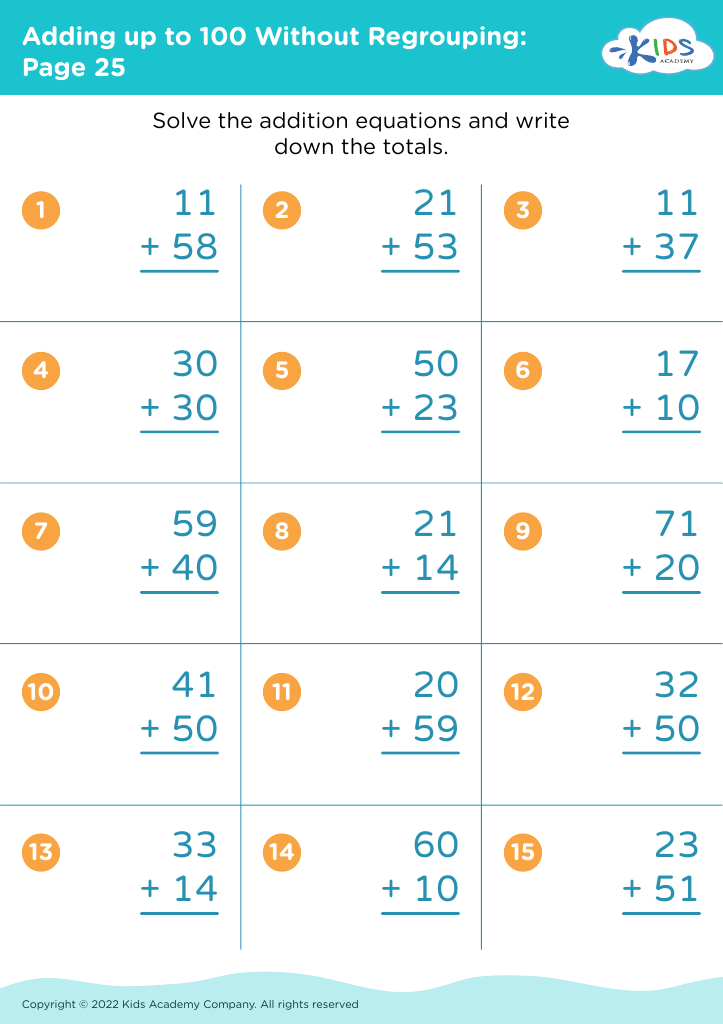
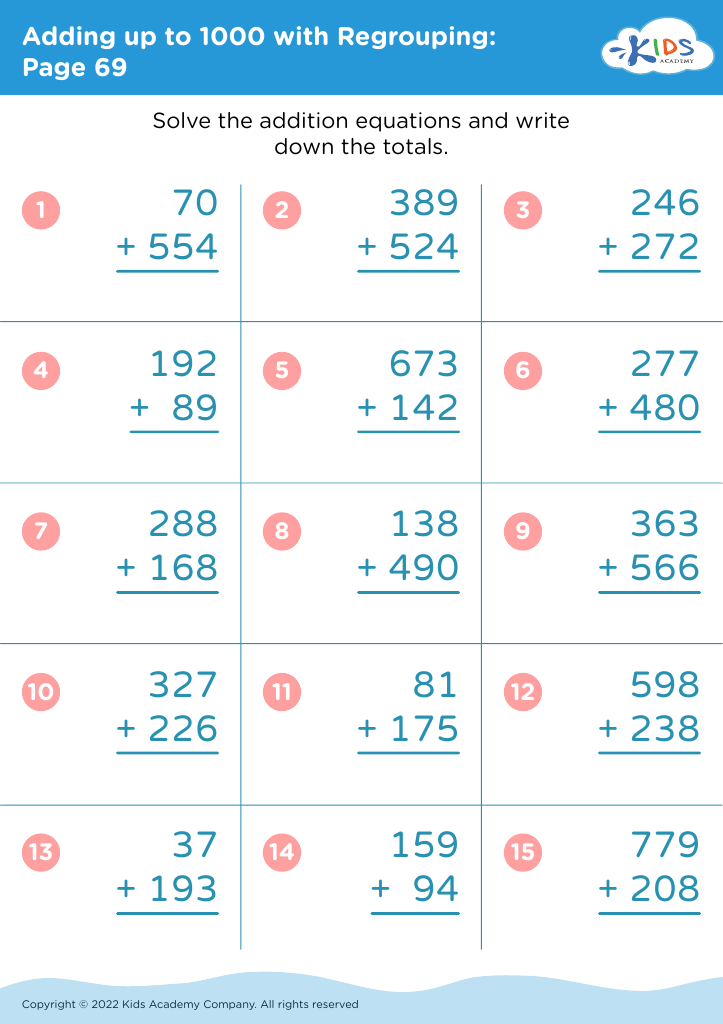
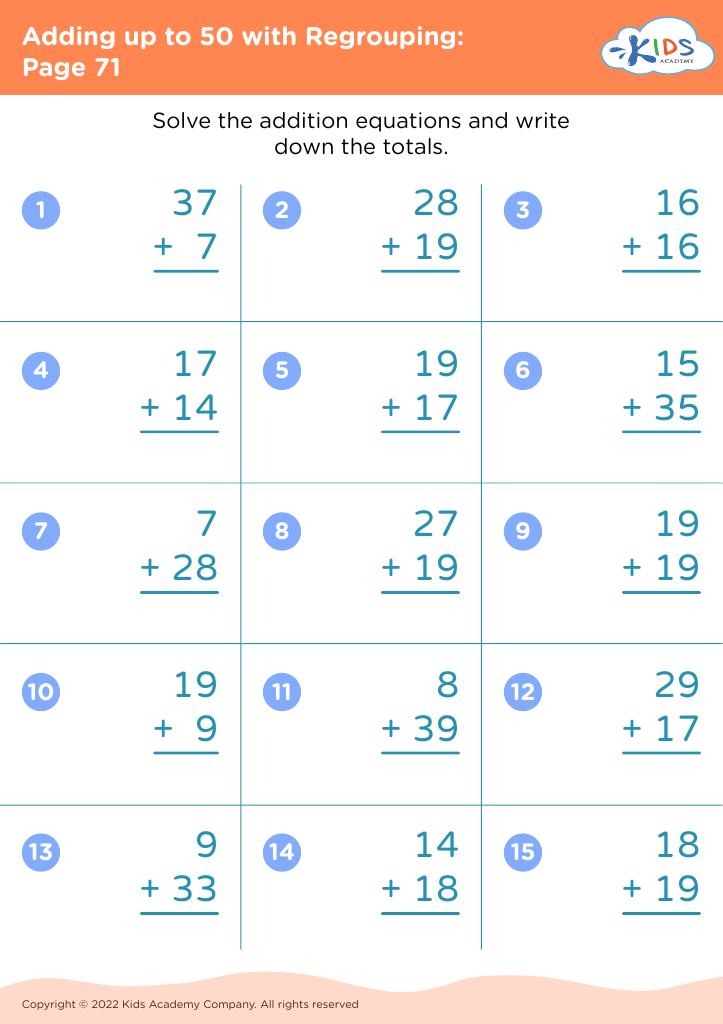
Our Visual Discrimination Addition & Subtraction Worksheets for ages 6-7 provide engaging activities to build crucial mathematical skills in young learners. Tailored for first graders, these worksheets focus on enhancing visual discrimination skills while mastering basic addition and subtraction. Featuring colorful illustrations and fun exercises, children can easily differentiate and recognize numbers, fostering strong problem-solving abilities. Perfect for classroom or home use, these printable resources help kids develop confidence and accuracy in their math skills. Encourage your child’s mathematical journey by integrating these worksheets into their everyday learning routine. Discover the joy of learning with Kids Academy.
Favorites
With answer key
Interactive
Join Kids Academy for Free
Who is primarily going to use this learning content?








Visual discrimination in addition and subtraction is essential for children ages 6-7 as it forms the foundation for mathematical understanding and problem-solving skills. At this developmental stage, children are transitioning from concrete to more abstract thought processes. Visual discrimination enables them to recognize numbers, symbols, and patterns quickly and accurately, which is crucial for confusing-free addition and subtraction.
For parents and teachers, nurturing these skills means fostering a child’s ability to differentiate between numerical values and mathematical signs (+, -, =). This helps prevent common errors like mistaking a plus for a minus or misreading a problem's details, which can lead to setbacks in learning. Additionally, good visual discrimination supports overall cognitive development and enhances the ability to comprehend and categorize information, aiding other academic areas beyond math, such as reading and writing.
Furthermore, engaging children with visually stimulating materials and interactive activities makes math more relatable and enjoyable, encouraging a positive attitude towards the subject. Efforts in strengthening visual discrimination can lead to higher confidence in math-related tasks, setting a solid groundwork for future academic success and critical thinking abilities. Therefore, parents and teachers should prioritize these skills to ensure robust foundational learning.








