
Drawing skills Addition Worksheets for Ages 6-7
6 filtered results
Difficulty Level
Grade
Age
-
From - To
Subject
Activity
Standards
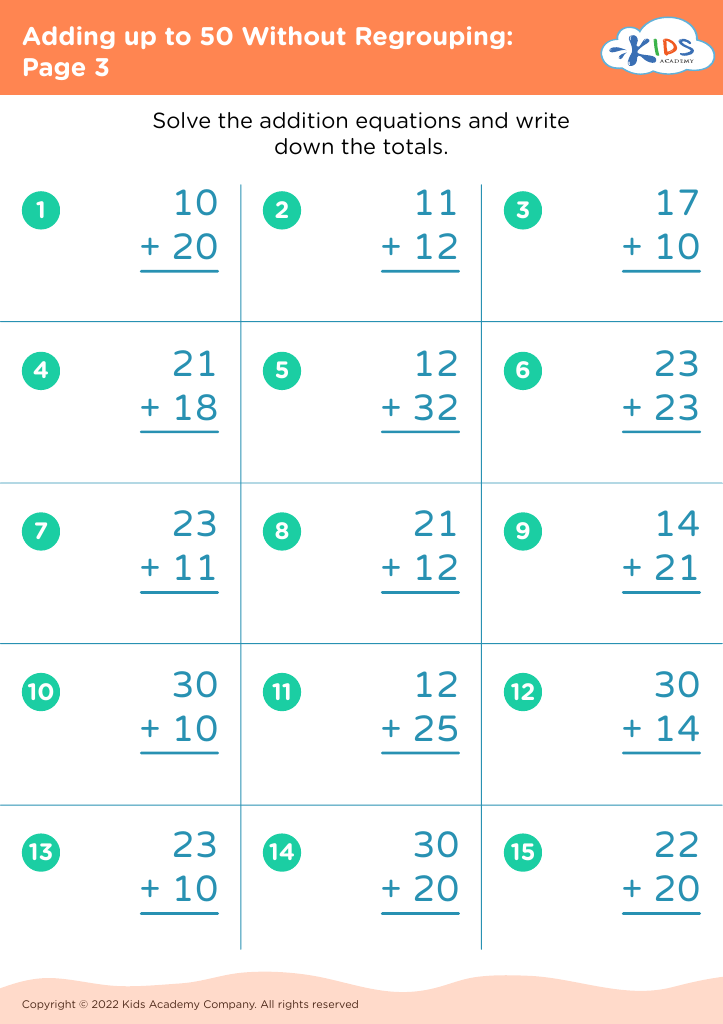
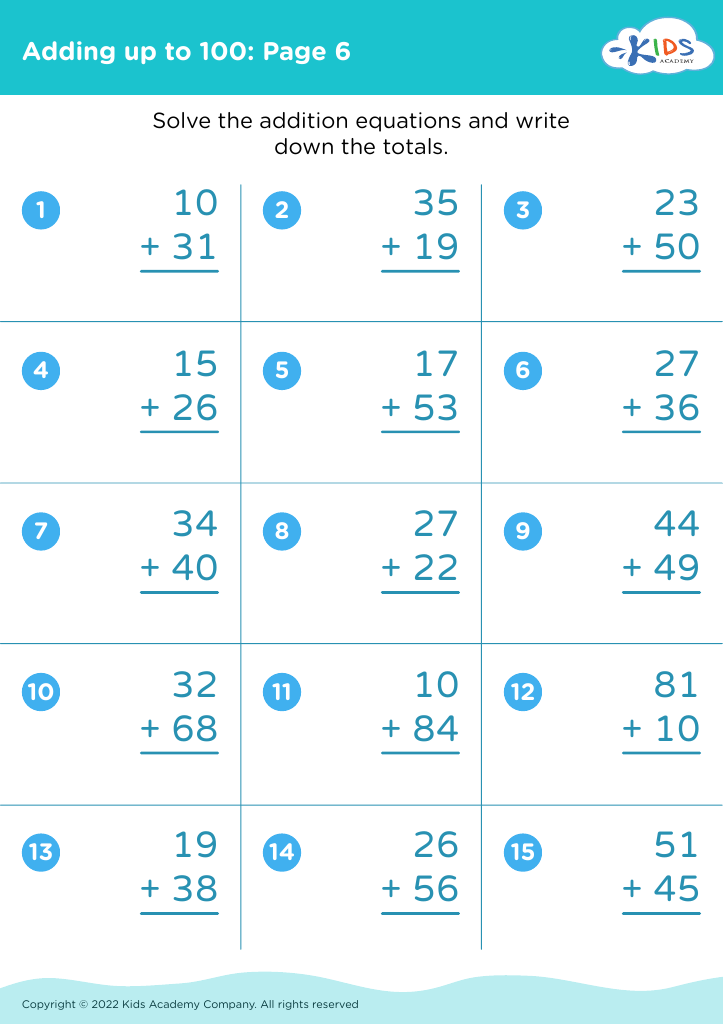
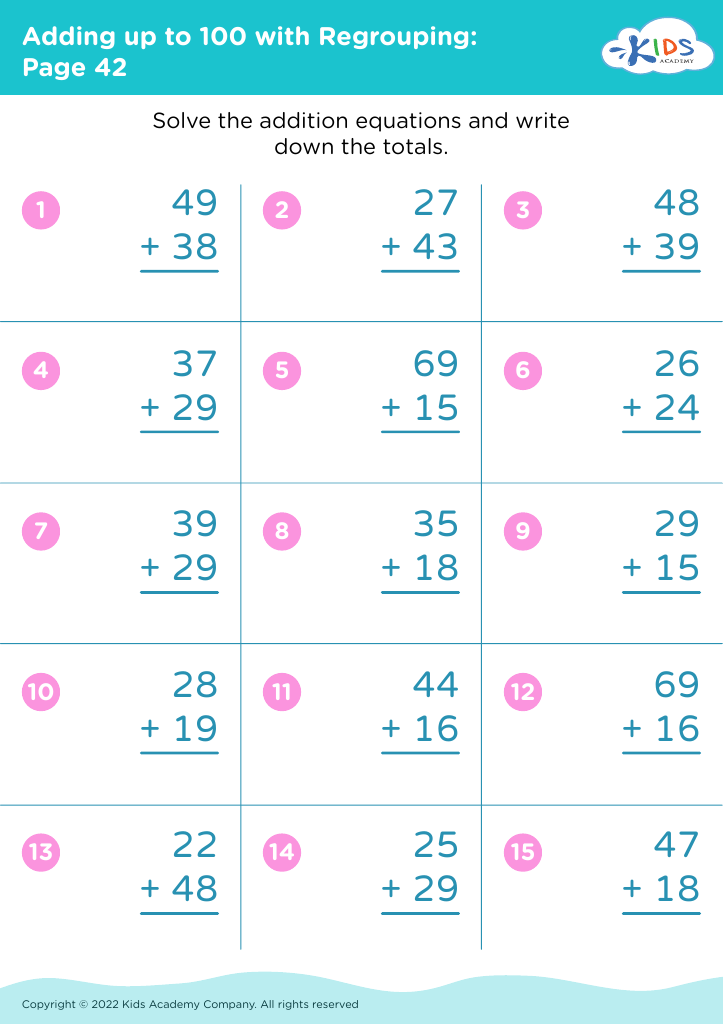
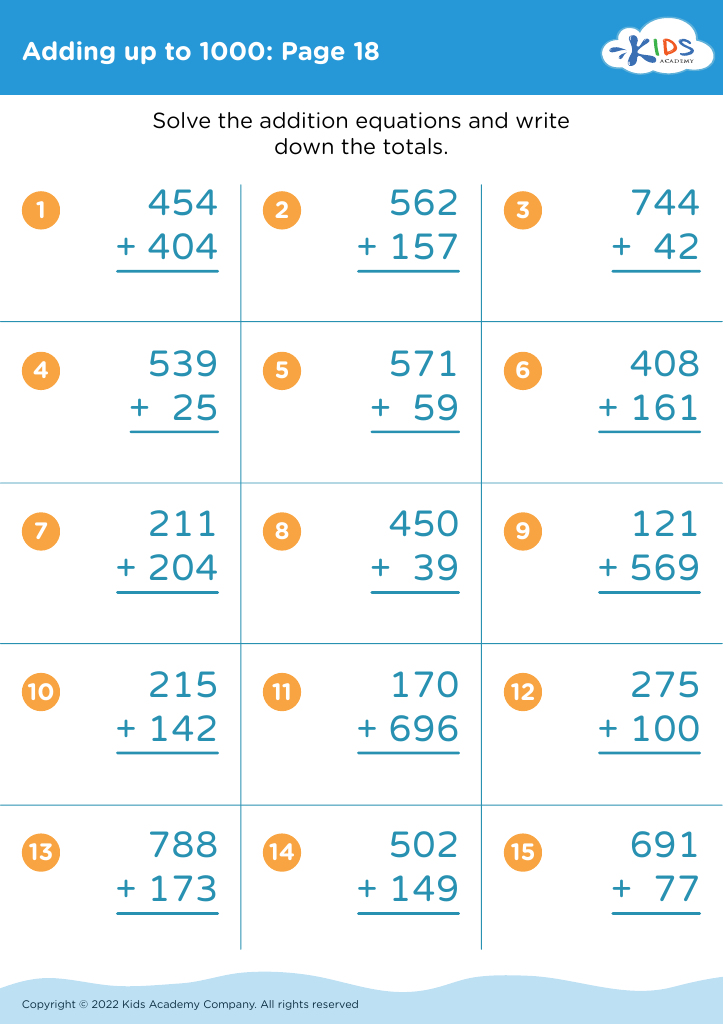
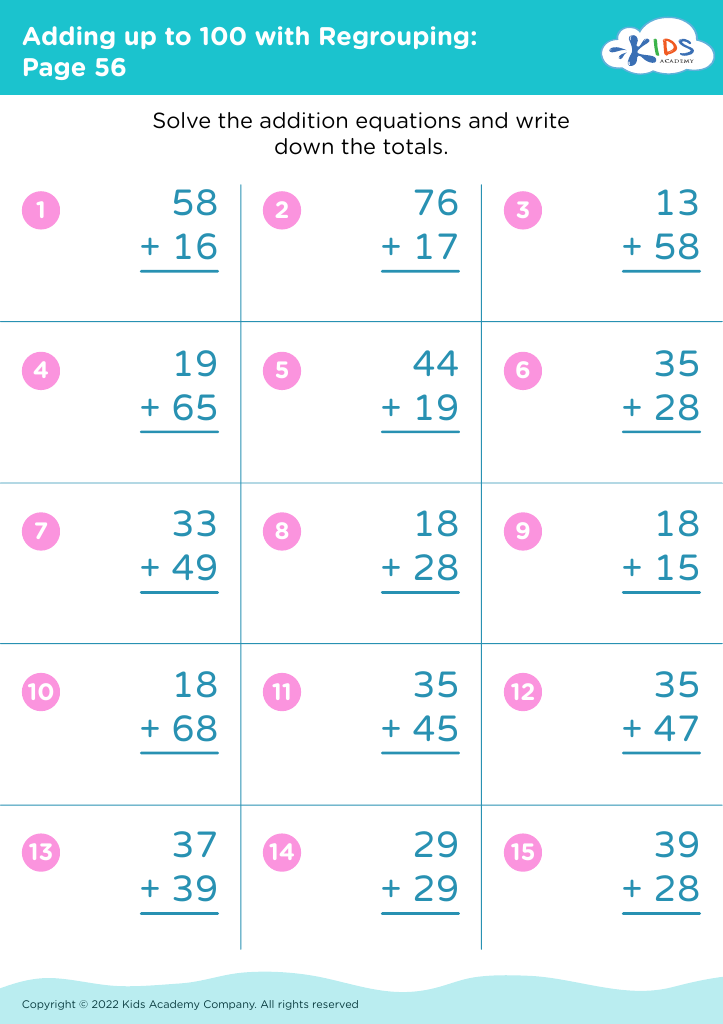
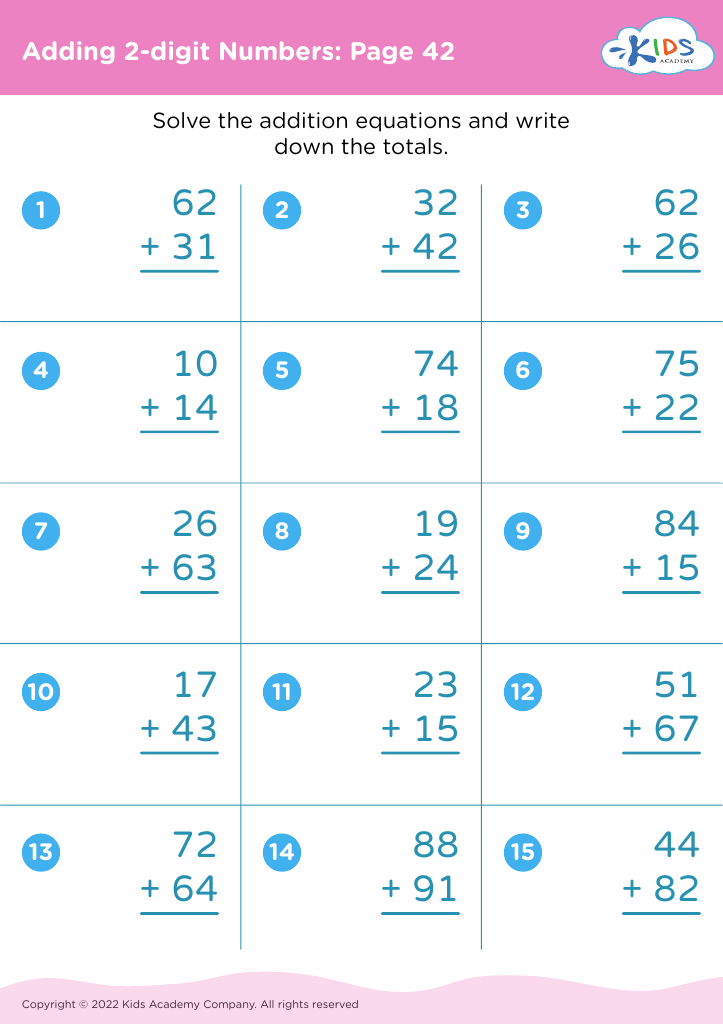
Enhance your child’s learning experience with our Drawing Skills Addition Worksheets designed for ages 6-7. These fun and engaging worksheets combine essential math practice with creative drawing activities to make learning addition enjoyable. Each worksheet encourages children to solve addition problems and then illustrate their answers, fostering both math skills and artistic confidence. Ideal for young learners, these printables help improve fine motor skills, focus, and concentration while reinforcing addition concepts. Give your child the tools they need to succeed in math through our interactive and educational resources.
Favorites
With answer key
Interactive
Join Kids Academy for Free
Who is primarily going to use this learning content?








Parents and teachers should care about developing drawing skills in children aged 6-7 because these skills play a vital role in overall development. Firstly, drawing enhances fine motor skills, crucial for tasks like writing and typing. Children at this age are refining their hand-eye coordination, and drawing offers excellent practice. Secondly, it fosters creativity and imagination, enabling children to express themselves uniquely and understand the world around them from different perspectives.
Drawing activities among young kids also contribute to cognitive growth by improving observational skills and memory. When children draw, they often replicate images and scenes from their environment, making them more attentive and aware of details. Additionally, drawing can be an effective emotional outlet. Children might not yet fully articulate their feelings in words, but they can communicate through their artwork, providing parents and teachers valuable insights into their emotional states.
Socially, drawing can foster collaboration and sharing, as children often enjoy creating art together or showcasing their work. This interaction not only boosts their communication skills but also builds confidence. Lastly, linking drawing with other subjects, such as math and science, can make learning more engaging and facilitate the understanding of complex concepts. Hence, encouraging drawing skills lays a solid foundation for well-rounded development.








