Fraction identification Addition Worksheets for Ages 6-7
5 filtered results
-
From - To
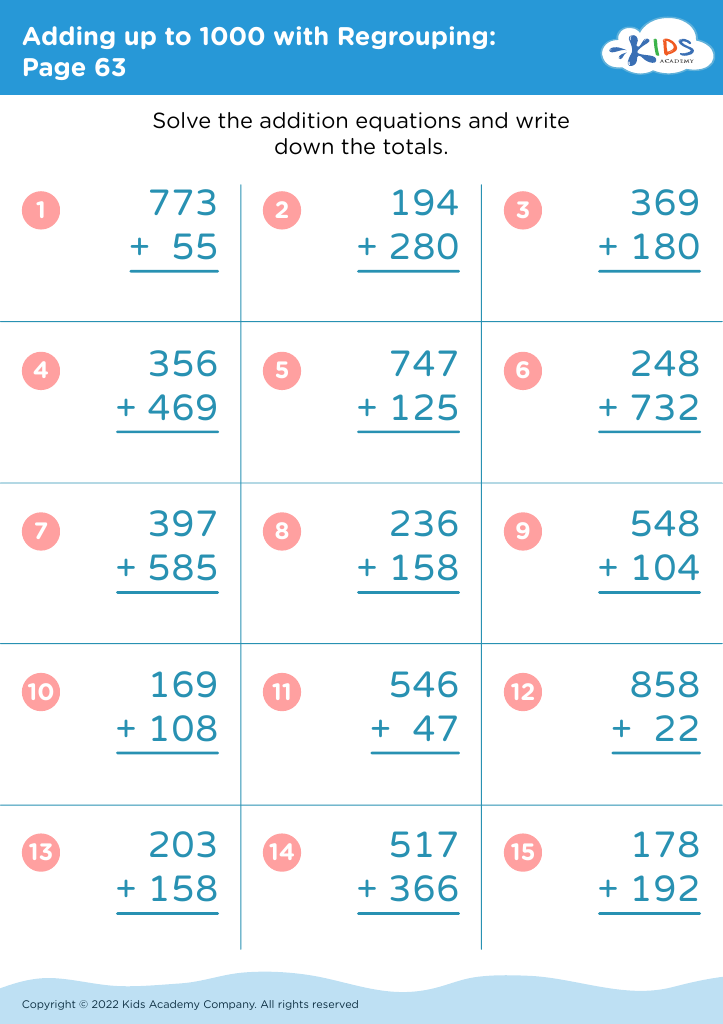
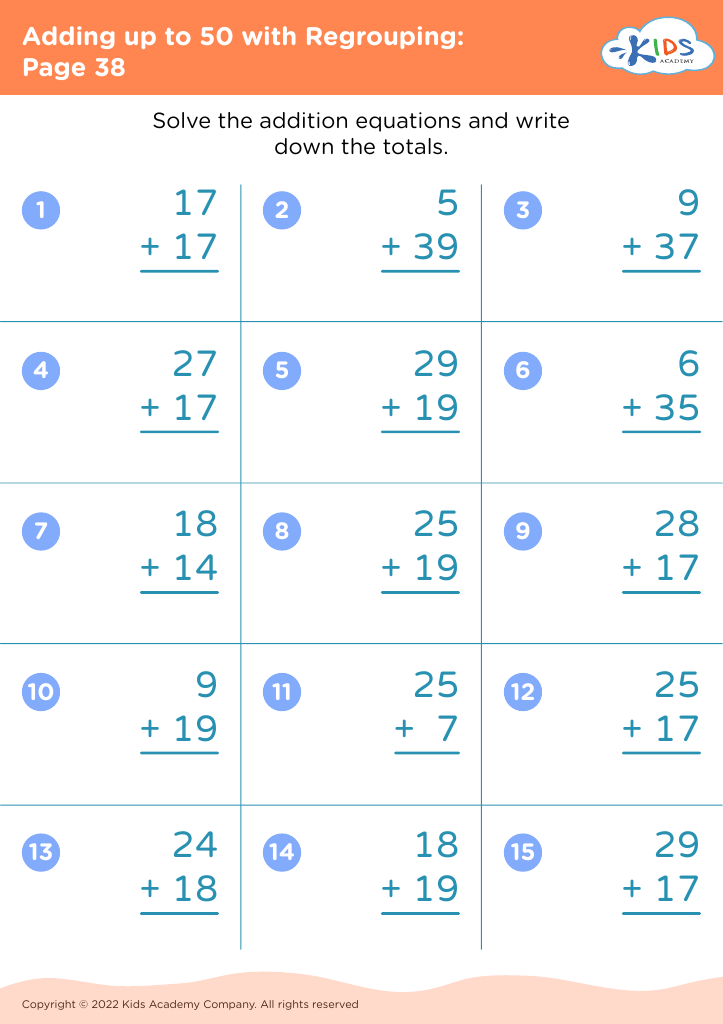
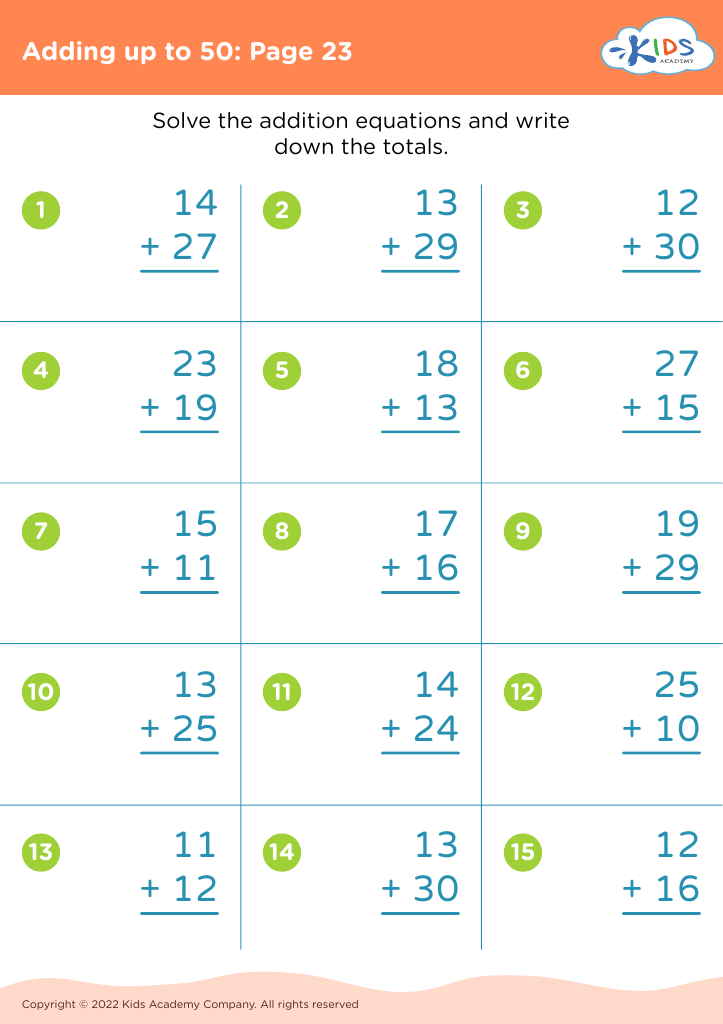
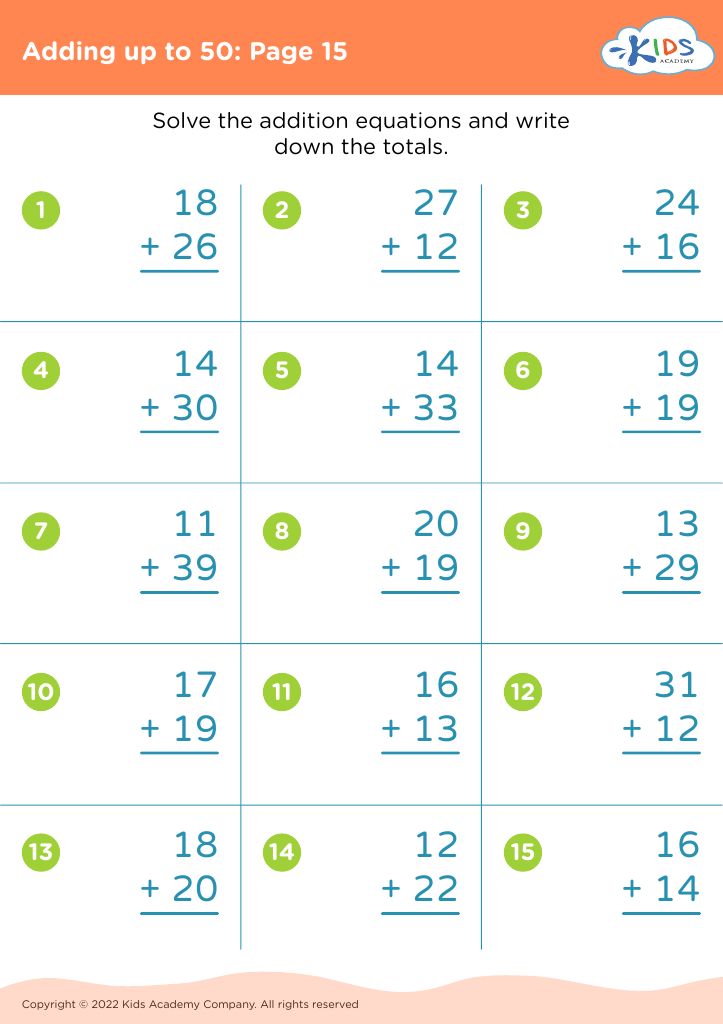
Discover our engaging Fraction Identification Addition Worksheets designed specifically for children aged 6-7! These interactive resources help young learners grasp important math concepts while exploring fractions and their addition. With colorful visuals and age-appropriate exercises, students will enhance their math skills in a fun and effective way. Each worksheet encourages critical thinking and problem-solving, enabling kids to confidently identify and add fractions. Perfect for classroom use or homeschooling, these worksheets provide a solid foundation for future math success. Dive into the world of fractions and addition, and watch your child's understanding and enthusiasm for math grow!
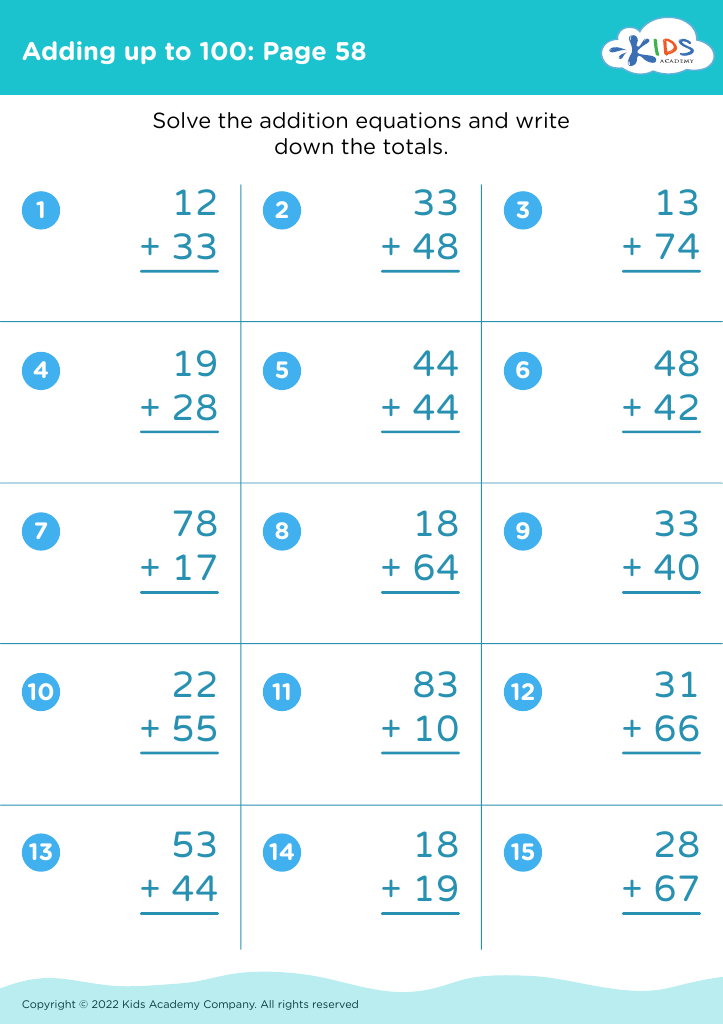







.jpg)
Understanding fraction identification and addition is crucial for children aged 6-7 as it lays the groundwork for more advanced mathematical concepts. Early exposure to fractions helps young learners develop a strong number sense, which is essential for their overall cognitive development and future success in math.
For parents and teachers, focusing on fractions can enhance a child's problem-solving skills and boost their confidence. Fraction identification—recognizing different parts of a whole—encourages kids to think critically and visually. When they learn to add fractions, they also grasp the concept of combining parts to make a whole, which is foundational for understanding larger mathematical operations.
Moreover, fractions are involved in everyday situations, such as cooking or sharing items, making this concept relatable to children. By connecting fractions to real-life scenarios, educators and parents can make learning more engaging and relevant.
It's also important for fostering collaboration and communication skills, as kids often work in groups to solve fraction problems. Emphasizing these concepts at a young age not only enriches their mathematical understanding but also promotes a positive attitude towards learning, creating a strong base for their future academic journey.








