Identify shapes Addition Worksheets for Ages 6-7
10 filtered results
-
From - To
Our "Identify Shapes Addition Worksheets for Ages 6-7" seamlessly combine geometry and arithmetic to make learning fun for young kids. Designed specifically for first graders, these printable worksheets help children recognize and identify basic shapes while practicing addition. With engaging illustrations and simple problems, kids enhance their math skills, improve shape recognition, and develop a love for learning. Perfect for both classroom and home use, these worksheets encourage independent problem-solving and critical thinking, laying a strong foundation for future math success. Download now and watch your child’s confidence in math grow!
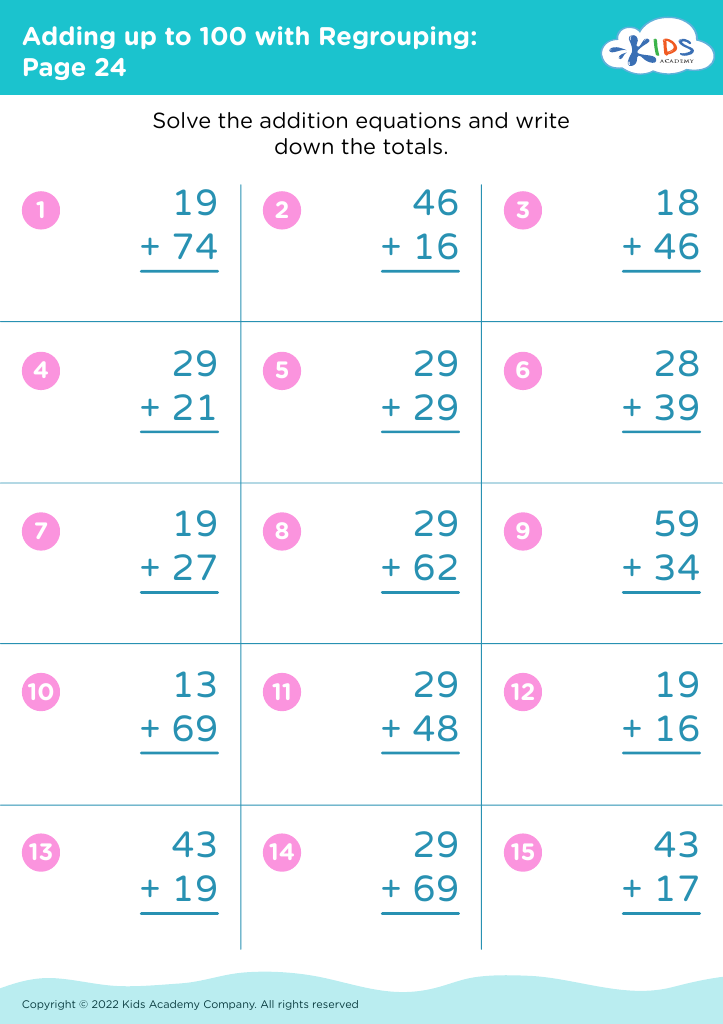
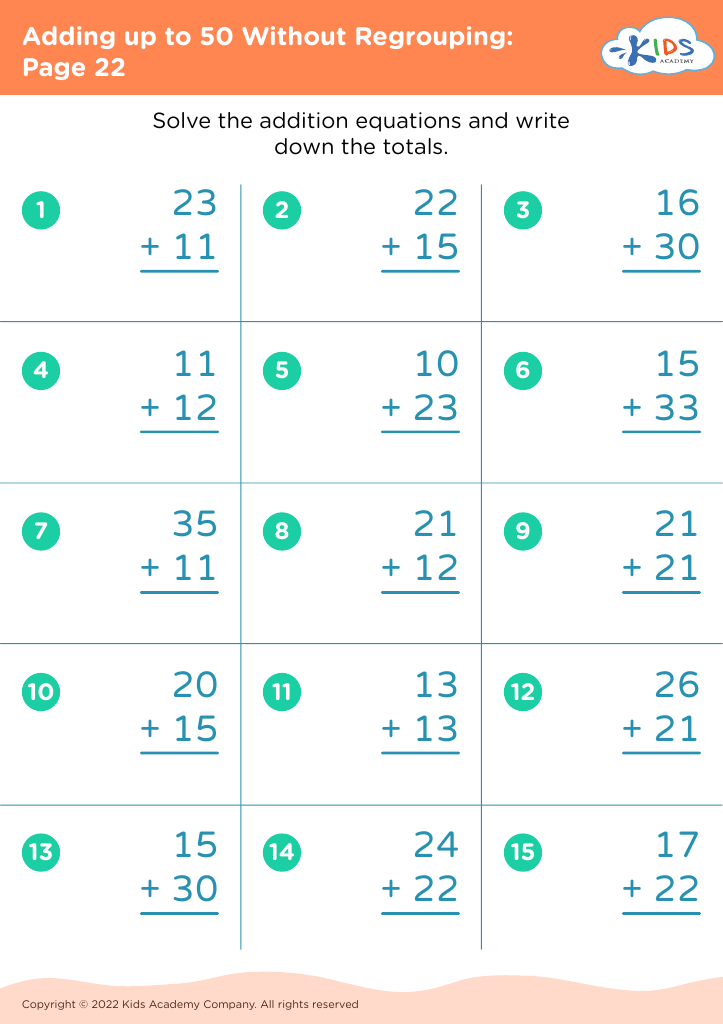
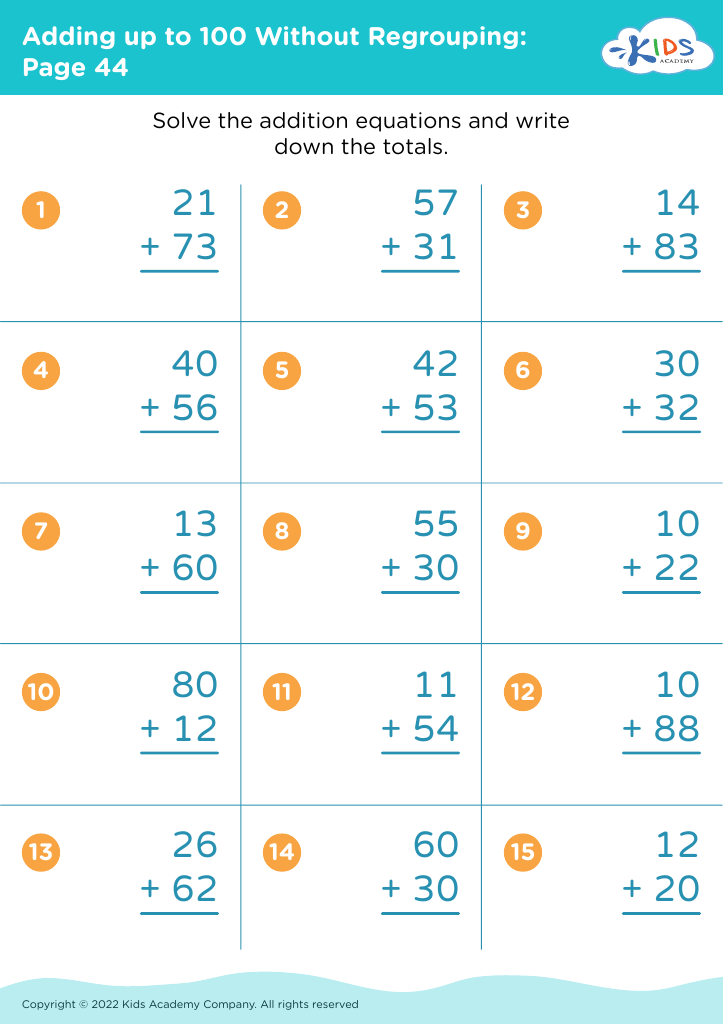
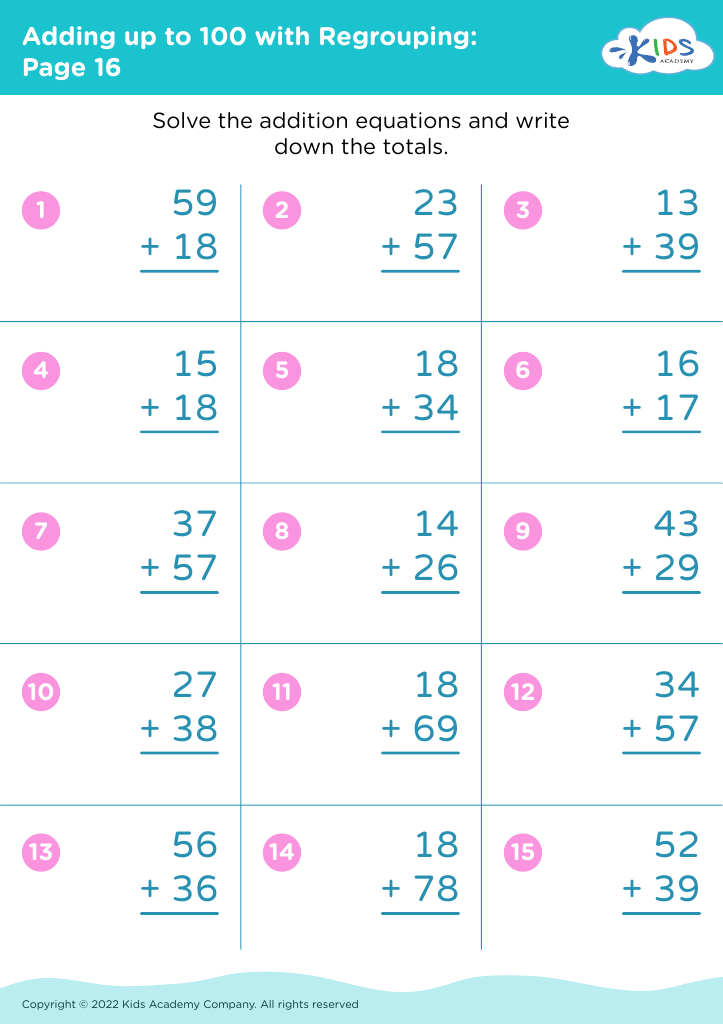
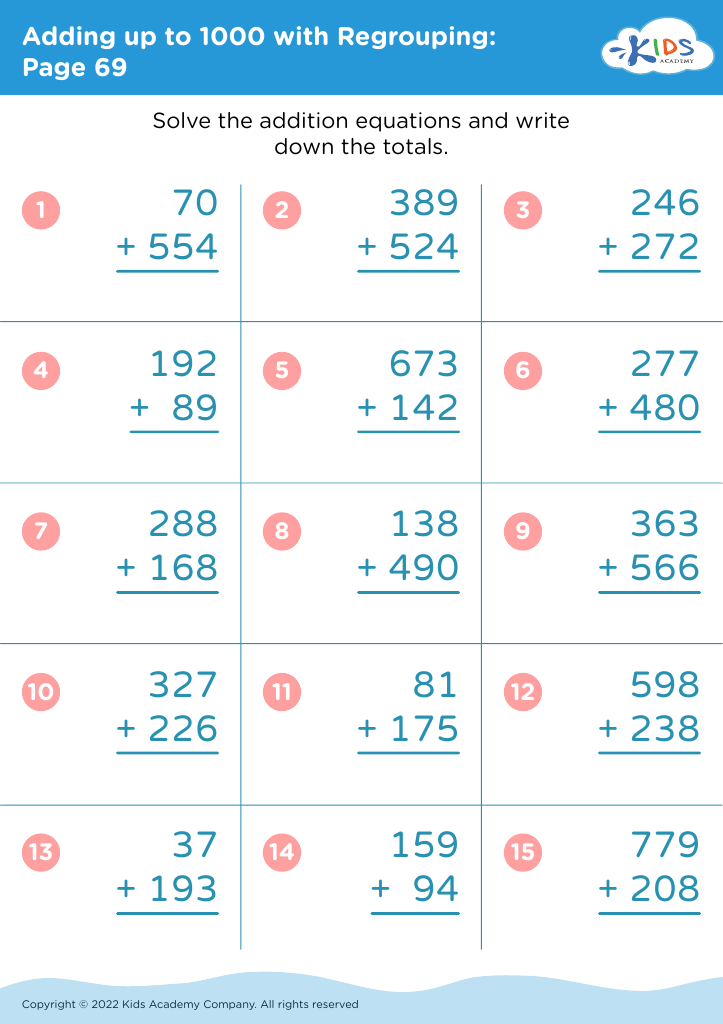
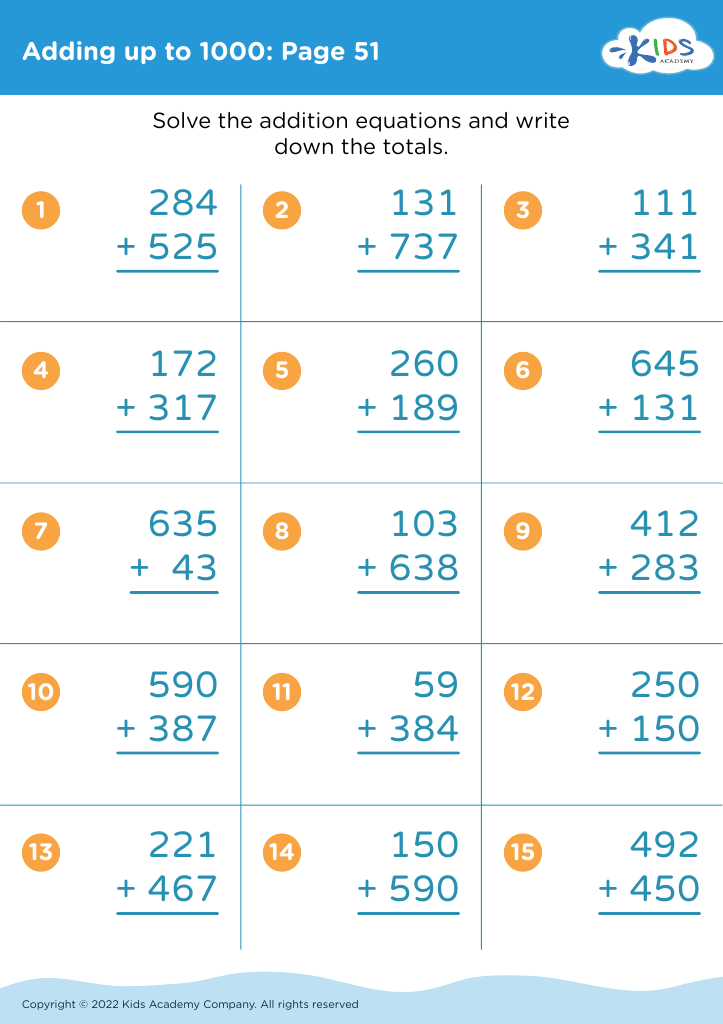
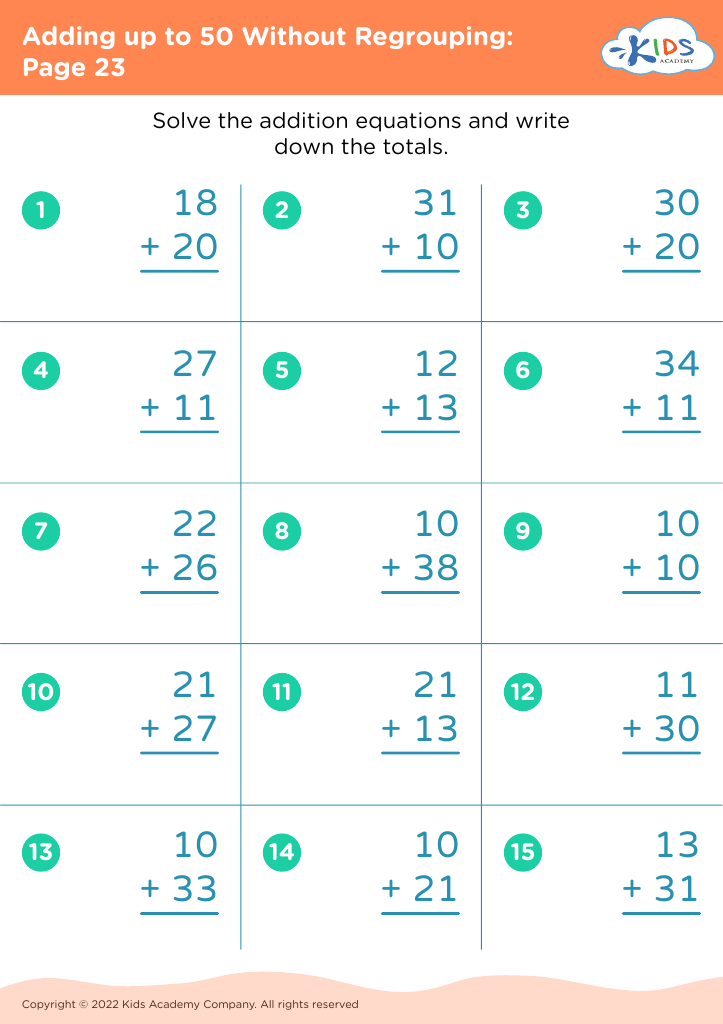
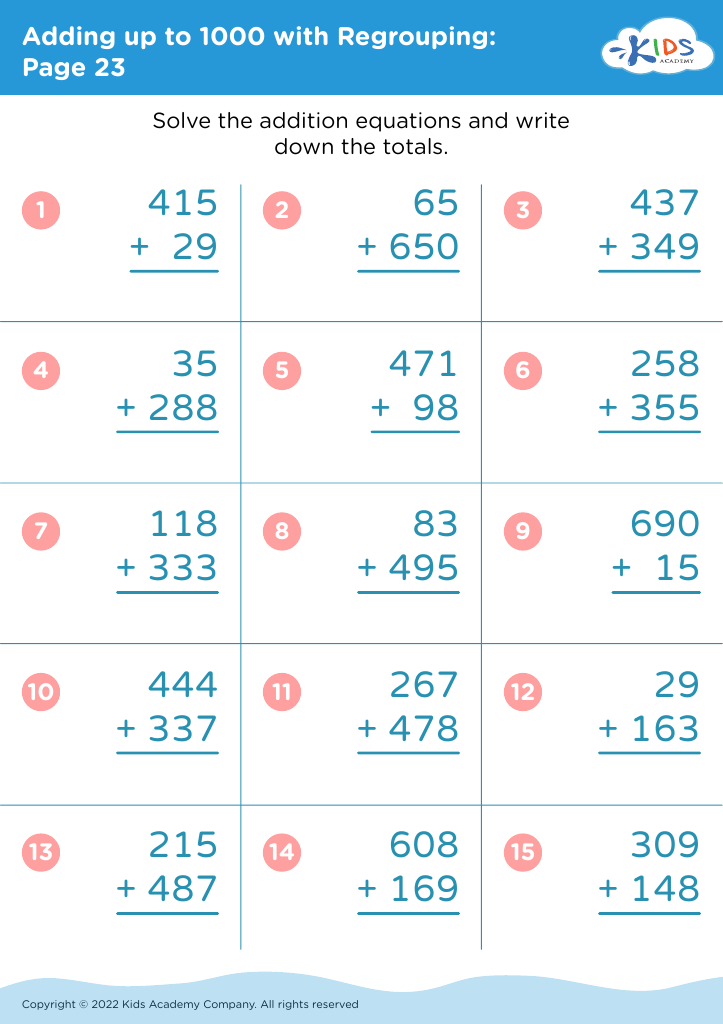
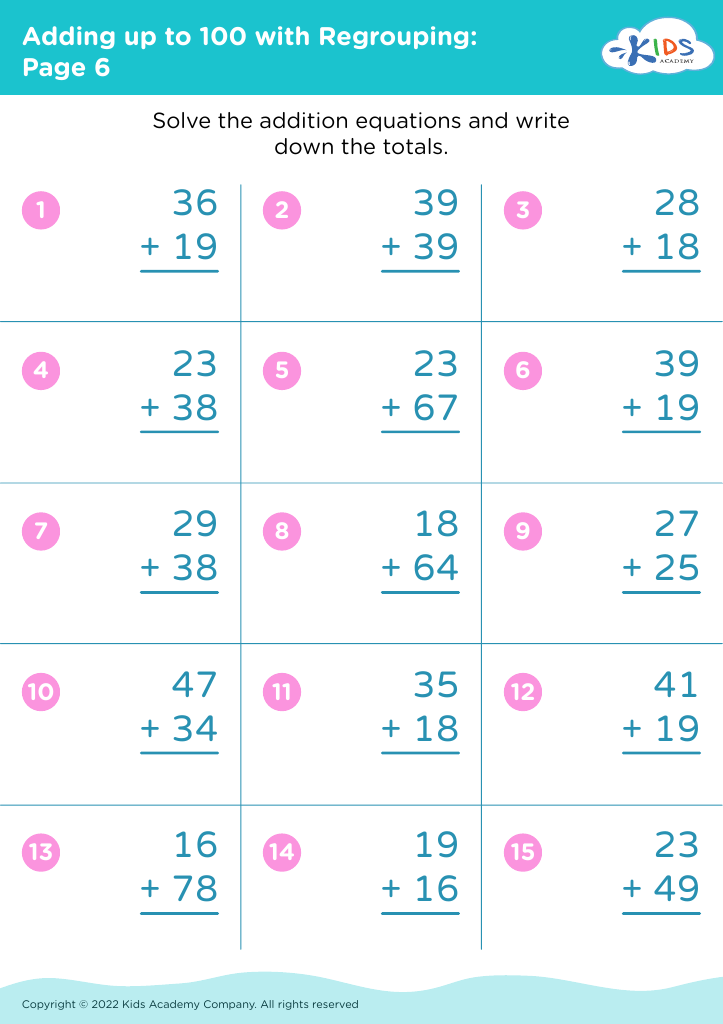
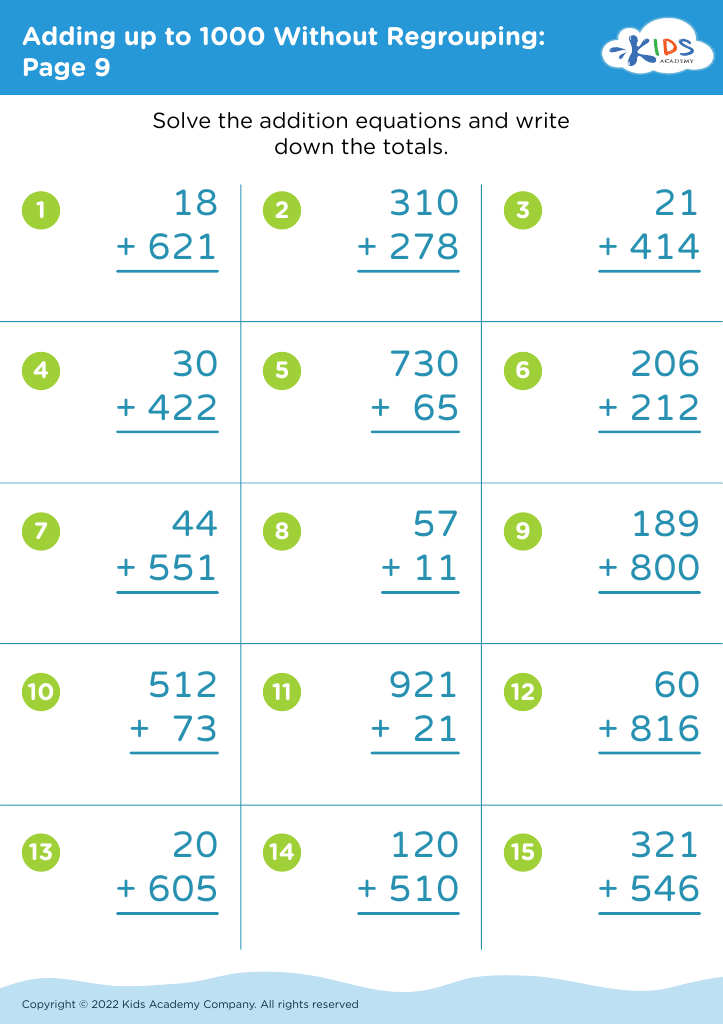








Understanding and identifying shapes, coupled with grasping the fundamentals of addition, are foundational skills for young children aged 6-7. For parents and teachers, fostering these skills is crucial for several reasons. First, geometry and arithmetic are cornerstones of primary mathematics. Early exposure to shapes helps children recognize geometric concepts in the world around them, enhancing their spatial awareness and visual processing abilities. This paves the way for more complex mathematical learning later on.
Addition teaches critical thinking and problem-solving skills. By learning to add numbers, children develop number sense, understand the concept of quantity, and begin to grasp the relationship between numbers. This is fundamental not just for math, but for everyday activities requiring calculation and logical reasoning.
Combining the study of shapes and addition can make learning more engaging. Activities like counting sides and vertices of shapes integrate both concepts, blending creativity with intellectual development. Such interdisciplinary learning promotes better cognitive retention.
Moreover, these skills support broader educational goals, helping children build confidence and a positive attitude toward learning. This early foundation is not only predictive of math success but also contributes to overall academic achievement. Therefore, investing time in teaching shapes and addition sets young learners on a promising trajectory toward lifelong learning.








