Learn new vocabulary Addition Worksheets for Ages 6-7
4 filtered results
-
From - To
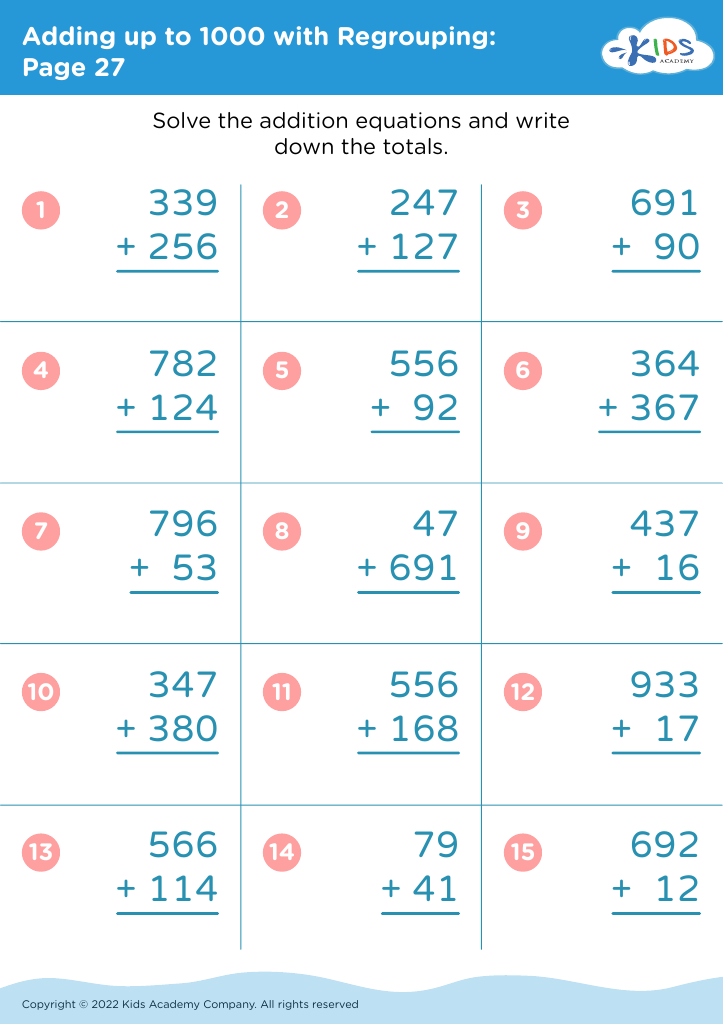
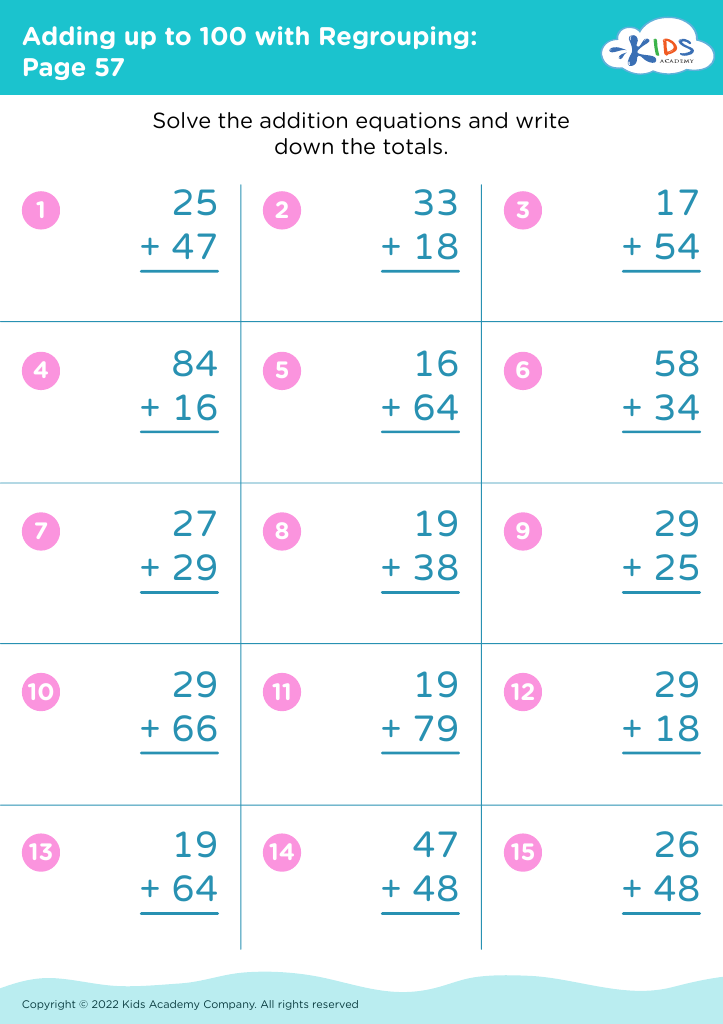
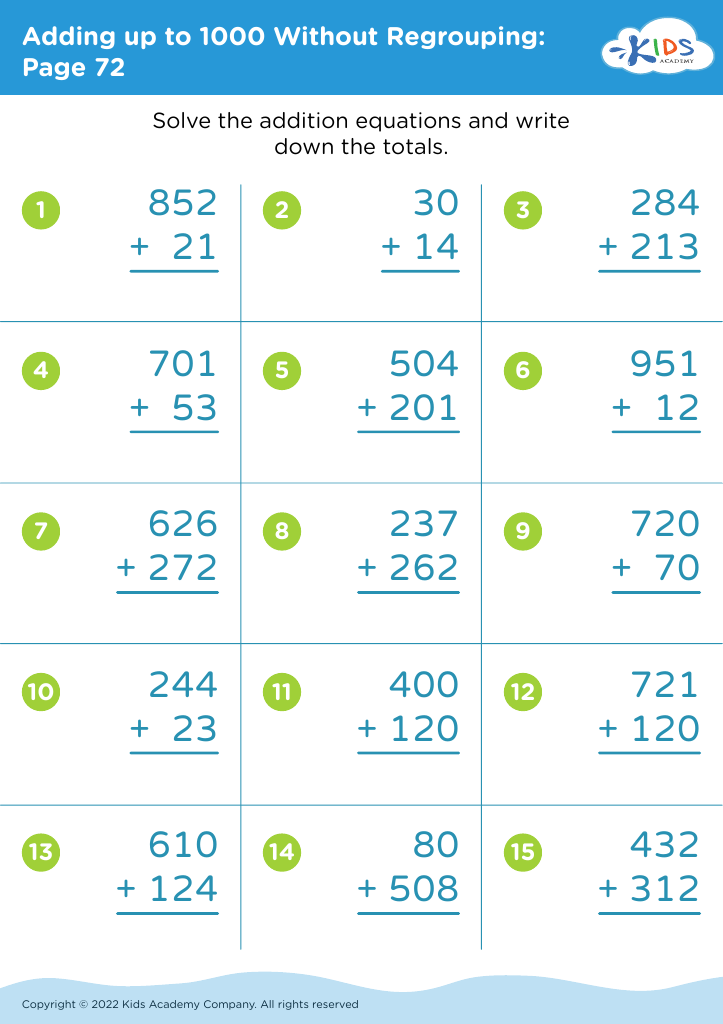
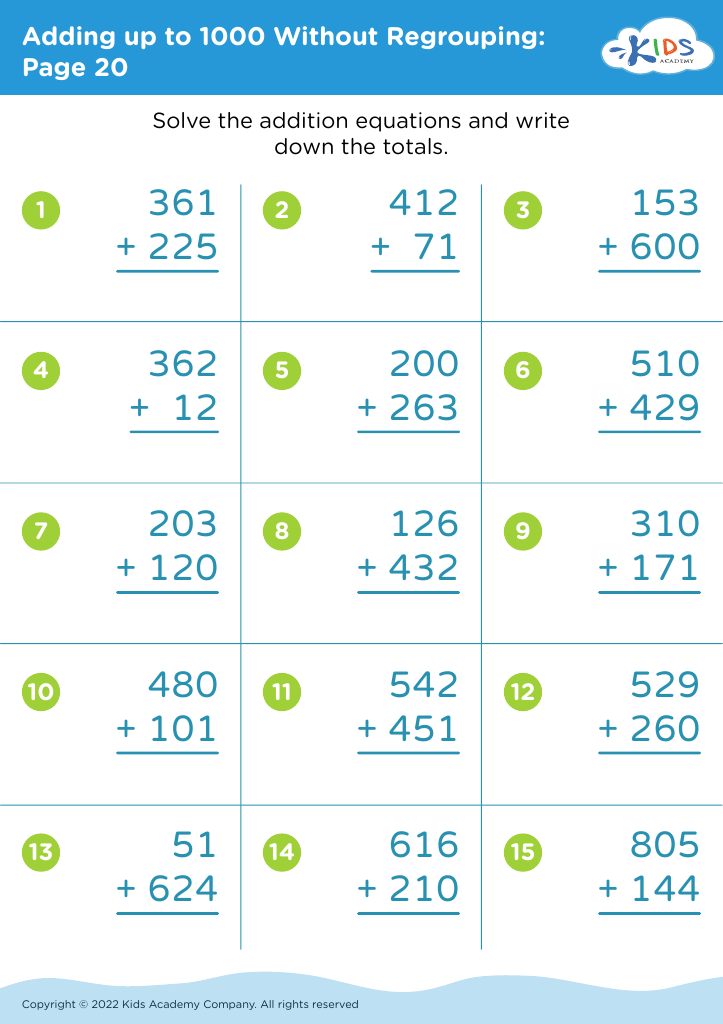
Explore our engaging "Learn New Vocabulary Addition Worksheets" specially designed for kids aged 6-7! These interactive worksheets combine the fundamentals of addition with essential vocabulary building, making math both fun and educational. Each worksheet helps young learners practice addition skills while enhancing their language abilities, encouraging them to connect words with concepts. Perfect for reinforcing classroom learning or homeschooling, our resources include colorful visuals and varied exercises to keep children motivated and excited. Give your child the tools they need to succeed in math and vocabulary! Start exploring our collection of addition worksheets today to foster a love for learning!






.jpg)
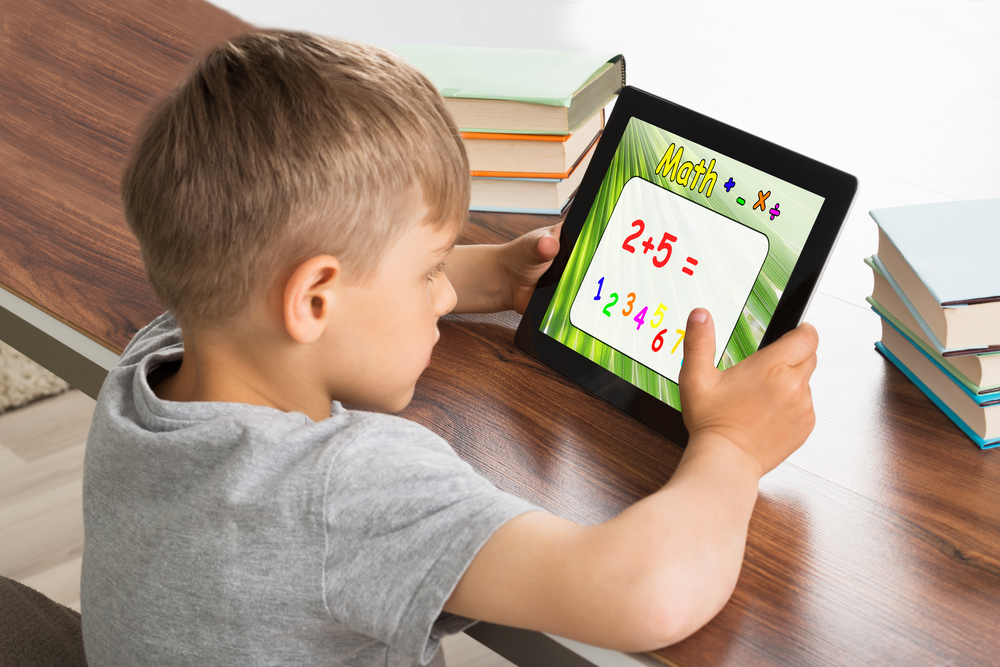
Understanding and mastering new vocabulary is crucial for children aged 6-7, especially when learning addition. This age group is typically in the early stages of literacy and numeracy, where foundational skills are developed. By introducing new terms related to addition, such as "sum," "plus," "total," and "increase," parents and teachers can help children connect mathematical concepts with language. This integrated approach enhances comprehension and retention.
Learning new vocabulary directly impacts a child’s ability to engage in mathematical discussions and solve problems. When children can articulate their thoughts and understand instructions clearly, they become more confident in their skills. This empowers them to ask questions, seek help, and participate actively in their learning environment.
Furthermore, building a robust vocabulary promotes critical thinking and lays the groundwork for future academic success, as children progress not only in math but also in reading and writing. A strong vocabulary enhances their ability to comprehend texts, which is vital as advanced mathematical concepts often involve complex language.
In conclusion, focusing on new vocabulary in addition lays a comprehensive educational framework, enabling children to become proficient in both communication and mathematics, essential skills for their overall development.








