Problem Solving Addition Worksheets for Ages 6-7
10 filtered results
-
From - To
Discover our engaging collection of Problem Solving Addition Worksheets designed specifically for children aged 6-7. These worksheets promote critical thinking and problem-solving skills as young learners tackle various addition challenges. With fun, age-appropriate scenarios, kids will develop their math abilities while enjoying captivating activities. Each worksheet features clear instructions and colorful illustrations, making learning interactive and enjoyable. Support your child’s mathematical growth at home or in the classroom with these invaluable resources. From basic addition to real-life problem-solving applications, our worksheets help nurture essential skills that lay the foundation for future success in mathematics. Explore and unlock your child’s potential today!
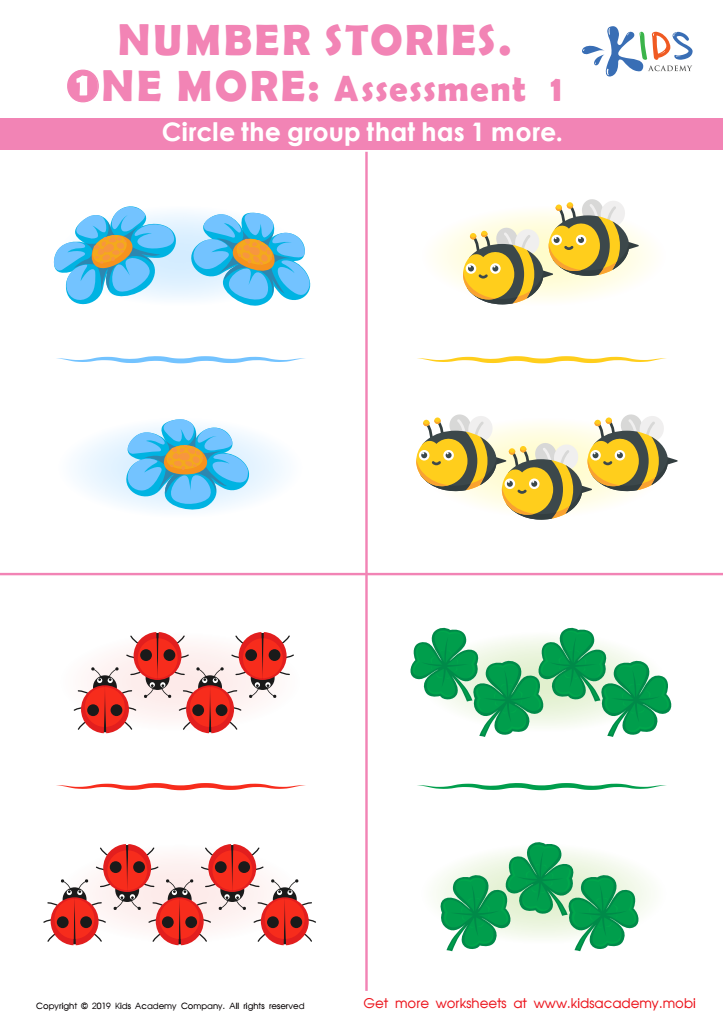
Number Stories One More – Assessment 1 Worksheet
 Assign to My Students
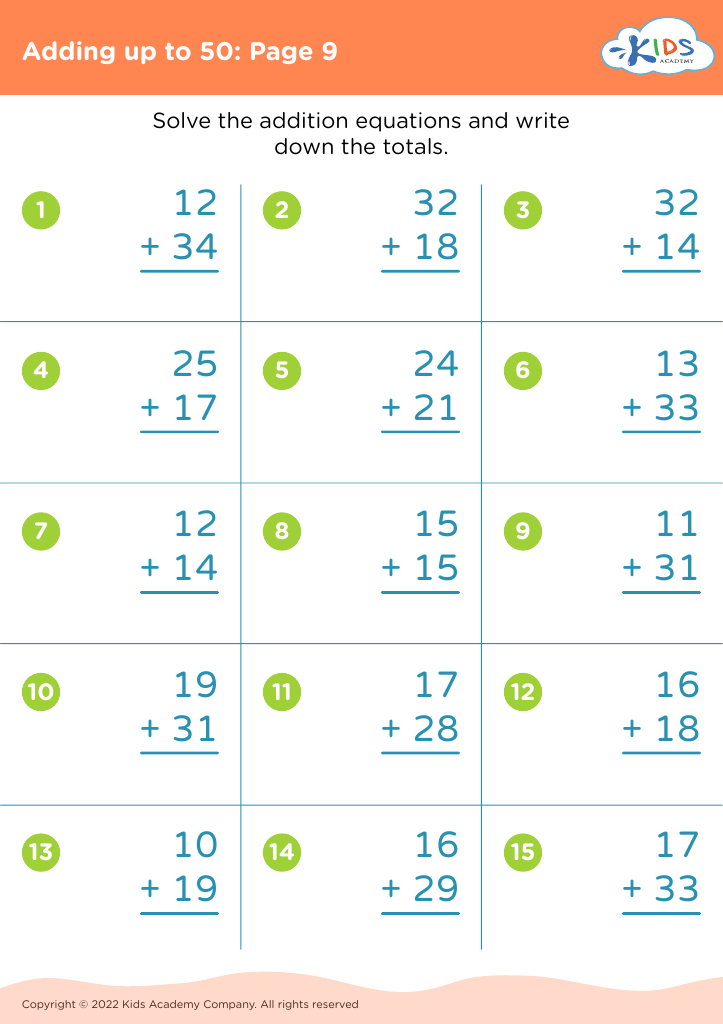
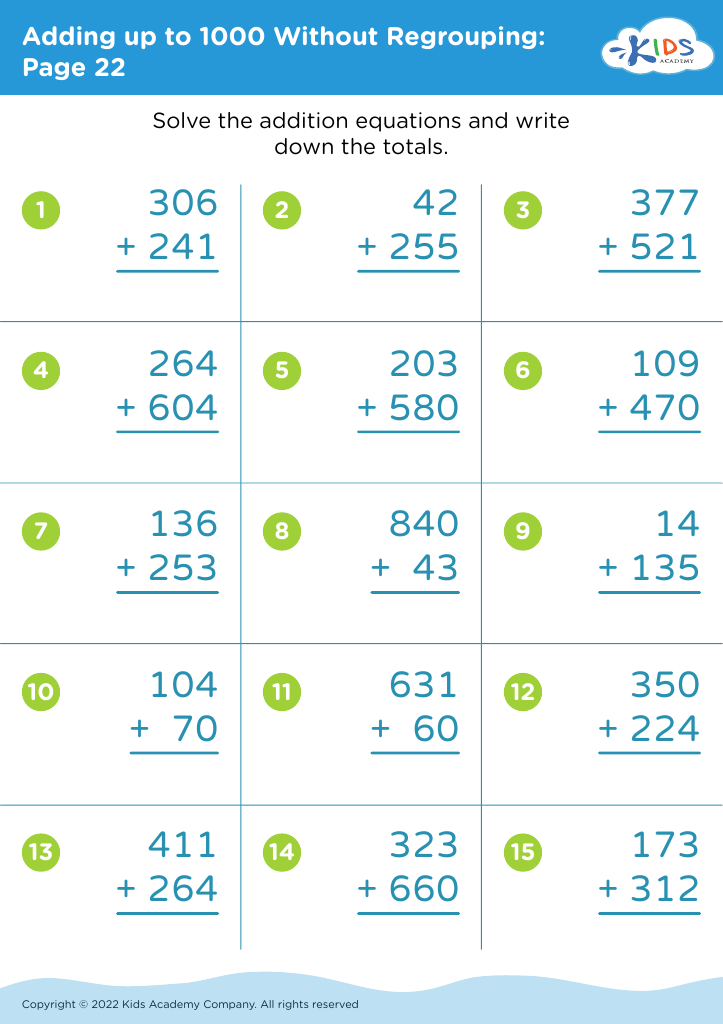
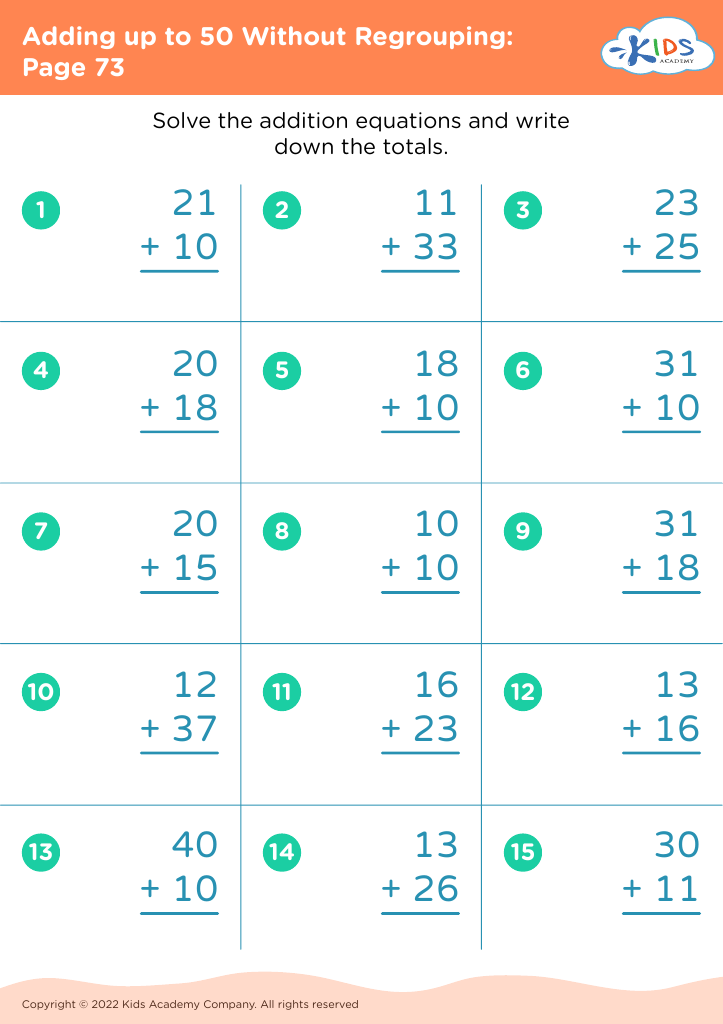
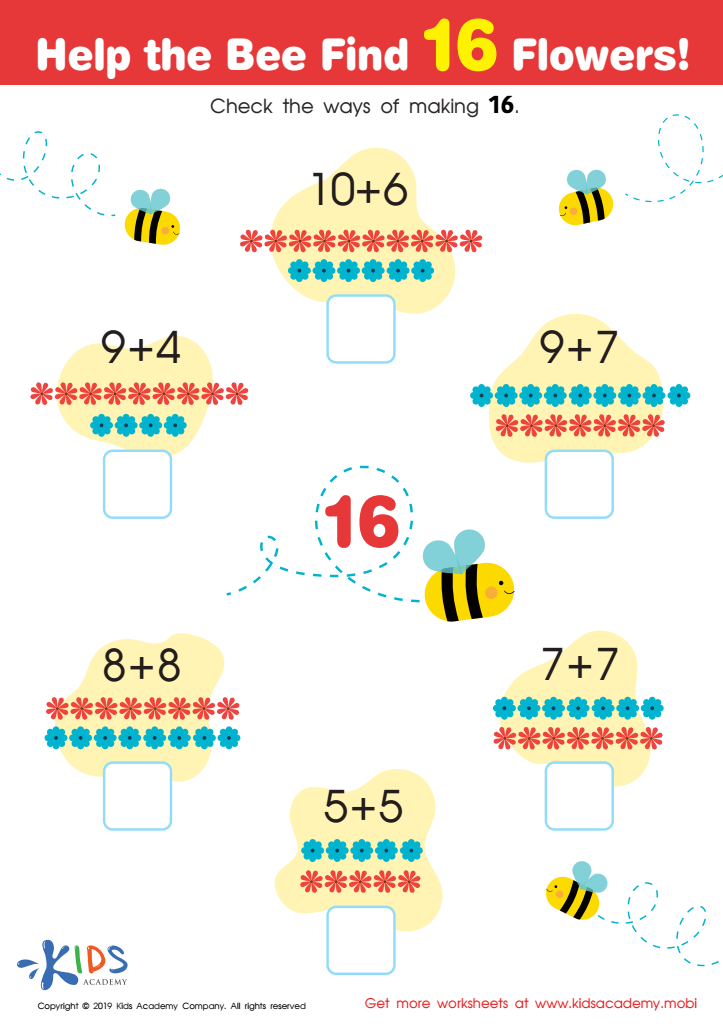
Help the Bee Find 16 Flowers Worksheet
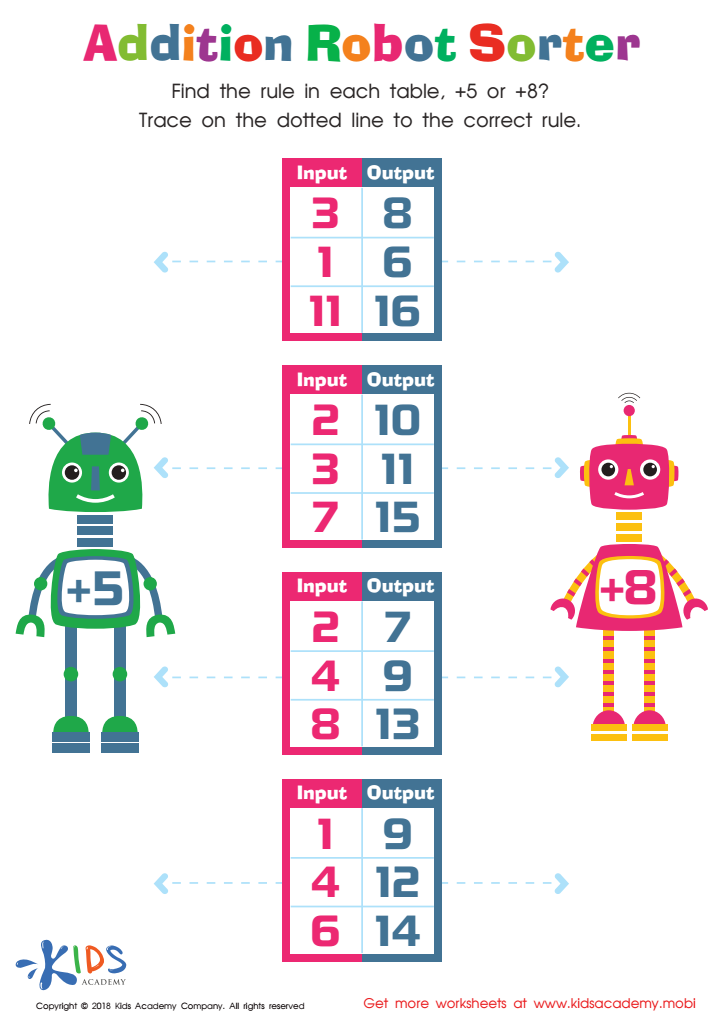
Addition Robot Sorter Worksheet





.jpg)


Parents and teachers should prioritize problem-solving addition for children ages 6-7 because it lays the foundation for critical math skills. At this developmental stage, children are not only learning how to add numbers but also how to think critically and approach challenges logically. Engaging in problem-solving activities encourages them to explore various strategies, fostering a deeper understanding of mathematical concepts.
Furthermore, problem-solving helps children develop essential cognitive skills such as reasoning, perseverance, and analytical thinking. When children encounter real-world situations that require addition, they learn to break down problems into manageable steps, enhancing their ability to tackle not just math but various challenges in life.
Additionally, the incorporation of problem-solving in addition promotes confidence and resilience. As children learn to approach and resolve problems, they build the self-assurance to take on more complex tasks in the future. This experience is vital in shaping a positive attitude toward learning.
Ultimately, by supporting problem-solving addition, parents and teachers are helping to create independent learners who possess the skills and mindset necessary for success in school and beyond, paving the way for a lifelong love of learning.








