Reading analog clocks Addition Worksheets for Ages 6-7
4 filtered results
-
From - To
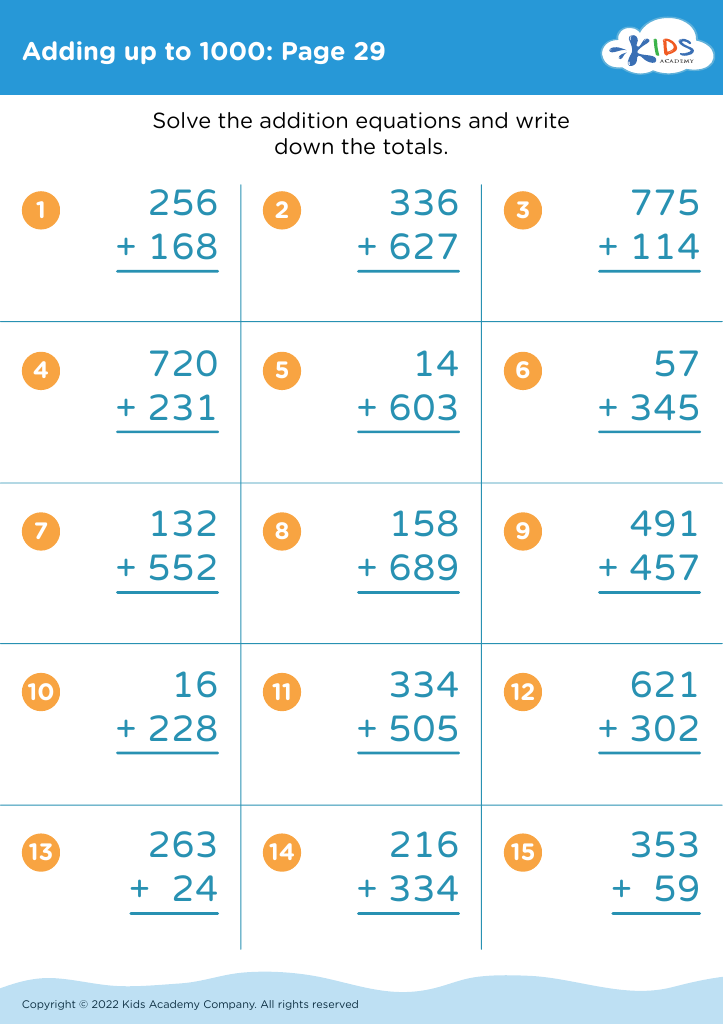
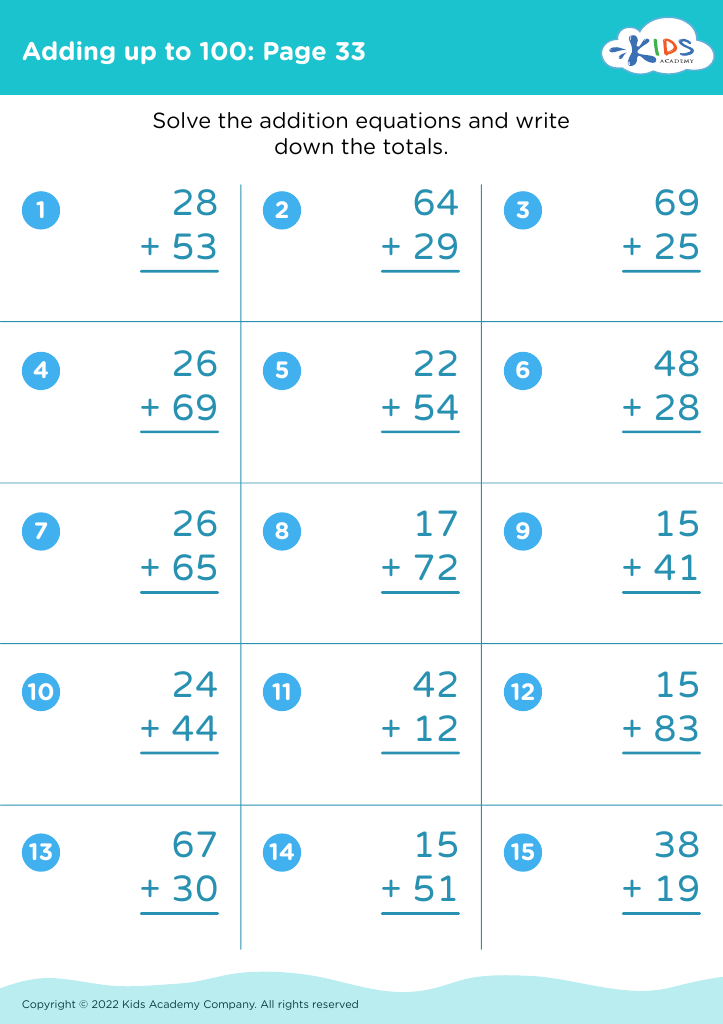
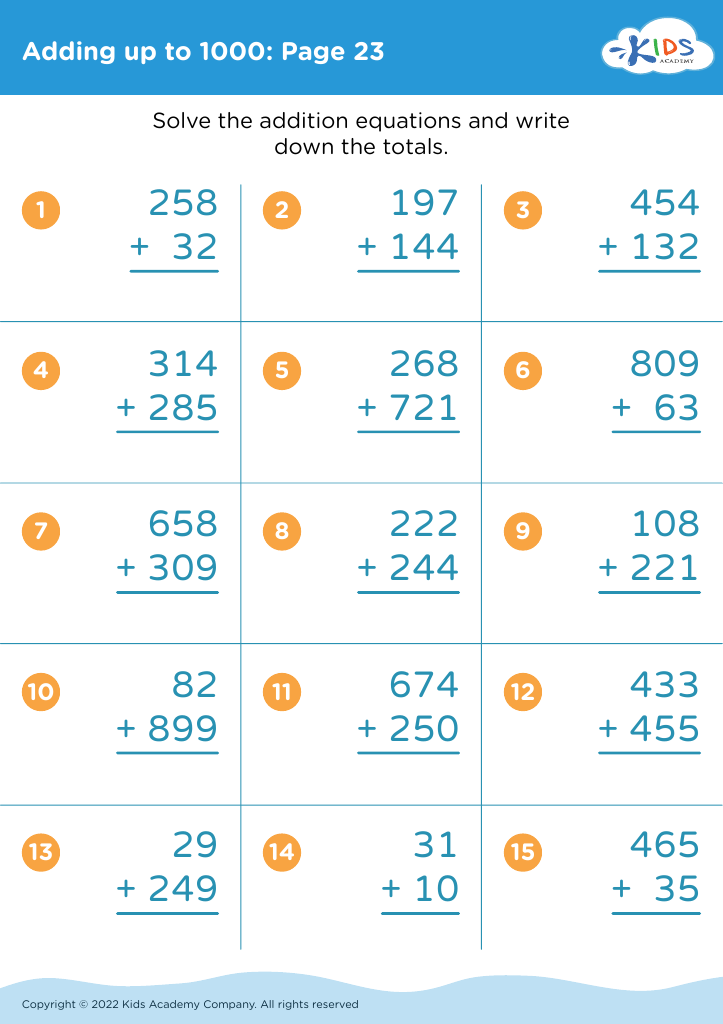
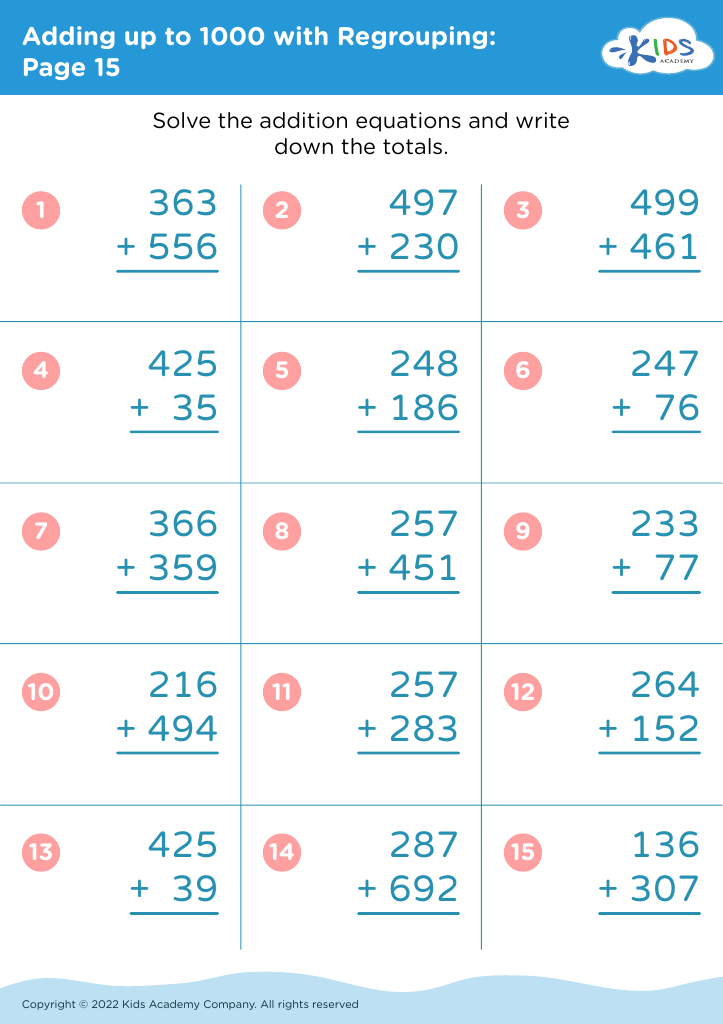
Unlock your child's potential with our engaging Reading Analog Clocks Addition Worksheets for ages 6-7! These worksheets are designed to help young learners develop essential math skills while mastering the art of reading analog clocks. Each activity combines fun, interactive addition problems with clock-reading practice, enabling children to enhance their time-telling abilities alongside their math skills. Perfect for reinforcing classroom lessons or home study, our worksheets are aligned with educational standards to ensure effective learning. Dive into numerical challenges and boost your child's confidence with these educational resources. Get started today and watch your little ones flourish in math and time concepts!








Teaching children to read analog clocks and understand time is a fundamental skill that extends beyond mere numbers. For children aged 6-7, this knowledge fosters a sense of responsibility and enhances their daily routines. When parents and teachers emphasize reading analog clocks, they help children develop important mathematical concepts such as addition and subtraction, as understanding time involves calculations. For instance, problem-solving skills sharpen when kids calculate durations between different times.
Additionally, mastering analog clocks encourages critical thinking and spatial awareness. Unlike digital clocks, analog clocks require children to interpret the relationship between hour and minute hands, promoting cognitive development. It engages them in real-world applications, allowing them to integrate time-keeping into their daily lives, such as knowing when to wake up, go to school, or conduct timed activities.
Moreover, familiarity with analog clocks can instill patience and attention to detail. As children learn to break down time into smaller segments, they practice the art of focus and perseverance. This foundational skill not only nurtures mathematical thinking but also prepares children for future academic success and life skills. Encouraging this ability enriches children's interactions with their environment while strengthening the bond between family and school through shared learning experiences.








