Categorization skills Numbers Worksheets for Ages 6-7
5 filtered results
-
From - To
Enhance your child's learning journey with our Categorization Skills Numbers Worksheets designed specifically for ages 6-7. These engaging worksheets help young learners develop essential critical thinking and organizational skills as they explore numbers through fun, categorized exercises. By grouping numbers, identifying patterns, and sorting different quantities, children will strengthen their comprehension of mathematical concepts while enjoying an interactive learning experience. Our resources are crafted to foster independence, boost confidence, and lay a solid foundation for future math success. Browse our collection now and watch your child's numeracy skills flourish while making learning enjoyable and exciting! Perfect for home or classroom use.
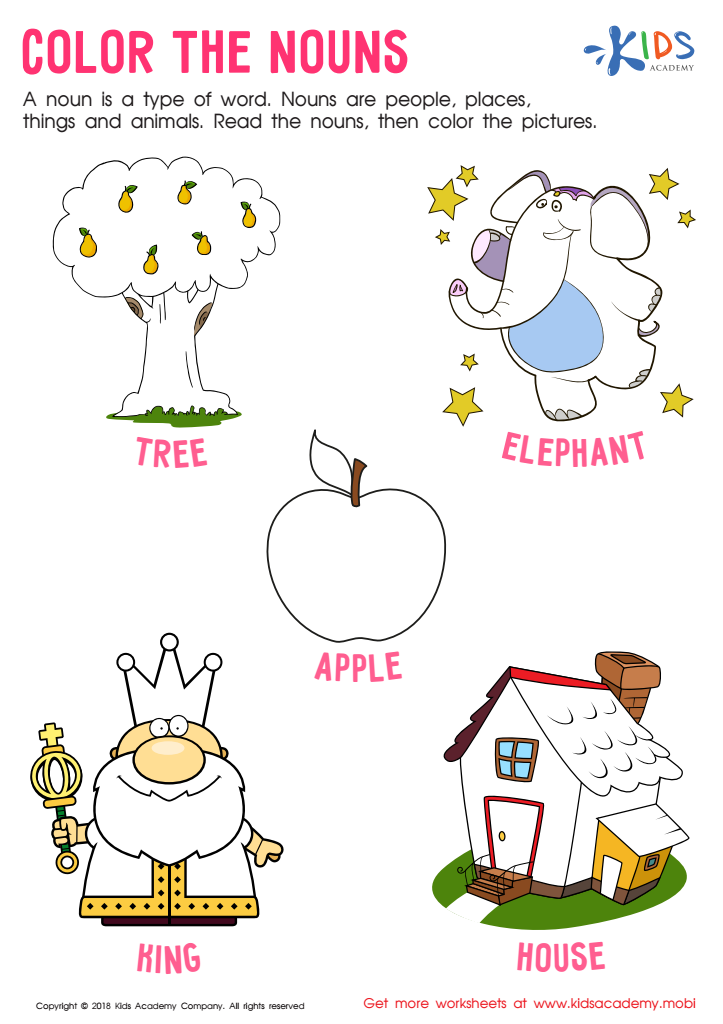
Color the Nouns Worksheet
 Assign to My Students
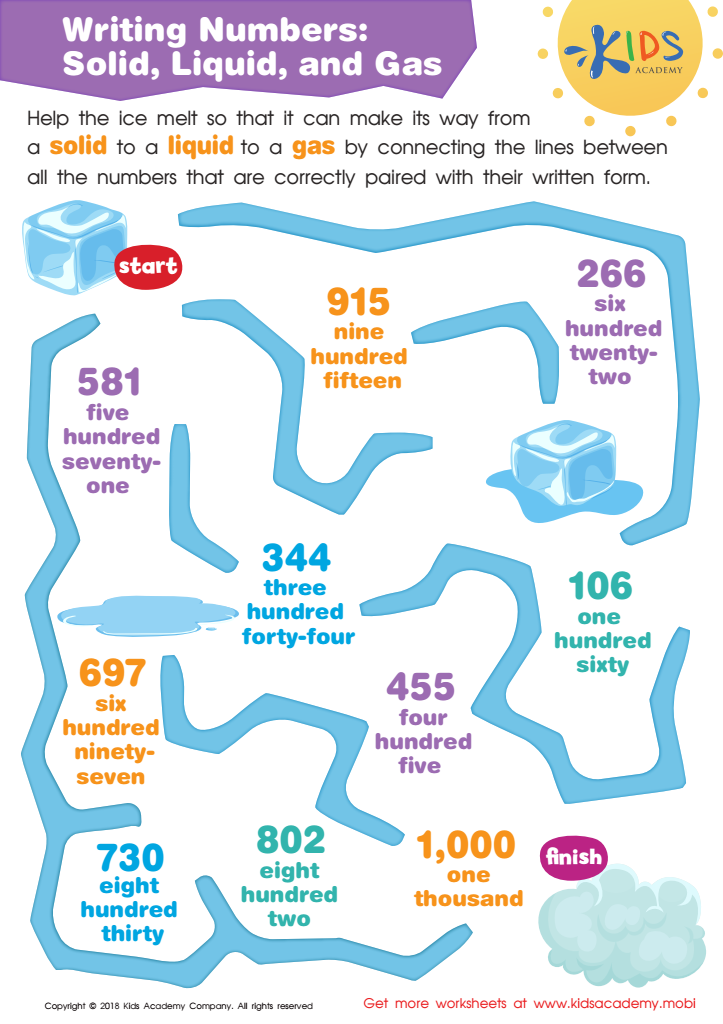
Solid, Liquid, and Gas Writing Numbers Worksheet
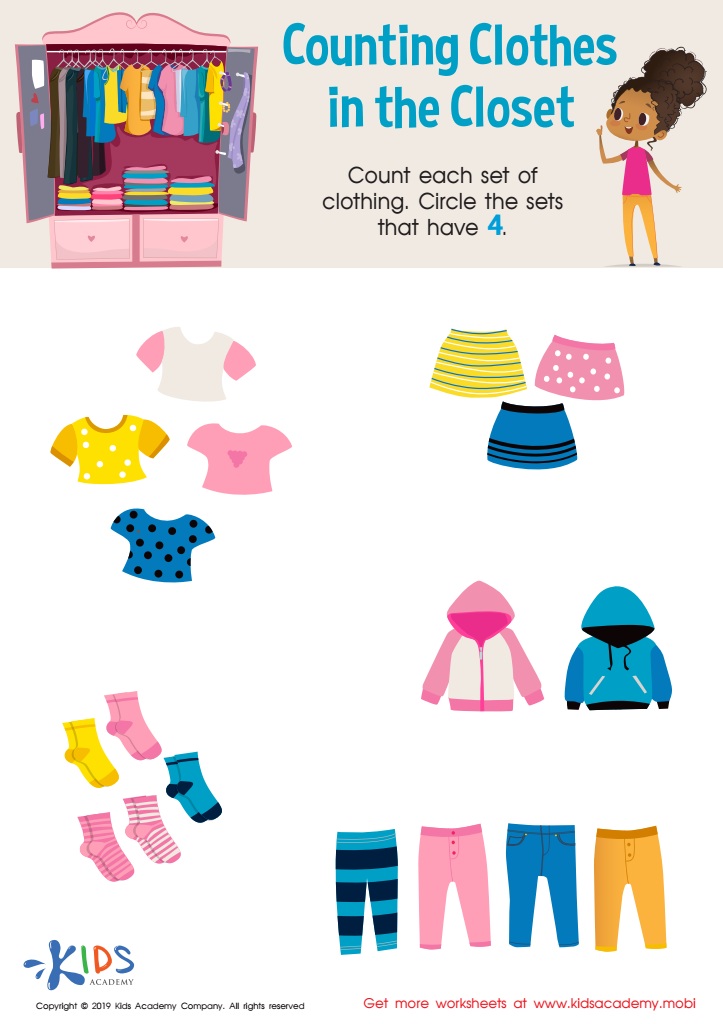
Counting Clothes Worksheet
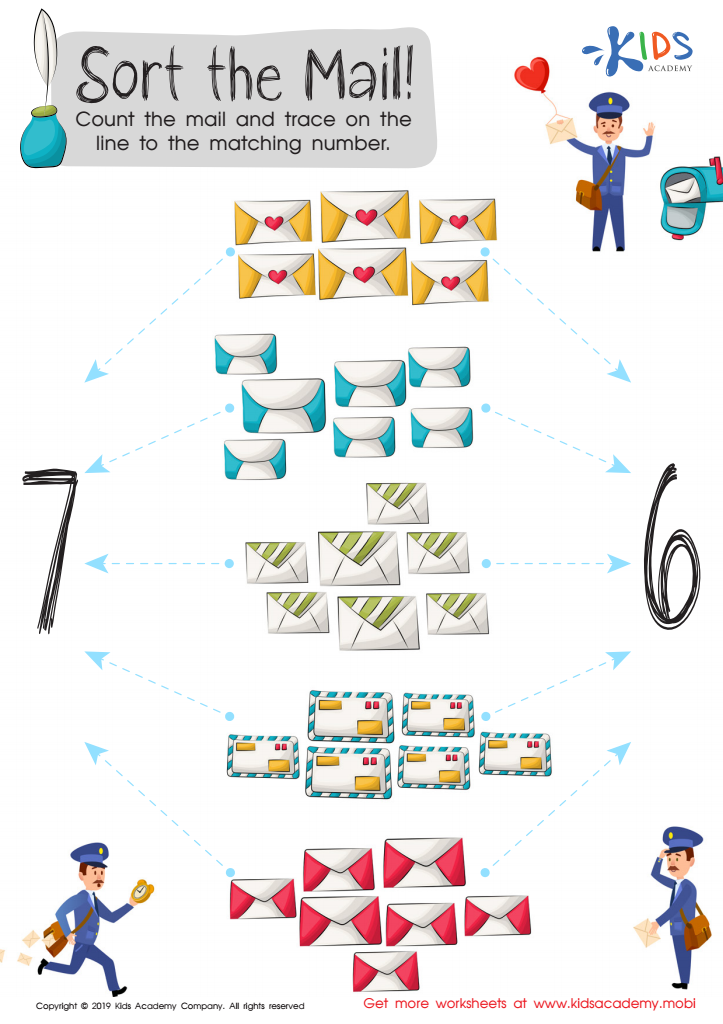
Sort the Mail Worksheet
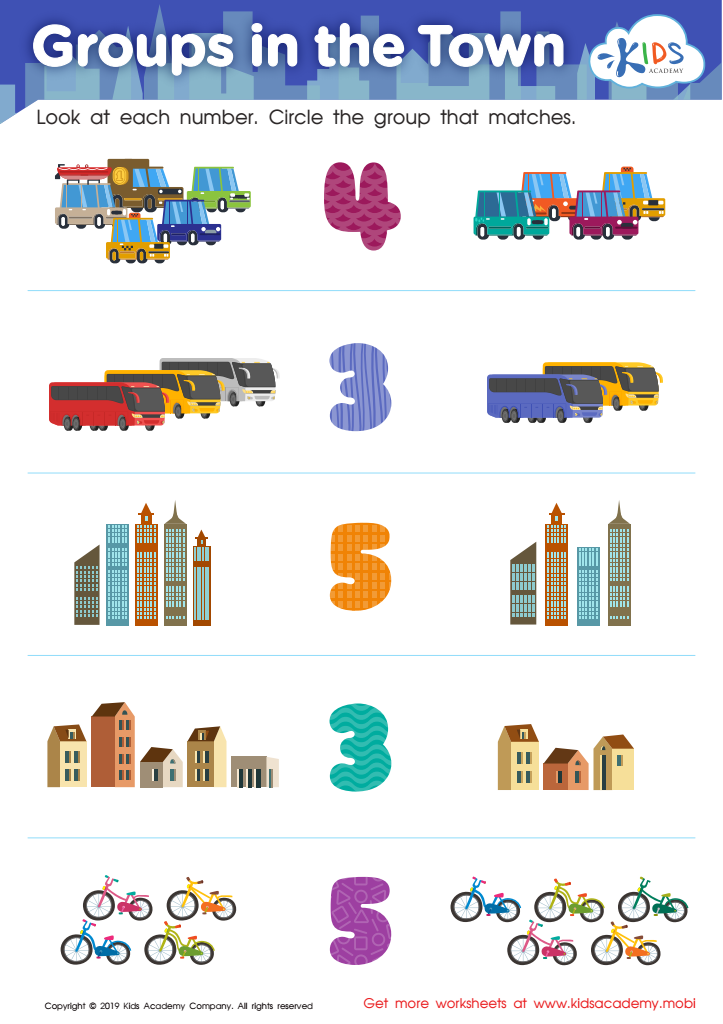
Groups in the Town Worksheet








Categorization skills, especially in the context of numbers for ages 6-7, are vital for early cognitive and mathematical development. At this age, children begin to encounter more complex numerical concepts, and the ability to categorize is foundational in helping them make sense of these concepts. Understanding how to group numbers—whether by size, quantity, or relationships—enhances their ability to identify patterns, which is essential in mathematics and everyday problem-solving.
Parents and teachers should care about these skills because they aid in the development of critical thinking and analytical skills. When children categorize numbers, they learn skills like sequencing, sorting, and recognizing similarities and differences, fostering a deeper understanding of mathematical concepts. This not only builds a strong foundation for future math but also promotes organizational skills that benefit overall academic performance.
Moreover, good categorization skills can also influence a child's confidence in their abilities, reducing math anxiety and making math more approachable and enjoyable. Encouraging categorization through games, daily activities, and structured learning helps create an engaging learning environment, setting the stage for a lifelong positive attitude toward math and learning in general. Ultimately, it prepares children for more advanced mathematical thinking and problem-solving later in their education.








