
Color matching Math Worksheets for Ages 6-7
3 filtered results
Difficulty Level
Grade
Age
-
From - To
Subject
Activity
Standards
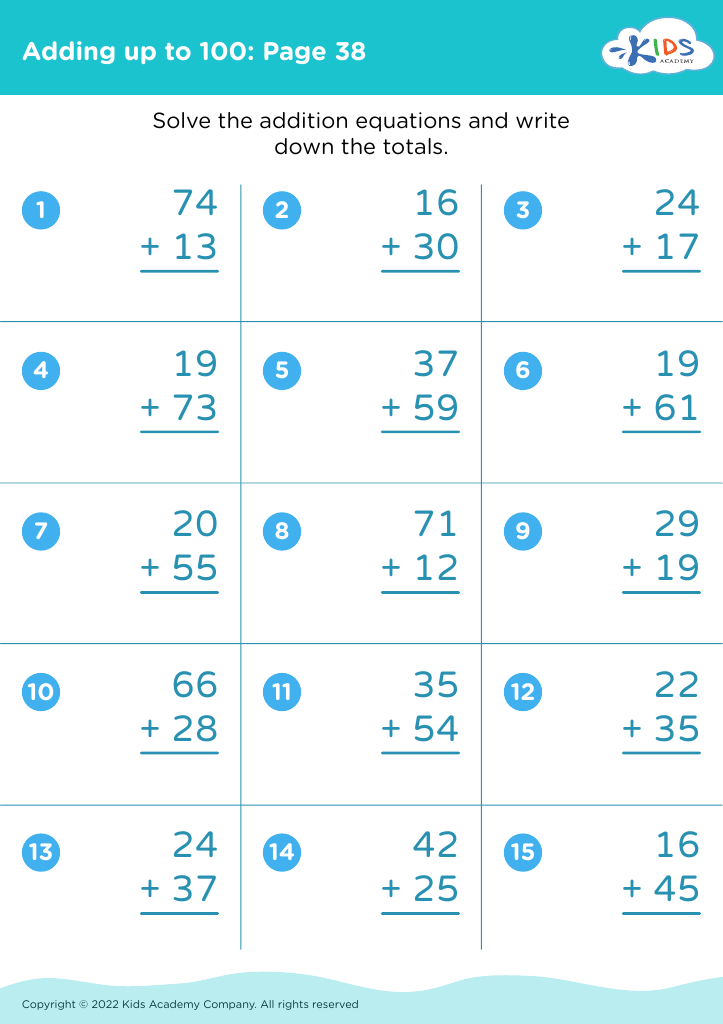
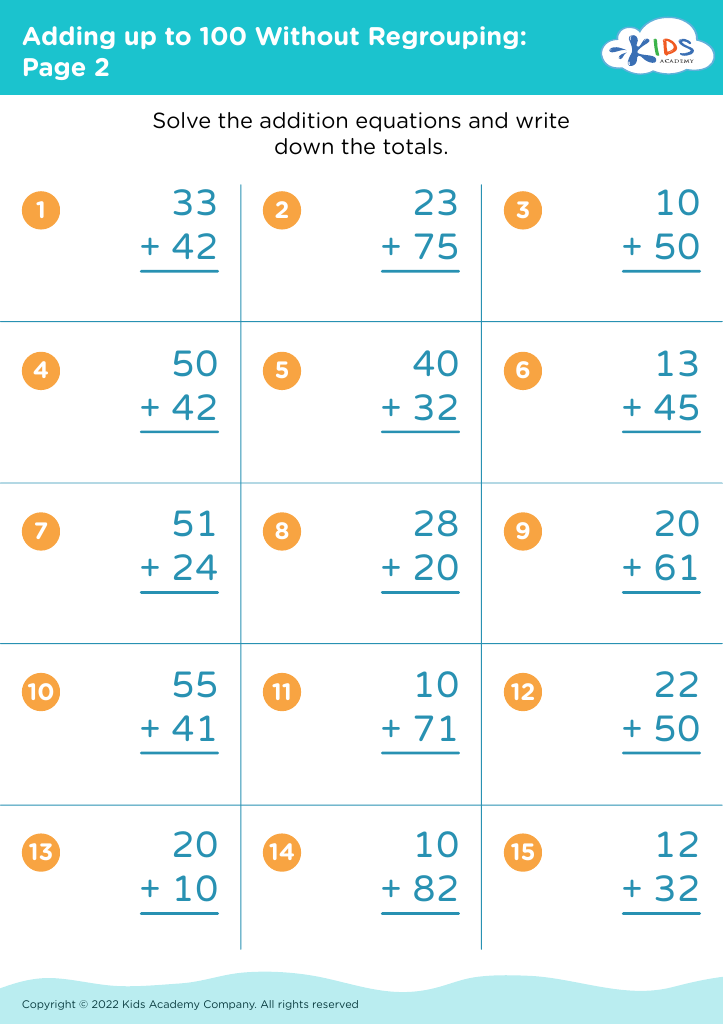
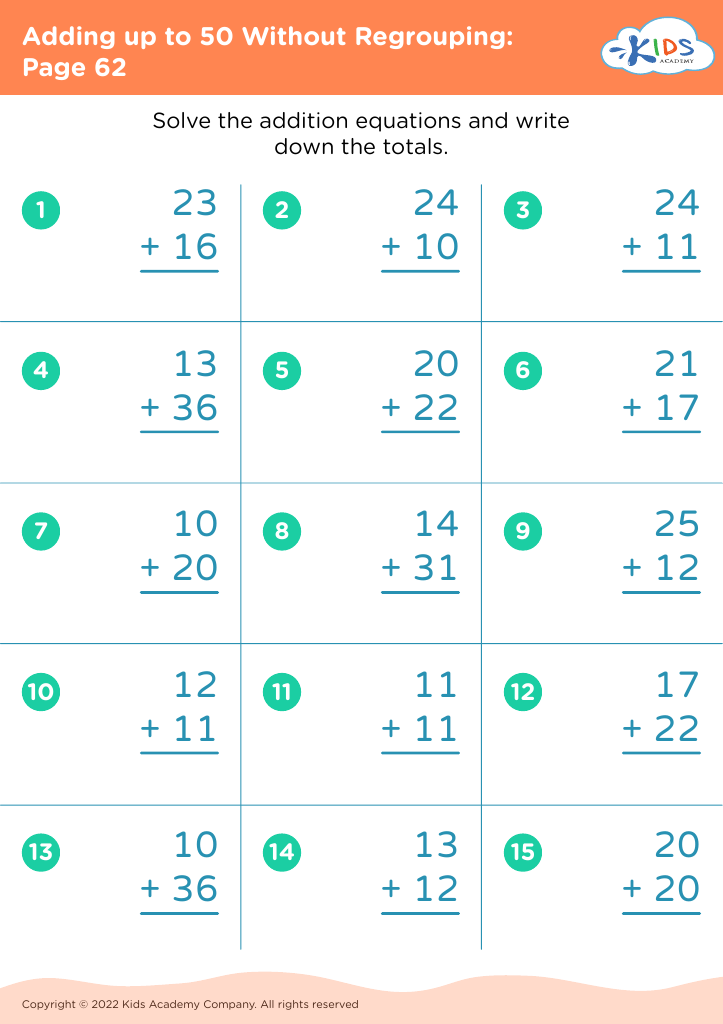
Discover the perfect blend of fun and education with our color matching math worksheets for ages 6-7! Designed to develop fundamental math skills, these worksheets challenge young minds to match and sort using vibrant colors. Enhance your child's counting, addition, and problem-solving abilities while they enjoy playful and stimulating exercises. Our engaging content keeps kids motivated and keen to learn, helping them build a strong foundation in math at an early age. Perfect for at-home practice or classroom activities. Turn learning into an adventure with our meticulously designed, colorful math worksheets!
Favorites
With answer key
Interactive
Join Kids Academy for Free
Who is primarily going to use this learning content?








At ages 6-7, children are at a crucial juncture in their cognitive development where combining different learning domains can be particularly effective in solidifying foundational skills. Color matching combined with math can be a potent tool for enhancing young learners' understanding of mathematical concepts in a fun and engaging manner.
First and foremost, color matching adds a visual and kinesthetic component to mathematical learning, fostering deeper cognitive connections. When children use colors to group, sort, or count objects, they are engaging multiple senses, which helps reinforce their understanding of numbers, patterns, and sequences. For instance, associating the number '3' with three red apples can make abstract concepts more concrete and tangible.
Furthermore, color matching activities can enhance problem-solving skills and logical thinking. For example, using colored blocks to solve equations or story problems encourages children to think critically and find multiple ways to reach solutions.
In addition, incorporating color into math lessons can make learning more enjoyable and less intimidating. It can transform math from a solitary, abstract activity into an interactive, playful experience. This positive engagement can boost a child's confidence and willingness to explore more complex mathematical ideas in the future.
Overall, integrating color matching with math for young children is an effective strategy to enhance their cognitive, visual, and sensory development while fostering a love for learning.








