Counting objects Math Worksheets for Ages 6-7
10 filtered results
-
From - To
Discover engaging Counting Objects Math Worksheets designed for children ages 6-7! Our resource-rich page provides a variety of fun and interactive worksheets that support early math learning. Tailored for young learners, these worksheets focus on counting, matching, and identifying quantities, allowing kids to master essential math skills. With colorful illustrations and kid-friendly layouts, your child will enjoy practicing counting with objects in real-life contexts. Ideal for classroom settings or at-home learning, these worksheets encourage cognitive development and boost confidence in math. Explore our collection and watch your child's counting skills flourish with joyful learning experiences!
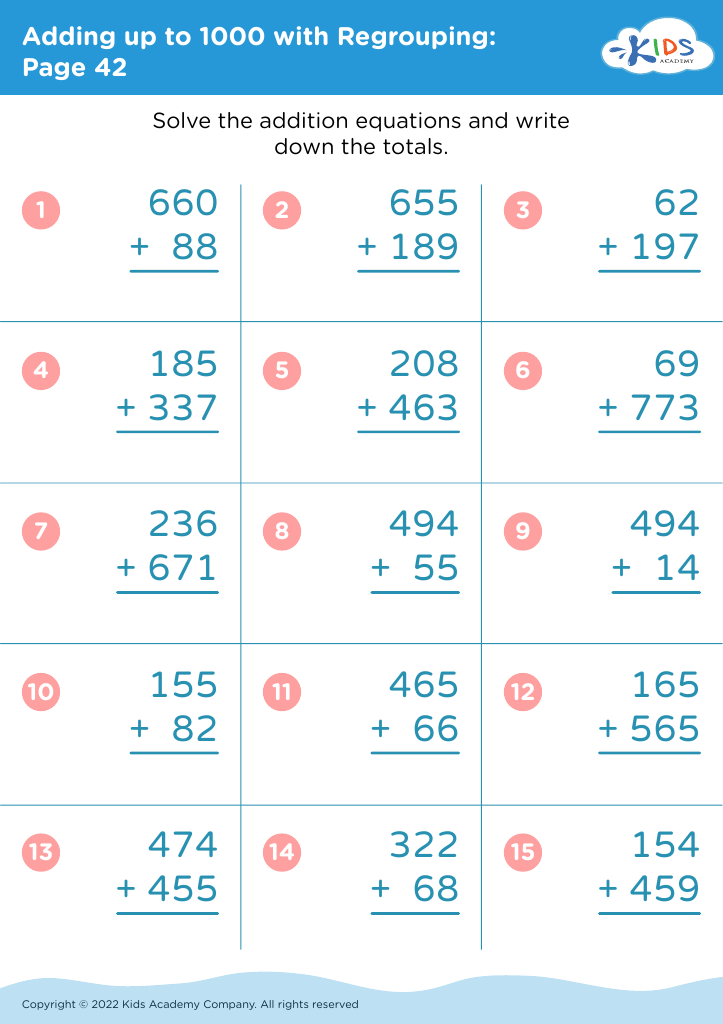
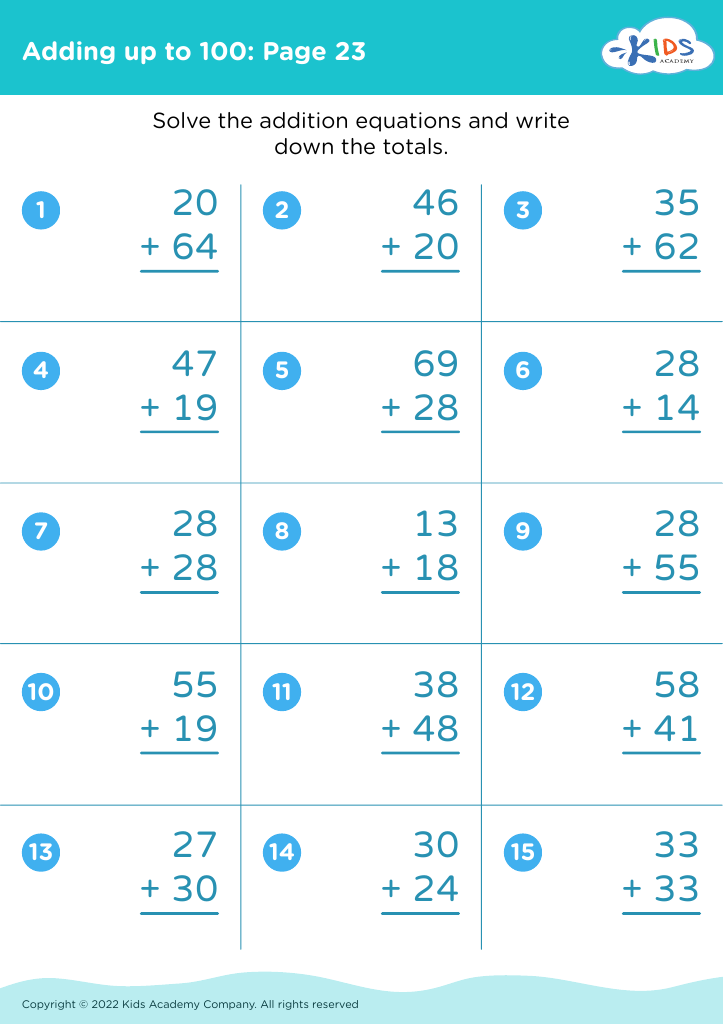
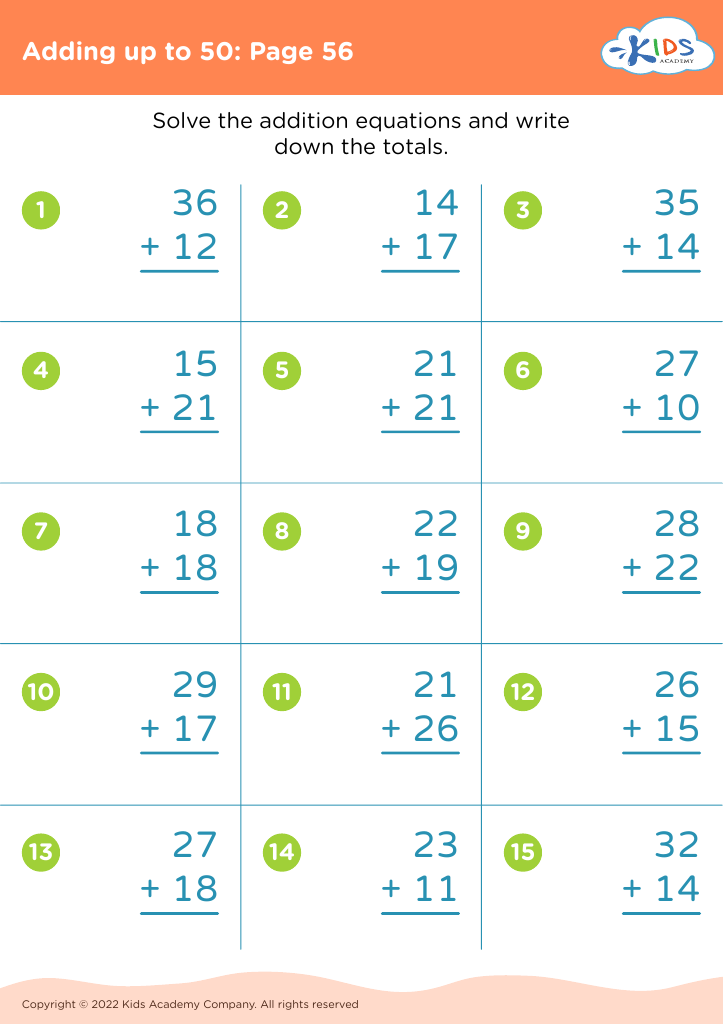
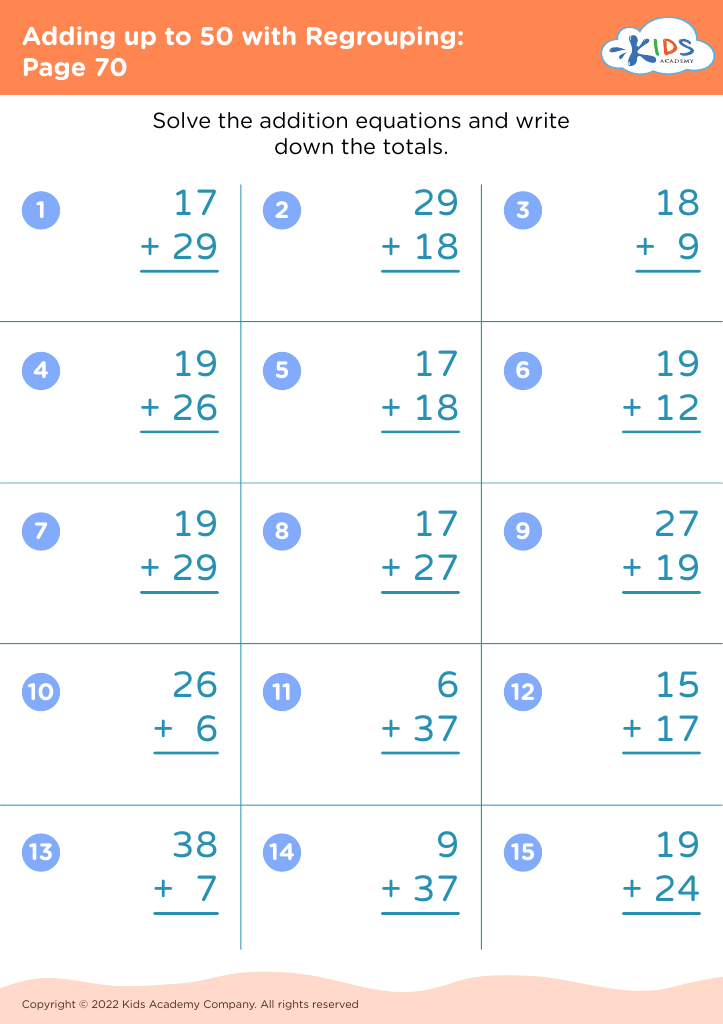
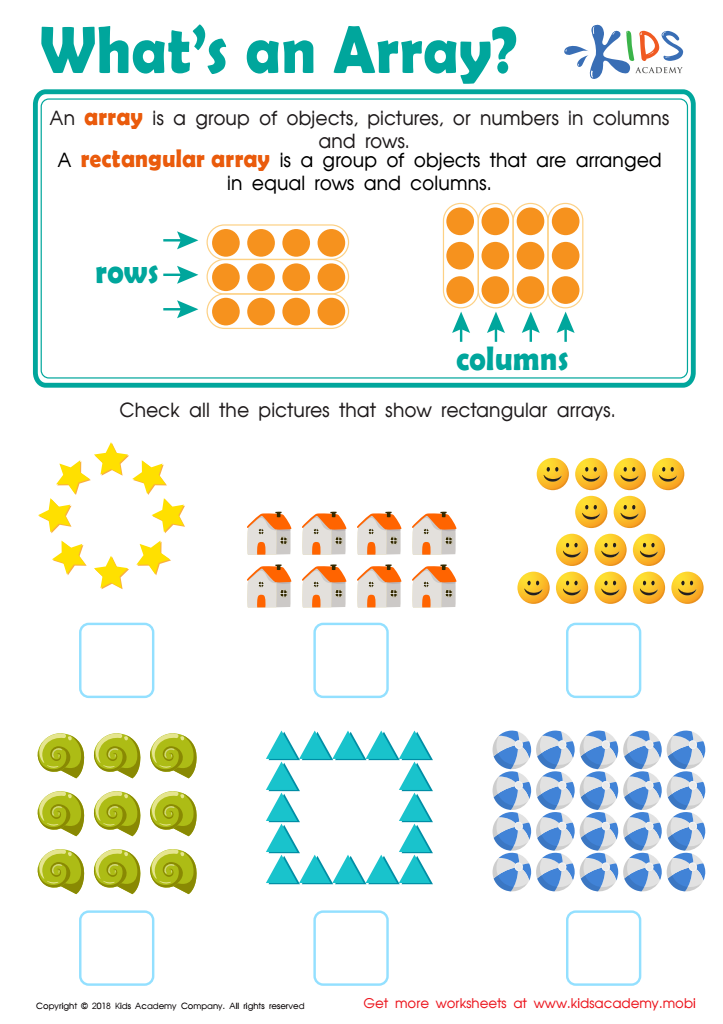
What's an Array? Worksheet
 Assign to My Students
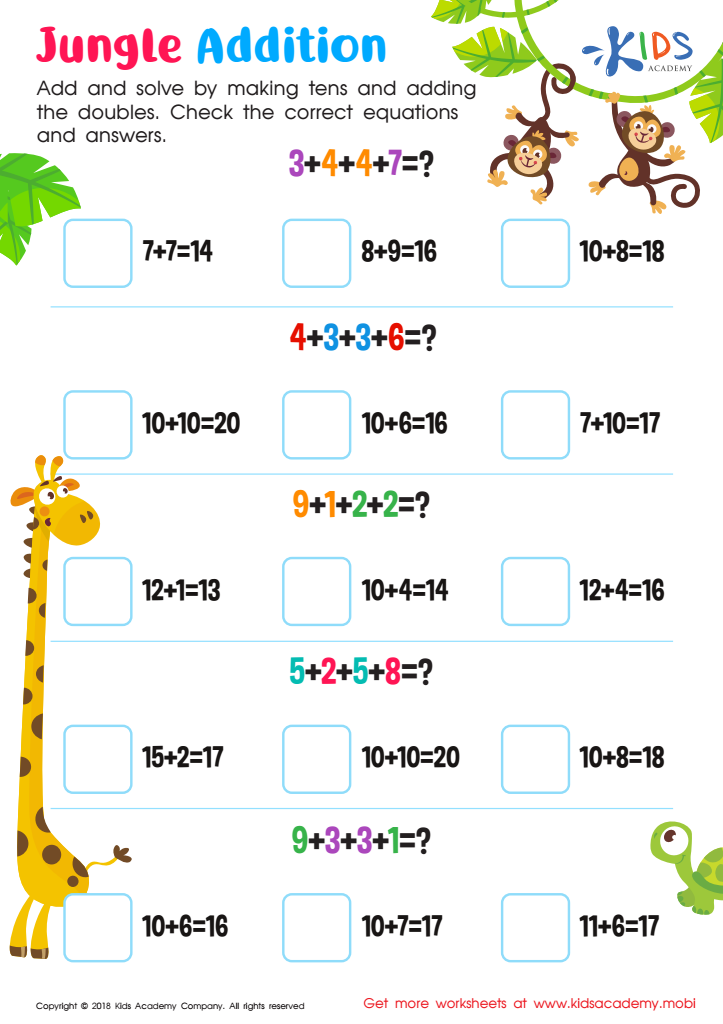
Jungle Addition Worksheet
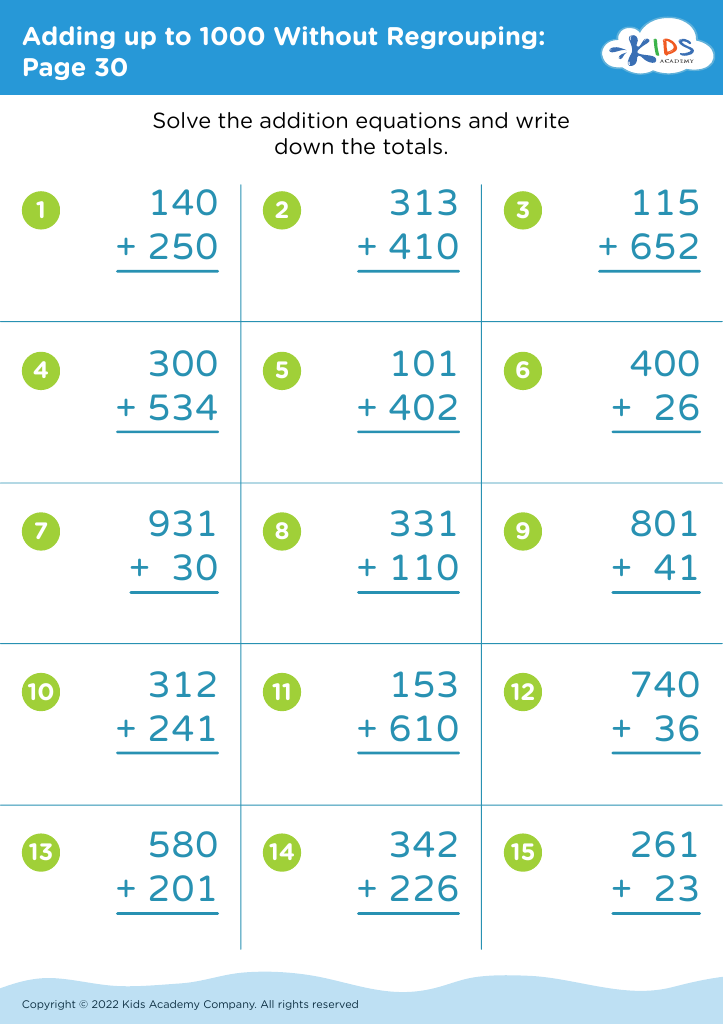
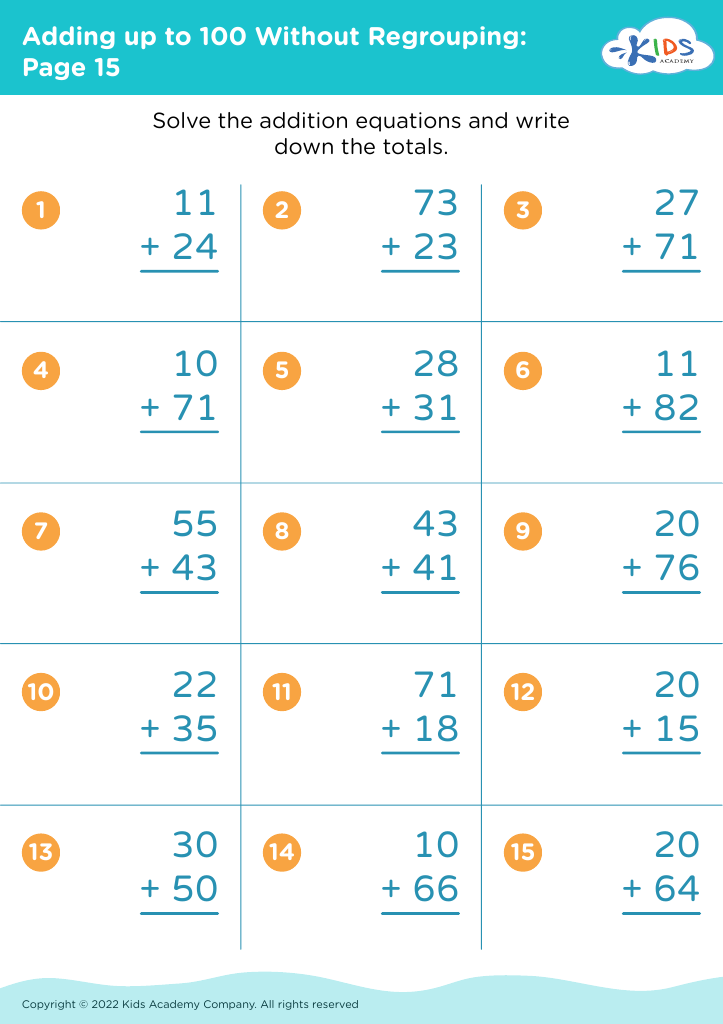



.jpg)



Counting objects is a fundamental skill that lays the groundwork for all future mathematics, making it essential for parents and teachers to prioritize it for children aged 6-7. At this stage, children begin developing number sense, which involves understanding quantities, learning to recognize numbers, and grasping the concept of one-to-one correspondence. These foundational skills are crucial as they help children make connections between visual representations and numerical values.
Counting objects also enhances cognitive development, encouraging critical thinking and problem-solving skills. It fosters a sense of order and organization, helping children to classify and categorize items, which is beneficial not only in math but across all subjects. Moreover, engaging with counting promotes language development, as children learn the names and quantities of objects, enriching their vocabulary.
Additionally, counting can be linked to real-life applications, such as sharing snacks or arranging toys, making learning more engaging and meaningful. This hands-on approach helps reinforce concepts, ensuring children see the relevance of math in everyday life. By actively nurturing counting skills, parents and teachers contribute to building confident, capable learners who are well-prepared to tackle more complex mathematical concepts in the future.








