Enhance critical thinking Math Worksheets for Ages 6-7
4 filtered results
-
From - To
Unlock your child’s potential with our Enhance Critical Thinking Math Worksheets designed specifically for ages 6-7. These engaging and interactive worksheets foster problem-solving skills, logical reasoning, and analytical thinking through fun, age-appropriate math challenges. Children will navigate diverse concepts, including basic operations, patterns, and shapes, all while developing a deeper understanding of mathematical principles. Our expertly crafted resources motivate young learners to think critically and independently, paving the way for a strong foundation in math. Enhance your child's learning experience today with our comprehensive worksheets that are not just educational but also enjoyable! Empower their critical thinking journey now!
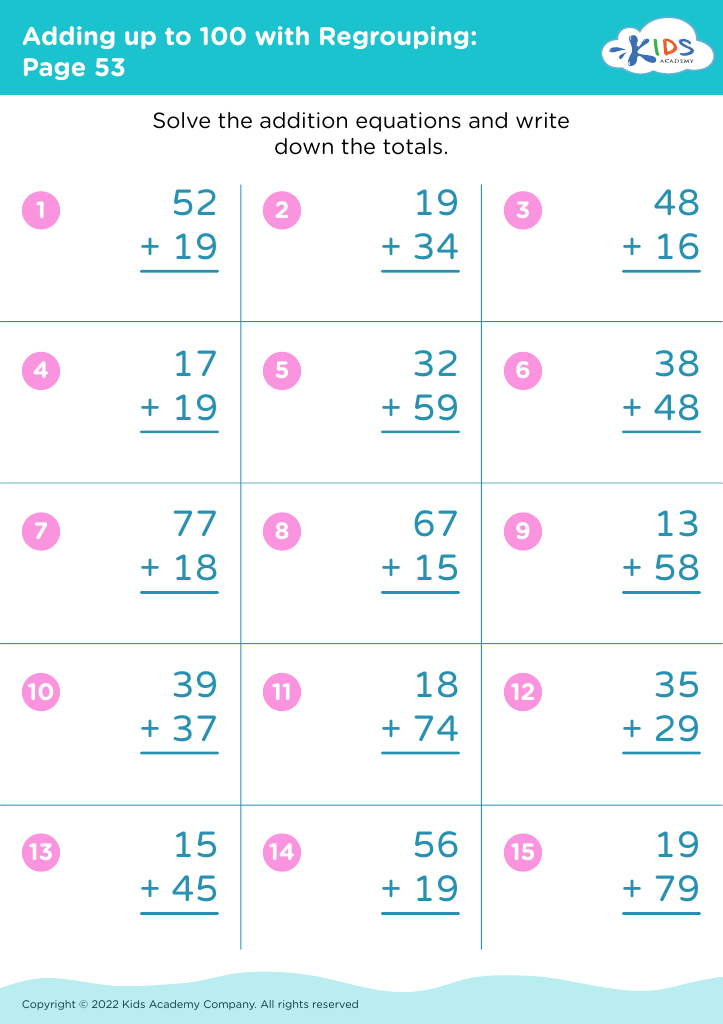
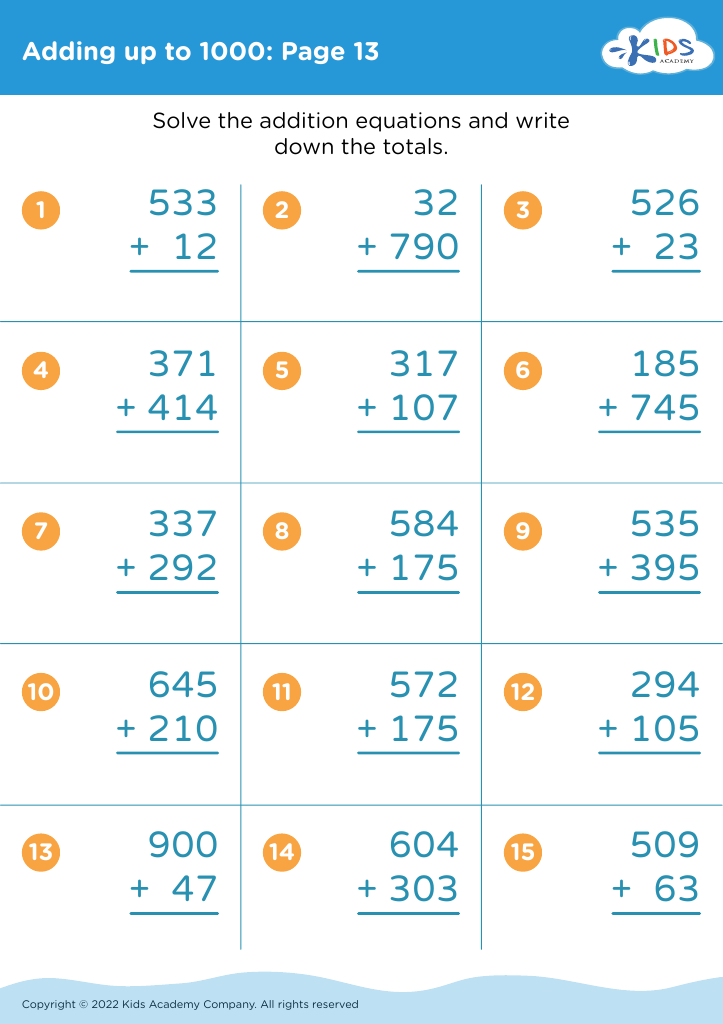
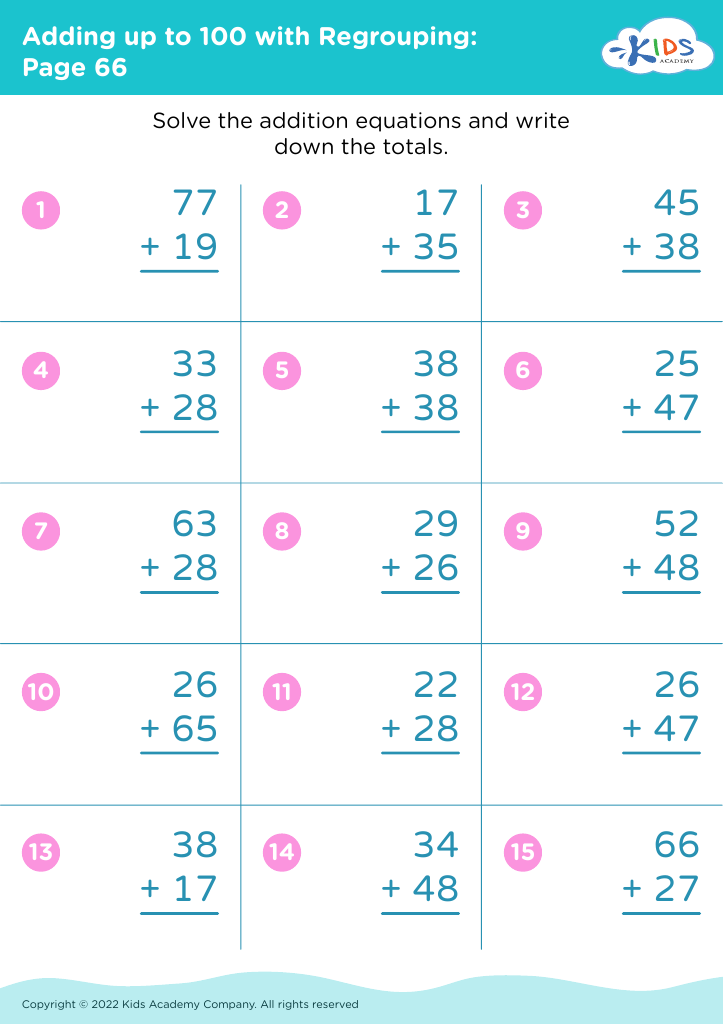
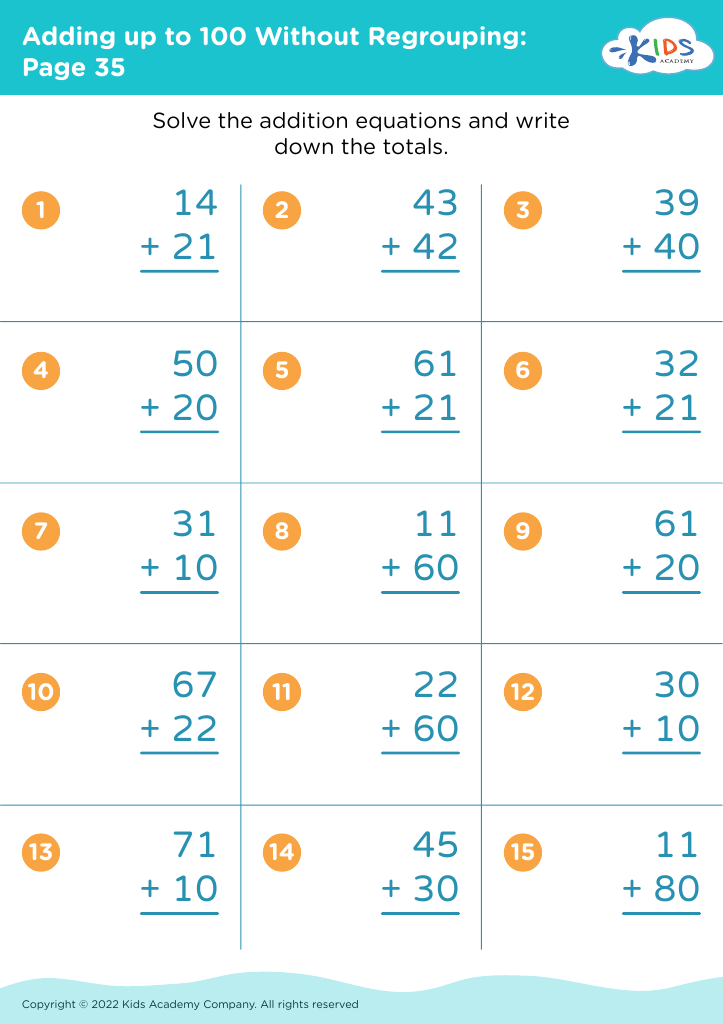








Enhancing critical thinking in mathematics for children aged 6-7 is crucial for their overall cognitive development and future academic success. At this formative age, children are rapidly developing their reasoning skills, and providing opportunities to think critically can significantly impact their understanding of math concepts and problem-solving abilities.
Parents and teachers should prioritize fostering critical thinking in math as it encourages children to approach problems creatively and analytically. This skill-building promotes a deeper understanding of core mathematical concepts beyond mere memorization, helping students make connections and apply their knowledge in real-world situations. Engaging children in discussions about math, encouraging them to explain their thought processes, and presenting them with challenging tasks can enhance their reasoning skills and cultivate resilience in problem-solving.
Moreover, critical thinking helps develop a positive attitude toward math, increasing children's confidence in tackling complex problems. This foundational skill not only influences their performance in math but also strengthens overall academic skills, as critical thinking is applicable across disciplines. In an era where innovation and critical reasoning are paramount, nurturing these abilities at a young age prepares children for future challenges in learning and life. Therefore, parents and teachers should actively engage in and prioritize critical thinking in math education.








