Fraction conversion Math Worksheets for Ages 6-7
3 filtered results
-
From - To
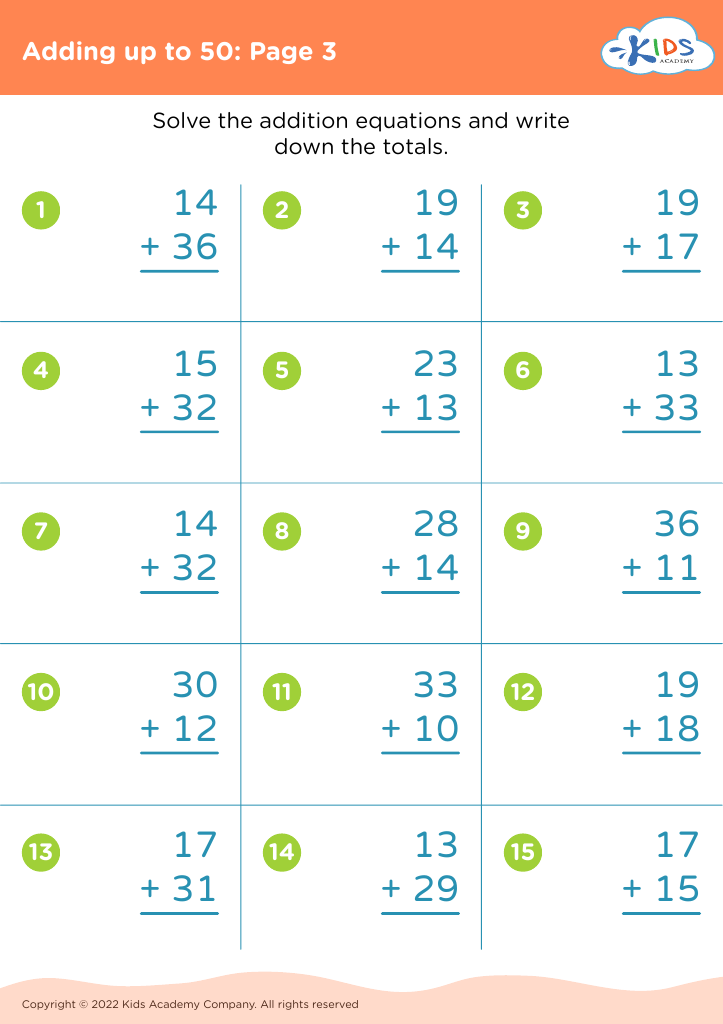
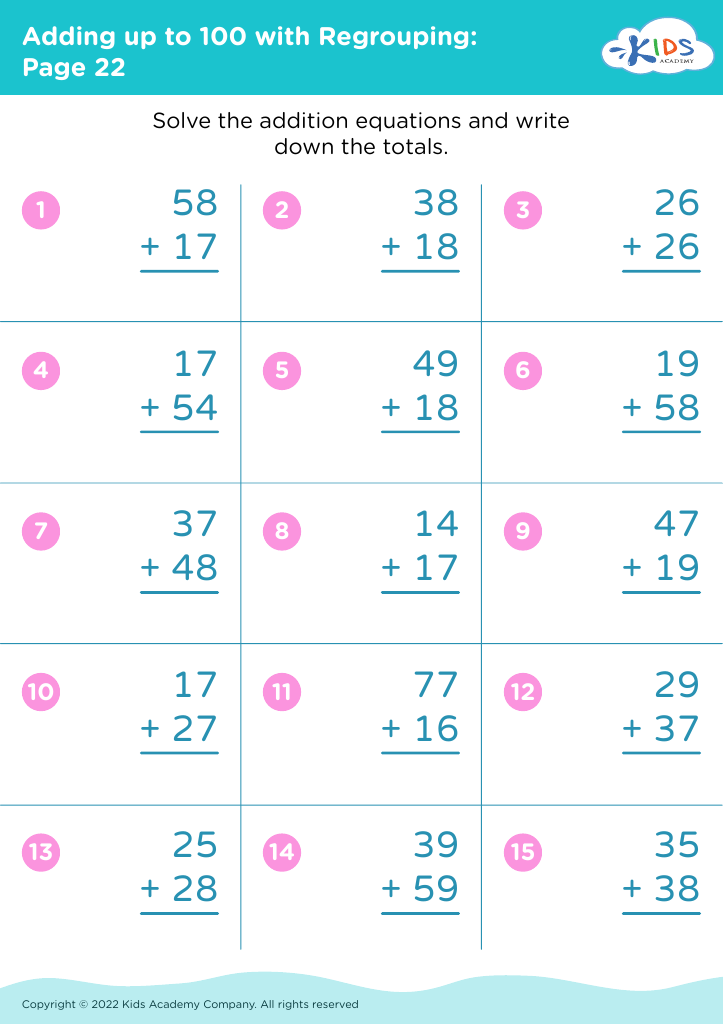
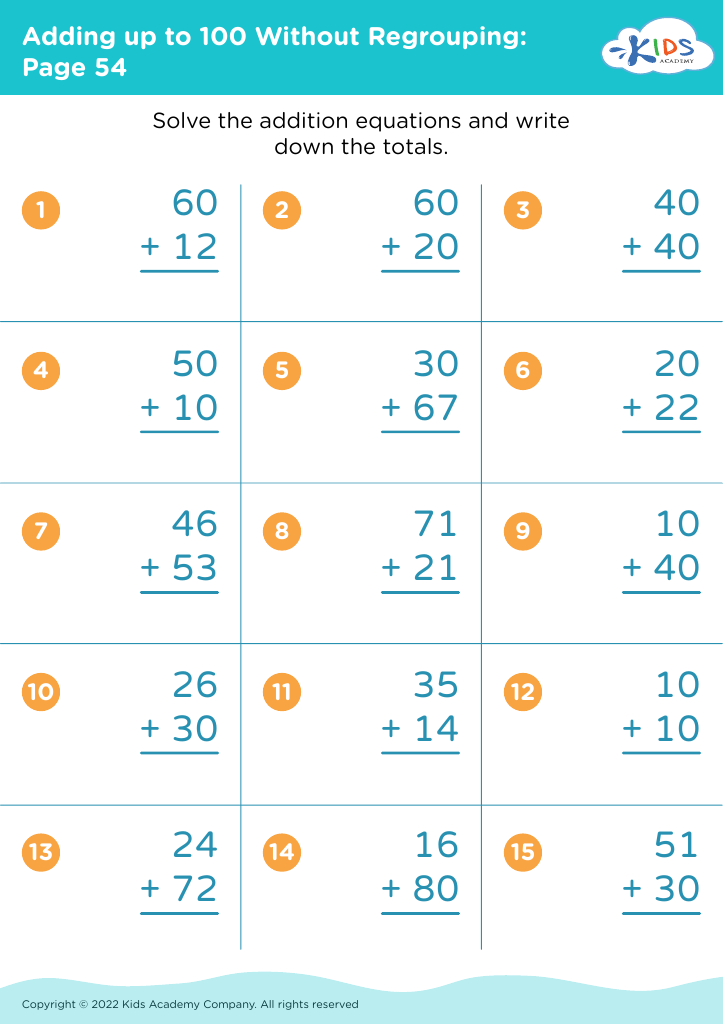
Discover our engaging Fraction Conversion Math Worksheets designed specifically for ages 6-7! These printable resources help young learners master the concept of fractions by converting them into different forms. Our worksheets feature colorful illustrations and interactive activities that make learning fun while reinforcing essential math skills. Ideal for classroom or home learning, they encourage critical thinking and problem-solving in a supportive way. Watch your child's confidence grow as they successfully tackle fraction conversion exercises tailored to their age group. Explore our collection today to bolster your child’s math proficiency with these effective, playful worksheets!








Parents and teachers should focus on fraction conversion for ages 6-7 because it lays a crucial foundation for mathematical understanding. At this developmental stage, children begin to grasp the concept of numbers and their relationships, making it an ideal time to introduce fractions. Understanding fractions helps children make sense of whole parts and enhances their problem-solving skills.
Moreover, this knowledge supports their ability to visualize and manipulate different representations of numbers, which is essential for later math concepts such as addition, subtraction, and even decimals. Mastering fraction conversion builds numerical literacy, which is crucial in everyday life—like measuring ingredients in cooking or understanding portions.
Additionally, engaged parents and teachers can instill confidence in children. By making learning fun with practical examples and hands-on activities, they nurture a positive attitude toward math. A strong grasp of fractions sets the groundwork for more complex mathematical concepts later, reducing anxiety related to math as children progress in their education. Thus, fostering an early interest and competence in fraction conversion equips children with vital skills for both academic success and real-life applications.








