Identify shapes Math Worksheets for Ages 6-7
11 filtered results
-
From - To
Help your child master the fundamentals of geometry with our "Identify Shapes Math Worksheets" designed for ages 6-7. These printable worksheets offer engaging exercises that make learning about shapes fun and interactive. Children will identify and differentiate between various 2D and 3D shapes, gaining confidence in their spatial reasoning skills. Perfect for both classroom and home use, these worksheets aim to strengthen foundational math knowledge while enhancing critical thinking. Suitable for first and second graders, our expertly crafted worksheets promote hands-on learning and help young learners develop a strong mathematical foundation. Start exploring and transforming shape learning today!
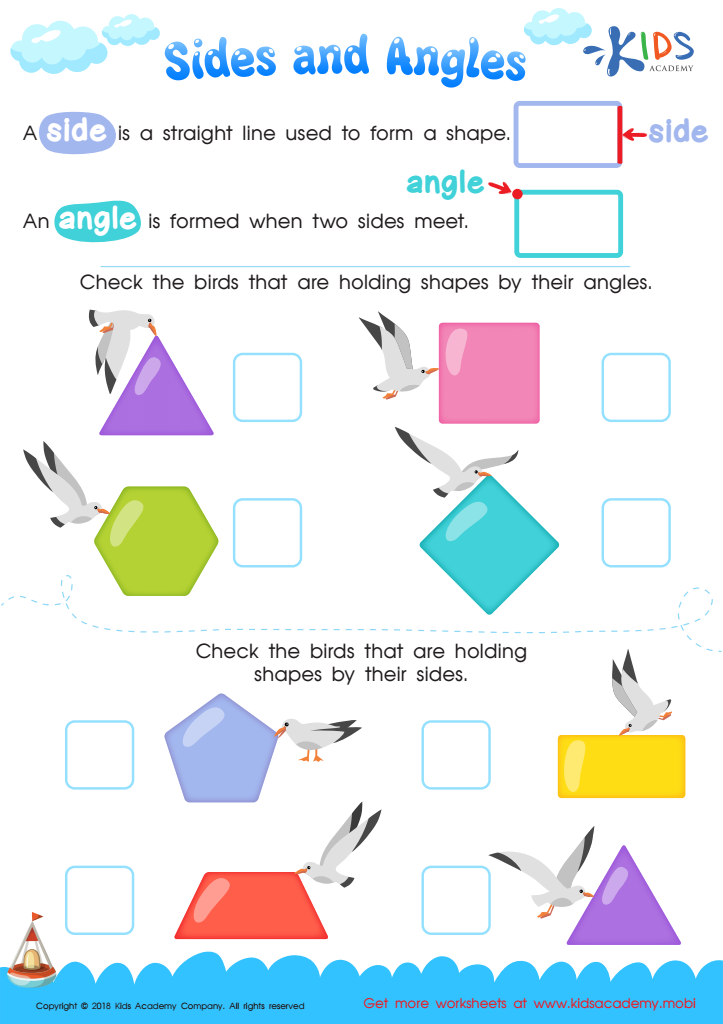
Sides and Angles Worksheet
 Assign to My Students
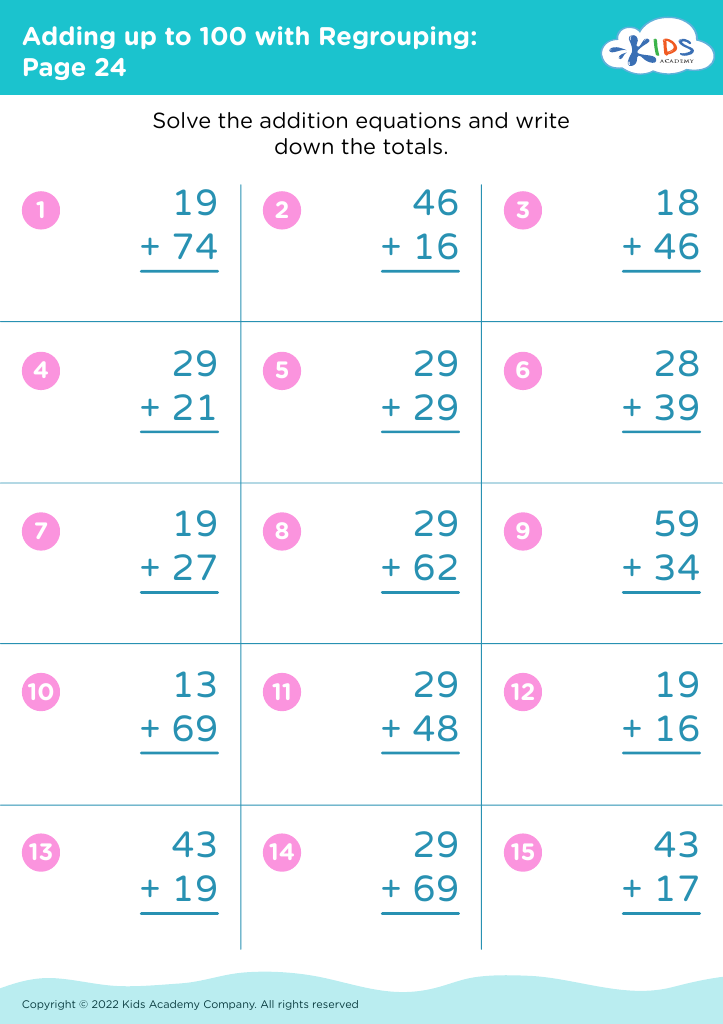
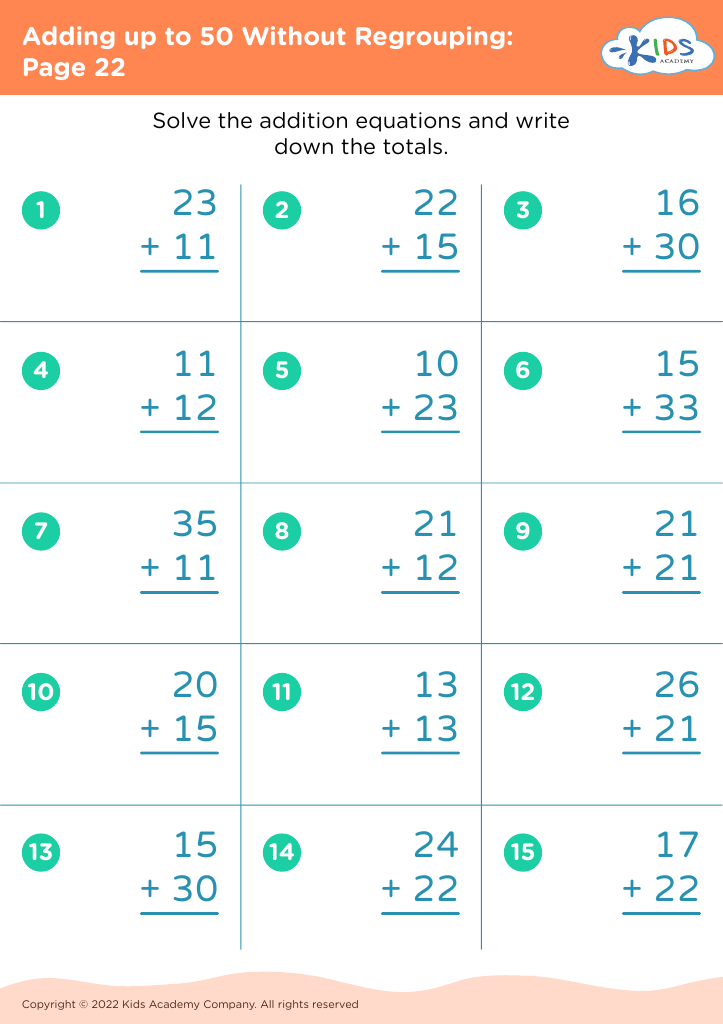
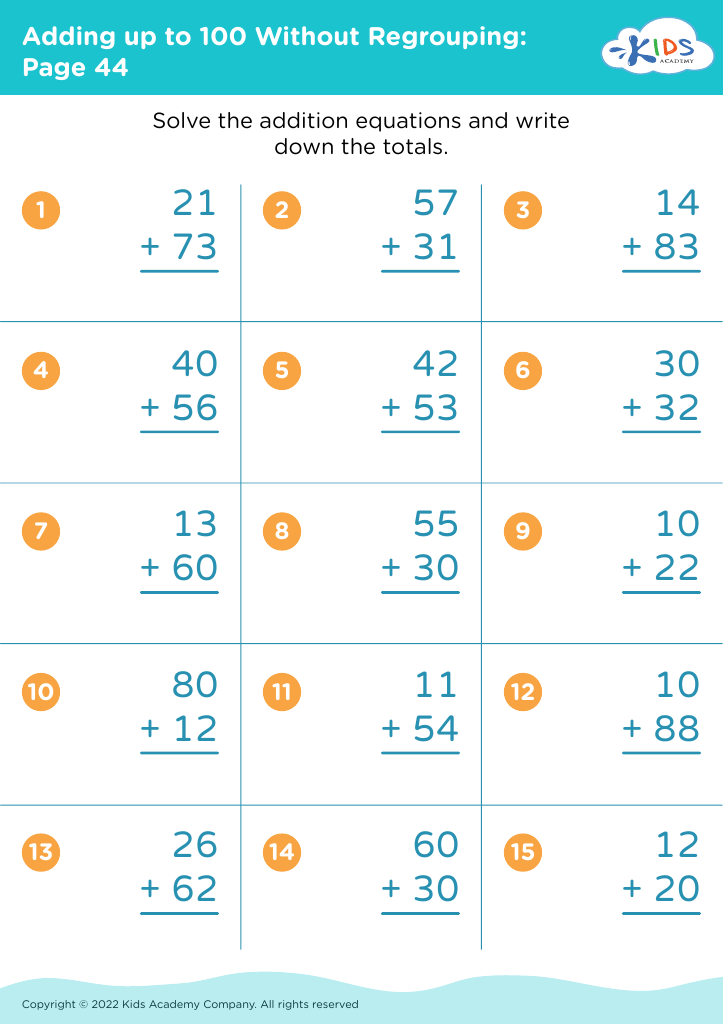








Understanding shapes is a fundamental aspect of early math education for children ages 6-7, and it holds significant value for various reasons. Firstly, recognizing and identifying shapes helps in developing spatial awareness. This is crucial as it forms the foundation for more advanced concepts in geometry, problem-solving, and critical thinking.
Secondly, in recognizing shapes, children enhance their ability to observe and differentiate objects based on their attributes, such as the number of sides, length, and angles. This skill contributes to better observational and analytical skills, which are applicable in many areas of learning and everyday tasks.
Additionally, learning about shapes supports language development and communication skills. When children talk about shapes and their properties, they practice using descriptive language, which can assist in improving their overall vocabulary and expressive ability.
Shapes also appear in many real-world contexts, from road signs to buildings to nature. By recognizing shapes, children can connect classroom learning to their surroundings, making learning more relevant and engaging.
Teachers and parents should prioritize shape recognition in math education as it not only aids in cognitive development and logical reasoning but also supports holistic growth in young learners. These foundational skills pave the way for future academic success and enhanced problem-solving abilities.








