




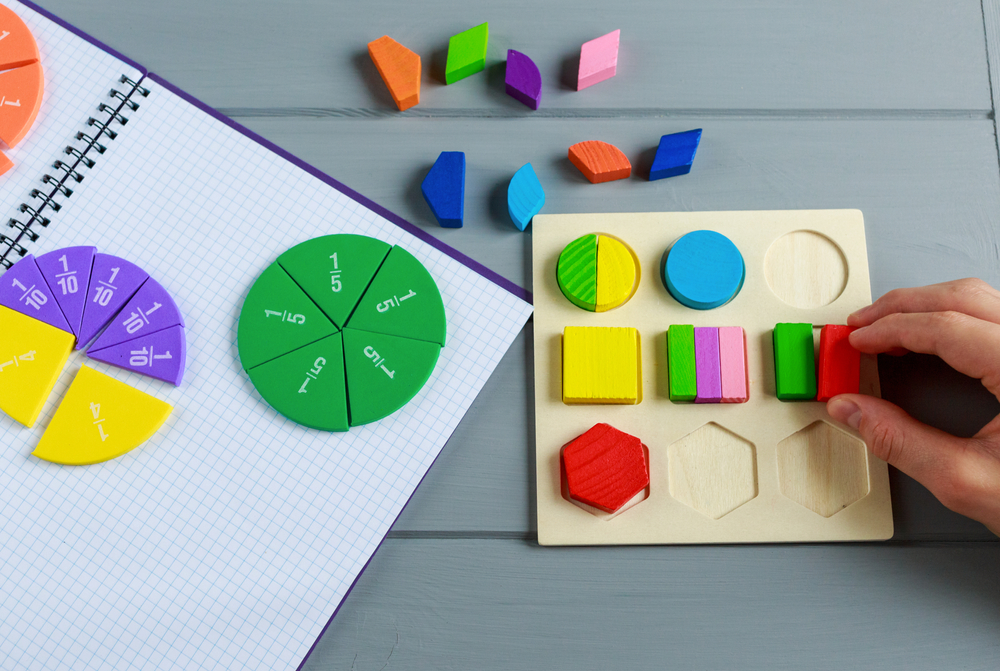

Parents and teachers should prioritize helping children ages 6-7 identify shapes in math because it lays a critical foundation for future mathematical understanding and everyday life skills. Recognizing shapes isn't just about naming circles and squares; it's about developing spatial awareness, which is crucial for geometry, problem-solving, and reasoning abilities later on.
Shapes help kids connect visual information with physical objects, fostering cognitive development and enhancing their ability to categorize and differentiate. As children learn to identify and analyze shapes, they also build vocabulary and language skills essential for articulating and sharing ideas.
Moreover, understanding shapes contributes to better comprehension in subjects like art, science, and technology, promoting interdisciplinary learning. It enhances fine motor skills through activities like drawing, cutting, and building, which are important for developmental milestones.
Practically, knowledge of shapes aids in navigation and everyday situations, such as interpreting traffic signs, assembling furniture, or even cooking with different utensil shapes. Overall, early mastery of shapes equips children with a toolkit for comprehensive learning, making it a fundamental aspect of their educational journey that parents and teachers should certainly value.








