
Learn subtraction Math Worksheets for Ages 6-7
4 filtered results
Difficulty Level
Grade
Age
-
From - To
Subject
Activity
Standards
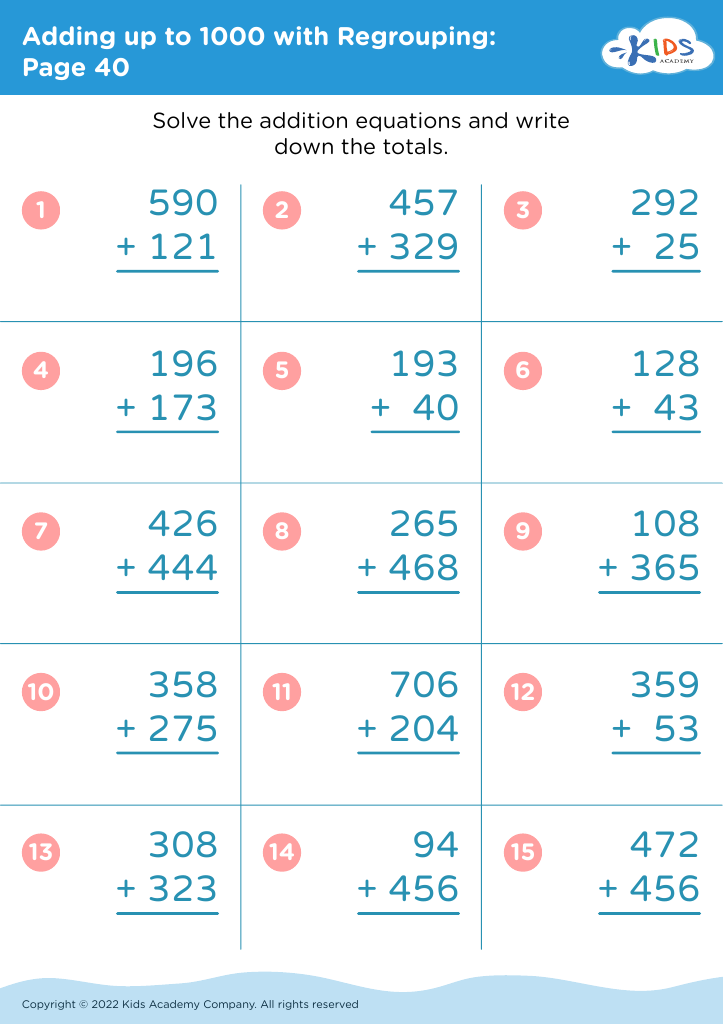
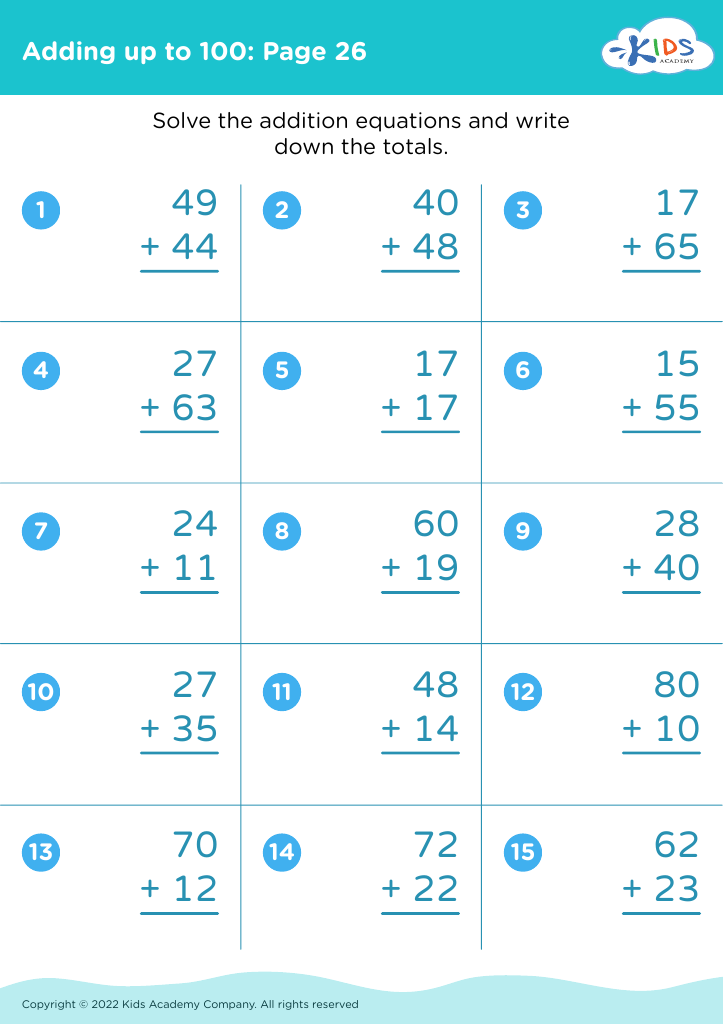
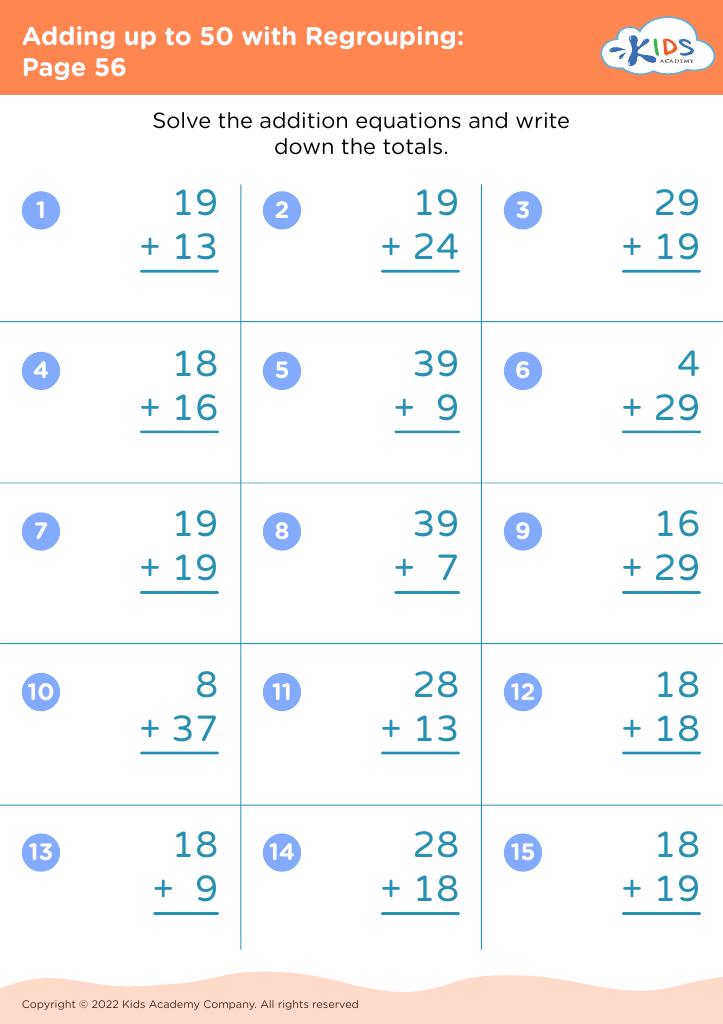
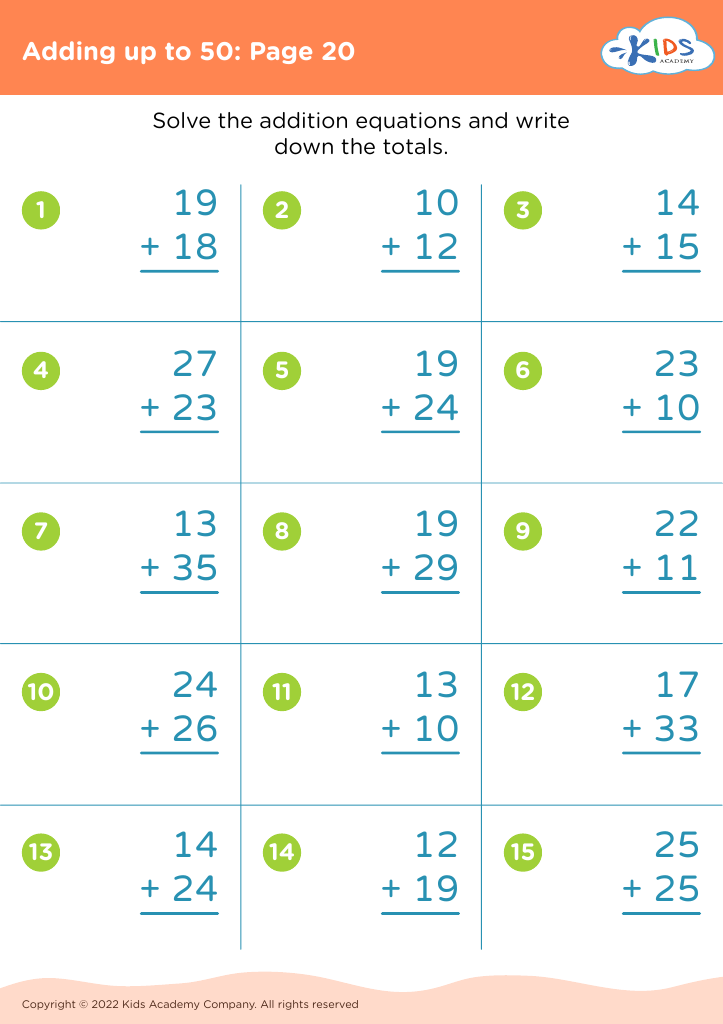
Welcome to our engaging "Learn Subtraction Math Worksheets" for children ages 6-7! These thoughtfully designed worksheets aim to make subtraction fun and interactive. Our resources support young learners in mastering essential subtraction skills through various exercises, including visuals, number lines, and word problems. By tackling manageable problems, kids will build confidence and proficiency, establishing a strong mathematical foundation. Perfect for home or classroom use, these worksheets also help develop critical thinking abilities while enhancing number sense. Join us in fostering a love for math and ensuring your child excels in subtraction with our diverse and captivating practice materials!
Favorites
With answer key
Interactive
Join Kids Academy for Free
Who is primarily going to use this learning content?







Teachning subtraction to children aged 6-7 is crucial for their cognitive development and future academic success. At this age, children are forming foundational math skills that will be built upon in later years. Subtraction helps them understand the concept of "taking away," which is essential for problem-solving and critical thinking.
Parents and teachers play a vital role in making math engaging and applicable to real-life situations. By showing how subtraction fits into everyday life—like counting change or sharing snacks—they can make the subject relatable and enjoyable. When children grasp subtraction, they gain confidence, which can positively affect their attitude towards math in general. Early mastery promotes mental agility and prepares them for more complex operations in geometry, algebra, and beyond.
Moreover, collaborative learning can strengthen the bond between parents and children, promoting a supportive learning environment. Engaging activities, games, and discussions can make learning subtraction fun rather than a chore. Thus, prioritizing subtraction in early education sets the stage for lifelong learning and success, equipping children with essential skills they will use throughout their lives.








