Letter Tracing Practice Math Worksheets for Ages 6-7
3 filtered results
-
From - To
Enhance your child's writing and math skills with our Letter Tracing Practice Worksheets, specially designed for ages 6-7. These engaging worksheets not only focus on improving letter formation but also integrate foundational math concepts to create a well-rounded learning experience. As children practice tracing letters, they will also develop essential skills to recognize numbers and solve simple math problems. Each worksheet features colorful illustrations and interactive elements that make learning enjoyable. Perfect for use in the classroom or at home, our letter tracing practice sheets help establish a strong educational foundation while fostering a love for learning. Get started today!
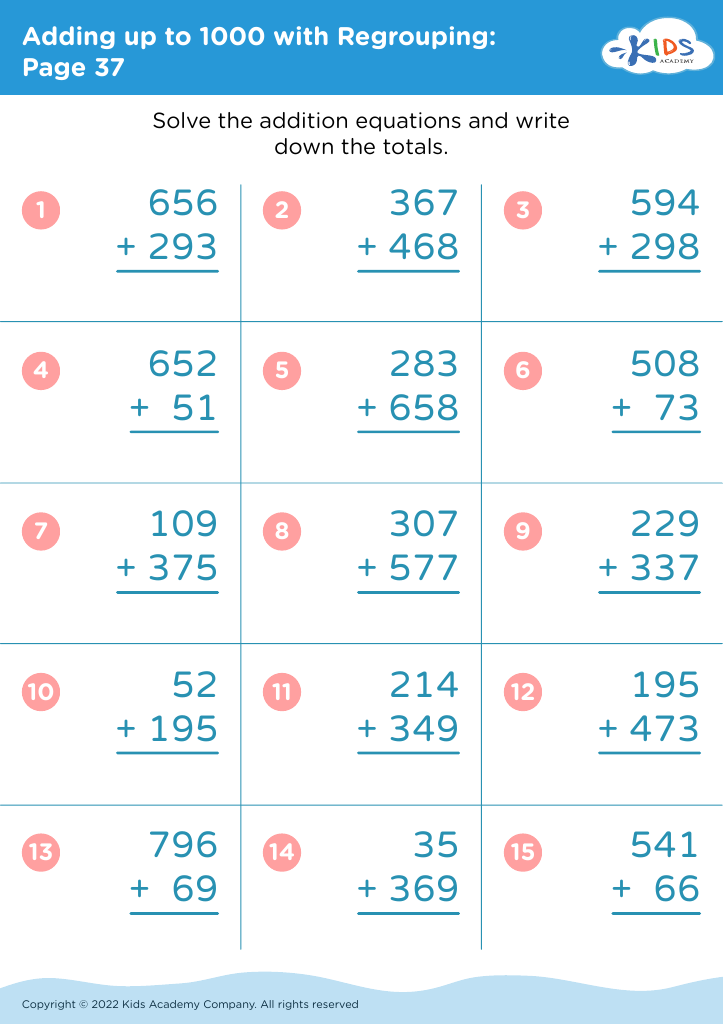
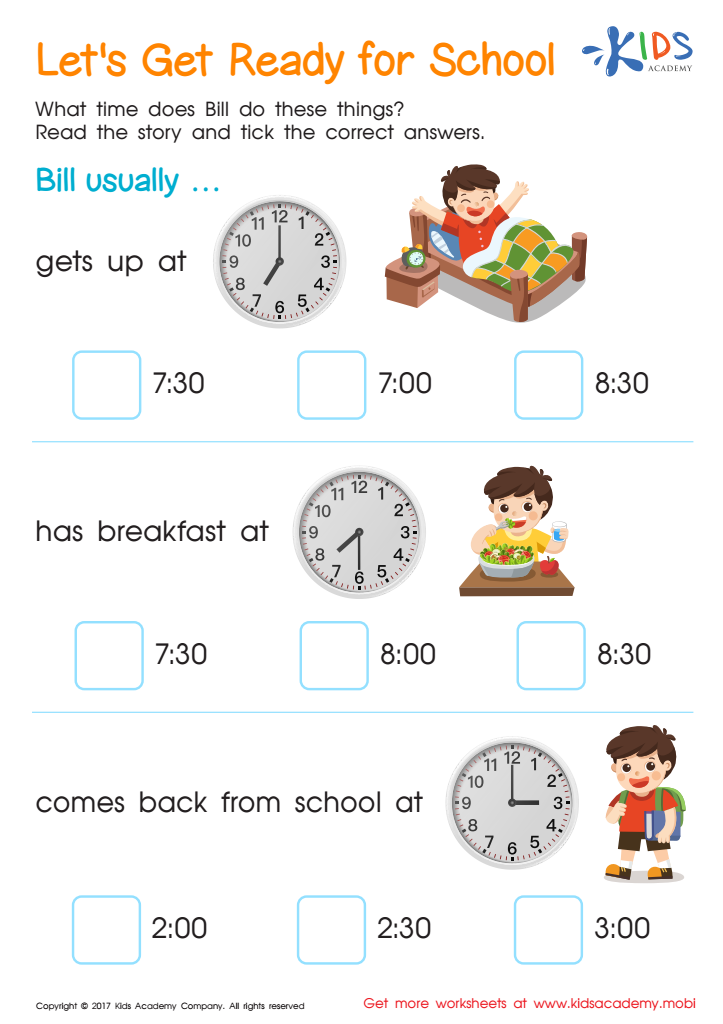
Lets Get Ready For School Time Printable
 Assign to My Students








Letter tracing practice is a critical component of early childhood education, especially for children aged 6-7, who are at a pivotal stage in their literacy and numeracy development. Firstly, it enhances fine motor skills, which are essential for writing and accurate mathematical symbol recognition. This practice allows children to develop hand-eye coordination and dexterity, laying a solid foundation for more complex skills.
Secondly, letter tracing aids in reinforcing letter recognition and phonemic awareness, which are vital for reading proficiency. As children trace letters, they also become familiar with their shapes and sounds, contributing to stronger vocabulary skills.
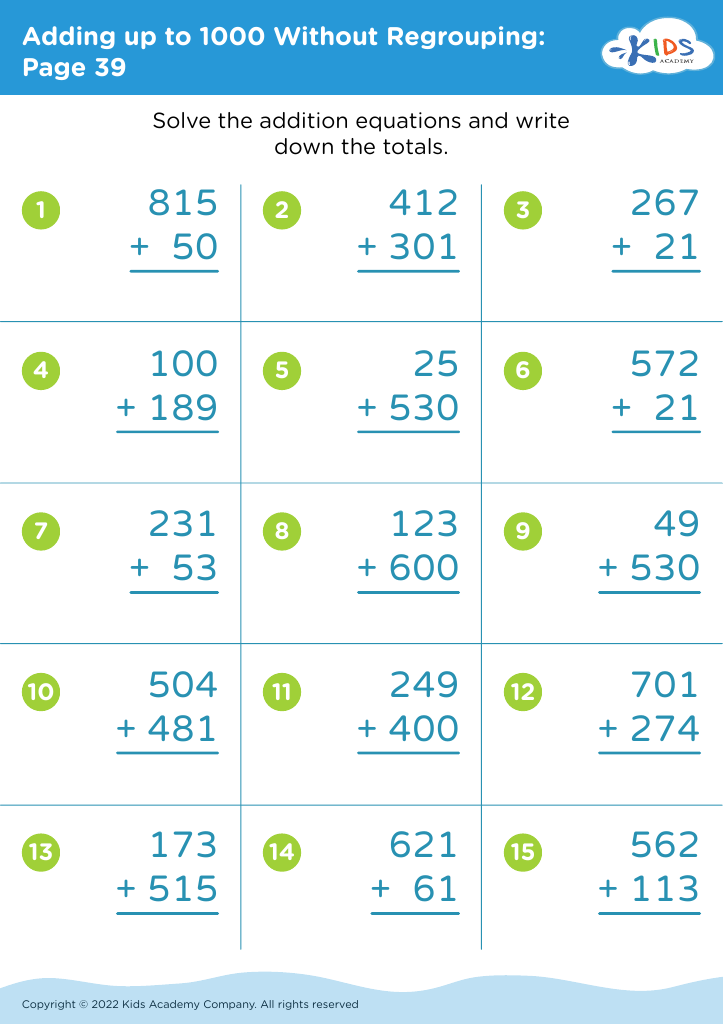
Moreover, while traditionally associated with literacy, letter tracing can also be integrated into math learning. For instance, children can trace numbers and mathematical symbols, aiding in their understanding of basic addition and subtraction concepts.
Finally, letter tracing allows for multisensory learning, where children visually, tactily, and kinesthetically engage with letters and numbers, making learning more dynamic and effective. This approach not only makes learning enjoyable but also boosts children's confidence in their abilities. For these reasons, parents and teachers should prioritize letter tracing practice during this crucial developmental phase.








