Understanding habitats Math Worksheets for Ages 6-7
3 filtered results
-
From - To
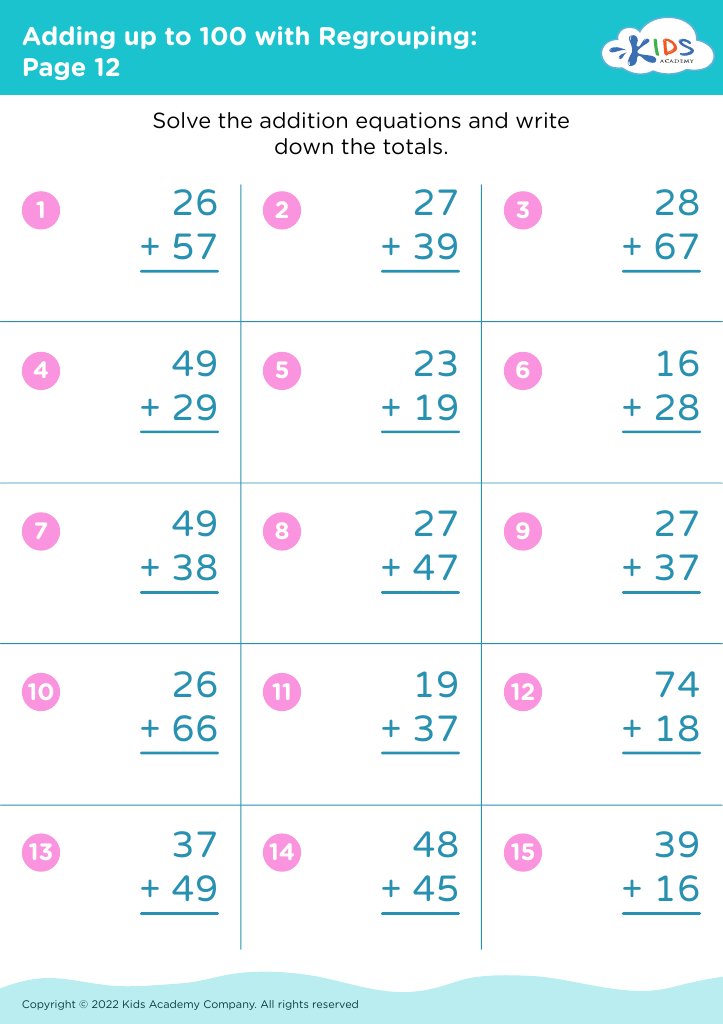
Discover the perfect blend of math and science with "Understanding Habitats Math Worksheets for Ages 6-7" on Kids Academy. Spark curiosity and enhance learning as children explore different habitats while practicing key math skills. These engaging worksheets immerse young learners in exciting activities, allowing them to tackle addition, subtraction, and more, all within the context of understanding various ecosystems. Tailored for first and second graders, our resources make complex concepts accessible and fun. Perfect for classroom use or at-home practice, these worksheets are designed to build a strong math foundation while fostering an appreciation for nature. Empower your child's growth today!
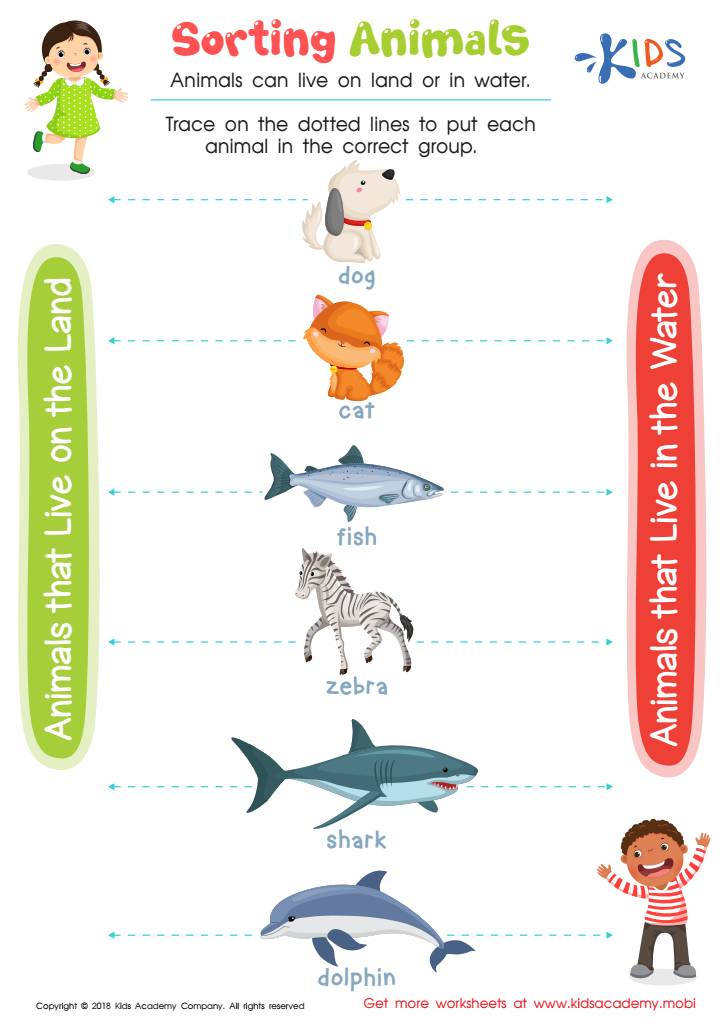
Sorting Animals Worksheet
 Assign to My Students
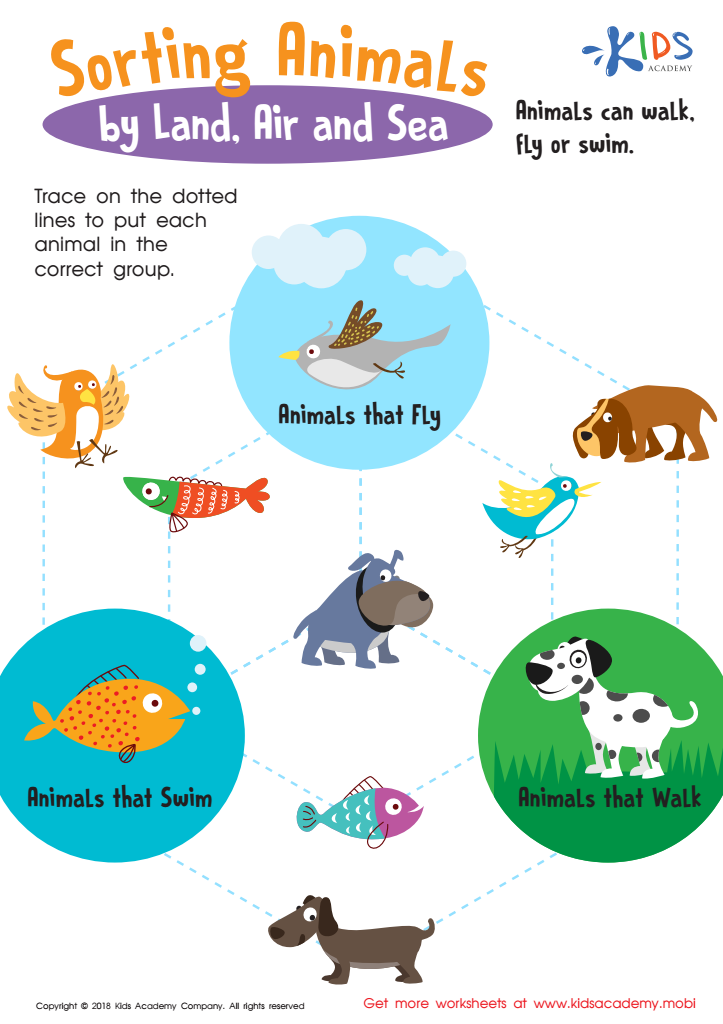
Sorting Animals by Land, Air and Sea Worksheet







.jpg)
Parents and teachers should value the importance of understanding habitats and math for children ages 6-7 because it lays the foundational groundwork that blends environmental awareness with critical thinking skills. Learning about different habitats—deserts, forests, oceans—at an early age cultivates a child's curiosity about the natural world, teaching them about biodiversity and the importance of ecosystems. This awareness can inspire environmental stewardship as they grow older.
Incorporating math into lessons about habitats not only reinforces essential numeracy skills but also demonstrates the practical applications of math in everyday life and nature. For instance, simple tasks like counting animals, measuring plant growth, or comparing temperatures help students grasp numbers, patterns, and measurements. These activities promote logical reasoning and problem-solving abilities.
Moreover, integrating subjects like science and math makes learning engaging and dynamic, catering to varied interests and learning styles. This holistic approach nourishes both intellectual and emotional well-being, keeping students enthusiastic and invested in their educational journeys. Ultimately, it provides them with tools to analyze the world more deeply and drives a lifelong love for learning and exploring. Thus, understanding habitats and integrating math concepts can make education more meaningful and enjoyable for young students.








