Understanding measurements Math Worksheets for Ages 6-7 - Page 2
25 filtered results
-
From - To
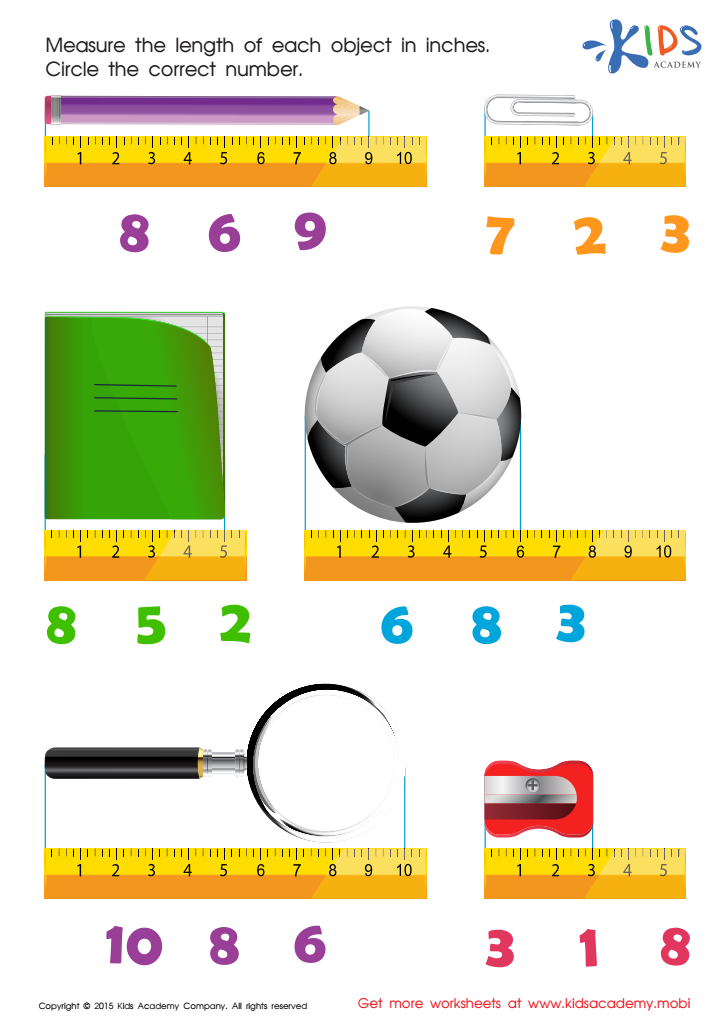
Learning measuring objects in inches Worksheet
 Assign to My Students




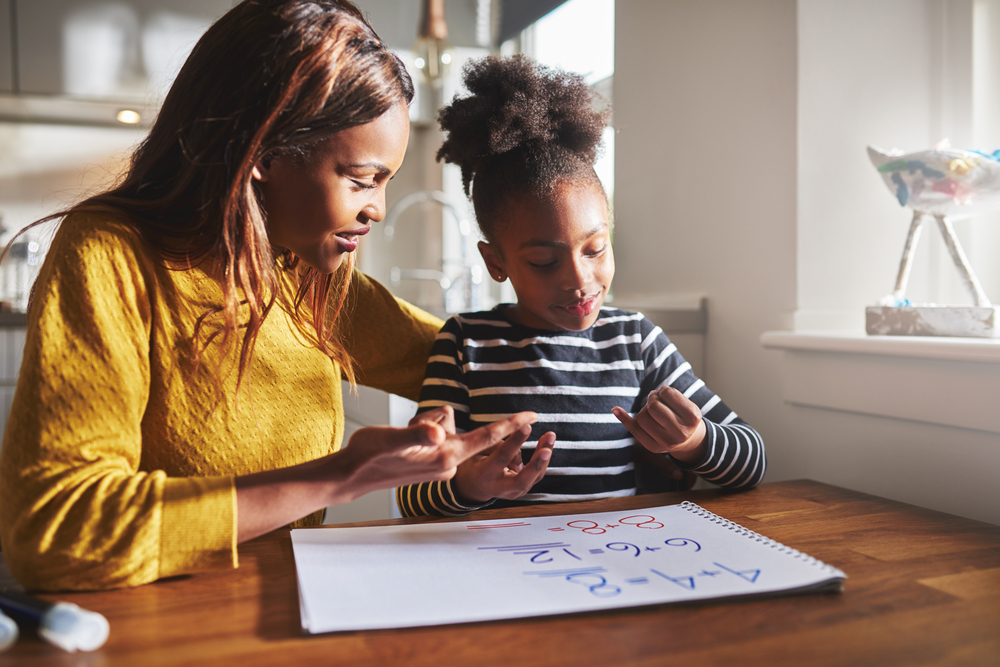


Understanding measurements in early childhood is crucial as it lays the groundwork for a myriad of essential skills. For ages 6-7, learning about measurements translates to practical understanding of their world. It helps children grasp concepts of length, weight, volume, and time. These are not just abstract ideas but practical tools they will use daily, whether it’s figuring out which shoe fits best, determining how much juice fills a glass, or how long an activity might take.
Measurements are fundamental in developing problem-solving and critical thinking skills. When children measure objects, they learn to compare and analyze different outcomes, honing their ability to reason and make informed decisions. Lastly, these skills support future math learning areas like geometry, algebra, and even data analysis.
Furthermore, using hands-on learning with rulers, scales, and clocks makes math tangible and engaging. This early interaction encourages a positive attitude towards math. When parents and teachers actively involve children in measurement activities, they foster an environment where mathematical thinking can flourish naturally. Ensuring that young children grasp these basic measurement concepts propels them toward academic success and builds confidence in mastering more complex mathematical tasks.








