Spatial awareness Numbers 0–10 Worksheets for Ages 6-7
3 filtered results
-
From - To
Enhance your child's mathematical skills with our "Spatial Awareness Numbers 0–10 Worksheets" designed for ages 6-7. These engaging worksheets are tailored to help young learners understand number recognition, sequencing, and spatial awareness. Each activity encourages hands-on learning through interactive exercises that involve arranging, comparing, and recognizing numbers within the 0-10 range. Perfect for classroom or at-home practice, these worksheets bolster critical thinking and provide a strong foundation in early math concepts. Foster your child's love for learning and boost their confidence with these fun and educational resources. Download now to support your child's developmental needs!
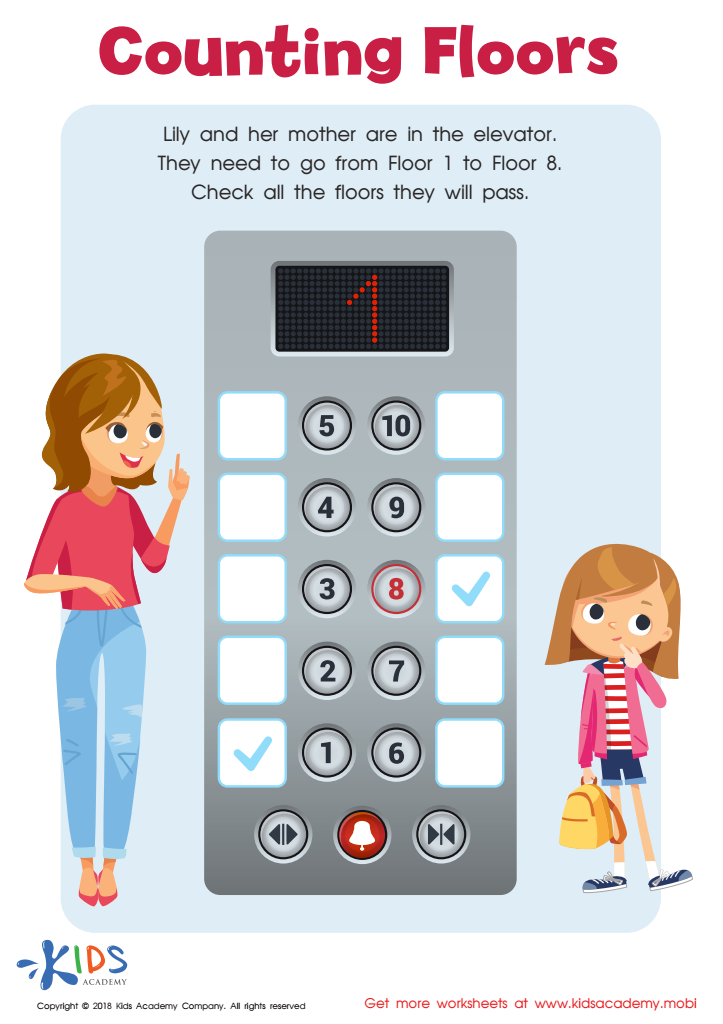
Counting Floors Worksheet
 Assign to My Students
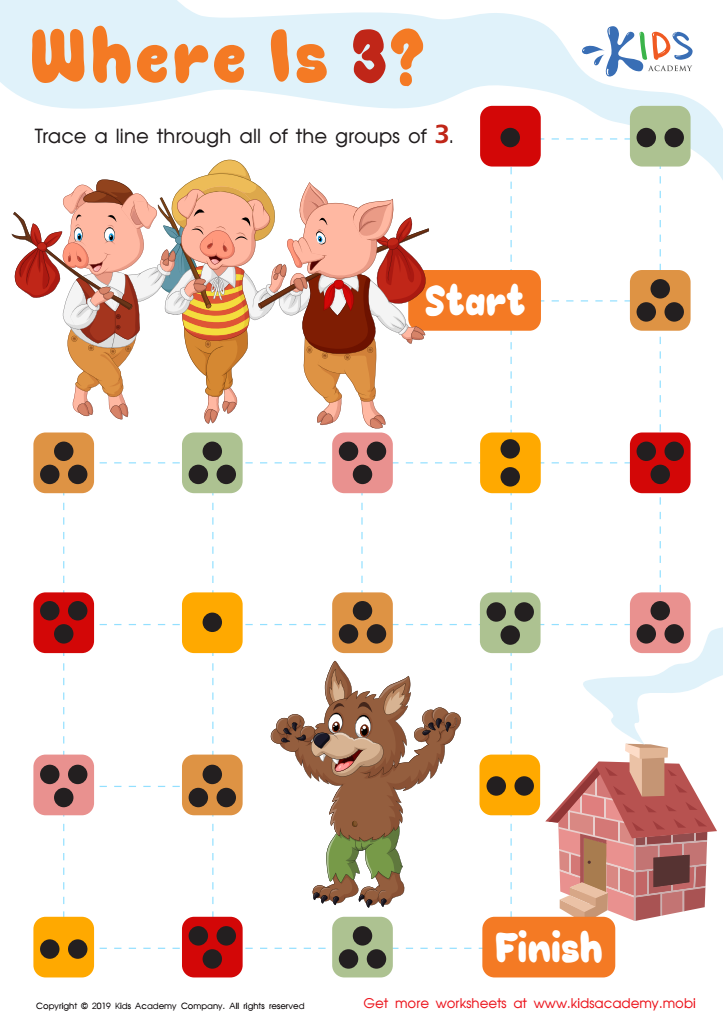
Where Is 3? Worksheet
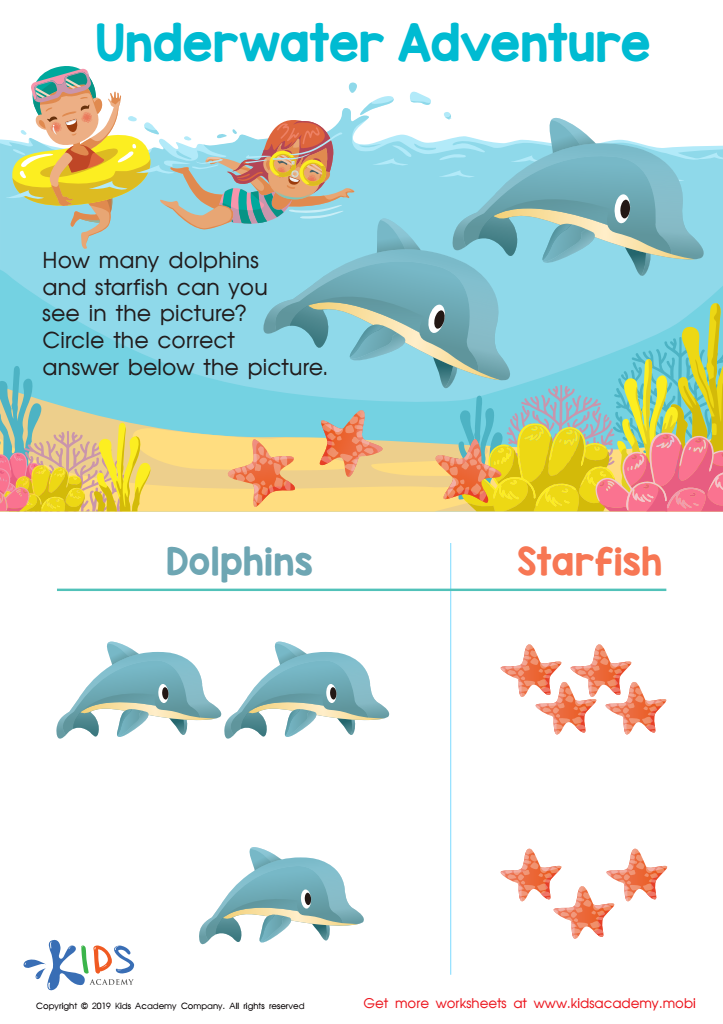
Underwater Adventure Worksheet








Spatial awareness and number recognition are foundational skills that significantly impact a child's academic development and everyday life. For children ages 6-7, fostering these skills establishes a robust groundwork for future learning in subjects such as mathematics, science, and even reading.
Spatial awareness involves understanding the relationships between objects within a given space. This skill is crucial for tasks like reading, where recognizing the alignment and orientation of letters enhances reading fluency. Furthermore, spatial awareness is a precursor to geometric reasoning and problem-solving, essential components of higher-level math and real-world tasks such as navigating a city or understanding maps.
Learning to recognize numbers 0–10 is equally important. This range forms the basis for basic arithmetic—addition, subtraction, multiplication, and division. Proficiency with these numbers allows children to grasp more complex mathematical concepts, build confidence in their numerical abilities, and minimize math anxiety. Early mastery also encourages a positive attitude toward math, which is crucial given that math competency correlates with academic success across various subjects.
Parents and teachers should prioritize these foundational skills to ensure children develop the necessary cognitive tools for academic success and foster skills that will be valuable throughout their lives. Creating engaging, hands-on learning activities can effectively and enjoyably enrich these critical early skills.