Counting practice Place Value Worksheets for Ages 6-7
3 filtered results
-
From - To
Boost your child's counting skills and understanding of place value with our Counting Practice Place Value Worksheets for Ages 6-7! These engaging and educational worksheets are designed to help young learners grasp the basics of counting, number recognition, and the concept of tens and ones. Perfect for first graders, each sheet offers fun, interactive exercises that reinforce early math skills. With colorful graphics and practical problems, your child will develop a solid foundation for future math success. Visit our page to download premium-quality, teacher-approved printables that make mastering place value a delightful adventure!
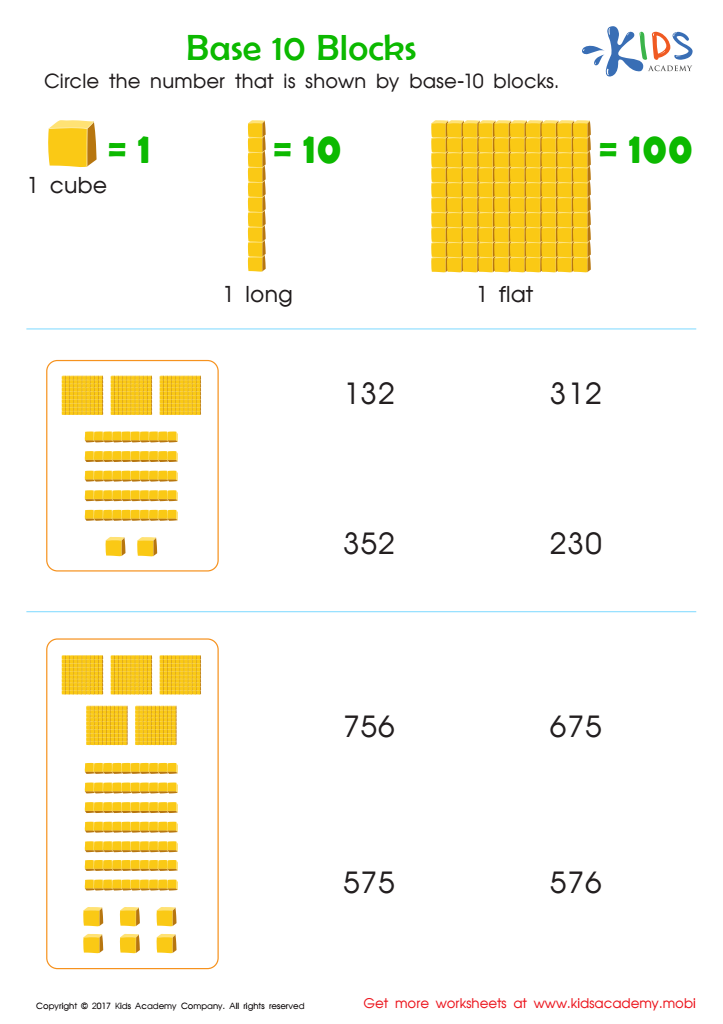
Base Ten Blocks Worksheet
 Assign to My Students
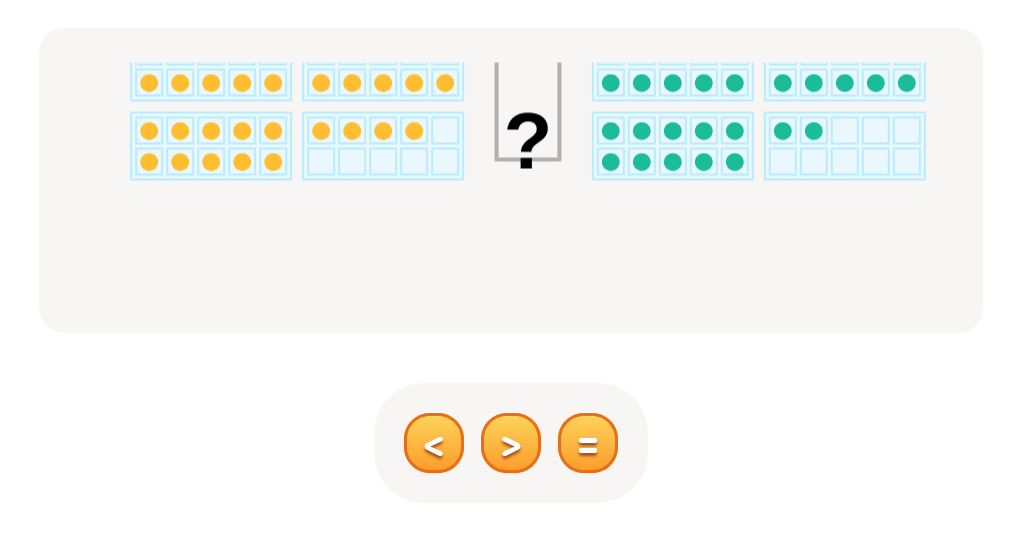

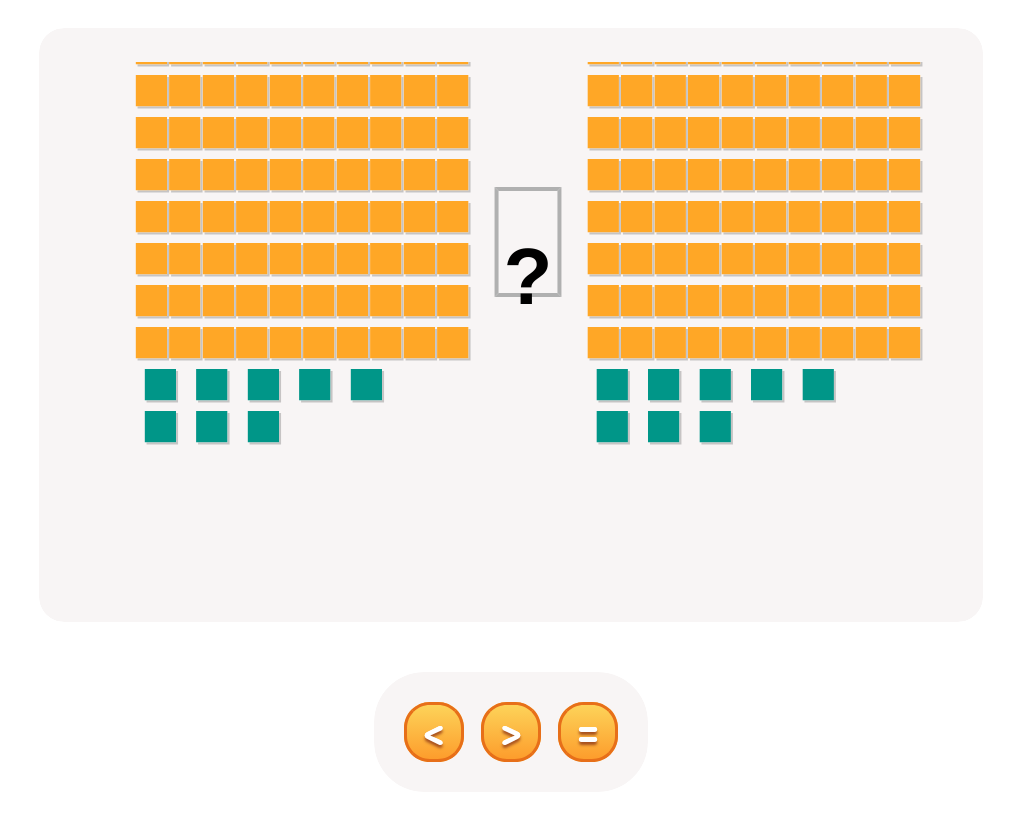
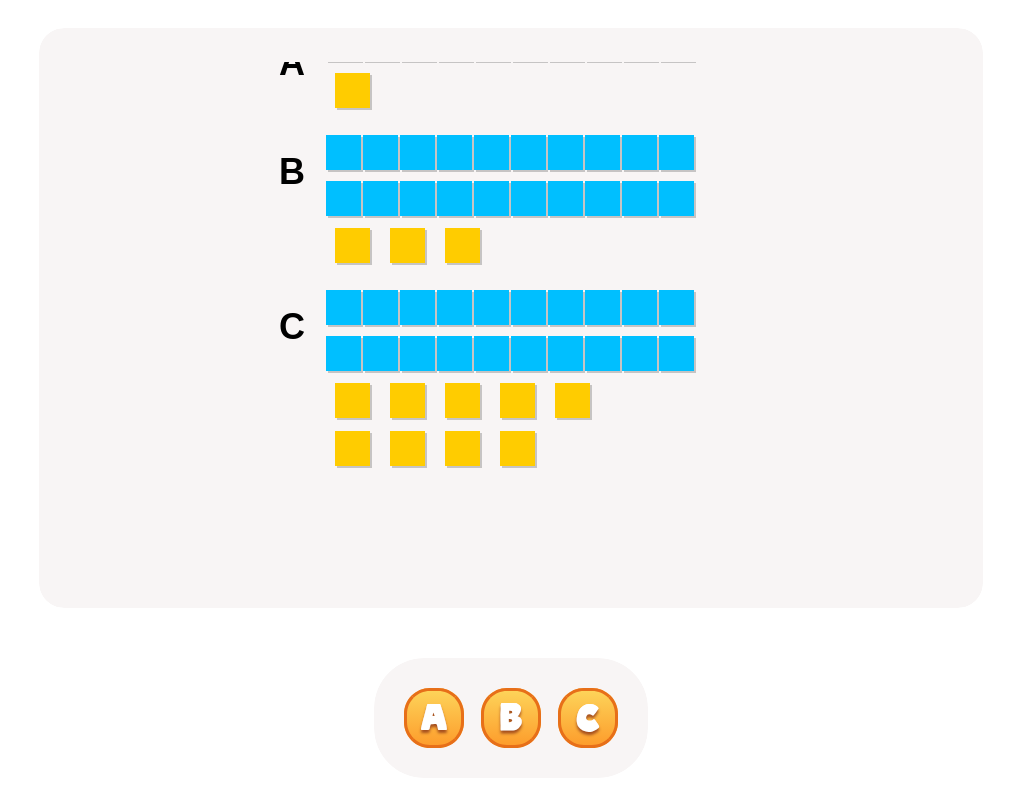
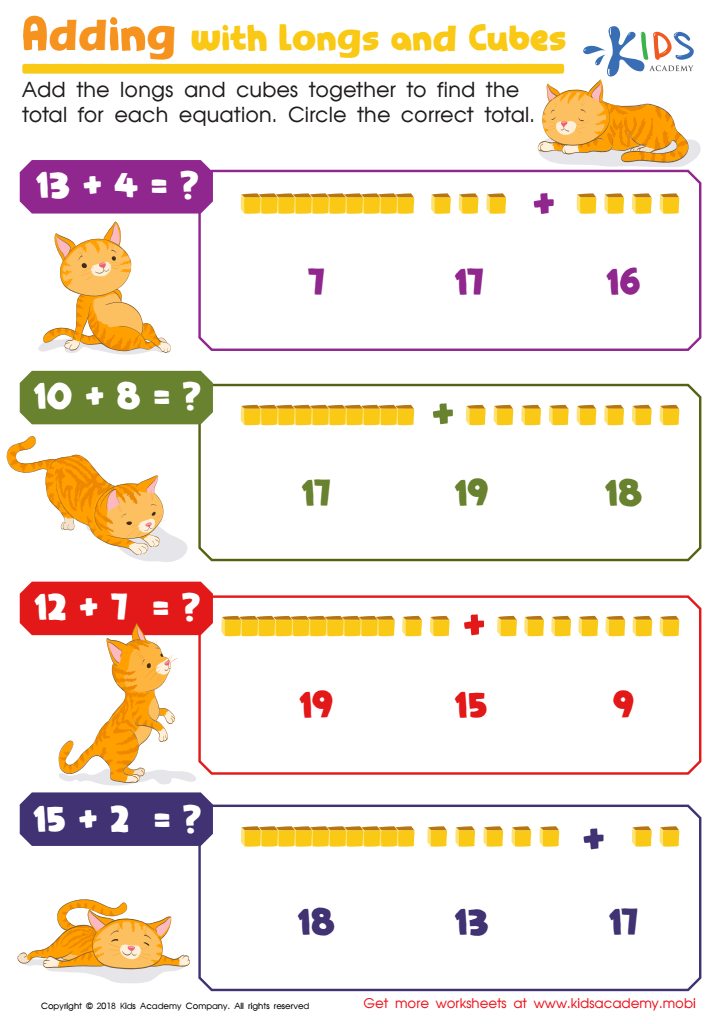
Adding With Longs and Cubes Worksheet
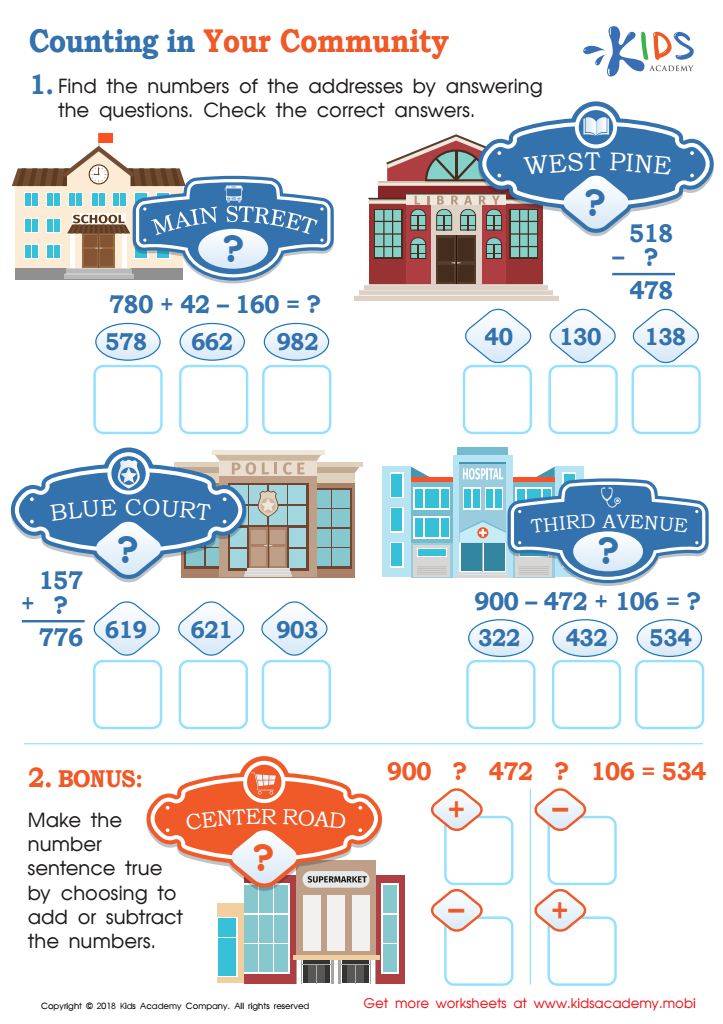
Counting in Your Community Worksheet








Counting practice and place value comprehension are critical building blocks for early mathematics education, especially for children aged 6-7. At this age, children generally shift from concrete to more abstract thinking, laying the foundation for future mathematical skills.
Firstly, counting practice reinforces number recognition and forwards and backwards sequence understanding, essential for everyday tasks and basic arithmetic operations such as addition and subtraction. Through repeated counting, children develop a strong sense of number order, which is crucial for success in higher mathematics.
Place value, on the other hand, involves understanding that the position of a digit in a number determines its value (units, tens, hundreds, etc.). For instance, in the number 34, '3' stands for thirty or three tens while '4' stands for four units. Grasping this concept is vital since it helps children comprehend larger numbers, perform arithmetic operations accurately, and understand the decimal system.
Parents and teachers play a crucial role by providing hands-on activities and visual aids, such as grouping objects into tens and ones, to make abstract concepts more concrete. Innovative teaching strategies and consistent practice can transform their numerical awareness, setting them up for lifelong success in mathematics. Early competence in these areas fosters confidence, problem-solving skills, and academic proficiency, integral to their overall educational development.








