Logical Reasoning Two-step Word Problems Worksheets for Ages 6-7
3 filtered results
-
From - To
Enhance your child's problem-solving abilities with our engaging Logical Reasoning Two-Step Word Problems Worksheets designed for ages 6-7. These colorful, interactive worksheets encourage young learners to tackle more complex math challenges while developing critical thinking skills. Each worksheet presents relatable scenarios that require students to analyze information, extract relevant details, and perform sequential calculations to arrive at the correct answer. Perfect for parents and teachers alike, our resources aim to make learning fun and enjoyable. By practicing these two-step word problems, children will build a strong foundation in logical reasoning, empowering them for future success in math and everyday situations.
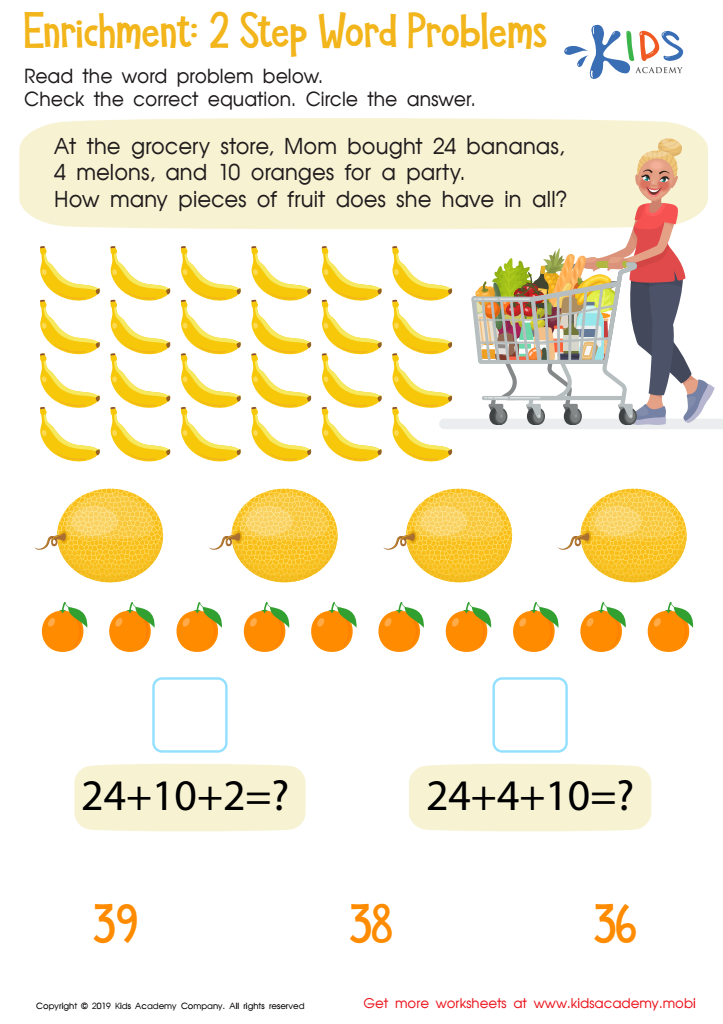
Enrichment -2 Step Word Problems Worksheet
 Assign to My Students
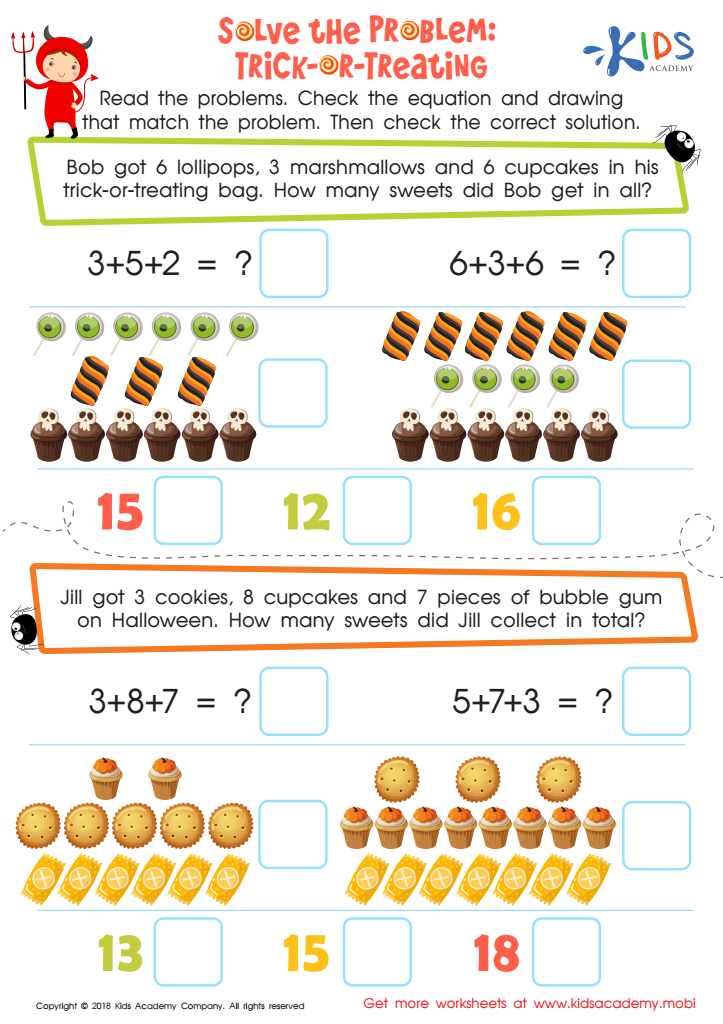
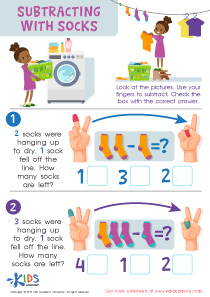
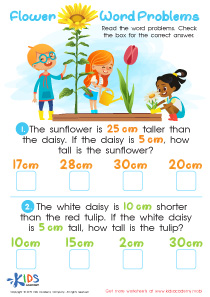
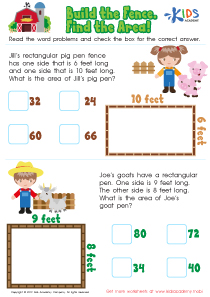
Solve the Problem: Trick–or–treating Worksheet
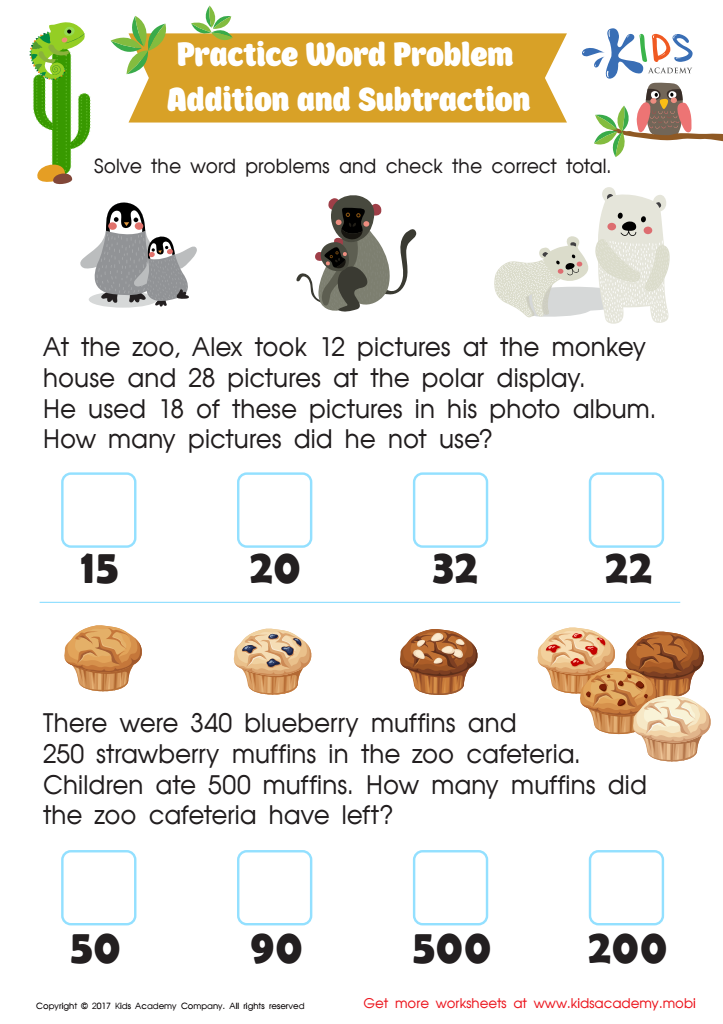
Addition and Subtraction: Word Problems Worksheet



Logical reasoning two-step word problems are crucial for the cognitive development of children aged 6-7. At this stage, children are learning to make connections between numbers and real-world situations. Encouraging them to solve these problems fosters critical thinking, enhances their comprehension skills, and promotes mathematical reasoning. By engaging with two-step word problems, children learn to analyze information, break down tasks into manageable parts, and formulate logical conclusions.
Moreover, these problems often require students to apply basic operations—addition and subtraction—building their fluency in these essential skills. As they progress from solving simple to more complex tasks, they develop a stronger mathematical foundation, which is vital for future learning. Solving word problems also improves their verbal skills, allowing them to articulate their thought processes more clearly.
For parents and teachers, understanding the importance of logical reasoning in early mathematics helps them to encourage children’s persistence in problem-solving. It motivates children to approach challenges with a positive mindset. Ultimately, by prioritizing logical reasoning two-step word problems, adults contribute to their children's overall cognitive development, prepare them for future academic success, and equip them with critical life skills necessary for long-term problem-solving.