
Color Identification Building Vocabulary Worksheets for Ages 6-7
5 filtered results
Difficulty Level
Grade
Age
-
From - To
Subject
Activity
Standards
Unlock your child's creativity and language skills with our Color Identification Building Vocabulary Worksheets designed for ages 6-7! These engaging worksheets help young learners identify and name colors while enhancing their vocabulary through fun, interactive activities. Children will enjoy activities such as coloring, matching, and connection exercises that introduce new words in an exciting way. Ideal for classroom use or at-home learning, these worksheets foster a love for learning while encouraging critical thinking and color recognition. Perfect for educators and parents alike, enhance your child's language development and artistic expression with our thoughtfully designed worksheets today!
Favorites
With answer key
Interactive
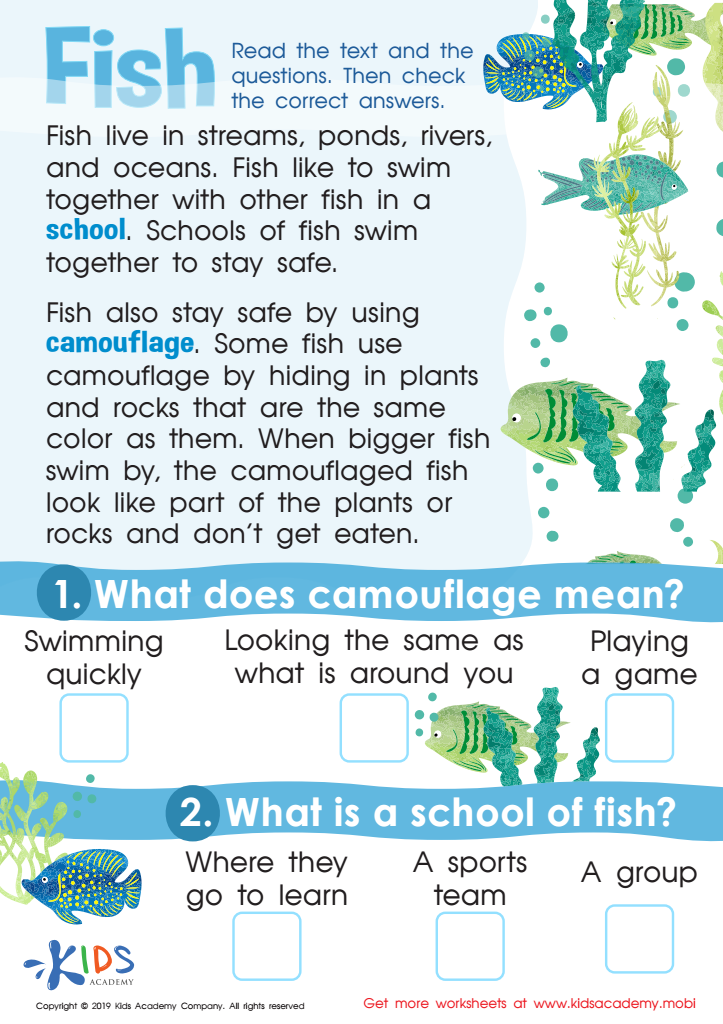
Fish Worksheet
Kids love learning about the creatures that live in water! This free PDF worksheet covers fish, teaching kids larger vocabulary and contextual reading comprehension. Questions prompt them to choose the right answer from multiple choices, just like in a classroom. It's a fun way to boost their reading skills and comprehension without them even realizing it!
 Assign to My Students
Fish Worksheet
Worksheet











Join Kids Academy for Free
Who is primarily going to use this learning content?




.jpg)



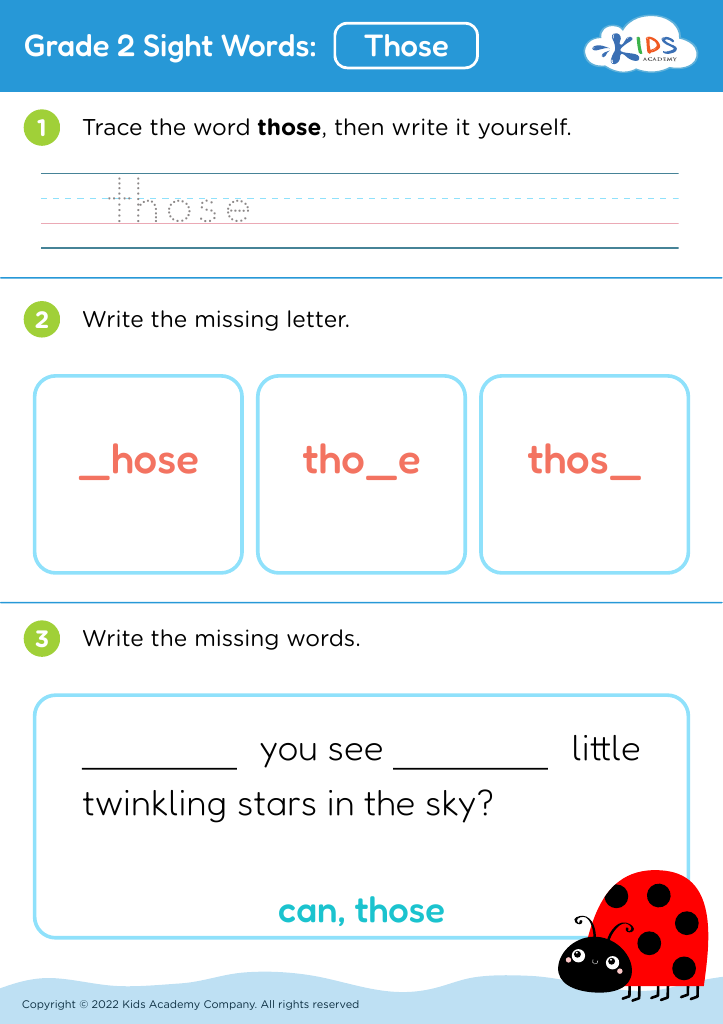
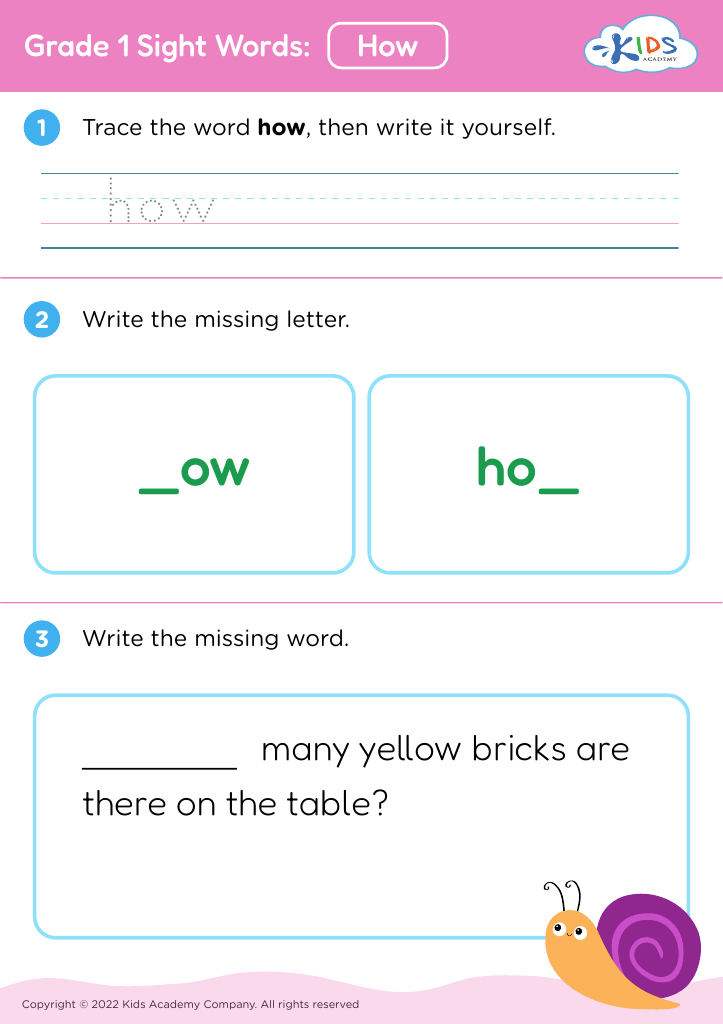
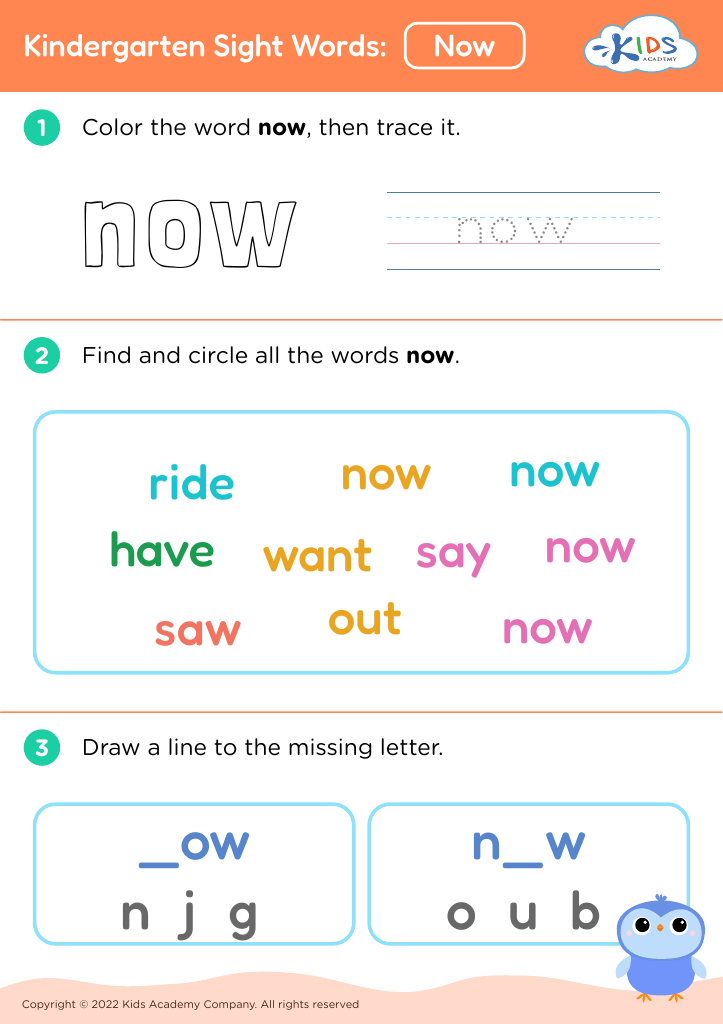
Color identification and building vocabulary are critical components of early childhood education, especially for children aged 6-7. At this stage, children are highly curious and eager to explore the world around them, making it the ideal time to introduce them to colors and associated vocabulary. Color recognition enhances their descriptive language skills, allowing them to articulate their thoughts and feelings more effectively. When children learn to identify and name different colors, they develop foundational cognitive skills, such as categorization and differentiation.
Incorporating color vocabulary into daily activities can stimulate children's creativity and imagination. It encourages them to express themselves through various mediums like art, storytelling, and play. Moreover, a rich vocabulary supports reading comprehension, which is essential as children progress in their education. By understanding colors, children can also relate to broader concepts in science and mathematics, such as sorting and patterns.
Parents and teachers play a pivotal role in this learning journey. Engaging children in color-based activities – from sorting colorful objects to discussing colors in nature – fosters an enriched learning environment. Investing time in color identification serves as a springboard for holistic language development, laying the groundwork for future academic success.








