
Logical Reasoning Building Vocabulary Worksheets for Ages 6-7
4 filtered results
Difficulty Level
Grade
Age
-
From - To
Subject
Activity
Standards
Boost your child's vocabulary and logical reasoning skills with our engaging worksheets designed for ages 6-7! Our collection of printable activities promotes critical thinking while helping young learners expand their word bank. Each worksheet is thoughtfully crafted to intertwine vocabulary development with logical reasoning exercises, encouraging children to make connections between words and concepts. Fun and age-appropriate, these worksheets keep kids motivated while reinforcing their learning. Whether at home or in the classroom, these resources are perfect for fostering a love of language and analytical thinking. Explore our Logical Reasoning Building Vocabulary Worksheets today for a fun, educational experience!
Favorites
With answer key
Interactive
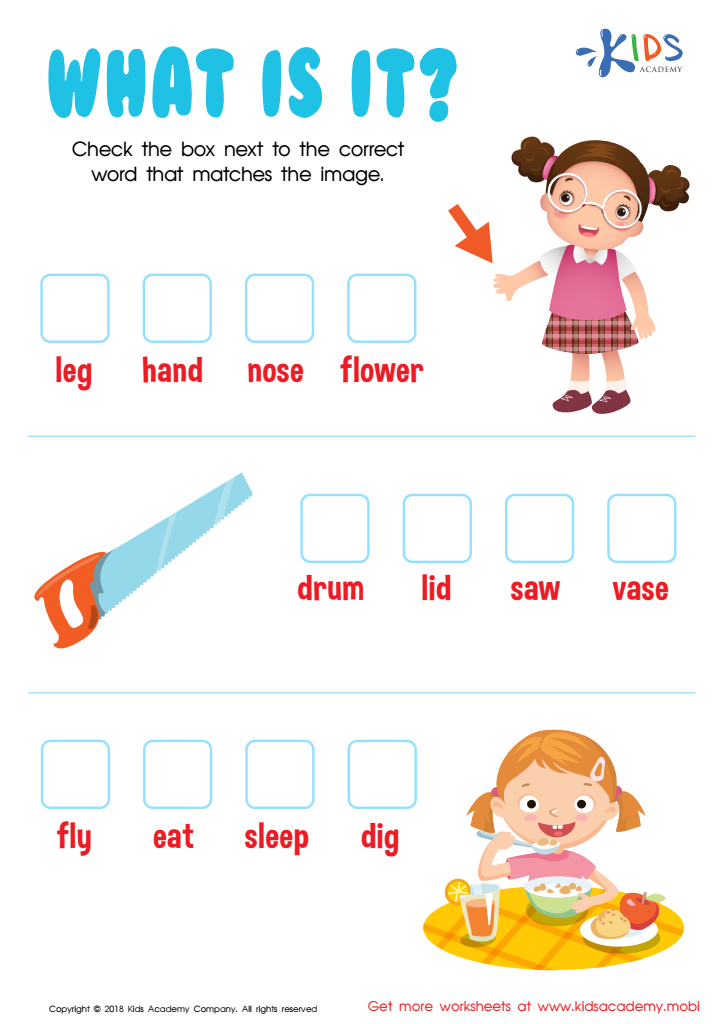
What Is It? Worksheet
Test your kids' object recognition skills with this worksheet. Have them identify each picture, then check the box next to the correct word. Point to the image and ask your child what it is; then help them select the correct answer. It's a great way to see how well they can recognize objects from pictures.
 Assign to My Students
What Is It? Worksheet
Worksheet











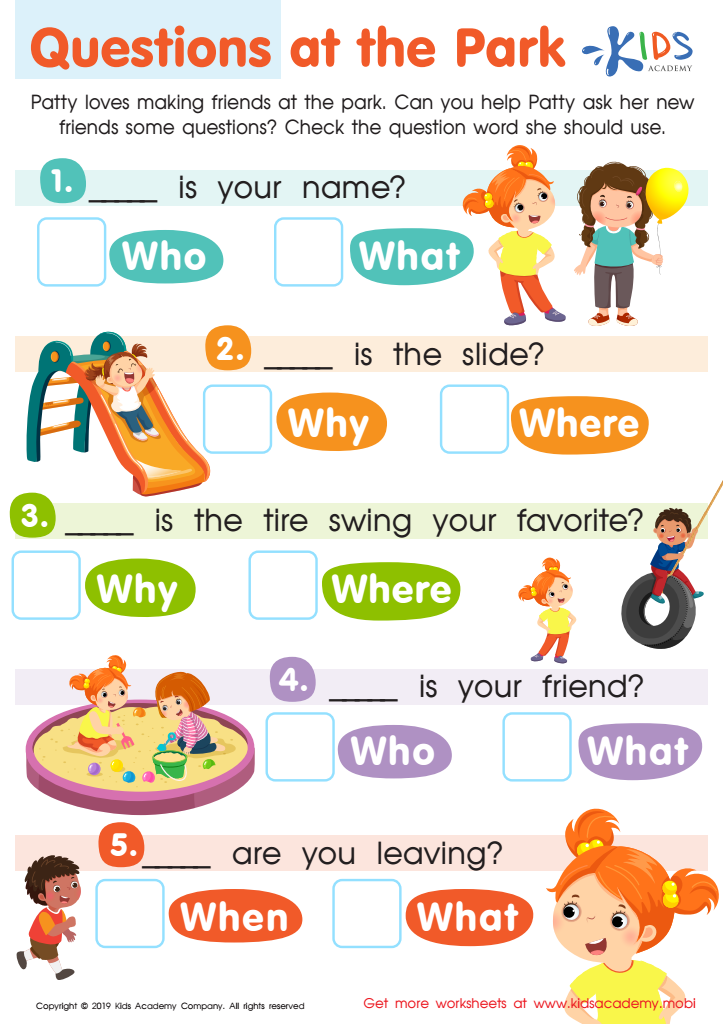
Questions at the Park Worksheet
Parks are great for fun! Kids can play, run and be as loud as they want! Ask them what their favorite activities are. If they love making friends, like Patty in this worksheet, help them practice their question words to get to know their new pals better.
Questions at the Park Worksheet
Worksheet
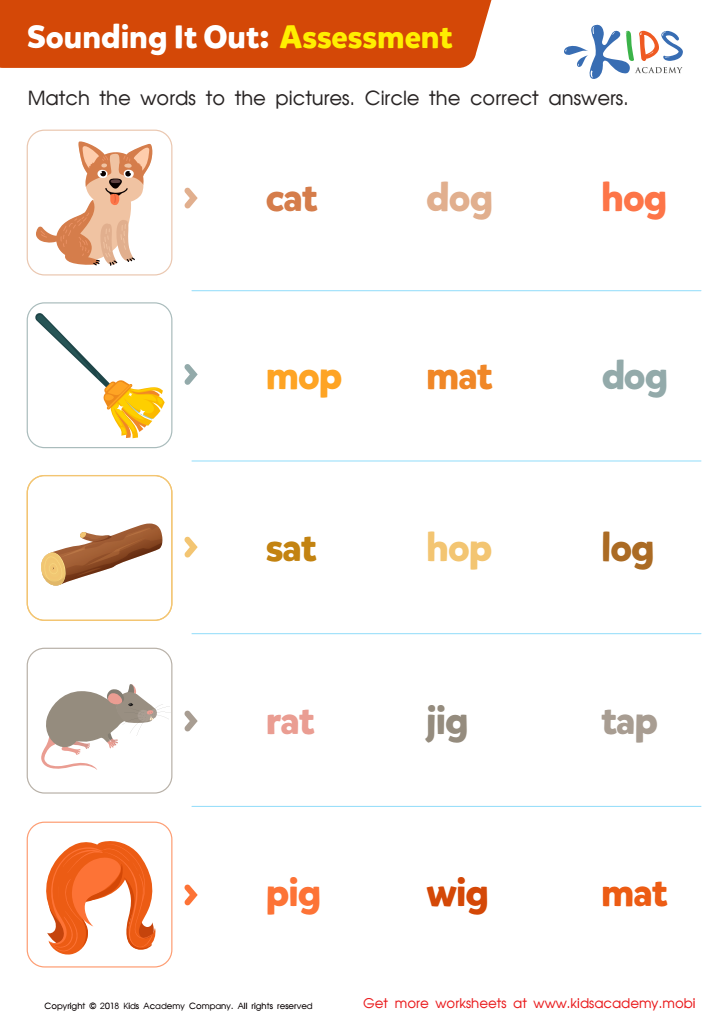
Sounding it Out: Assessment Worksheet
Give your little learner a fun challenge with this downloadable worksheet! With pictures to guide them, have them name the images and then sound out the words in the same row. Be careful though, as they all contain the same amount of similarly sounding letters. Once the correct word has been found, have them circle it!
Sounding it Out: Assessment Worksheet
Worksheet
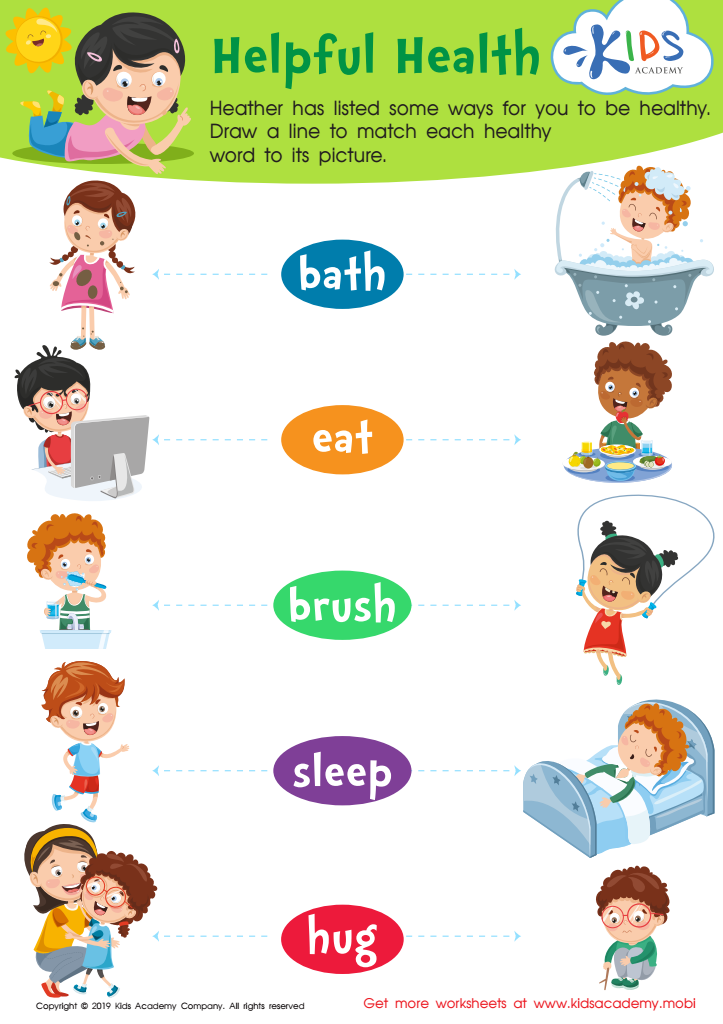
Helpful Health Worksheet
Kids can learn healthy habits with this free worksheet! With their pal Heather, they'll trace lines to connect health words with pictures like brushing teeth, hugging, and getting enough sleep. It's a great way to help young ones understand healthy activities.
Helpful Health Worksheet
Worksheet
Join Kids Academy for Free
Who is primarily going to use this learning content?


.jpg)



.jpg)

Parents and teachers should prioritize logical reasoning and vocabulary building for children aged 6-7 because these foundational skills are crucial for academic and lifelong success. At this age, children are increasingly engaged in problem-solving and abstract thinking. Cultivating logical reasoning helps them to make connections between ideas, analyze situations, and develop critical thinking skills. These abilities are essential not just for math and science but also for navigating everyday challenges.
Additionally, building vocabulary enhances children's ability to articulate their thoughts and emotions, empowering them to communicate effectively. A robust vocabulary supports reading comprehension, enabling children to understand and enjoy stories, which fosters a love for reading. When children can express themselves clearly, they build confidence in sharing their ideas with peers and adults.
Engaging children in activities that combine logical reasoning with vocabulary exercises, such as word puzzles, story games, and reasoning challenges, makes learning enjoyable while reinforcing these skills. By fostering both areas early on, parents and teachers lay the groundwork for academic success and equip children with essential life skills, preparing them to thrive in school and beyond. Investing in logical reasoning and vocabulary development now will benefit children for years to come.








