
Understanding patterns Building Vocabulary Worksheets for Ages 6-7
5 filtered results
Difficulty Level
Grade
Age
-
From - To
Subject
Activity
Standards
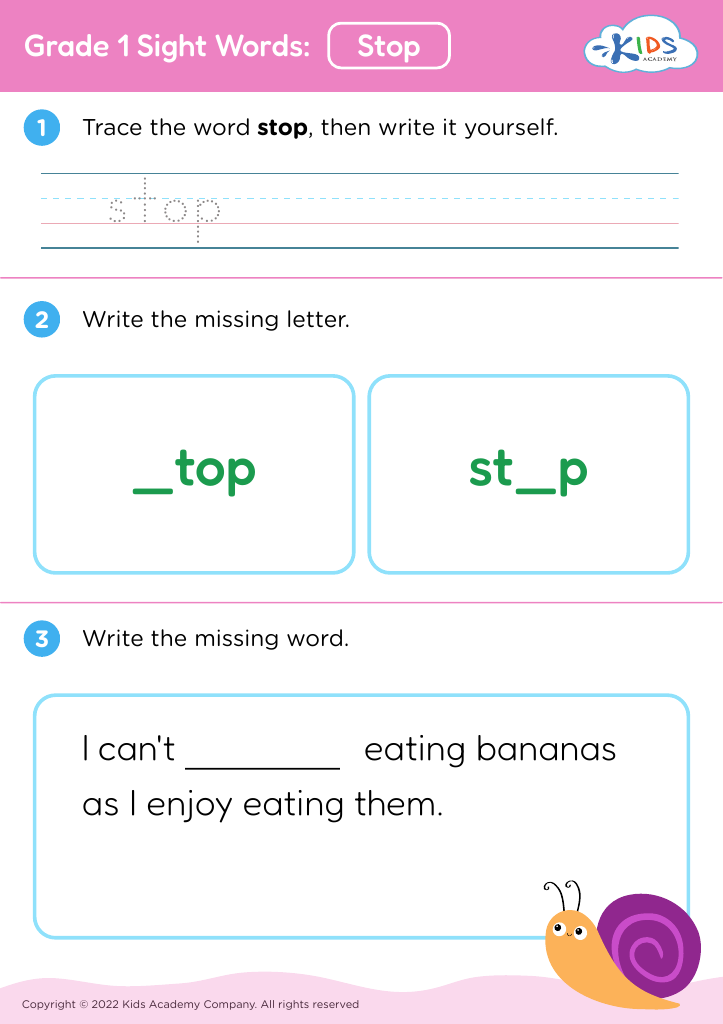
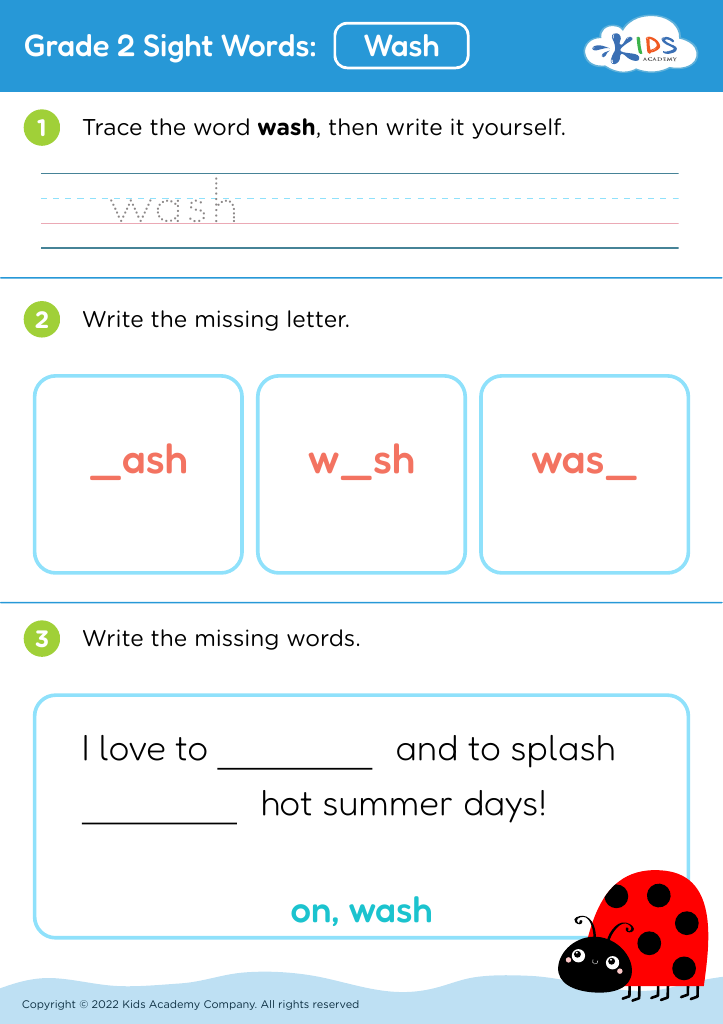
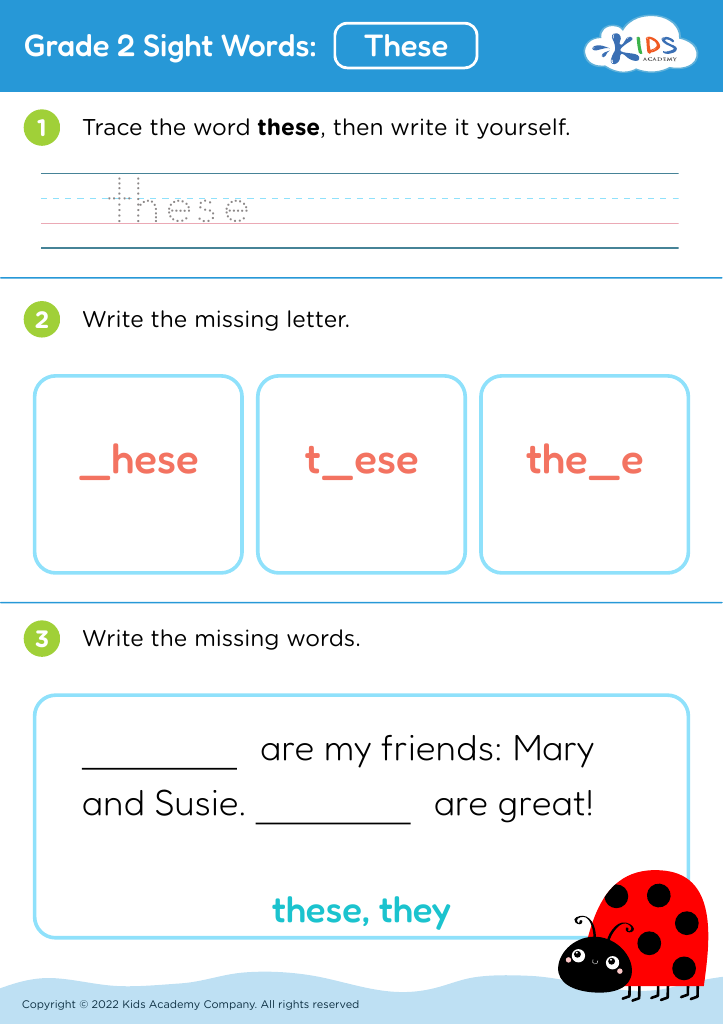
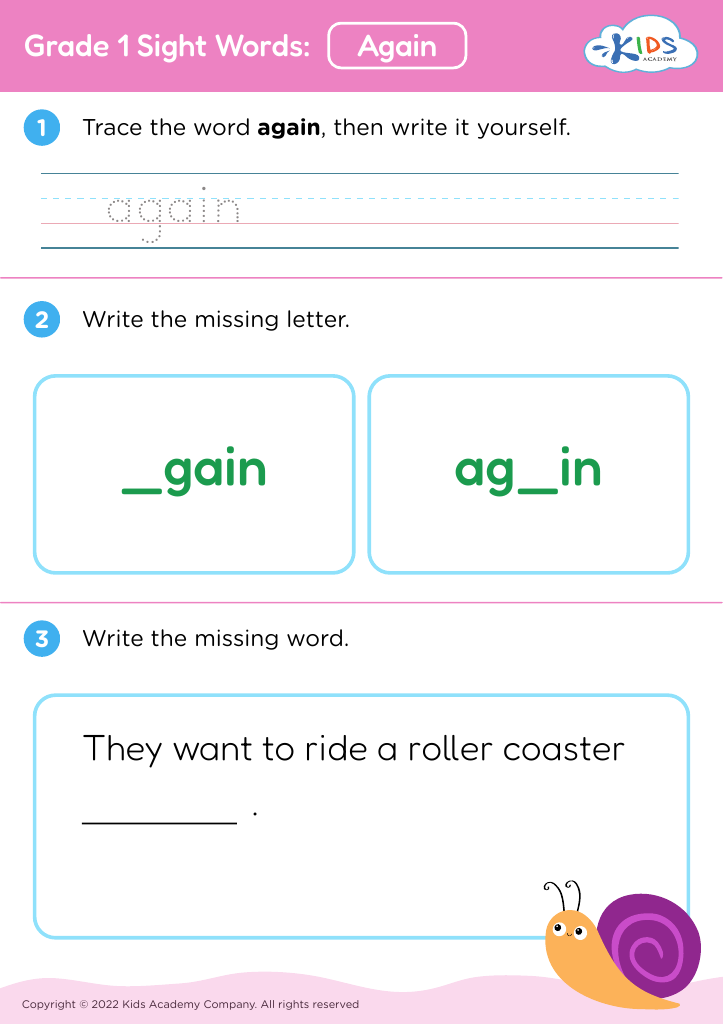
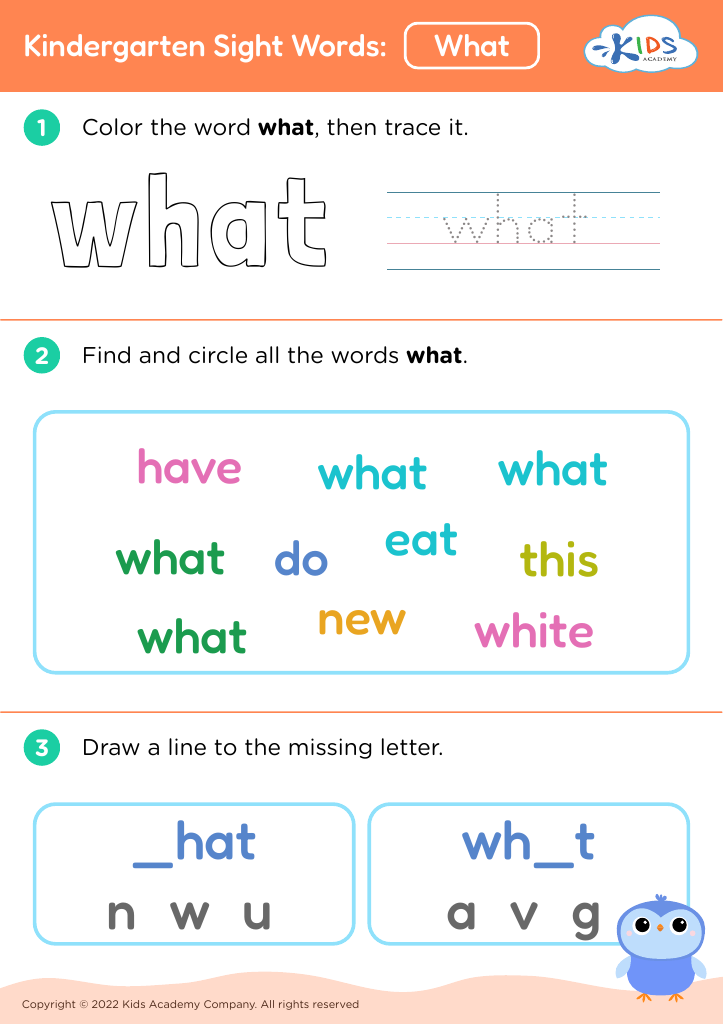
Enhance your child's vocabulary with our "Understanding Patterns Building Vocabulary Worksheets" designed for ages 6-7. These engaging worksheets help young learners identify and understand patterns, a vital skill that supports vocabulary development. Through fun exercises, children explore word relationships, refine their comprehension skills, and expand their language use. Our resources are perfect for both home and classroom settings, fostering a love for learning while building confidence in reading and word usage. Encourage your little one's language journey with our expertly crafted worksheets, which make learning about patterns both enjoyable and educational. Start nurturing their vocabulary today!
Favorites
With answer key
Interactive











Join Kids Academy for Free
Who is primarily going to use this learning content?








Understanding patterns and building vocabulary are crucial for children aged 6-7 because they form the foundation for effective learning across subjects. At this age, children are developing critical thinking and language skills, which are essential for academic success and communication.
Patterns help children recognize relationships and predict outcomes, fostering analytical skills. Identifying patterns in math, for example, not only develops numeracy but also enhances reasoning abilities that can be applied in science and daily life. Engaging with patterns encourages children to think logically and creatively, which is vital for problem-solving.
Building vocabulary at this stage enriches a child's language and communication skills. A robust vocabulary enables students to express their ideas clearly and comprehend diverse texts, which is essential for reading development. When children encounter new words, they become more confident readers and communicators, aiding comprehension across subjects.
By focusing on understanding patterns and enhancing vocabulary, teachers and parents play a pivotal role in equipping children with the tools they need for lifelong learning. These skills support not only academic achievement but also social interactions and emotional expression, laying the groundwork for a well-rounded, confident individual.








