Fine Motor Skills Sight Words Worksheets for Ages 6-7
6 filtered results
-
From - To
Welcome to our collection of Fine Motor Skills Sight Words Worksheets for ages 6-7! These engaging worksheets are designed to help young learners enhance their fine motor skills while mastering essential sight words. Through fun activities like tracing, coloring, and cutting, children will build their hand-eye coordination, dexterity, and writing abilities. Our carefully crafted exercises not only support literacy development but also make learning enjoyable and interactive. Perfect for preschool, kindergarten, or home use, these worksheets aim to prepare your child for reading success as they develop confidence and proficiency with sight words. Let’s make learning a playful adventure!
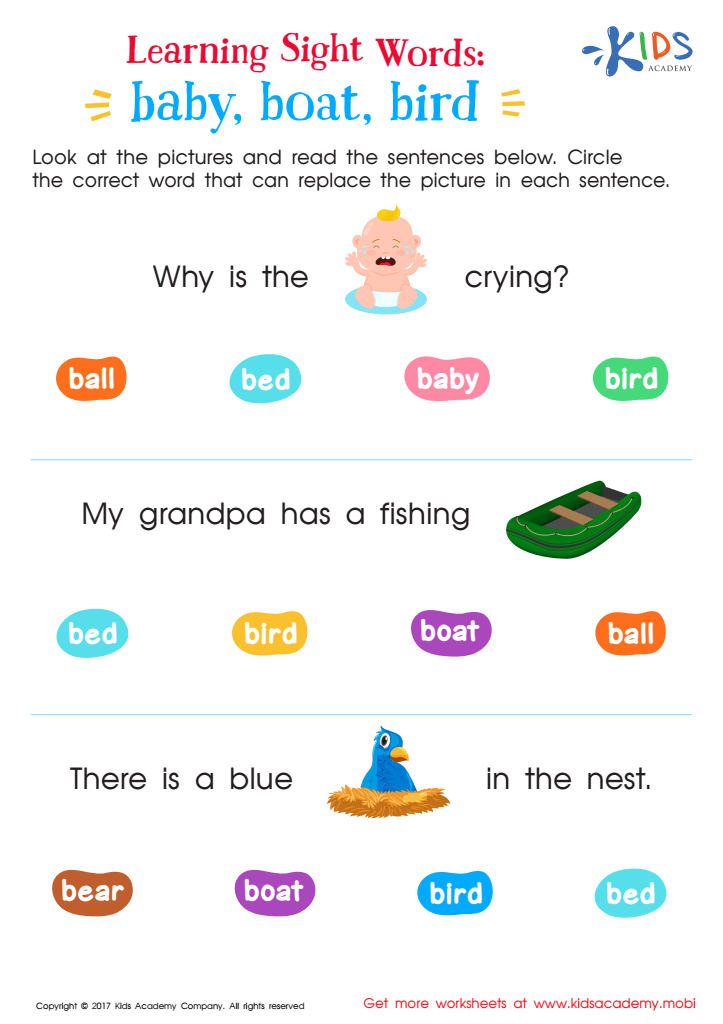
Baby, Boat, Bird Worksheet Sight Words Worksheet
 Assign to My Students

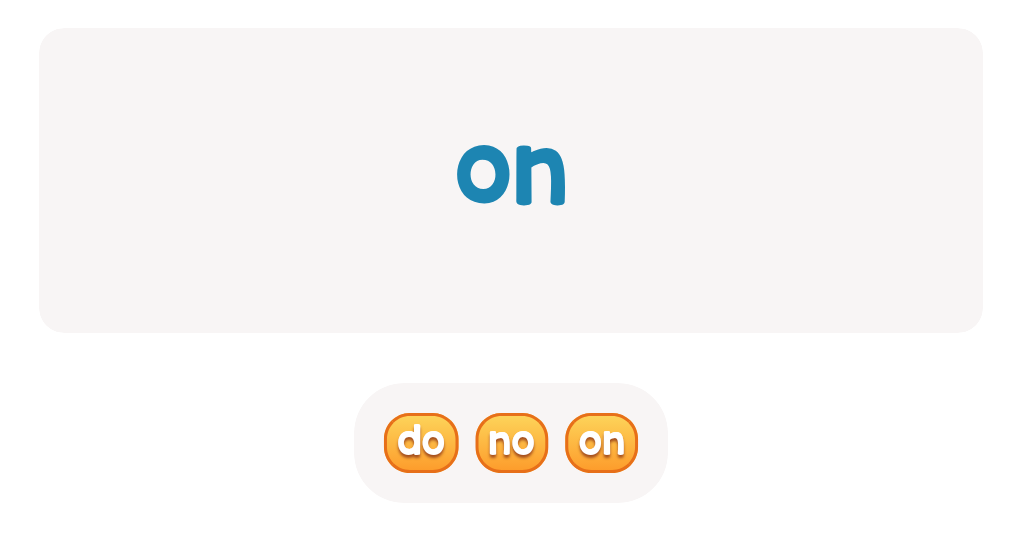
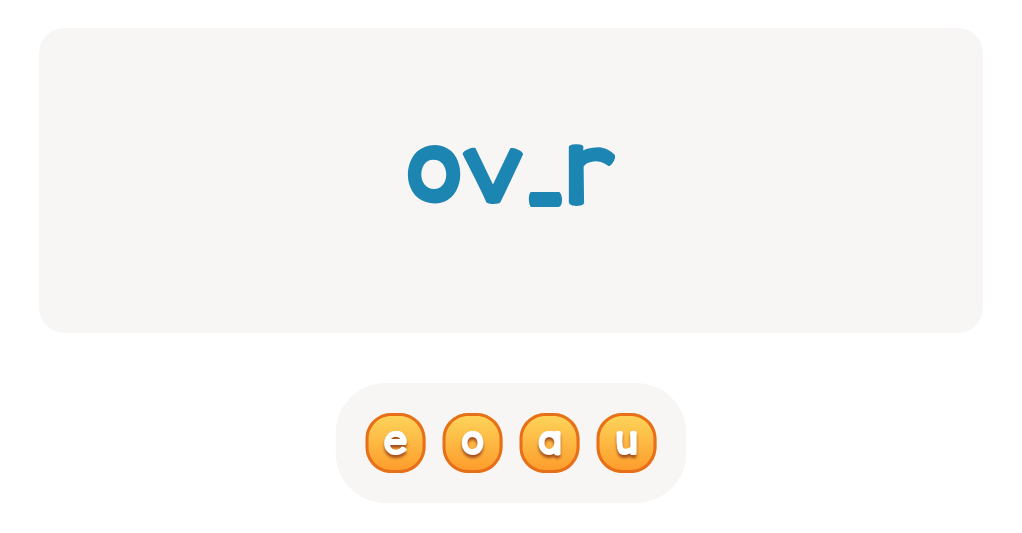
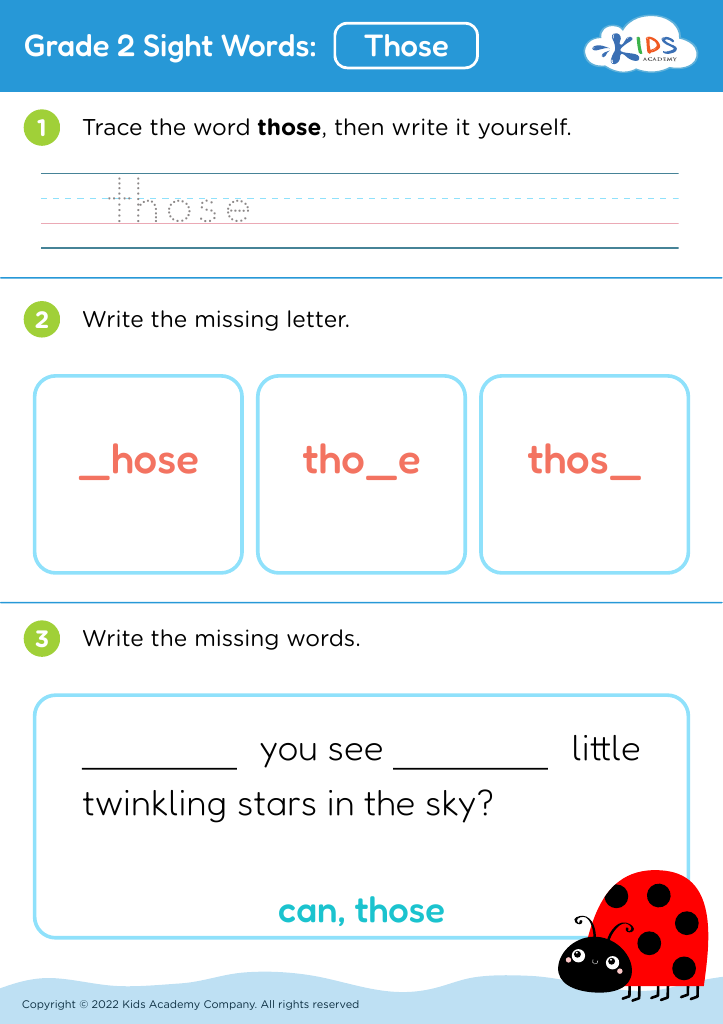
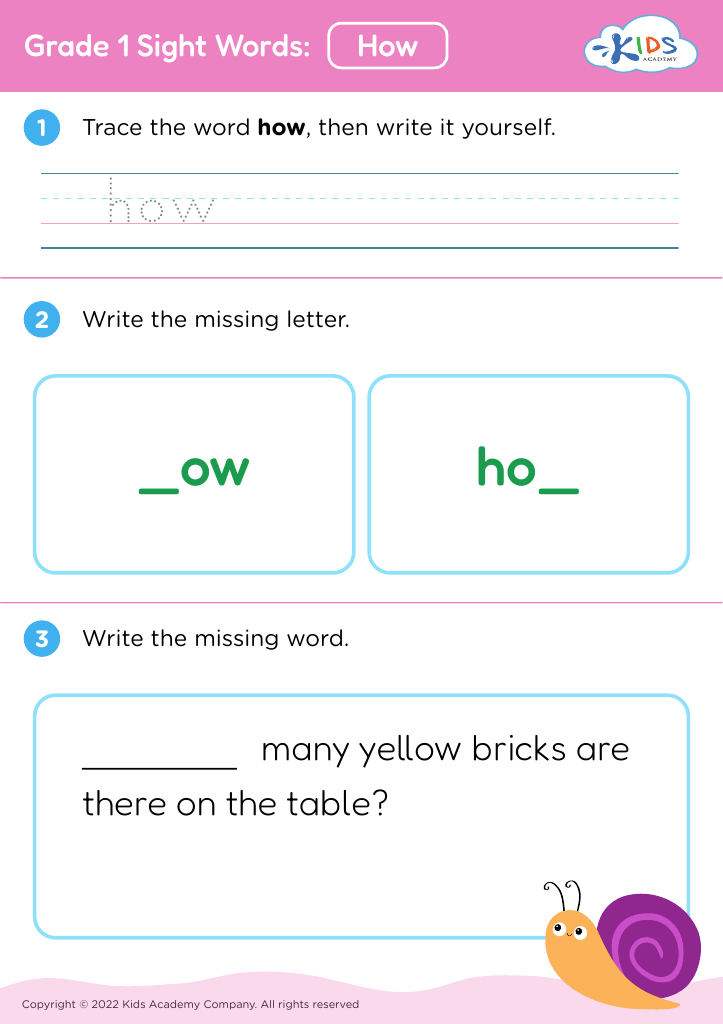
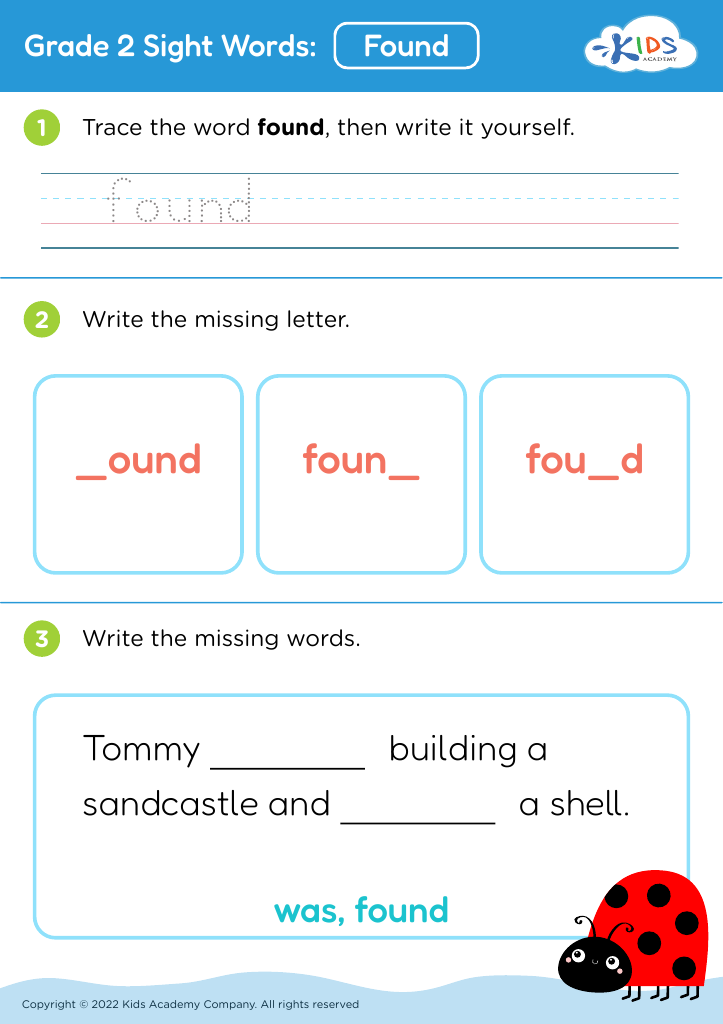
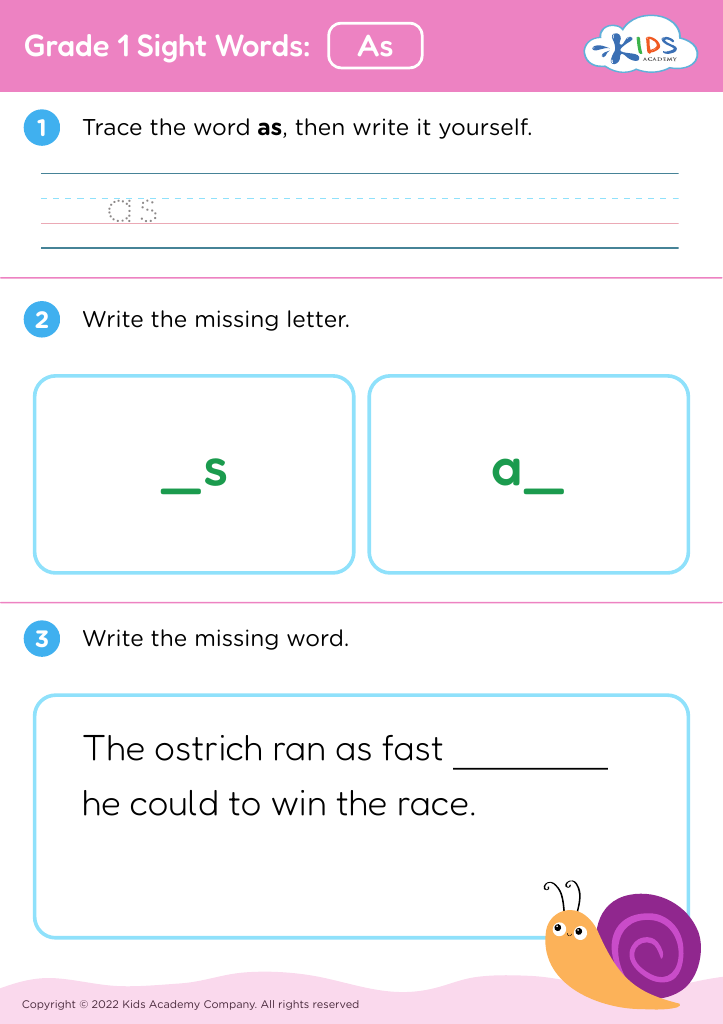
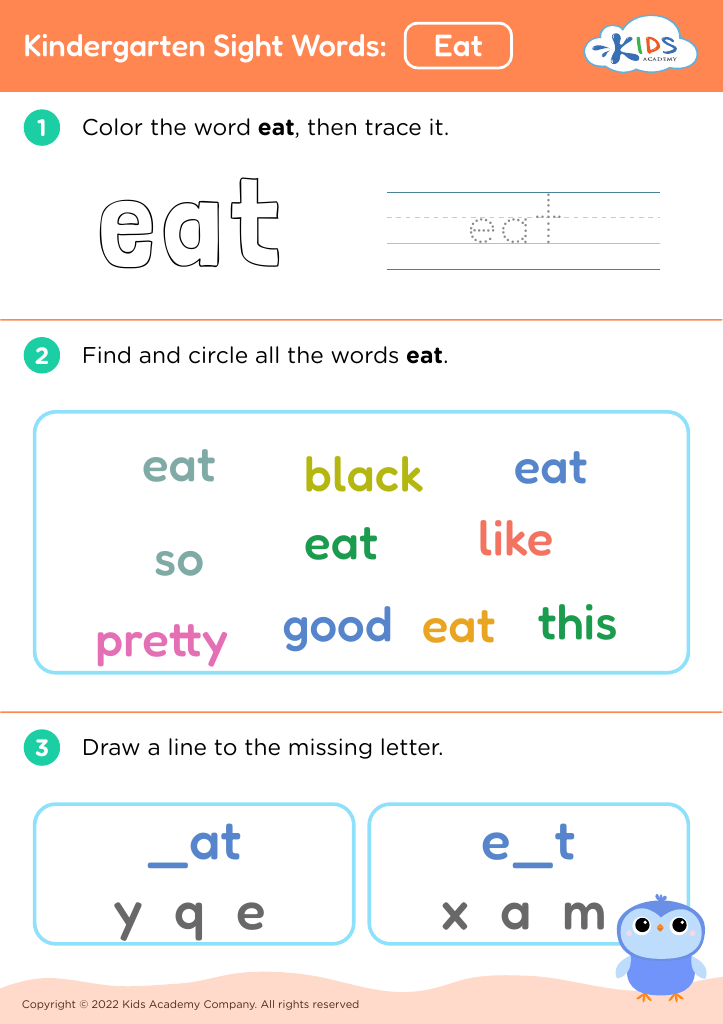








Fine motor skills and sight words are crucial for children aged 6-7, as they are foundational for academic success and everyday tasks. Fine motor skills involve the coordination of small muscle movements in the hands and fingers, essential for tasks like writing, cutting, and manipulating objects. At this age, children are often beginning to write more complex letters and engage in arts and crafts, which require dexterity and control.
Sight words, on the other hand, are the most common words in written language, such as "the," "is," and "you." Mastery of these words helps children develop reading fluency and comprehension, allowing them to approach texts with confidence. This combination of fine motor skills and sight word knowledge supports literacy development, as children can write and read more effectively.
Parents and teachers should prioritize these skills because they significantly influence academic performance and self-esteem. Proficiency in fine motor skills facilitates independent work, while familiarity with sight words enhances children's ability to engage with books and written material. By nurturing these skills early on, adults can foster a love for learning and encourage positive educational outcomes, laying the groundwork for more complex literacy and writing skills in the future.