Fraction Addition Sight Words Worksheets for Ages 6-7
3 filtered results
-
From - To
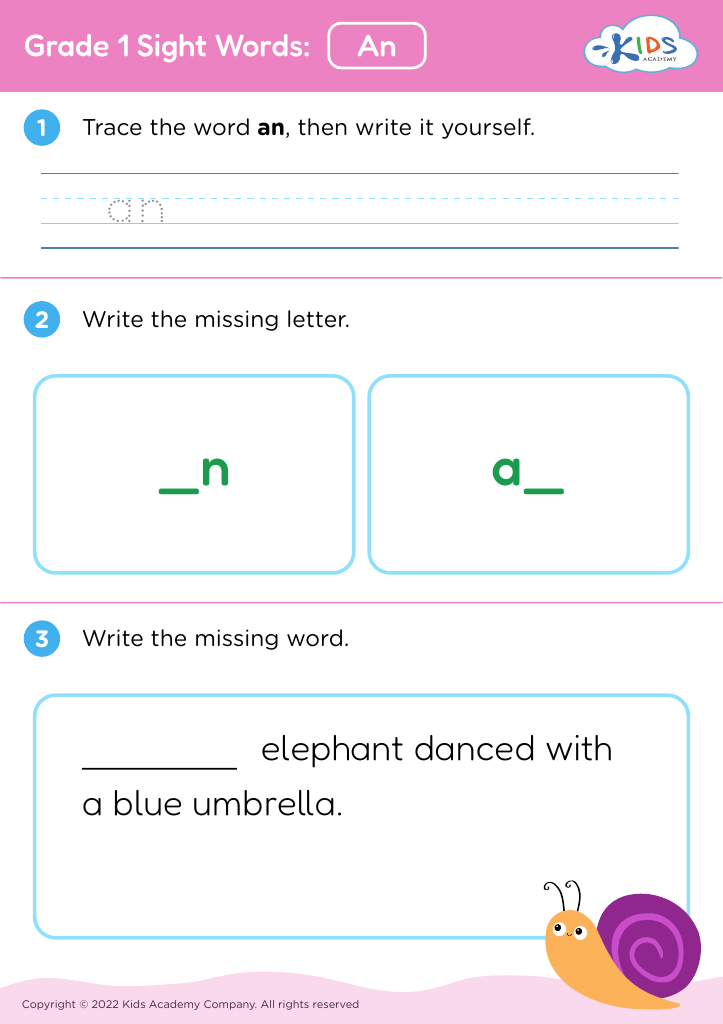
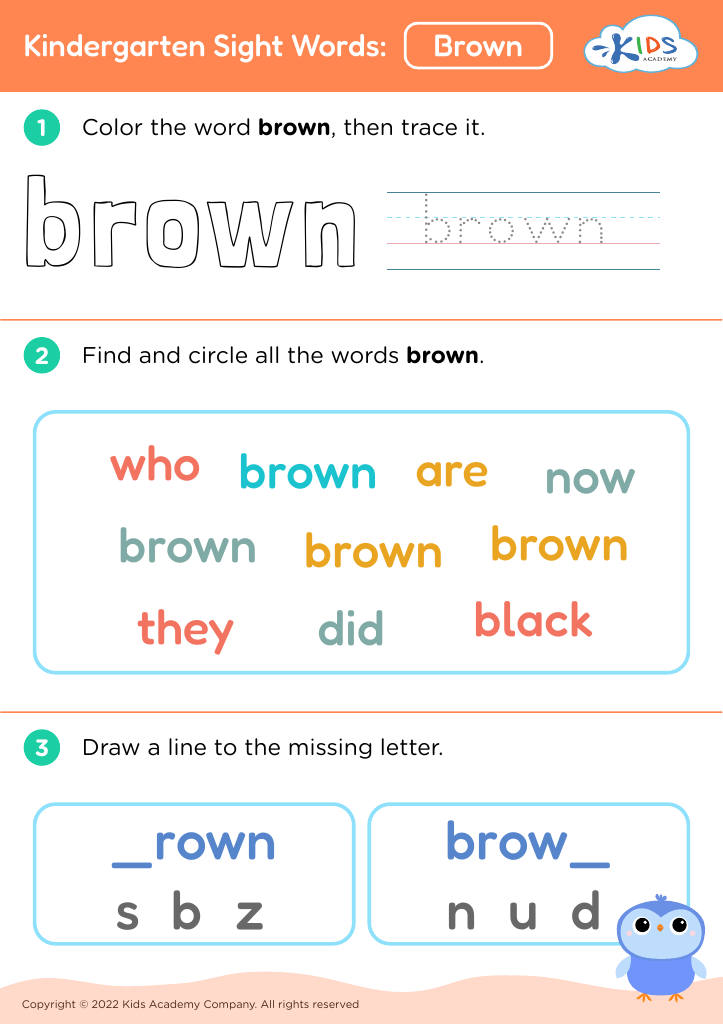
Introduce your child to the world of mathematics with our Fraction Addition Sight Words Worksheets designed specifically for ages 6-7! These engaging printables help young learners build essential math skills while expanding their sight word vocabulary. Each worksheet integrates fun visuals and simple math problems, making it easy for kids to grasp the concept of adding fractions. Ideal for classroom activities or homeschooling, these worksheets encourage self-paced learning and reinforce comprehension through repetition. With captivating content tailored to early learners, your child will gain confidence in both reading and math, making learning an enjoyable adventure! Start your educational journey today!








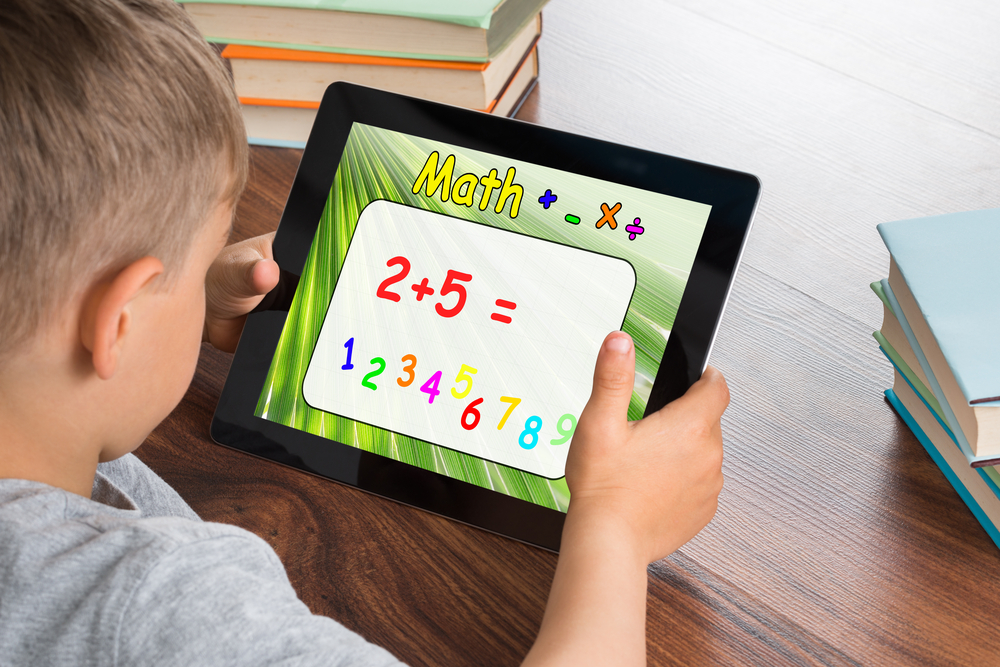
Parents and teachers should prioritize Fraction Addition Sight Words for children aged 6-7 because these foundational concepts support both mathematical literacy and vocabulary development. As young learners encounter new math terminology, they require a robust understanding of important words related to fractions, such as "whole," "numerator," "denominator," "equivalent," and "sum." Recognizing and understanding these sight words can significantly enhance their ability to grasp concepts in fraction addition.
Additionally, conveying the meanings of these terms offers students the tools to approach complex problems with confidence. When children are fluent in the language of fractions, they can engage more fully in lessons, participate in discussions, and help each other solve problems. This collaboration fosters a positive math mindset, reducing anxiety related to this challenging area of study.
Furthermore, as math moves from rote memorization to application in real-world situations, understanding mathematical language becomes vital. By focusing on fraction addition sight words, parents and teachers equip children not only to succeed in current subjects but also to build a strong foundation for future learning in mathematics. Ultimately, prioritizing these words helps encourage a comprehensive understanding of fractions that is essential for their overall academic development.