Practice subtraction Sight Words Worksheets for Ages 6-7
3 filtered results
-
From - To
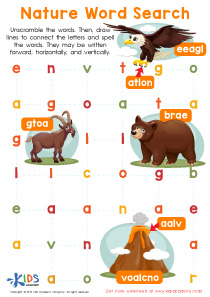
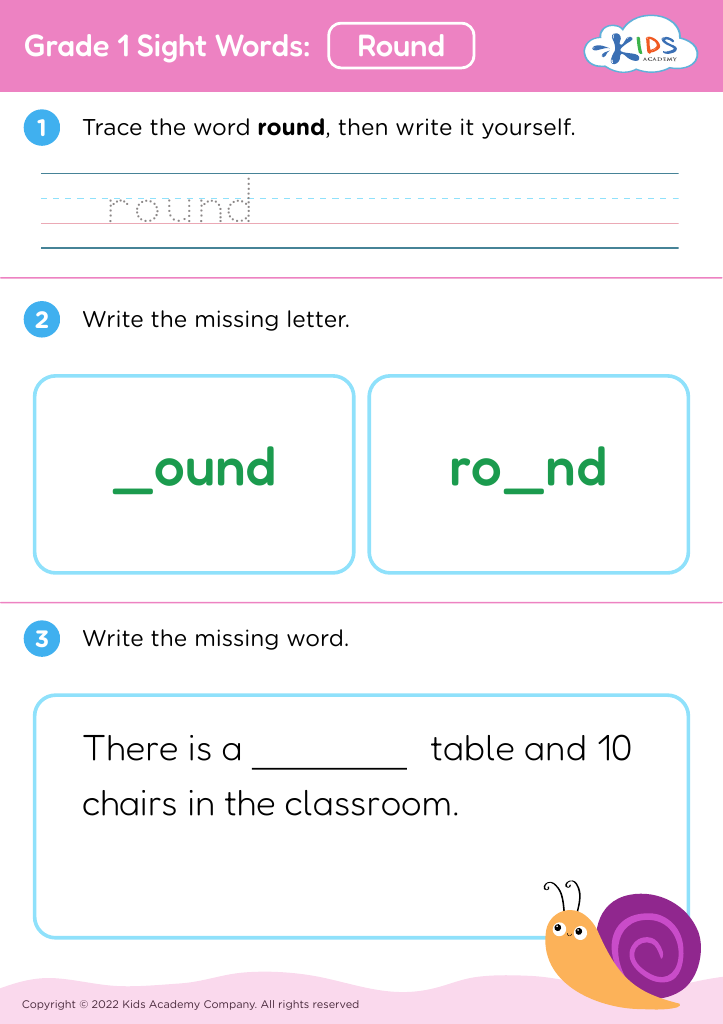
Browse our engaging "Practice Subtraction Sight Words Worksheets" designed specifically for children ages 6-7! These worksheets combine essential sight word vocabulary with interactive subtraction exercises, making learning both fun and effective. As kids enhance their reading skills by recognizing common sight words, they'll also develop their subtraction abilities through carefully crafted math problems. Our colorful and stimulating worksheets capture young learners' interest and keep them motivated. Ideal for at-home practice or classroom enrichment, these resources support foundational skills in both literacy and mathematics. Help your child build confidence and competence with our targeted practice sheets today! Perfect for early education!






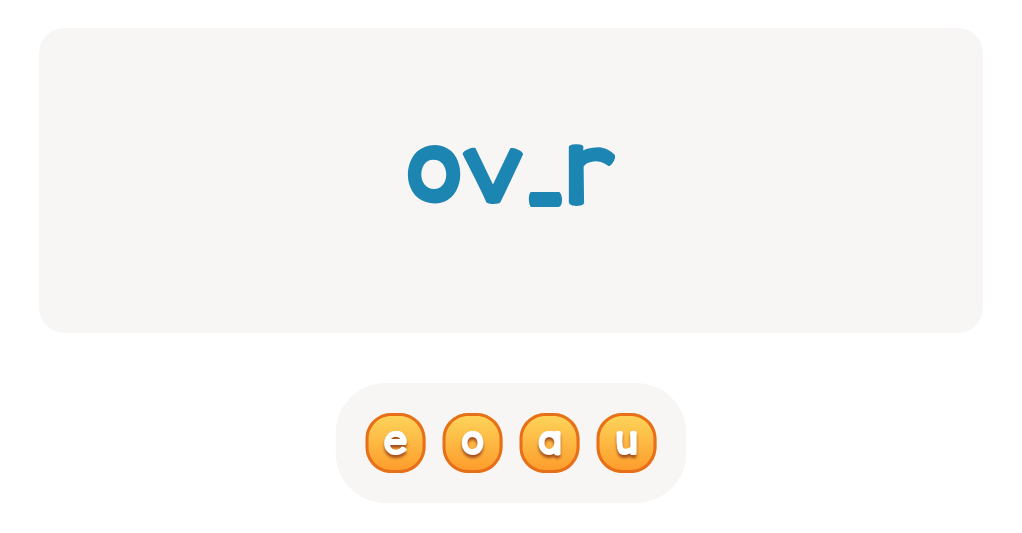
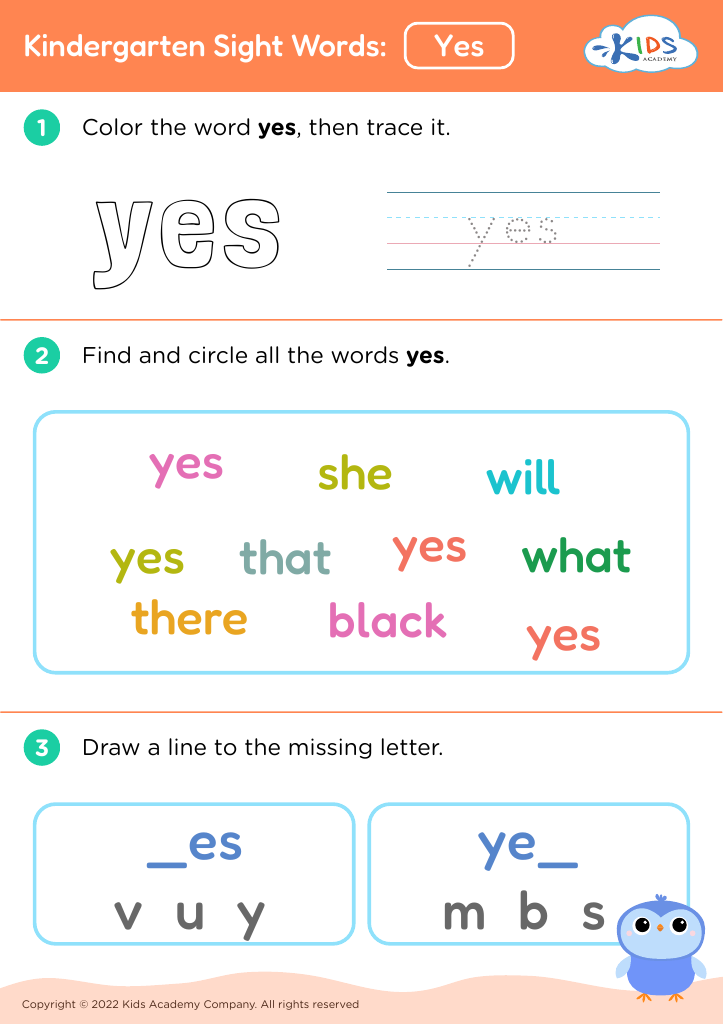
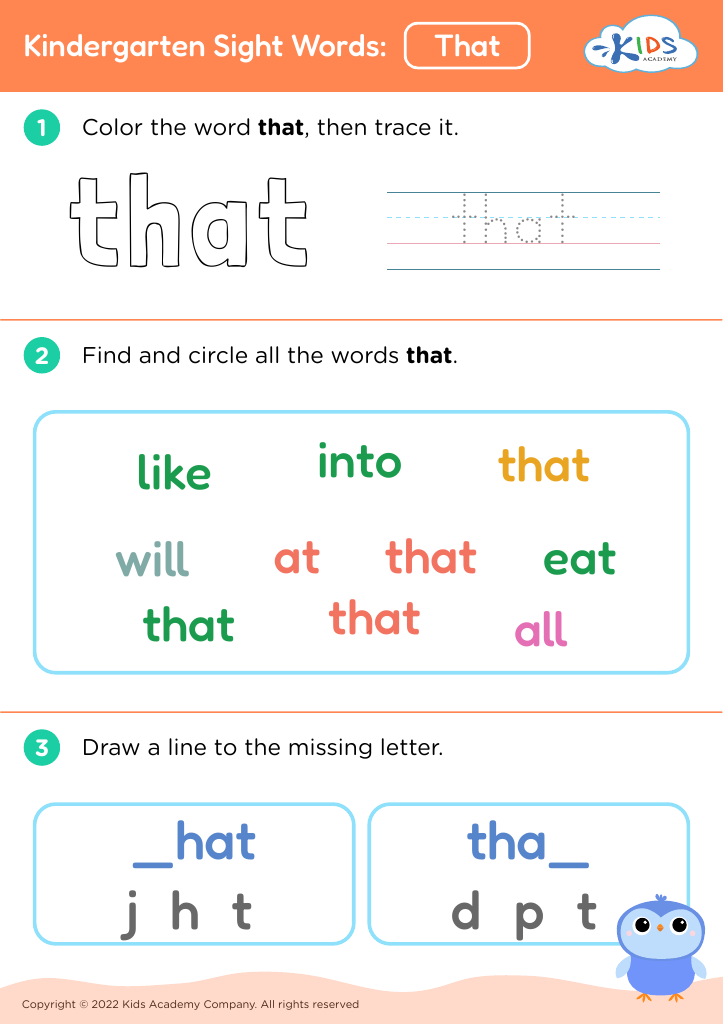








Parents and teachers should prioritize practicing subtraction sight words with children aged 6-7 because it significantly enhances their mathematical fluency and comprehension. At this age, students begin to grasp the basic concepts of subtraction; incorporating sight words related to this topic—such as “minus,” “less,” “take away,” and “difference”—improves their ability to understand and articulate problems. Understanding these terms helps children make connections between language and numerical operations, fostering a deeper conceptual grasp of subtraction.
Furthermore, using sight words creates a more engaging and interactive learning experience. Children are more likely to succeed in mathematics if they are familiar with the terminology, allowing them to focus on solving problems rather than struggling to understand the language involved. This can prevent frustration and build confidence as they master subtraction skills.
Practice with subtraction sight words also promotes cognitive development by encouraging critical thinking and problem-solving abilities. The early acquisition of these words lays a strong foundation for more complex mathematical concepts and encourages a positive attitude toward learning. By emphasizing the importance of these foundational skills, parents and teachers can help children become more competent, confident, and enthusiastic learners in mathematics and beyond.