Recognizing Patterns Sight Words Worksheets for Ages 6-7
4 filtered results
-
From - To
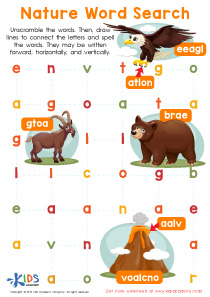
Enhance your child's reading skills with our "Recognizing Patterns Sight Words Worksheets for Ages 6-7". Designed to boost early literacy, these engaging activities help young learners identify and memorize essential sight words through fun pattern recognition exercises. Perfect for first graders, each worksheet fosters critical thinking and reading fluency, combining vibrant visuals with interactive tasks. Whether used at home or in the classroom, our worksheets provide a solid foundation for confident, independent reading. Boost their vocabulary and reading success with our expertly crafted, educational resources. Ideal for young readers embarking on their literacy journey.
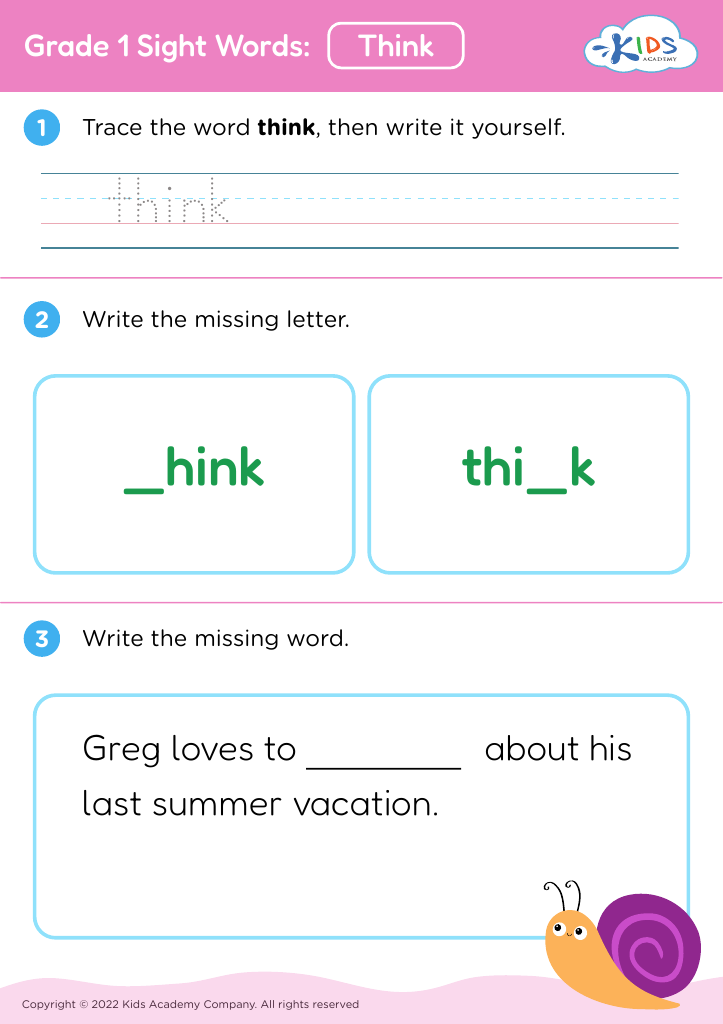
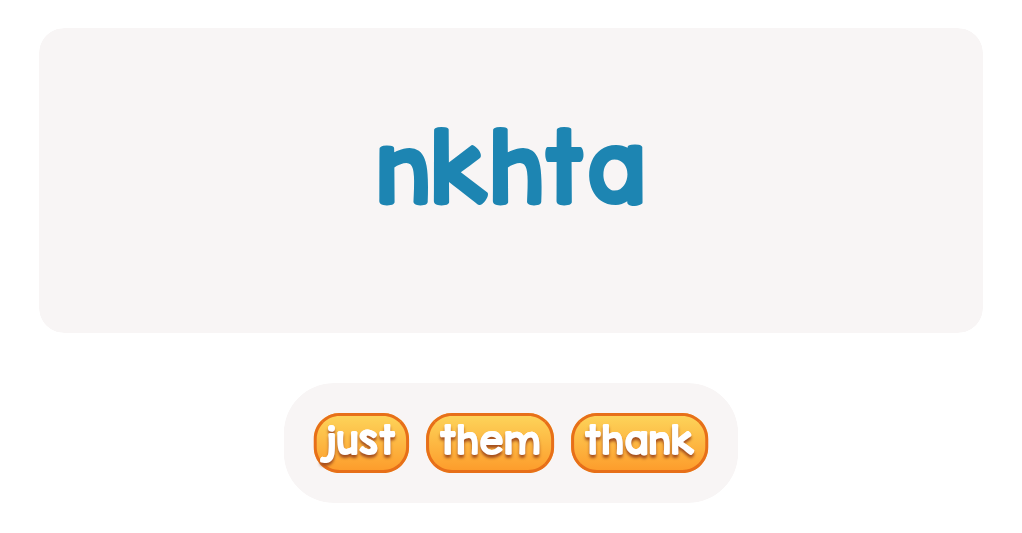







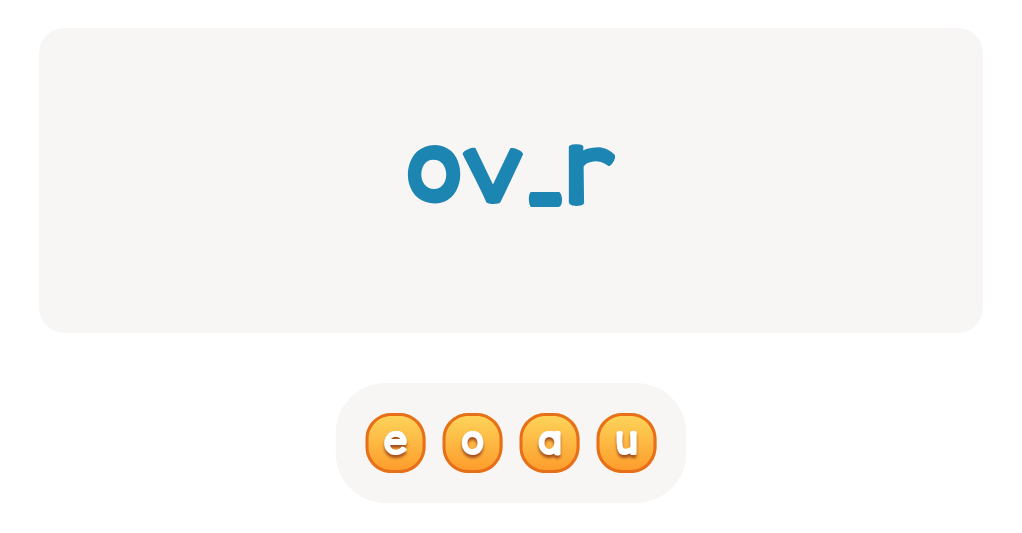
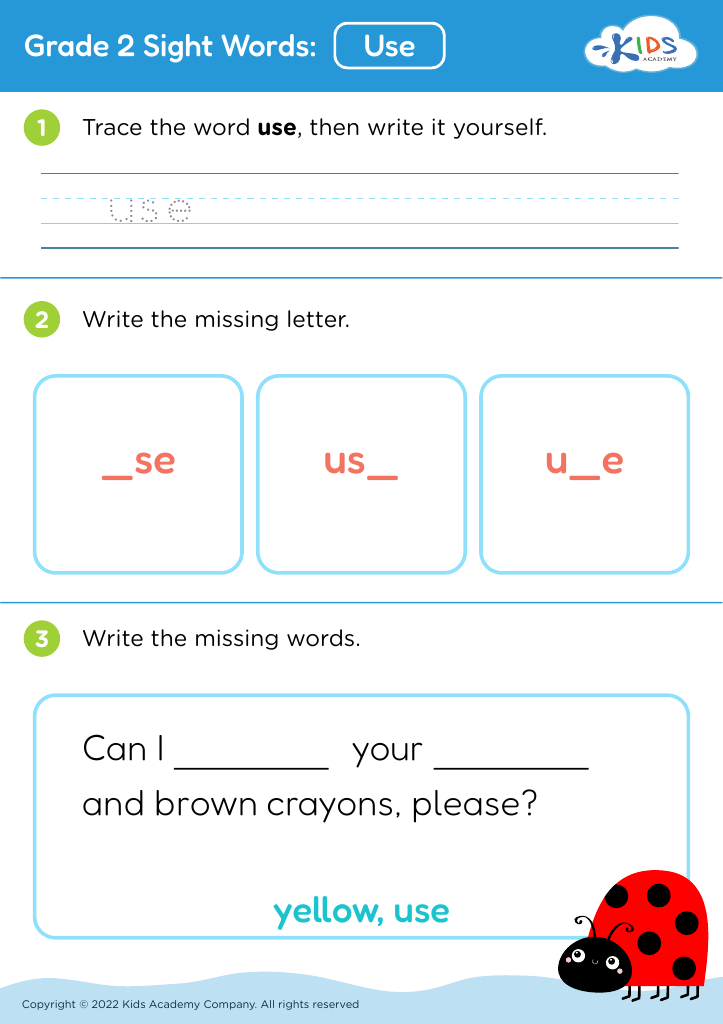
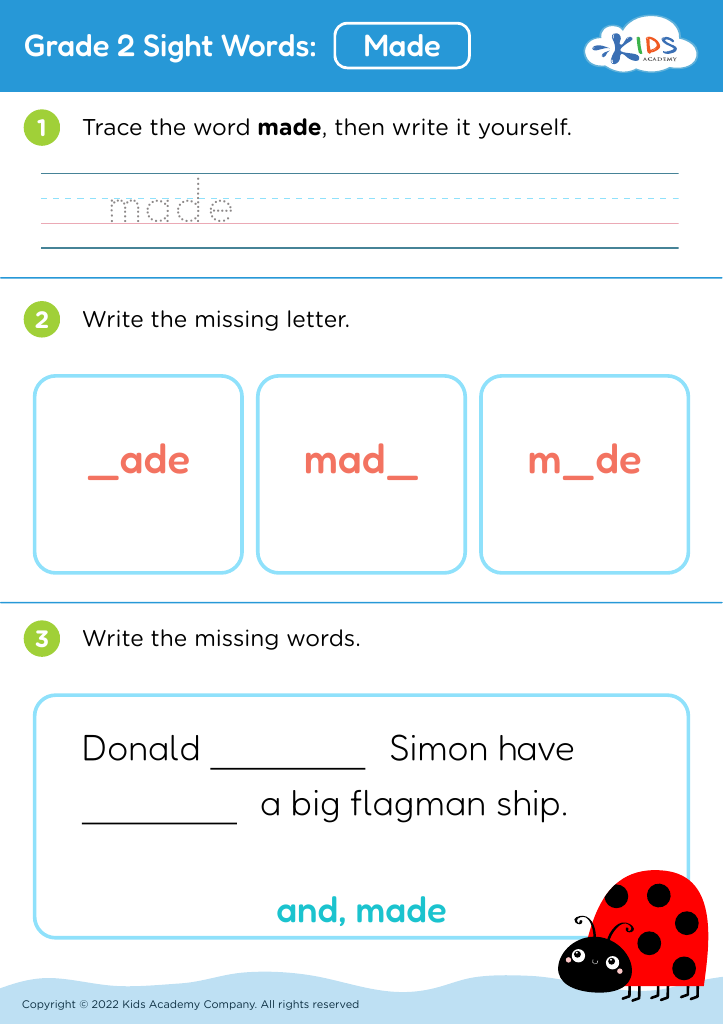
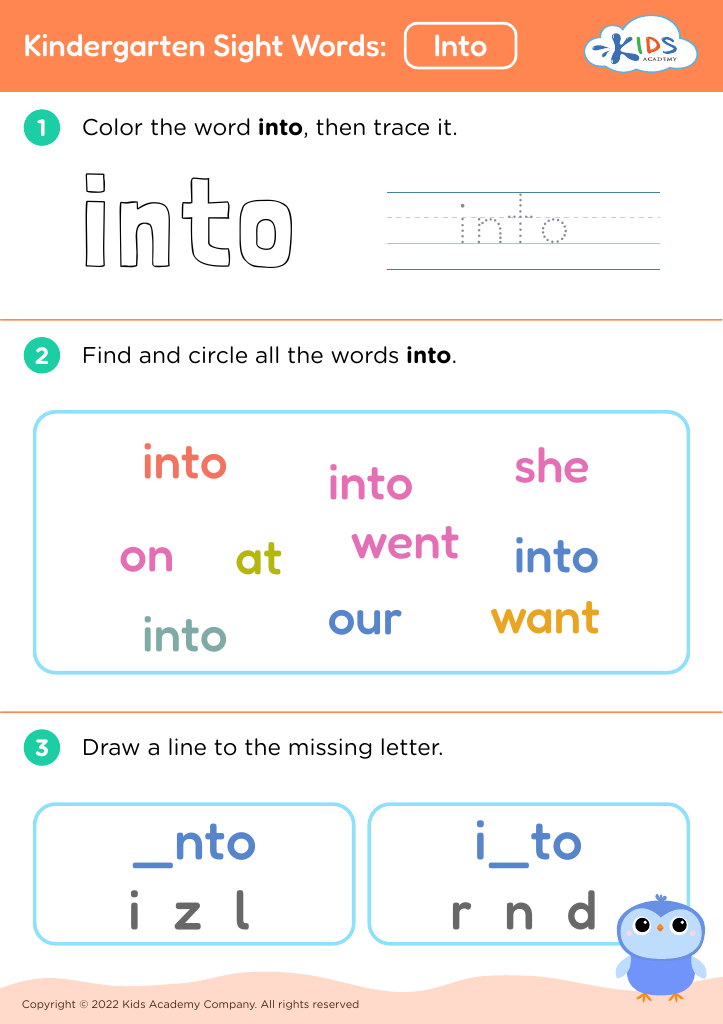








Recognizing sight words and patterns is fundamental for children ages 6-7 because it fosters critical literacy skills crucial for their academic success. Sight words are the most frequently encountered words in written text, many of which don't follow standard decoding rules. By memorizing these, children can read more fluently, increasing their confidence and love for reading. For instance, recognizing the word “the” instantly can help a young reader maintain the flow of a sentence without getting bogged down by decoding it.
Moreover, pattern recognition aids in spelling, reading comprehension, and problem-solving. Noticing patterns in letters, such as common digraphs (like ‘ch’ and ‘th’) and word families (like ‘cat,’ ‘bat,’ and ‘hat’), empowers children to decode unfamiliar words efficiently. It strengthens their orthographic mapping, helping them understand the relationship between sounds and spelling.
Parents and teachers play an essential role in reinforcing these skills. Engaging children with games, flashcards, and reading activities that highlight sight words and patterns makes learning a fun and interactive experience. Early mastery of these skills paves the way for advanced literacy, equipping children with the tools they need for lifelong learning and academic achievement. Thus, investing time in understanding and teaching sight words and patterns sets a strong foundation for future educational success.