Word Recognition Sight Words Worksheets for Ages 6-7
4 filtered results
-
From - To
Help your 6-7-year-old child master essential reading skills with our engaging Word Recognition Sight Words Worksheets. Designed for young learners, these worksheets focus on building fluency through practice with common sight words. Each worksheet encourages kids to recognize, read, and write high-frequency words, fostering confidence and a love for reading. Perfect for both classroom and at-home learning, our resources are crafted to support your child's educational journey, making reading fun and accessible. Equip your child with the tools they need to excel in their literacy skills effortlessly!
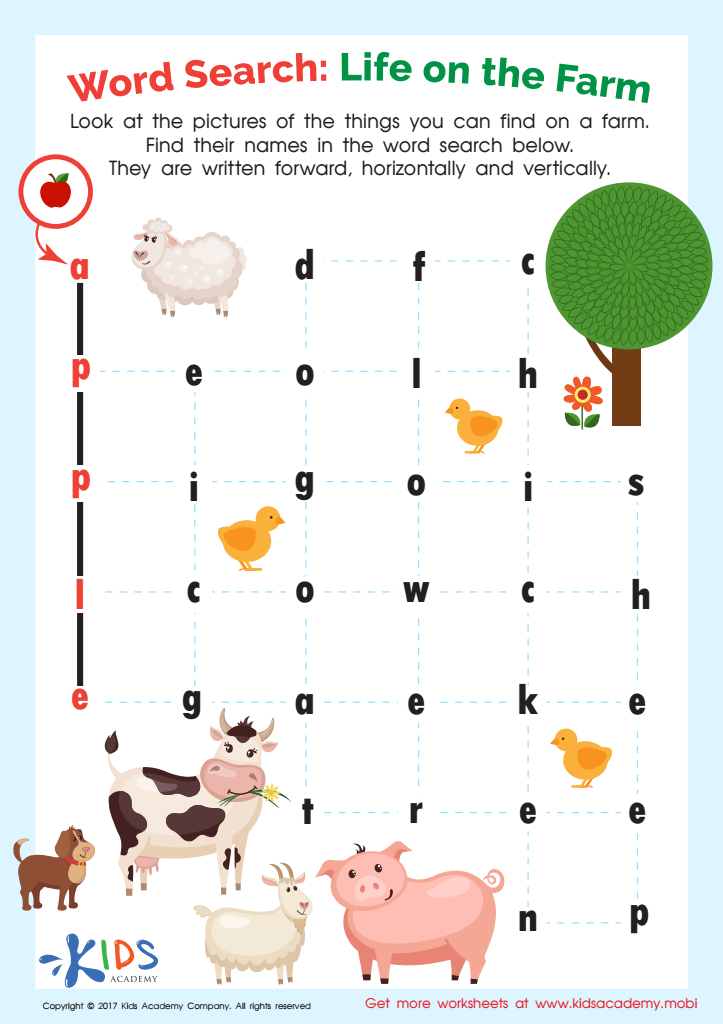
Word Search Puzzles Worksheet
 Assign to My Students







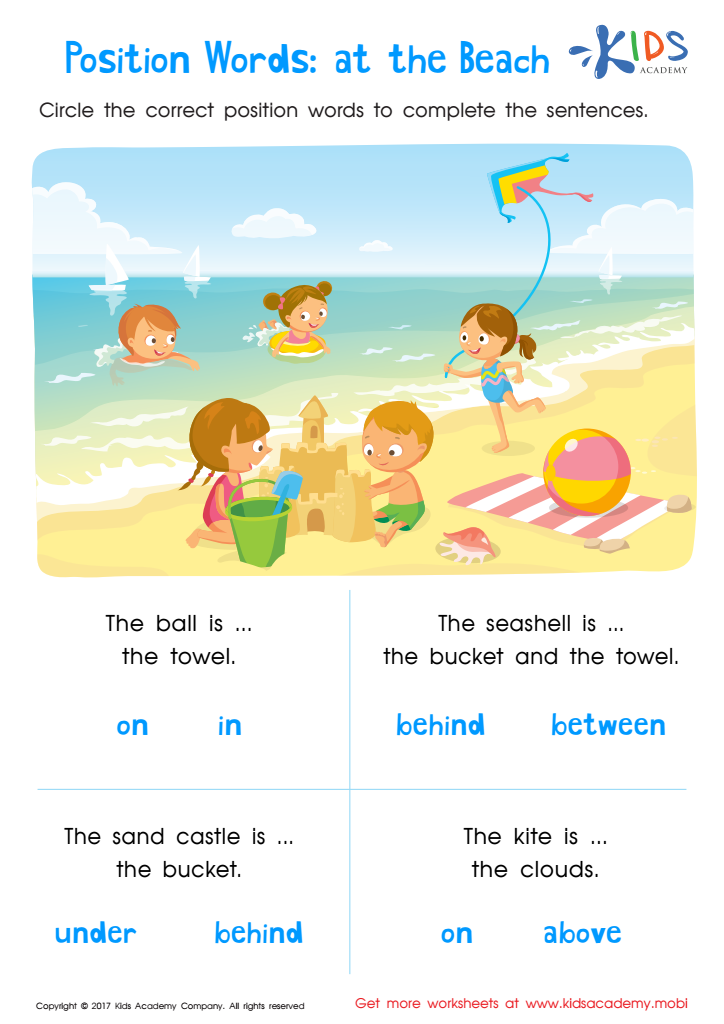
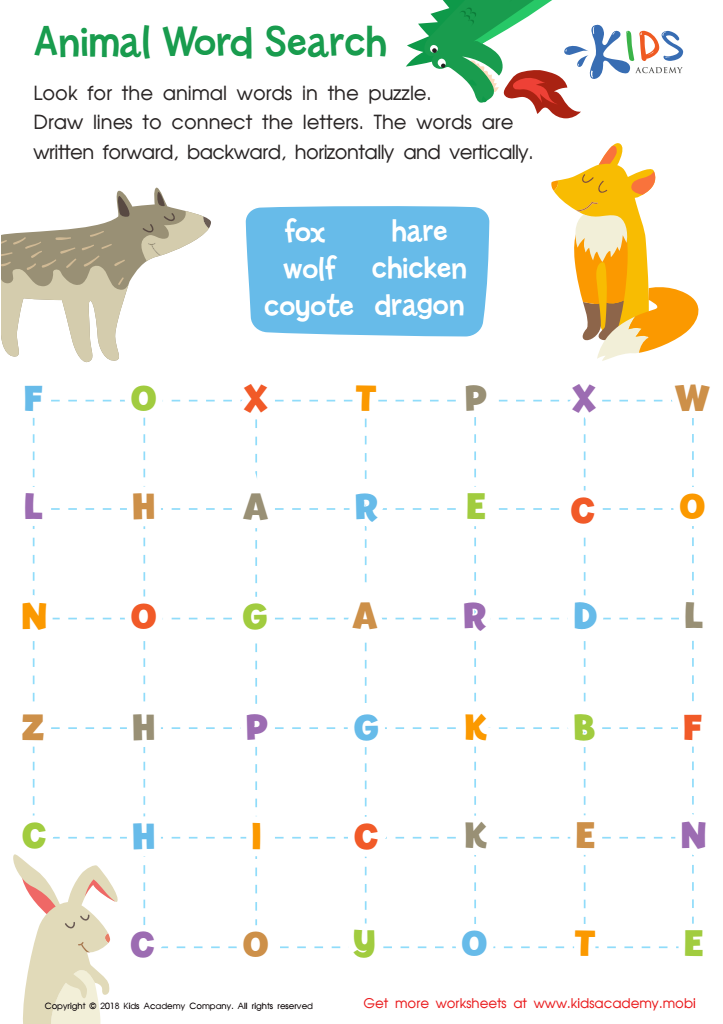
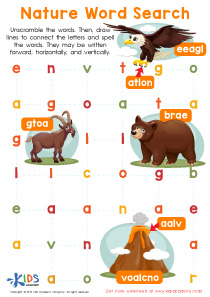
Animal Word Search Worksheet
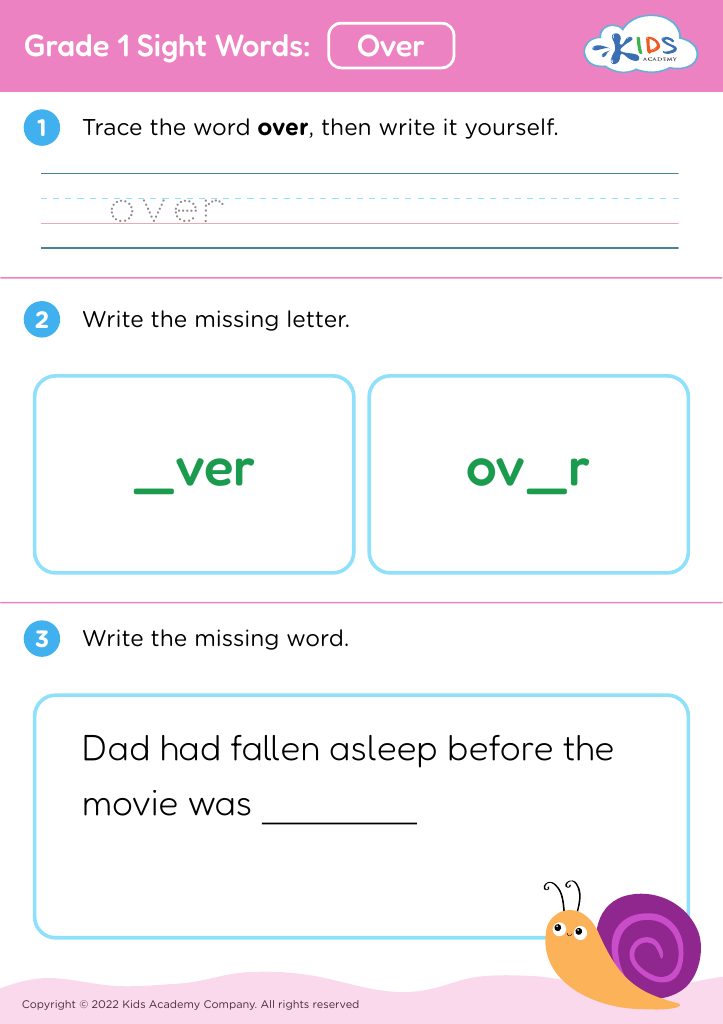






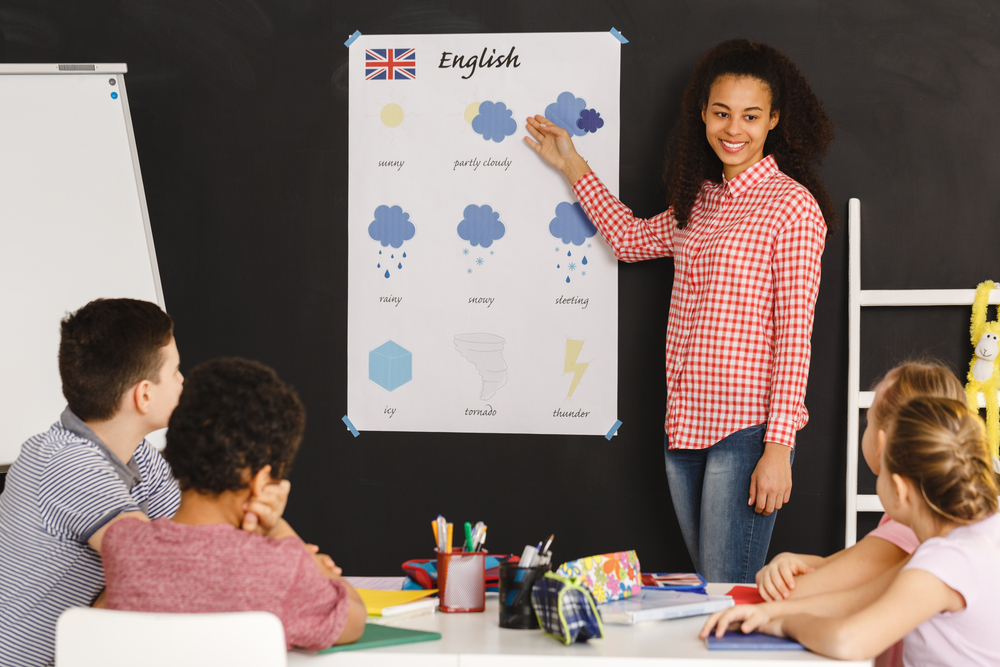

Word recognition and sight words are foundational to early reading skills for children aged 6-7. These terms refer to a child's ability to automatically recognize common words without needing to decode them letter-by-letter. Caring about word recognition sight words at this age is crucial because it significantly influences a child's reading fluency, comprehension, and overall confidence in reading.
Firstly, quick recognition of sight words allows children to read more smoothly and naturally. This fluency helps them focus their cognitive resources on understanding the text, rather than on laboriously decoding each word. As a result, children are better able to comprehend stories and informational texts, making reading a more enjoyable and rewarding experience.
Secondly, mastering sight words builds a child's foundational vocabulary. These words often represent basic concepts or are commonly used in various contexts, making them crucial for effective communication and writing.
Lastly, early success in reading can boost a child’s self-esteem and motivation to engage with books. A confident reader is more likely to develop a lifelong love of reading, which is associated with improved academic achievement across all subjects.
Therefore, both parents and teachers have a pivotal role in supporting children to practice and become proficient in recognizing sight words during these formative years, setting the stage for future learning success.