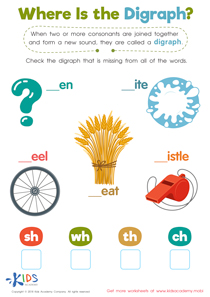
Phonics practice Beginning Consonants Worksheets for Ages 6-8
4 filtered results
-
From - To
Enhance your child's literacy skills with our engaging "Phonics Practice Beginning Consonants Worksheets" designed specifically for ages 6-8. These interactive worksheets are perfect for young learners, helping them recognize and master the sounds of initial consonants in words. Each worksheet features fun activities that combine creativity and education, ensuring an enjoyable learning experience. By using these printables, children will build a strong phonetic foundation and gain confidence in reading and writing. Foster a lifelong love for language through our thoughtfully crafted resources, and watch your child excel in their phonics journey. Explore our collection today for a brighter future in literacy!
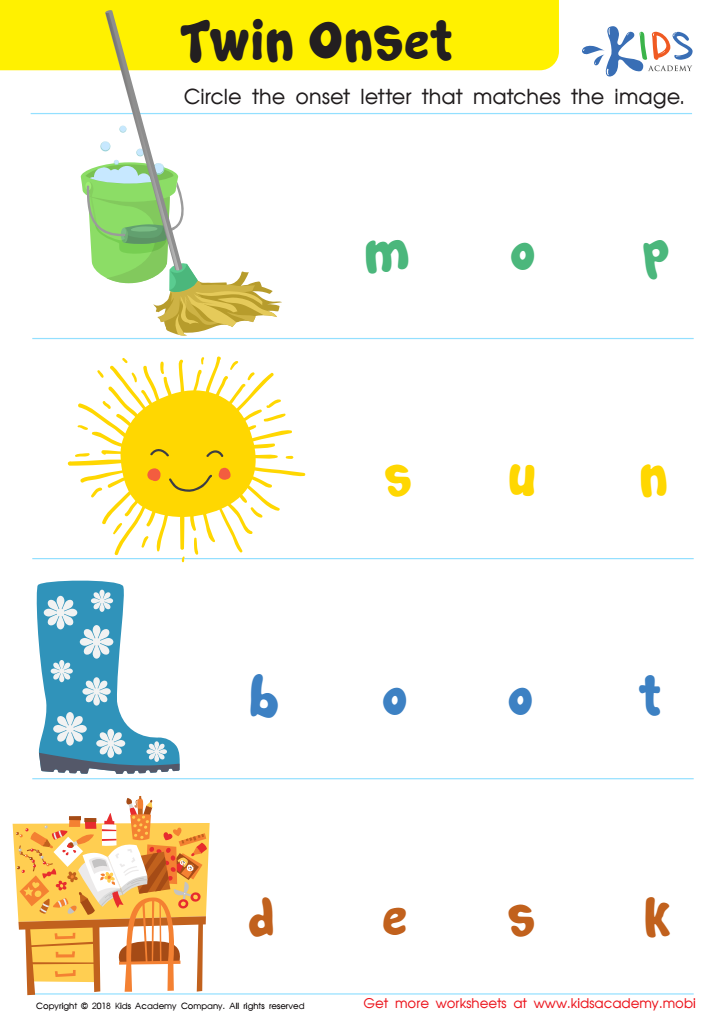
Twin Onset Worksheet
 Assign to My Students
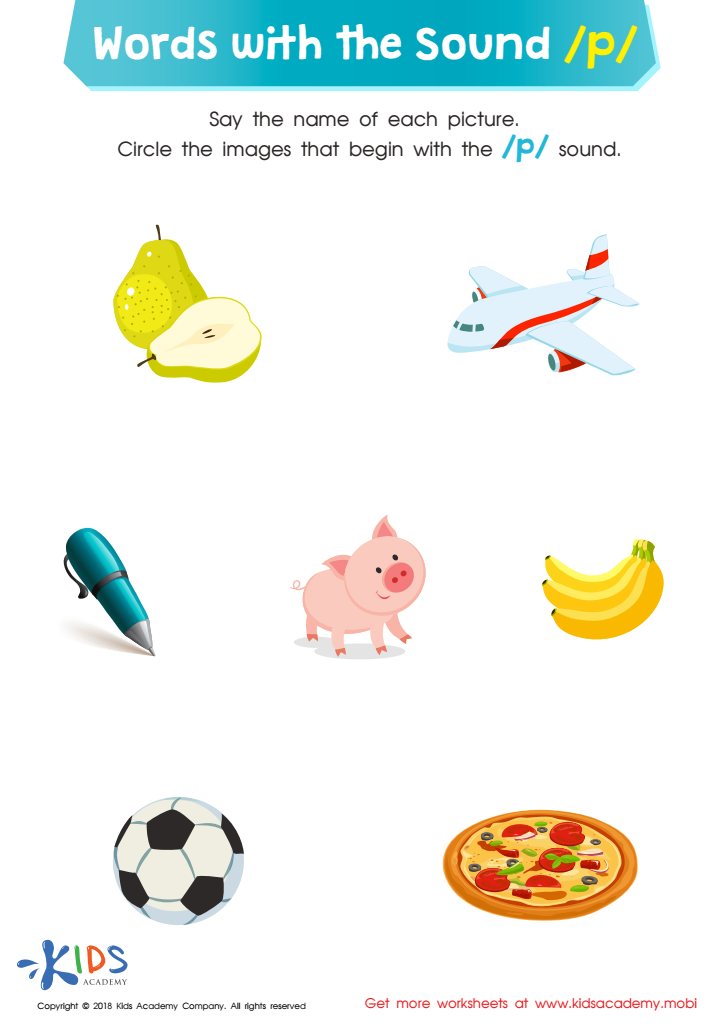
Words with sound p Reading Worksheet
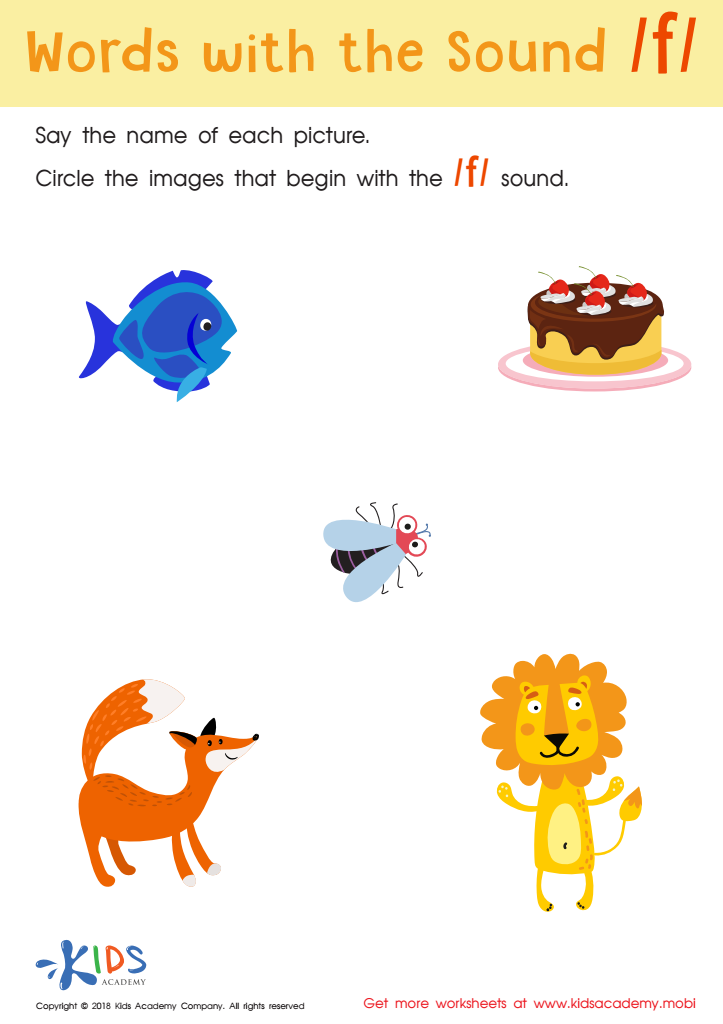
Words with sound f Reading Worksheet
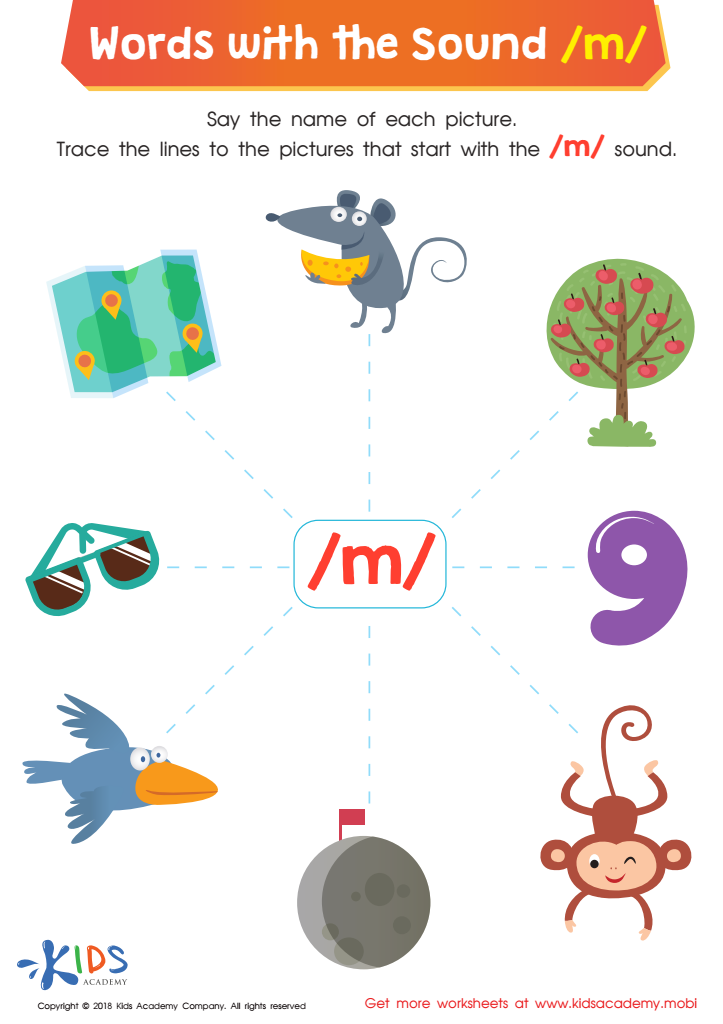
Words with Sound M Reading Worksheet


Phonics practice, specifically focusing on beginning consonants, plays a crucial role in the literacy development of children aged 6-8. At this stage, children are transitioning from learning to read to reading to learn. Understanding the sounds associated with beginning consonants is foundational. It helps children decode words, improving their reading fluency and comprehension skills. This is particularly important for forming new words and recognizing common sight words, which have a significant impact on reading confidence and ability.
Additionally, mastery of beginning consonants aids in spelling and writing skills. It allows young learners to express their thoughts better and communicate more effectively. Moreover, phonics instruction enhances auditory discrimination, facilitating better listening skills which are vital for overall learning.
For parents and teachers, engaging children in phonics practice can make reading a more enjoyable experience, nurturing a love for literacy. Incorporating fun, thematic activities around beginning consonants can also help keep children motivated and excited about learning. Ignoring this foundational skill can result in future difficulties, potentially leading to gaps in literacy that can affect their broader academic journey. Thus, investing time in phonics is not just an educational concern but a vital step toward fostering lifelong learners.