Phonics practice Beginning Sounds Worksheets for Ages 6-8
5 filtered results
-
From - To
Unlock your child's reading potential with our Phonics Practice Beginning Sounds Worksheets designed specifically for ages 6-8! These engaging and colorful worksheets introduce young learners to the essential concept of beginning sounds, helping them build a strong foundation in phonics. Through a variety of fun and interactive activities, children will practice identifying and matching beginning sounds with corresponding letters and words. Perfect for classroom use or at-home learning, these worksheets encourage skill development in early literacy. Enhance your child's confidence and reading abilities while making learning enjoyable and effective. Explore our resources today to support your child’s phonics journey!
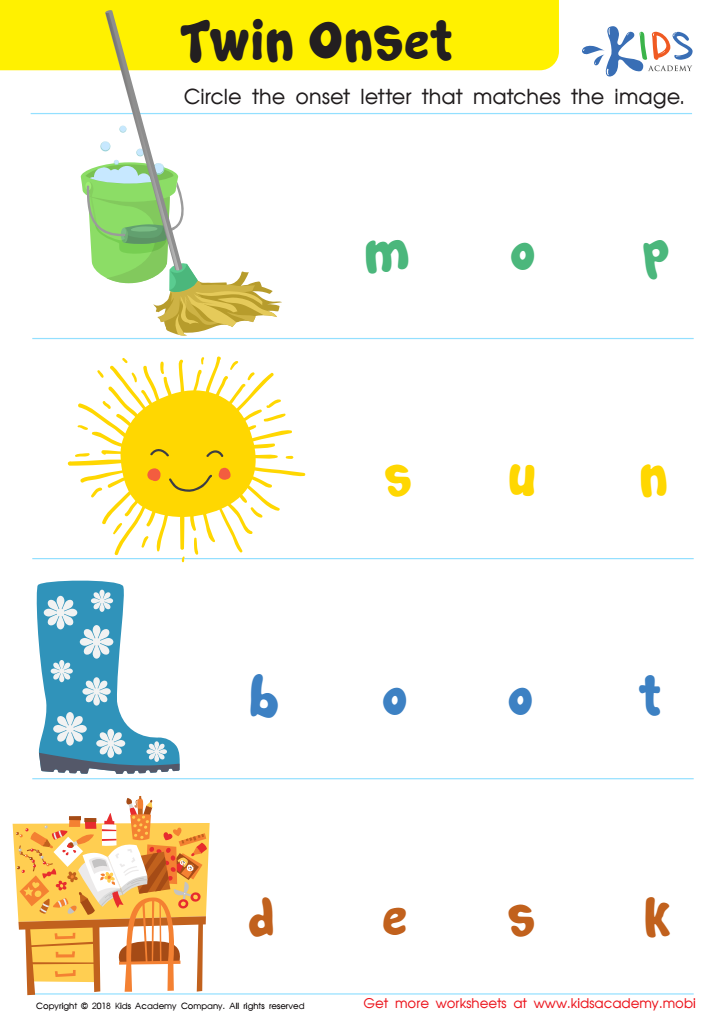
Twin Onset Worksheet
 Assign to My Students
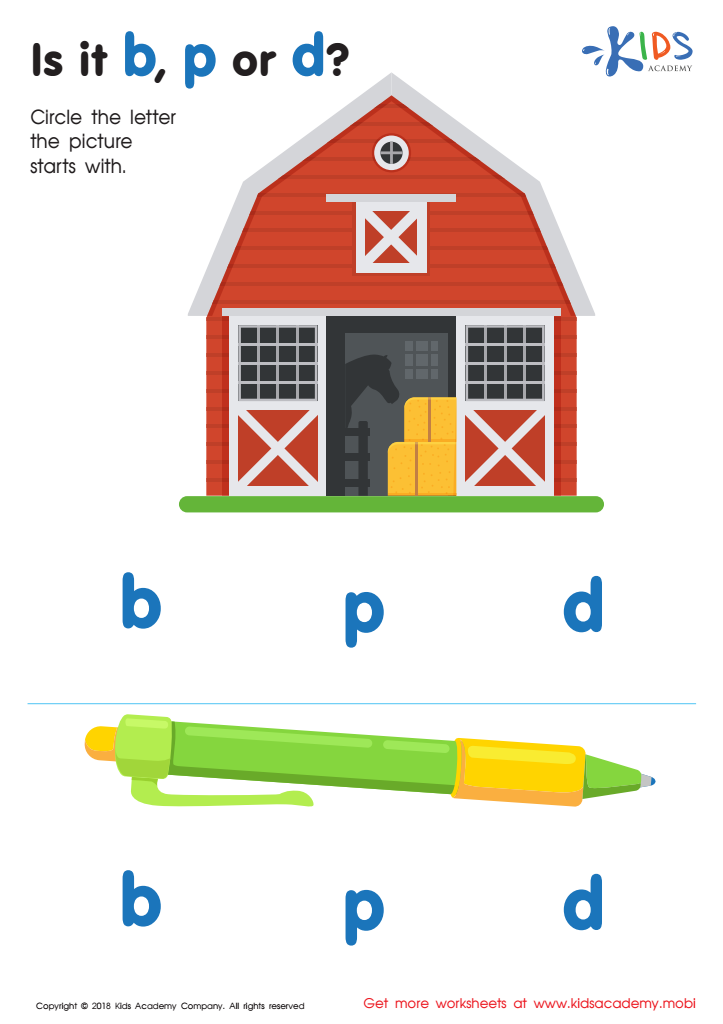
Is it b, p or d? Worksheet
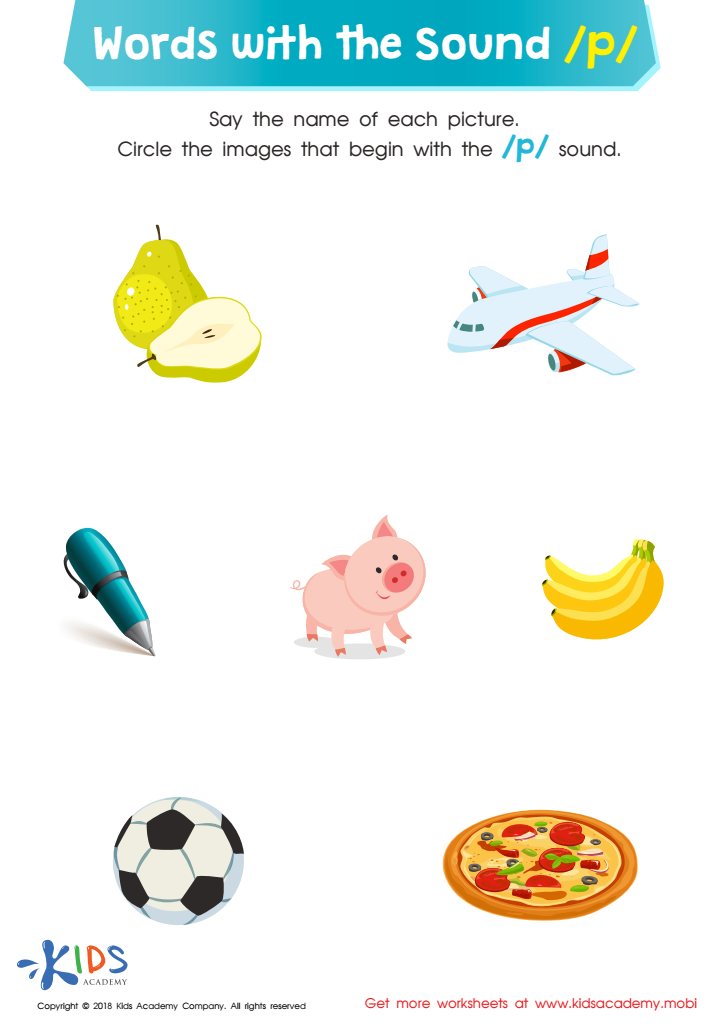
Words with sound p Reading Worksheet
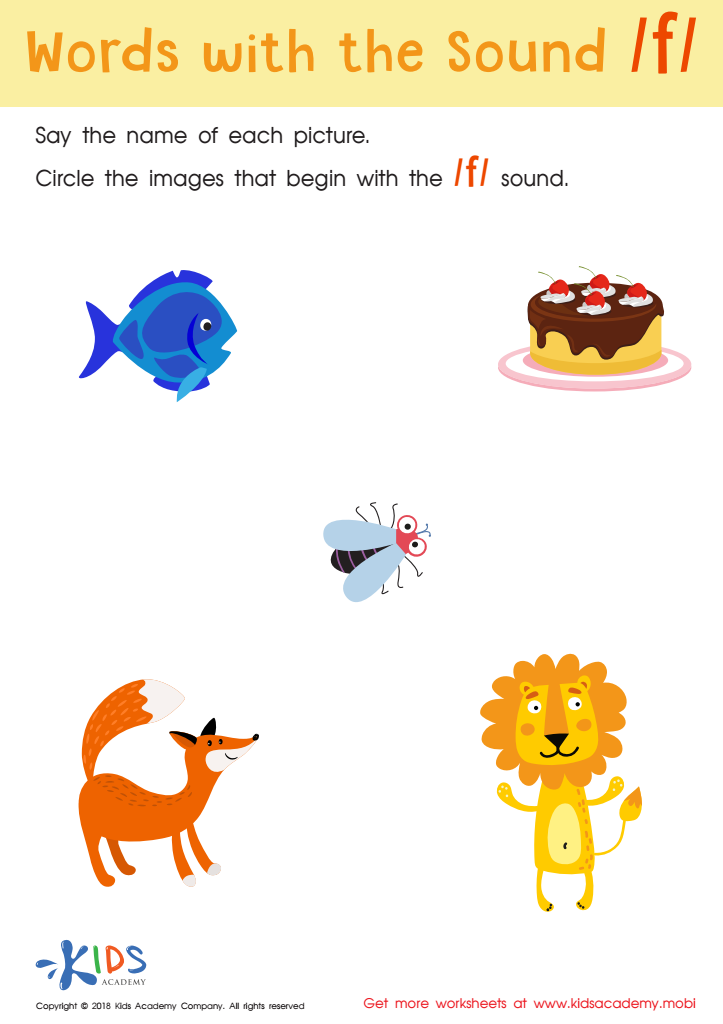
Words with sound f Reading Worksheet
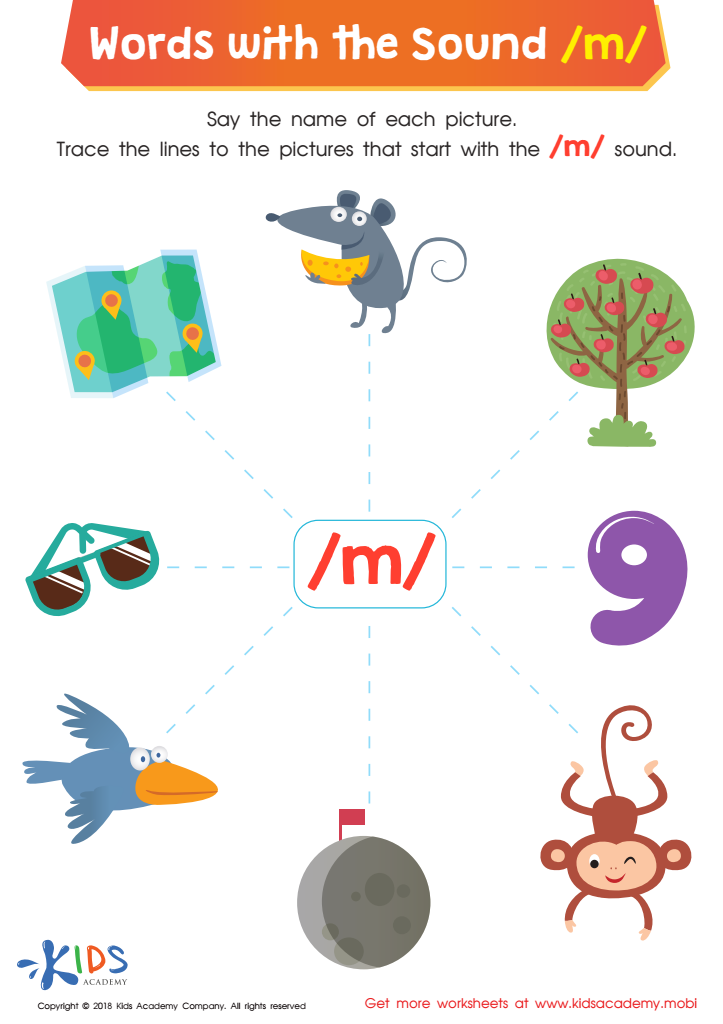
Words with Sound M Reading Worksheet








Phonics practice, particularly focusing on beginning sounds, is crucial for children aged 6-8 as they lay the groundwork for reading proficiency. At this developmental stage, children are transitioning from learning to read to reading to learn. Mastering beginning sounds enhances their decoding skills, enabling them to recognize and sound out new words independently.
When parents and teachers emphasize beginning sounds, they also support broader literacy development, including vocabulary enhancement and comprehension. Recognizing initial sounds helps children make connections between letters, sounds, and meanings, which is essential for fluent reading. This foundational skill boosts their confidence, fostering a positive attitude towards reading and learning.
Moreover, phonics practice can be easily integrated into daily life. Activities such as identifying the first sounds of common objects or playing sound-based games make learning fun and interactive. This reinforcement at home and school builds a strong literacy foundation, critical for academic success. By caring about phonics practice, parents and teachers actively contribute to children's overall language skills, improving their ability to express themselves and engage effectively in conversations and writing tasks. In essence, focused attention on beginning sounds cultivates enthusiastic, confident readers who are better equipped for future learning challenges.







