Reading practice Alphabet Worksheets for Ages 6-8
3 filtered results
-
From - To
Help your child master the alphabet with our engaging Reading Practice Alphabet Worksheets designed for ages 6-8! Each worksheet offers fun and interactive exercises to reinforce letter recognition, phonics, and reading skills. Kids will delight in tracing, matching, and identifying letters through colorful and captivating activities. Our expertly crafted worksheets cater to various learning paces, ensuring your young reader builds a strong foundation. Perfect for at-home learning or classroom enrichment, these worksheets make reading practice enjoyable and effective. Equip your child with the tools they need for reading success and watch their confidence soar! Explore our collection today.
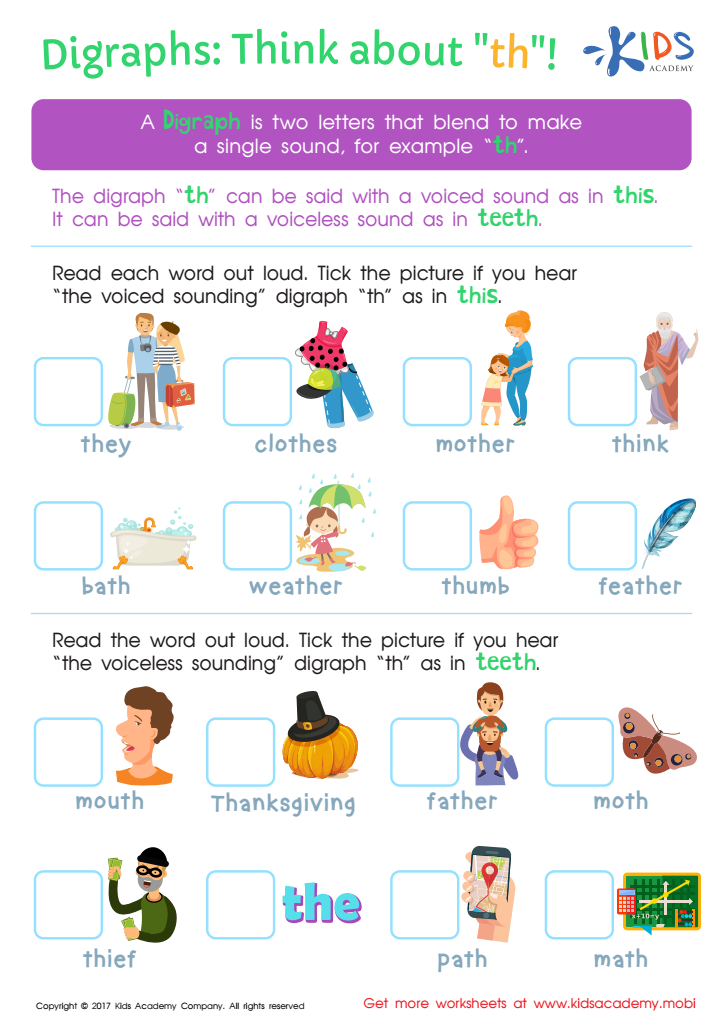
Digraphs: Think About "th" Worksheet
 Assign to My Students
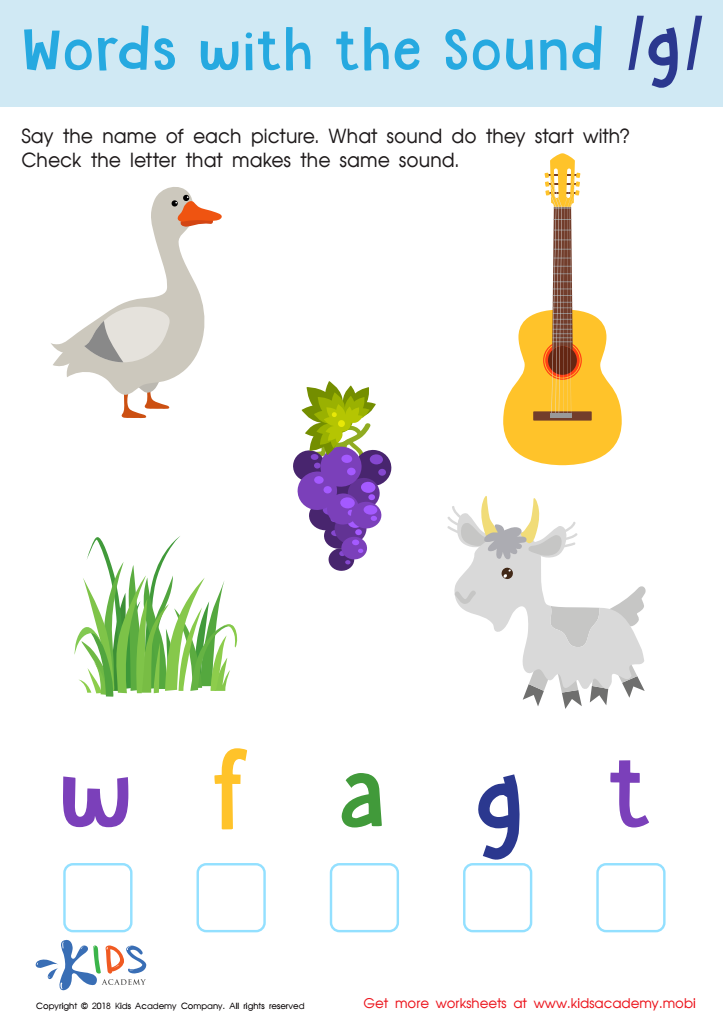
Words with sound g Reading Worksheet
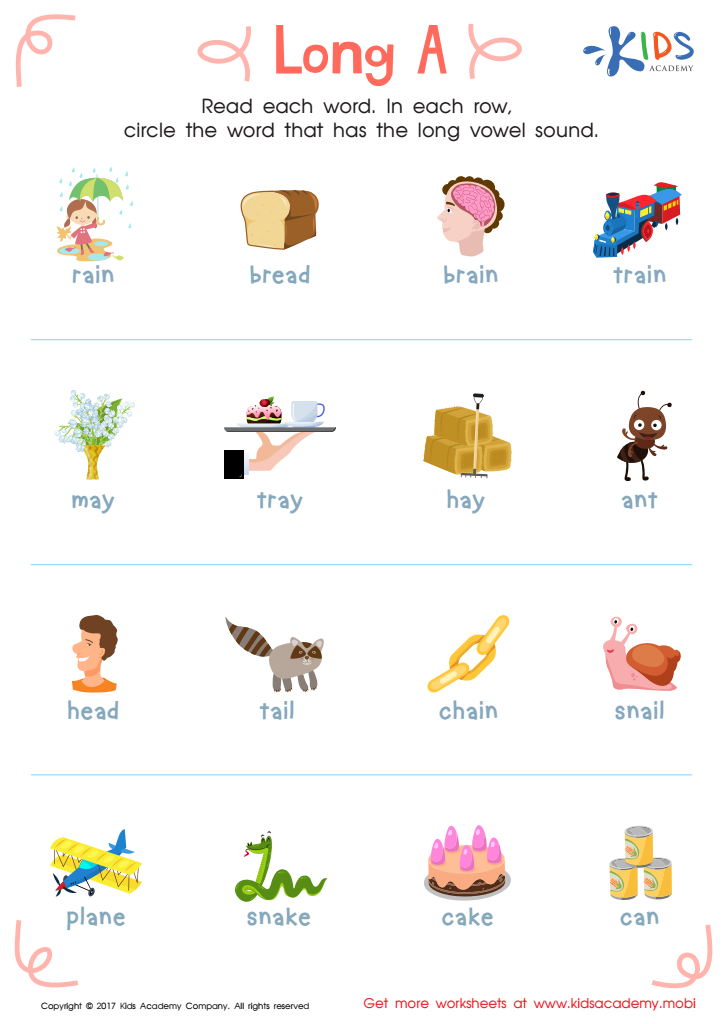








Reading practice and alphabet familiarity are foundational elements in a child's early literacy development. From ages 6-8, children are in a critical learning phase, transitioning from basic recognition of letters to developing reading fluency. This period, often corresponding with early elementary school grades, is crucial as it shapes their future academic and communication skills.
When parents and teachers prioritize reading practice and alphabet mastery, they equip children with essential tools for success. Recognizing and understanding letters, both individually and within words, enhances phonemic awareness—the ability to hear and manipulate the sounds that letters make. This skill is fundamental for decoding words, which leads to proficient reading and improved language comprehension.
Consistent reading practice not only improves literacy skills but also enlarges a child's vocabulary, enhances their ability to express themselves, and stimulates cognitive development. Children who read regularly are more likely to develop a love for books, fostering a lifelong habit of learning.
Moreover, reading activities offer rich opportunities for bonding and social interaction. When adults read with children, it creates shared experiences that build trust and a sense of security. Structured reading sessions can also teach patience, discipline, and the joy of discovery.
In sum, prioritizing reading and alphabet practice in children ages 6-8 lays a crucial groundwork for educational achievements and personal growth.







